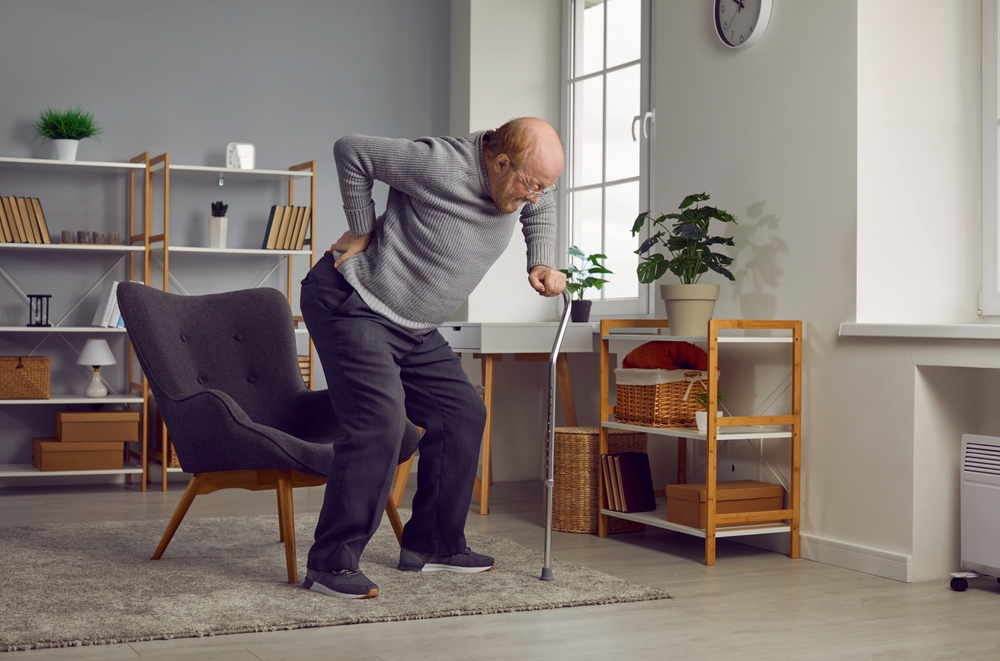
Everyday actions like placing a book on a shelf, bending down to pick something up, or getting out of a chair can start to feel harder over time. When standing up becomes a challenge, it’s often a sign that your muscles and balance need a bit more attention. The good news is that with consistent, simple exercises, you can rebuild strength, improve stability, and make daily movements feel more natural again. Focusing on the glutes, quadriceps, and hamstrings is especially important, as these muscles do most of the work when moving from sitting to standing. Practicing the exercises below every other day can gradually make a noticeable difference.
1. Glute Bridge
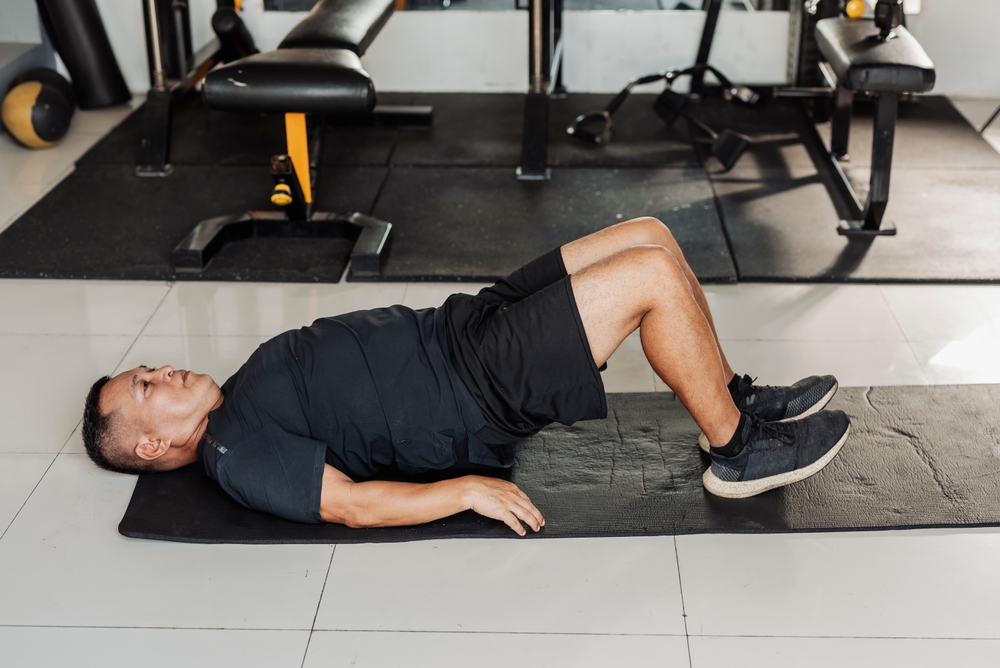
The glute bridge is a gentle yet effective exercise for strengthening the glutes and hamstrings, which play a major role in standing up from a chair. It helps train hip extension — the movement that allows you to stand upright — while keeping your body supported in a lying position. This makes it a great option if balance is a concern. You can perform it on the floor, a bed, or even a firm couch, making it accessible and comfortable while still building essential strength.
2. Standing Fire Hydrant
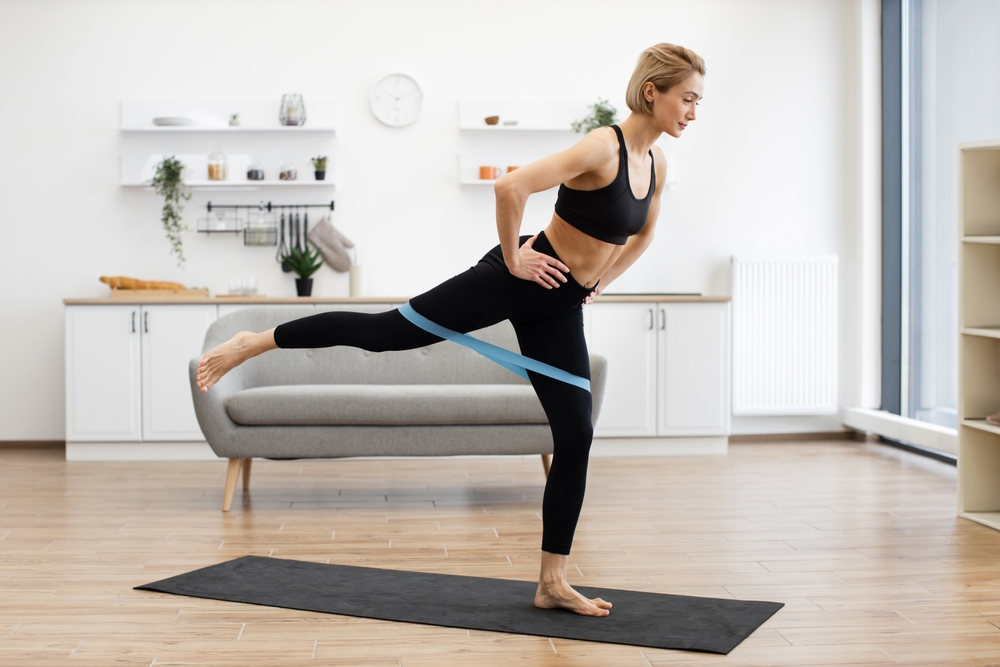
For those who find it difficult to get down on the floor, the standing fire hydrant offers a practical alternative. This exercise targets the outer hip and glute muscles that support stability during sit-to-stand movements. By holding onto a chair for balance and lifting one bent knee out to the side, you can strengthen these muscles in a safe, upright position. Over time, this added hip strength can help you feel steadier and more controlled when rising from a chair.
3. Straight Leg Raise

Straight leg raises are excellent for strengthening the hip flexors, quadriceps, and core muscles. These muscles work together to help lift and stabilize your legs as you move. Performing this exercise while lying down reduces strain while still improving muscle endurance. Moving slowly and maintaining good form is key, and it’s perfectly fine to pause and rest if your leg begins to feel tired.
4. Assisted Forward Banded Lunge
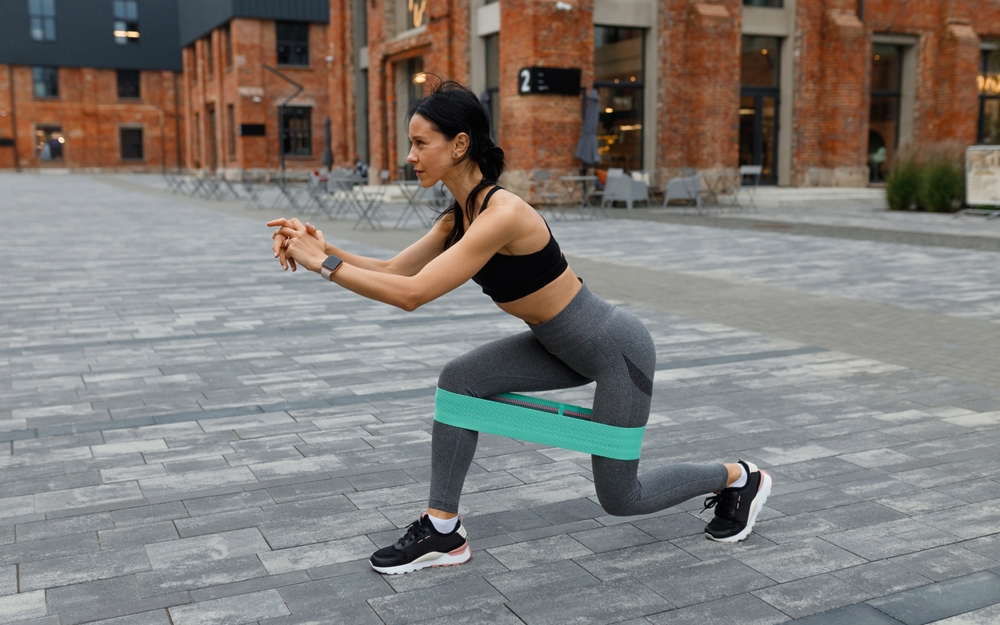
The assisted forward banded lunge helps build strength in the glutes, hamstrings, and thighs — all crucial for pushing yourself up from a seated position. Using a resistance band adds gentle tension, while holding onto a chair provides balance and confidence. This exercise mimics real-life movements and trains your legs to handle the demands of standing up more smoothly and safely.
5. Side-Lying Hip Abduction
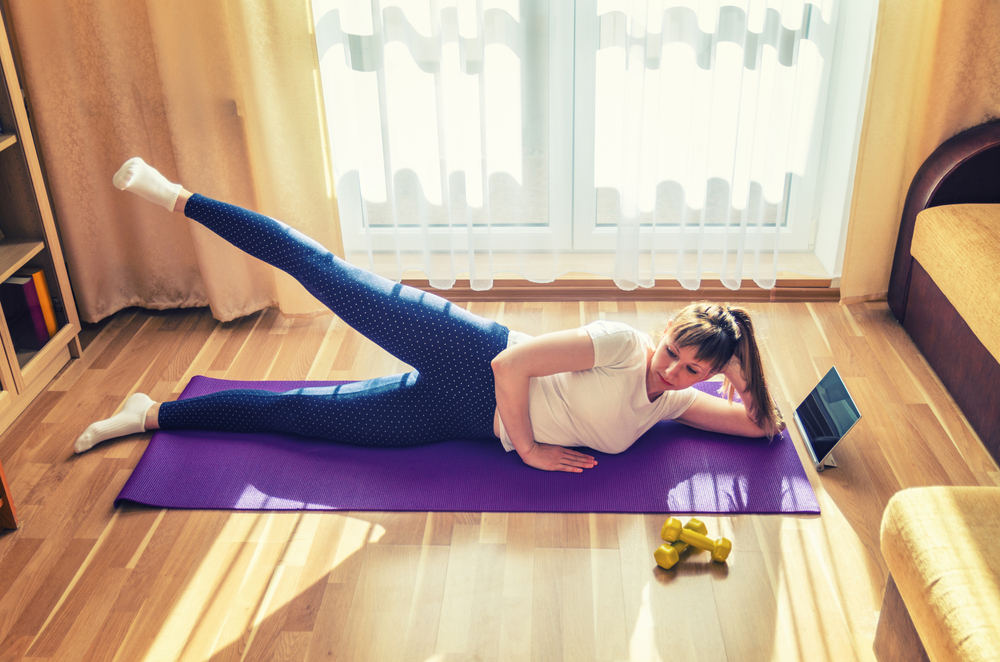
Weak glute muscles can cause other areas, such as the lower back, to work harder than they should. The side-lying hip abduction focuses on strengthening the side glutes, which are essential for balance and proper movement. Lying on your side helps isolate these muscles, ensuring they do the work without assistance from other parts of the body. This targeted strength can make everyday movements feel more stable and controlled.
6. Banded Seated Hip Abduction
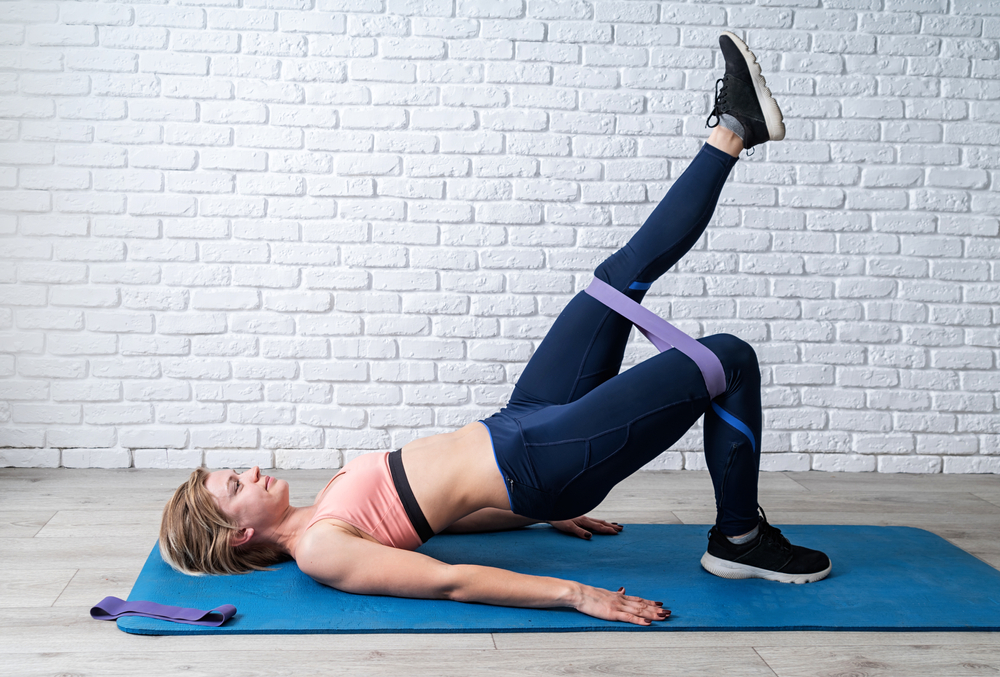
If you prefer to stay seated while exercising, the banded seated hip abduction is a great choice. This movement strengthens the gluteus medius, a muscle that supports balance and stability when transitioning from sitting to standing. By gently pressing your knees outward against a resistance band while sitting tall, you can effectively train these muscles without leaving your chair.
7. Supported Mini Squats
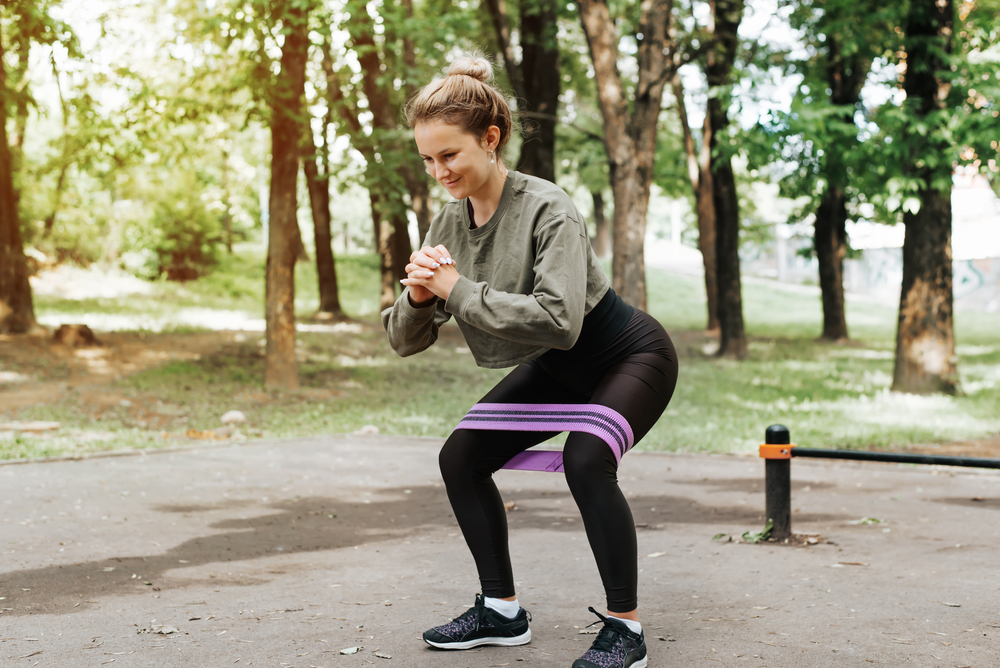
Supported mini squats closely resemble the motion of standing up from a chair, making them especially useful for daily function. Holding onto a sturdy chair or couch provides extra balance, allowing you to focus on proper movement. By practicing this partial squat, you train your legs and hips while improving coordination and confidence during the sit-to-stand transition.
8. Wall Sit
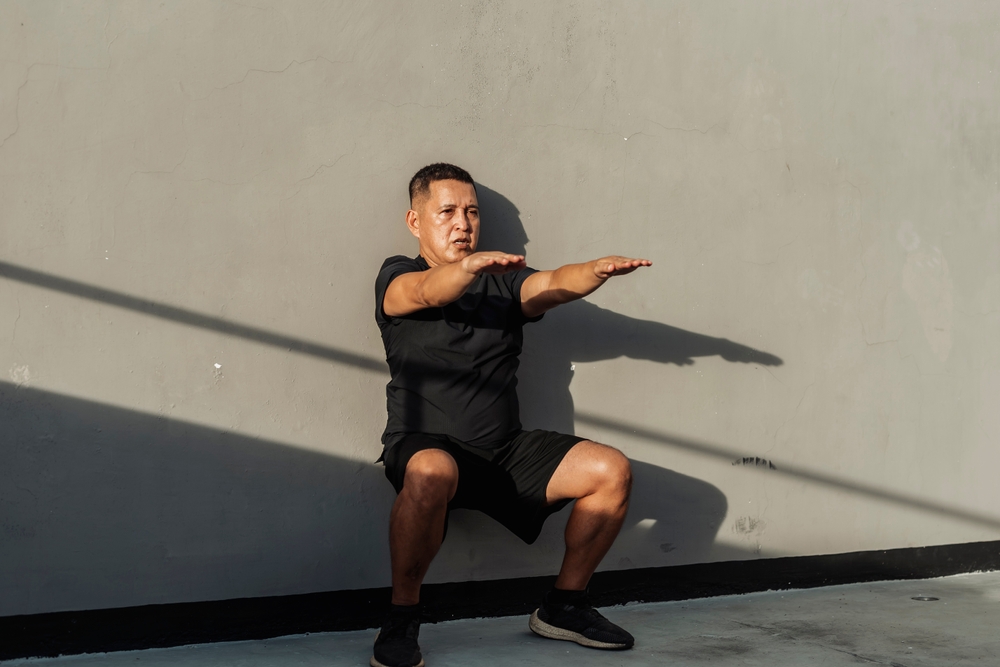
Wall sits are a simple yet powerful way to strengthen the legs while reinforcing good posture. Pressing your back and shoulders against the wall helps keep your body aligned as your legs do the work. Holding the position for several steady breaths builds endurance and strength, both of which are essential for standing up with ease. This exercise is also convenient, as it requires only a wall and no additional equipment.
Keep Moving With Confidence
You don’t need to do every exercise at once to see progress. Choosing a few that feel comfortable and practicing them consistently can lead to better strength, balance, and confidence over time. With patience and regular movement, getting up from a chair can become easier, safer, and far less intimidating — helping you stay independent and active in your daily life.