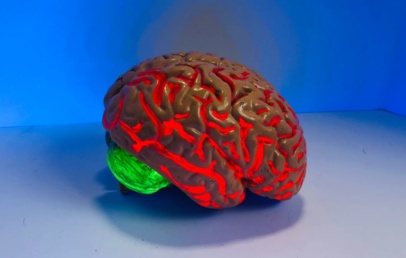

This simple morning habit might be doing more for your brain than you think
Let’s be honest. For many of us, mornings don’t really start until that first sip of coffee. But what if that daily habit is doing more than just waking you up? What if it is quietly supporting your brain over time?
A long-term study by researchers from Mass General Brigham, Harvard T.H. Chan School of Public Health, and the Broad Institute followed over 131,000 people for up to 43 years. That kind of timeline gives researchers a much clearer picture of how everyday habits affect long-term health.
Here’s what they found. People who drank about 2 to 3 cups of caffeinated coffee a day had a lower risk of developing dementia. In fact, their risk was around 18 percent lower compared to those who rarely drank coffee. On top of that, they showed slower memory decline and did better on thinking and cognitive tests.
That sounds promising, right?
So, what is actually happening inside your body when you drink coffee? Coffee is packed with compounds like caffeine and polyphenols. These help reduce inflammation and protect your brain cells from damage. Since both inflammation and cell damage are linked to memory loss and conditions like dementia, this could explain the connection.
Tea showed similar benefits in the study, especially when people drank 1 to 2 cups daily. But interestingly, decaffeinated coffee did not show the same results. This suggests that caffeine might be playing a key role here.
Now, before you start pouring cup after cup, there is something important to keep in mind. More is not always better. The strongest benefits were seen with moderate intake. Drinking excessive amounts does not necessarily add more protection and can come with its own downsides like poor sleep or anxiety.
Another important point is that coffee is not a cure or a guaranteed shield against dementia. Think of it as one piece of a bigger puzzle. Your diet, physical activity, sleep, and overall lifestyle still matter a lot.
What makes this study even more interesting is that the benefits were seen in people with both high and low genetic risk for dementia. So, your morning coffee could be helpful regardless of your background.
At the end of the day, it is comforting to know that something as simple as your daily cup of coffee might be doing a little more for you than you realized. So the next time you take that first sip, you can enjoy it not just for the taste, but for the long-term benefits it might bring too.