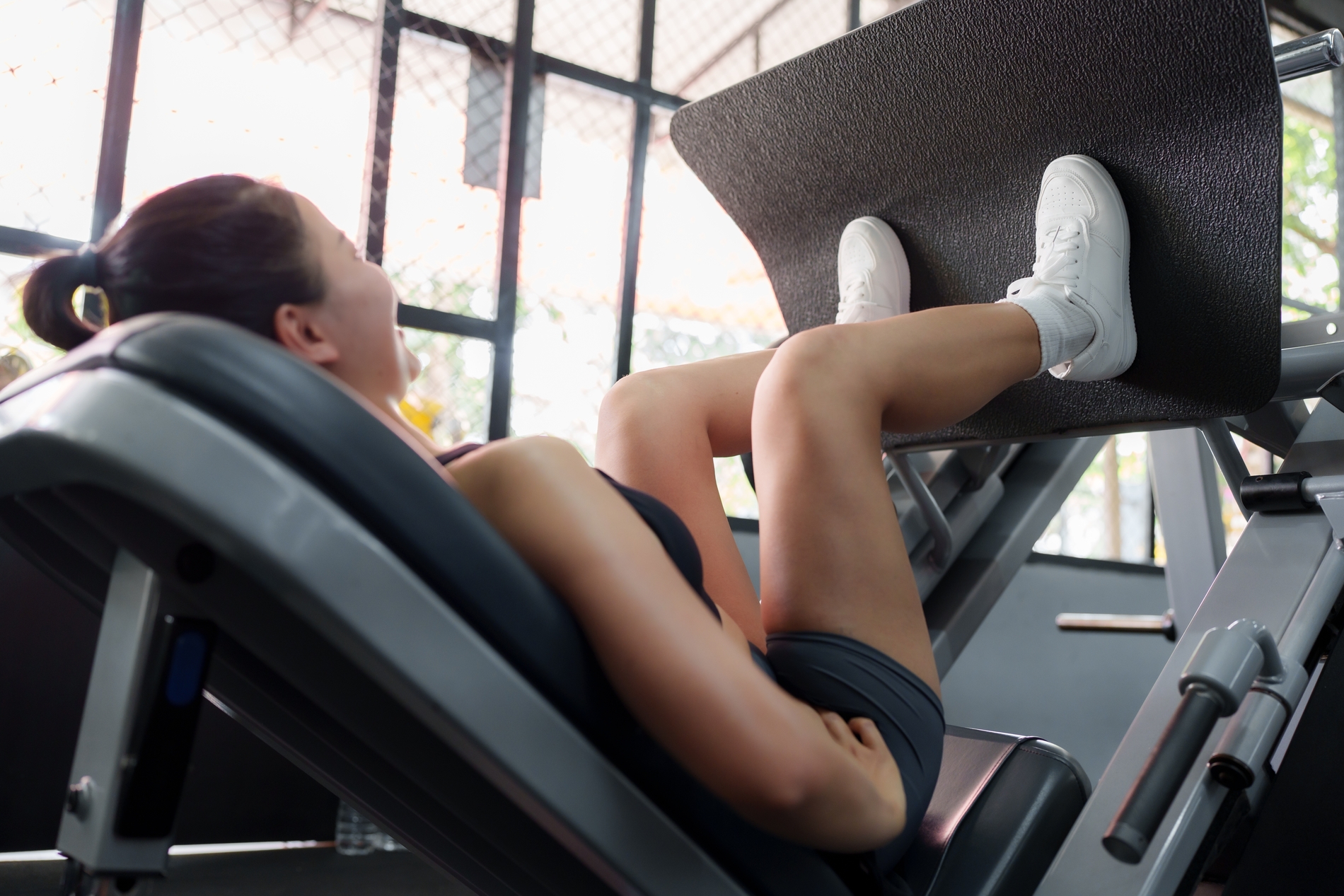
We’ve all been there: the morning after a heavy squat session where the simple act of sitting down on a chair feels like an Olympic event. You walk with the stiff, gingerly gait of a newborn giraffe, and the mere thought of a flight of stairs feels like a personal insult. Your first instinct is likely to bury yourself in the sofa and wait for the inflammation to subside, but passive recovery is often the slowest route to relief. The “couch method” allows metabolic waste to settle in your muscle tissue, prolonging the very stiffness you’re trying to avoid.
The most elegant solution to this temporary physical crisis isn’t a foam roller or a massage gun—it’s the pool. Swimming provides a unique environment that no land-based recovery can match: hydrostatic pressure. As you submerge, the weight of the water acts like a gentle, full-body compression sleeve, encouraging blood flow back toward your heart and flushing out the lactic acid trapped in your battered quads and hamstrings. Because you are essentially weightless, you can put your joints through a full range of motion without the jarring impact of gravity, effectively “greasing the groove” of your mobility while your central nervous system remains in a relaxed, parasympathetic state.
To make this work, you have to leave your ego at the locker room door. This isn’t a training session; it’s a flush. If you try to smash out 100-meter sprints, you’ll only add more structural stress to an already taxed system. Instead, aim for a “moving meditation” pace. Focus on long, fluid strokes where your heart rate stays low enough that you could theoretically hum a tune while swimming. If your legs are particularly trashed, use a pull buoy—that foam float you place between your thighs—to keep your hips high while your upper body does the light work of propelling you forward.
If you do want to involve your legs, keep the kick soft and fluttery. Think of it as a rhythmic massage rather than a drive for speed. Mixing in a few laps of backstroke can also help open up the chest and shoulders, which often tighten up during heavy lifting. Spend about 20 to 30 minutes in the water, alternating between easy freestyle and gentle treading. The goal is to exit the pool feeling lighter and more mobile than when you jumped in, not exhausted.
The temperature of the water plays a role too. A slightly cool pool helps constrict blood vessels and reduce swelling, acting like a much more comfortable version of an ice bath. Avoid the hot tub until after your swim; heat can actually increase inflammation if used too early in the recovery process.
In the next 24 hours, don’t let the soreness win. Find the nearest community pool or local gym with a lap lane. Forget about the stopwatch and the lap count. Just get in and move for 15 minutes. Focus on the sensation of the water supporting your weight and the rhythmic flow of your breath. By the time you’re back in the car, you’ll find that the “newborn giraffe” walk has been replaced by a much smoother, more human stride.