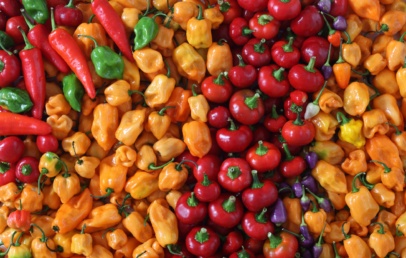

Feeling tired during the day is common, especially with busy schedules, poor sleep habits, or long hours of work. Many people turn to energy drinks for a quick boost, but these beverages often contain large amounts of caffeine and added sugar. While they may temporarily increase alertness, the effect is usually followed by a rapid drop in energy.
A more sustainable solution is to focus on foods that support the body’s natural energy production. Nutrient-rich foods provide complex carbohydrates, protein, healthy fats, vitamins, and minerals that help maintain stable energy levels and reduce fatigue throughout the day. Below are thirteen foods known for their ability to combat tiredness and support consistent energy.
1. Oats

Oats are one of the best sources of complex carbohydrates. Unlike refined carbohydrates, complex carbs are digested slowly, providing a steady release of glucose into the bloodstream. This helps prevent sudden spikes and crashes in energy levels.
Oats also contain fiber, iron, magnesium, and B vitamins, which support metabolism and help the body convert food into usable energy.
2. Bananas
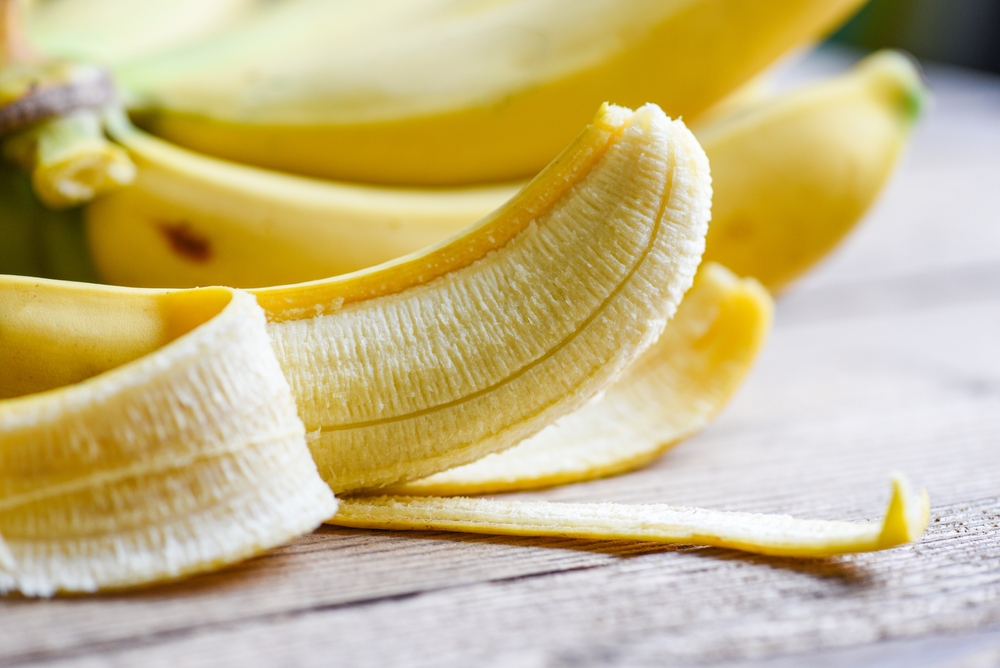
Bananas are often described as nature’s energy snack. They contain natural sugars such as glucose, fructose, and sucrose along with fiber that helps regulate their absorption. This combination provides quick yet sustained energy.
They are also rich in potassium and vitamin B6, both of which play a role in energy metabolism and muscle function.
3. Leafy Green Vegetables

Spinach, kale, and other leafy greens are excellent sources of iron, folate, magnesium, and vitamin C. Iron is particularly important for preventing fatigue because it helps transport oxygen throughout the body via red blood cells.
Low iron levels can reduce oxygen delivery to tissues, which often leads to feelings of tiredness and reduced stamina.
4. Eggs

Eggs provide high-quality protein along with important nutrients such as vitamin B12, vitamin D, and choline. Protein helps maintain steady blood sugar levels and supports muscle repair and recovery.
Eggs also contain essential amino acids that contribute to sustained energy and improved mental alertness.
5. Berries

Blueberries, strawberries, raspberries, and blackberries are rich in antioxidants, vitamins, and natural carbohydrates. Antioxidants help reduce oxidative stress in the body, which has been linked to fatigue and reduced physical performance.
Their relatively low glycemic index also helps maintain balanced blood sugar levels.
6. Nuts and Seeds
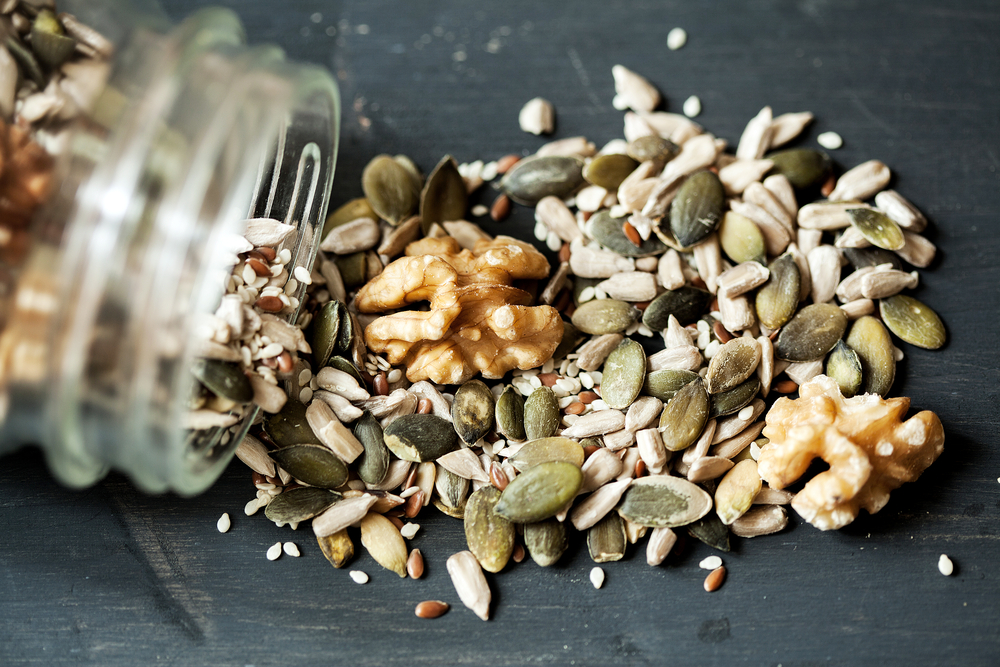
Almonds, walnuts, chia seeds, flaxseeds, and pumpkin seeds provide a combination of healthy fats, plant-based protein, and fiber. These nutrients help stabilize blood sugar and provide longer-lasting energy compared to sugary snacks.
Many nuts and seeds are also rich in magnesium, a mineral involved in more than 300 biochemical reactions in the body, including energy production.
7. Fatty Fish

Fatty fish such as salmon, tuna, and sardines contain omega-3 fatty acids and B vitamins that support brain function and reduce inflammation.
Chronic inflammation and nutrient deficiencies can contribute to fatigue, and regular consumption of fatty fish may help improve cognitive performance and overall energy levels.
8. Sweet Potatoes

Sweet potatoes are an excellent source of complex carbohydrates and fiber. These nutrients provide long-lasting energy by slowing the digestion and absorption of carbohydrates.
They also contain vitamin A, vitamin C, and manganese, which support metabolic processes and immune health.
9. Green Tea

Green tea provides a moderate amount of caffeine along with L-theanine, an amino acid that promotes calm alertness. This combination helps improve focus without the jittery feeling often associated with high-caffeine energy drinks.
Green tea is also rich in antioxidants that support brain health and overall well-being.
10. Avocados
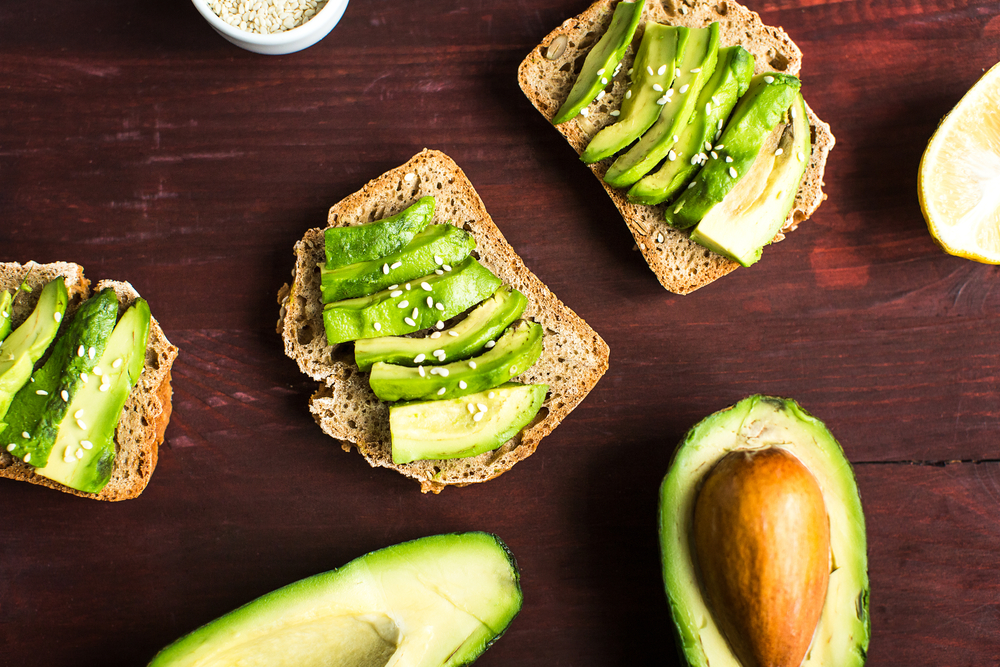
Avocados are high in healthy monounsaturated fats, fiber, and potassium. Healthy fats help the body absorb fat-soluble vitamins and provide a stable source of energy.
Because avocados have a low glycemic impact, they help maintain stable blood sugar levels and prevent energy crashes.
11. Citrus Fruits

Oranges, grapefruits, lemons, and other citrus fruits are rich in vitamin C, a nutrient that helps reduce oxidative stress and supports immune health.
They also provide natural sugars and hydration, which can help improve alertness and reduce feelings of tiredness.
12. Beans and Lentils

Legumes such as lentils, chickpeas, and black beans provide complex carbohydrates, plant-based protein, and iron. This combination supports steady energy levels and helps prevent fatigue caused by blood sugar fluctuations.
They are also high in fiber, which promotes slower digestion and sustained energy release.
13. Water

Although not technically a food, hydration plays a critical role in maintaining energy levels. Even mild dehydration can cause fatigue, headaches, and reduced concentration.
Drinking enough water throughout the day supports circulation, digestion, and the body’s natural energy-producing processes.
Supporting Natural Energy Through Diet
In addition to choosing energy-supporting foods, daily habits also play a significant role in preventing fatigue. Balanced meals that include protein, healthy fats, and complex carbohydrates help maintain stable blood sugar levels. Regular hydration, sufficient sleep, and limiting highly processed foods can also improve energy levels.
Energy drinks may provide a temporary boost, but relying on nutrient-dense foods offers a more sustainable and healthier approach. By incorporating these anti-fatigue foods into daily meals and snacks, individuals can support both physical and mental performance throughout the day.