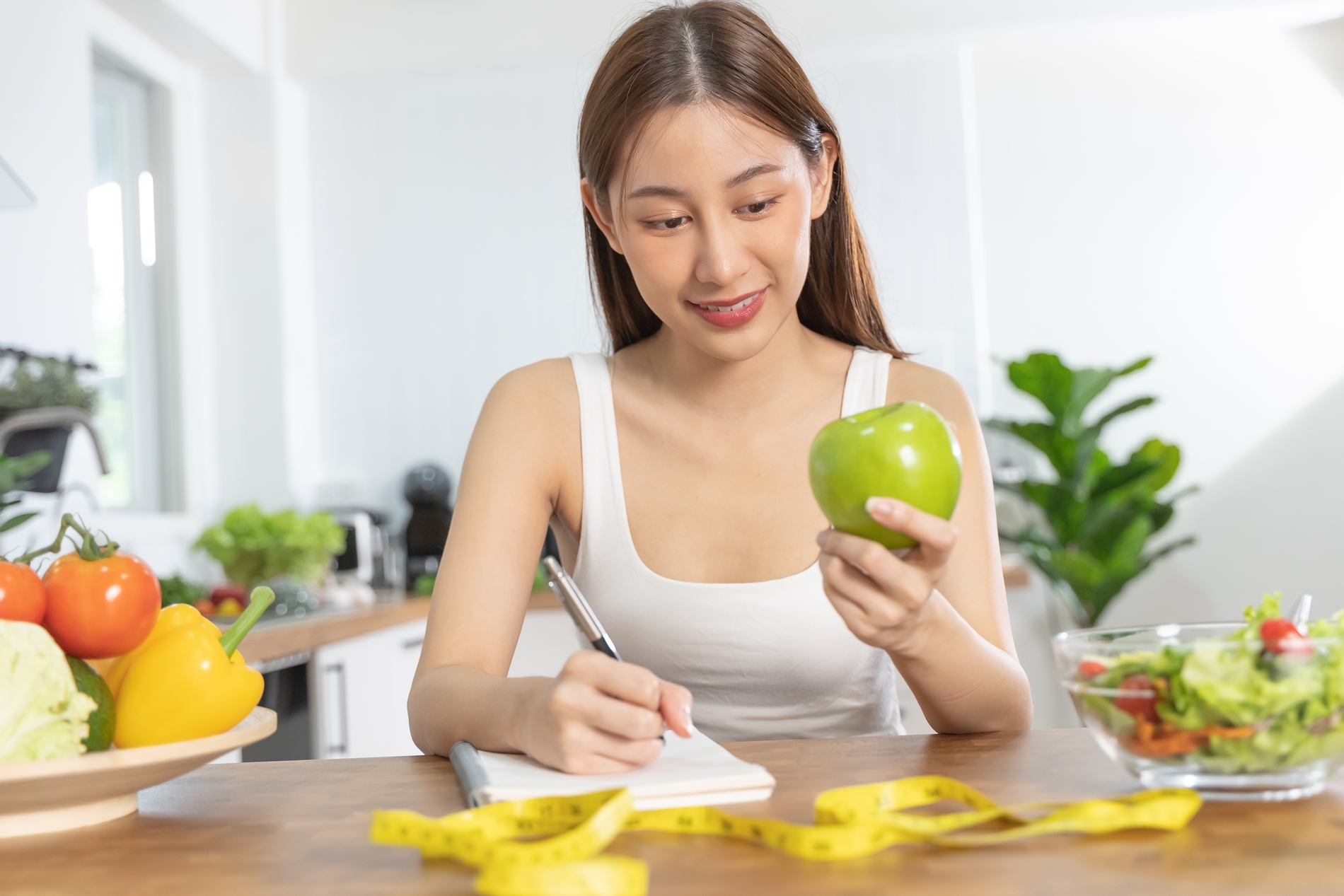
We’ve turned our kitchens into laboratories and our smartphones into probation officers. There is a specific kind of modern madness in staring at a bowl of pasta and wondering if it’s worth the numerical “fine” you’ll have to pay in your tracking app later. We’ve outsourced our biological wisdom to an algorithm that doesn’t know if we’ve had a stressful day, if our hormones are shifting, or if we just finished a two-hour hike in the cold.
The result is a population that has become remarkably good at counting numbers and remarkably bad at knowing when they are actually full. We’ve traded our instinct for an interface, and it’s making us more stressed, not more healthy.
The Biology of the Feedback Loop
Calorie tracking assumes your body is a simple furnace: wood in, heat out. But humans are far more complex biological systems. When you ignore genuine hunger because you’ve “run out of calories” for the day, you trigger a primal stress response. This can actually slow your metabolism and send cravings into overdrive as your brain perceives a famine.
Intuitive eating isn’t an invitation to live on donuts; it’s a return to the highly sophisticated feedback loop of your endocrine system. By listening to ghrelin (the hunger hormone) and leptin (the fullness hormone), you stop treating your body like a math problem and start treating it like a partner. You aren’t just eating; you’re recalibrating your internal compass.
How to Rebuild Your Food Instincts
Shifting away from the digital scale requires a transition period of re-learning what physical sensations actually feel like.
- Honoring the Hunger: Start by eating before you reach a state of “famine.” If you wait until you’re ravenous, your “wise brain” shuts off and your “reptile brain” takes over, leading to the inevitable evening pantry raid.
- The Taste Plateau: Pay attention to the moment when the food stops tasting quite as spectacular as the first three bites. That subtle decline in pleasure is your body’s way of saying the tank is nearly full.
- Distraction-Free Dining: Eat without the glowing blue light of a screen. Taste the seasoning and notice the texture. If you’re scrolling, you’re not listening.
- Neutralize the Menu: Stop labeling foods as “good” or “bad.” A ribeye isn’t a sin, and a kale salad isn’t a virtue. They are simply different forms of energy and nutrients.
Pro-Tip: If you find it hard to stop eating when your plate is full, try using a smaller plate for your main meal. It’s a simple visual hack that helps your brain feel satisfied without the pressure of “clearing the plate” just because it’s there.
Your First Step
Instead of deleting your tracking app in a fit of rage today, let’s try a more graceful transition over the next 24 hours.
Commit to the “Mid-Meal Check-In.” Halfway through your lunch or dinner tomorrow, put your fork down for exactly sixty seconds. Take a breath and ask yourself on a scale of one to ten: “How physically satisfied am I right now?” Don’t judge the answer or check it against an app; just observe the sensation. By moving the authority from the screen back to your stomach, you’re taking the first step toward a life where a meal is an experience to be enjoyed, not a set of data to be managed.