Taking care of your vaginal health isn’t just about hygiene—it starts from what’s on your plate. The foods, drinks, and supplements you choose every day can help maintain a healthy balance of bacteria, support your immune system, and even prevent infections. The good news is that simple dietary choices can go a long way in keeping your body balanced and healthy.
Why Nutrition Matters for Vaginal Health?

A healthy vagina naturally maintains a slightly acidic pH and contains beneficial bacteria, especially Lactobacillus, which helps protect against infections like bacterial vaginosis and yeast infections. When your diet supports this delicate balance, your body becomes more resilient against harmful microbes. However, consuming too many processed or high-sugar foods can disrupt this balance, increasing the risk of discomfort and infections.
Top Foods That Support Vaginal Health
Probiotic-Rich Foods
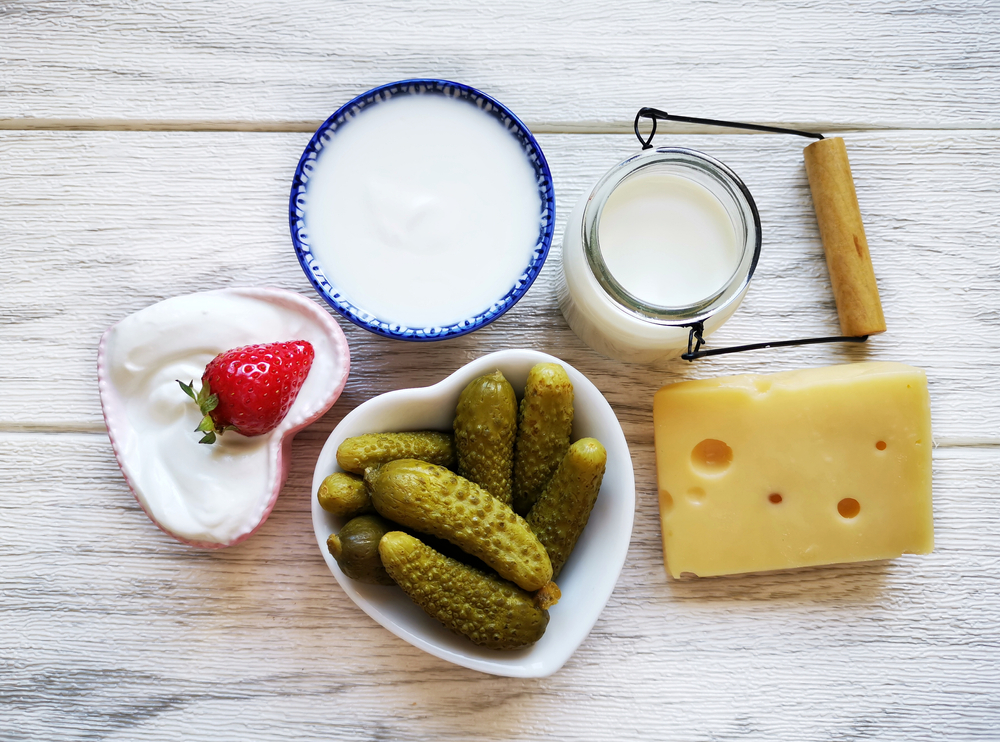
Probiotic-rich foods act as natural supporters of vaginal health by introducing beneficial bacteria into your body. Foods like yogurt with live cultures, kimchi, sauerkraut, pickles, and fermented soy products such as miso and tempeh help maintain a healthy balance of vaginal flora. Including these regularly in your meals can strengthen your body’s natural defenses against harmful bacteria.
Antioxidant-Packed Fruits
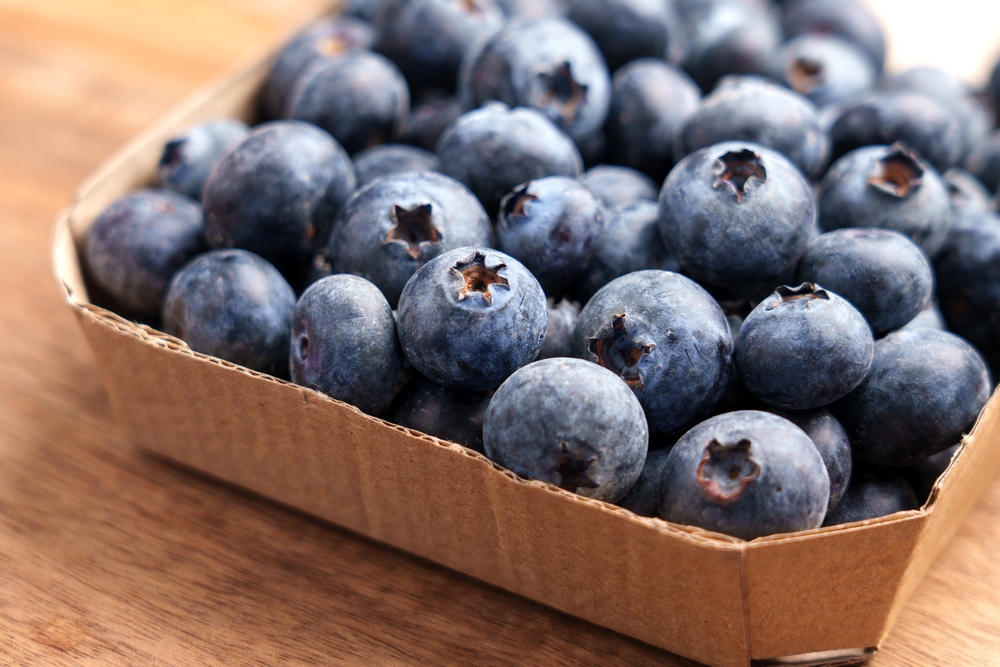
Fruits high in antioxidants, such as blueberries, pomegranates, and strawberries, help protect cells from damage and support overall reproductive health. These antioxidants combat oxidative stress, which can affect fertility and general wellness, making them a valuable addition to your daily diet.
High-Fiber Foods
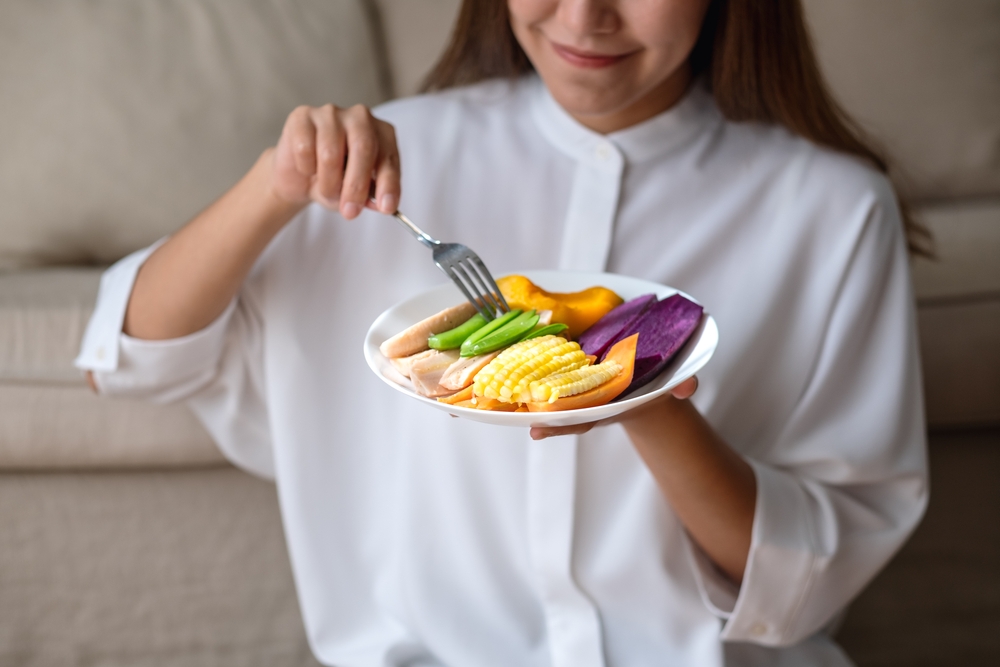
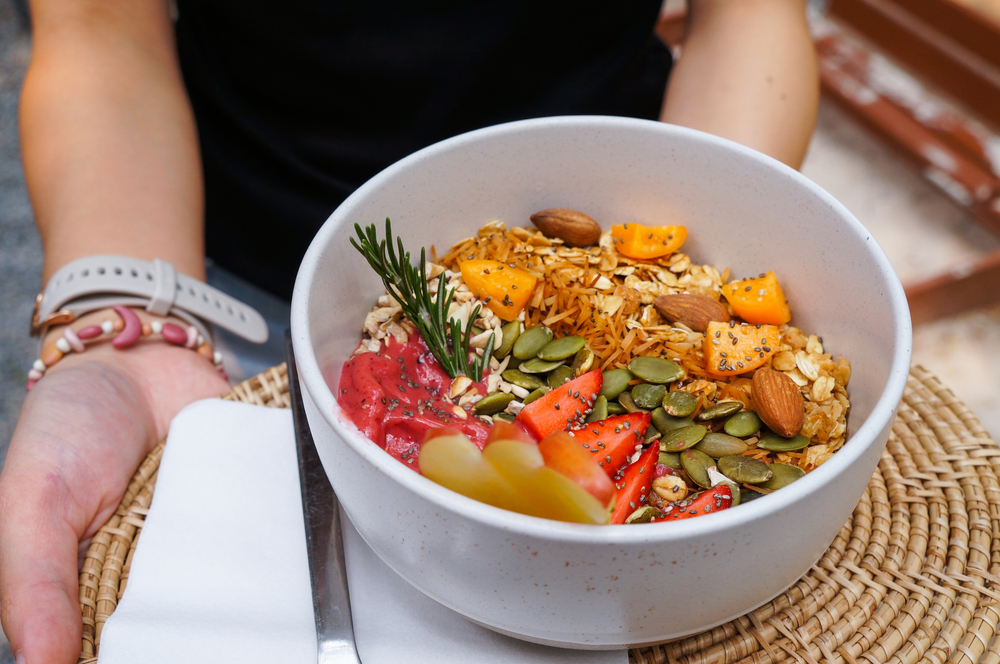
Fiber plays an important role in supporting the growth of beneficial bacteria like Lactobacillus. Eating fiber-rich foods such as leafy greens, vegetables, beans, lentils, nuts, seeds, and whole grains like oats, quinoa, and brown rice not only aids digestion but also contributes to a healthier vaginal environment.
Low-Glycemic Foods
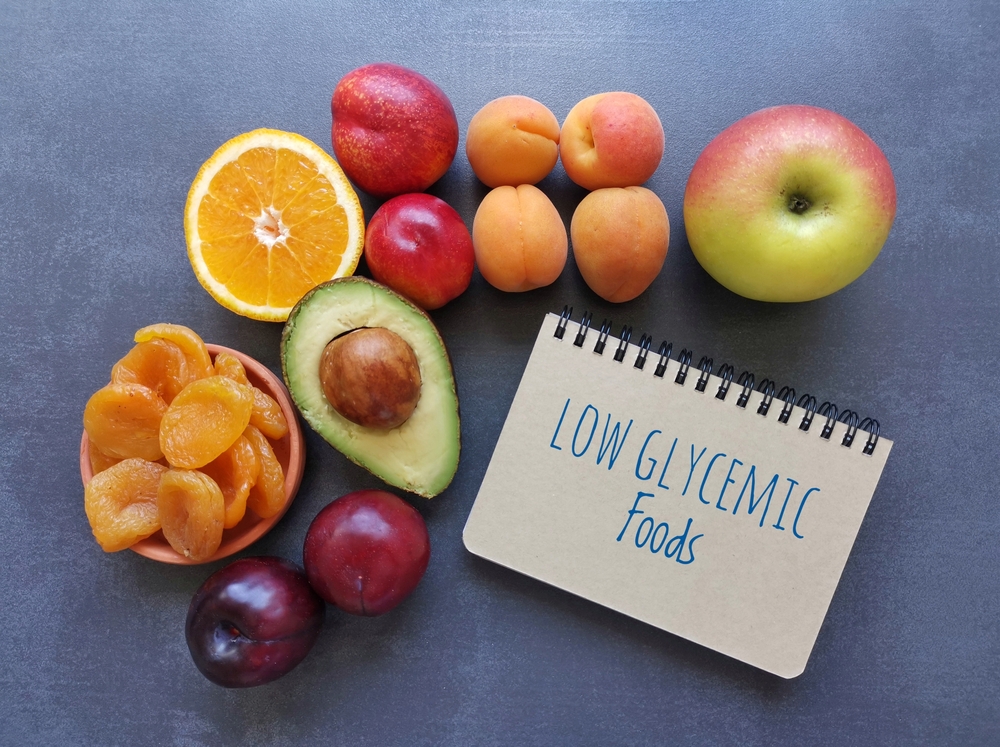
Low-glycemic index foods help maintain stable blood sugar levels, which may reduce the risk of bacterial imbalances. Foods like apples, oranges, carrots, yogurt, milk, legumes, and whole grains release sugar slowly into the bloodstream, helping to prevent spikes that could encourage harmful bacterial growth.
Vitamin D Sources
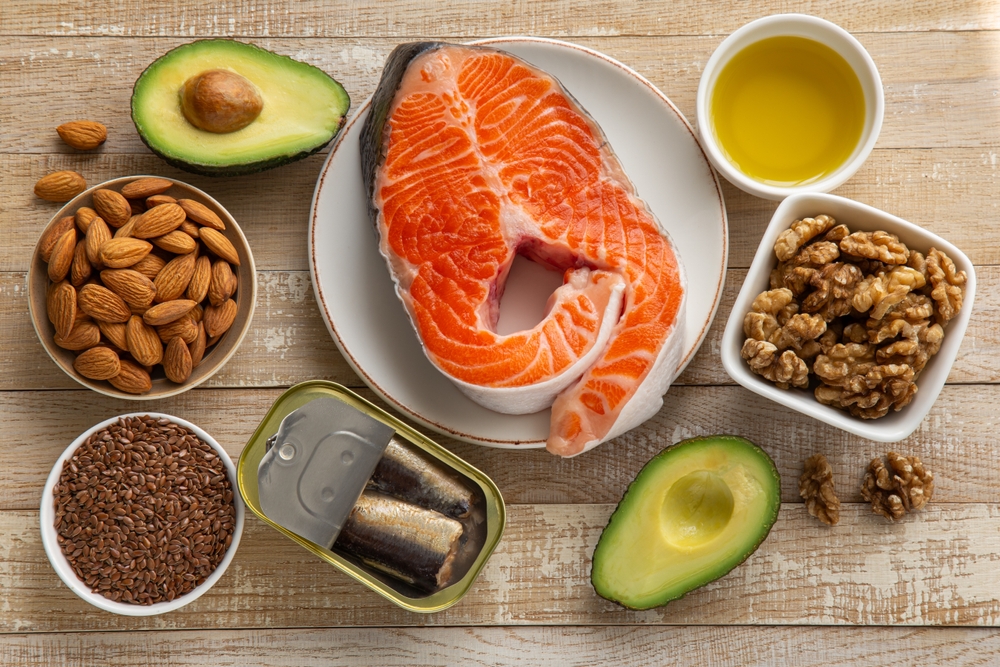
Vitamin D is essential for immune support and may help maintain vaginal moisture and pH balance. Including foods such as fatty fish like salmon and sardines, eggs, fortified milk, and cheese can help ensure adequate intake, especially for individuals experiencing hormonal changes.
Best Drinks for Vaginal Health
Stay Hydrated
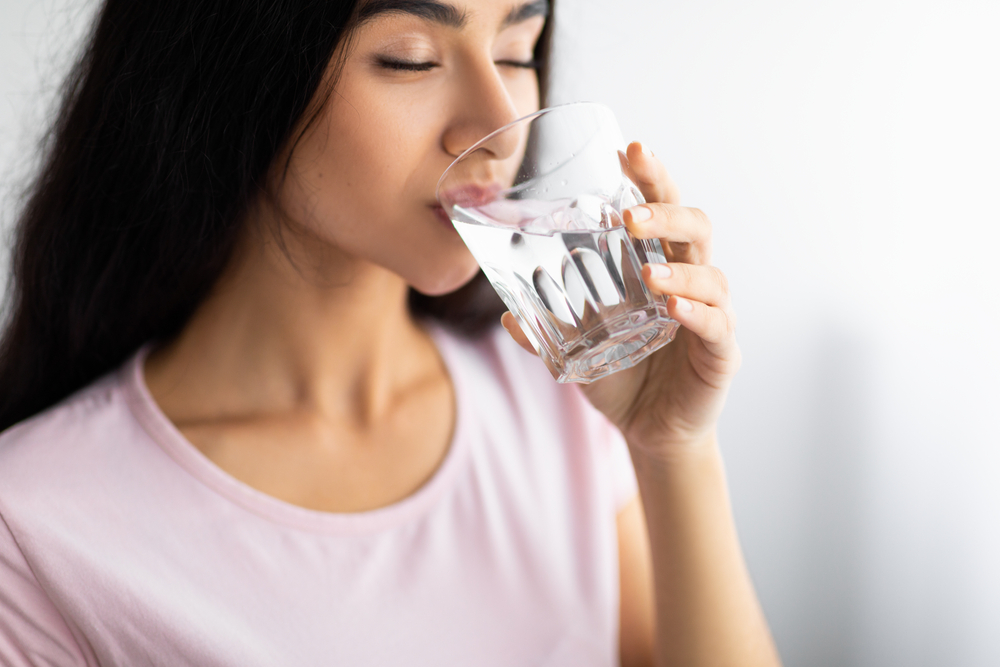
Staying well-hydrated is crucial for overall and vaginal health. Drinking enough water helps flush out toxins and harmful bacteria from the urinary tract, reducing the risk of infections. Aim for about two to four liters of water daily, depending on your body’s needs and activity level.
Cranberry Juice
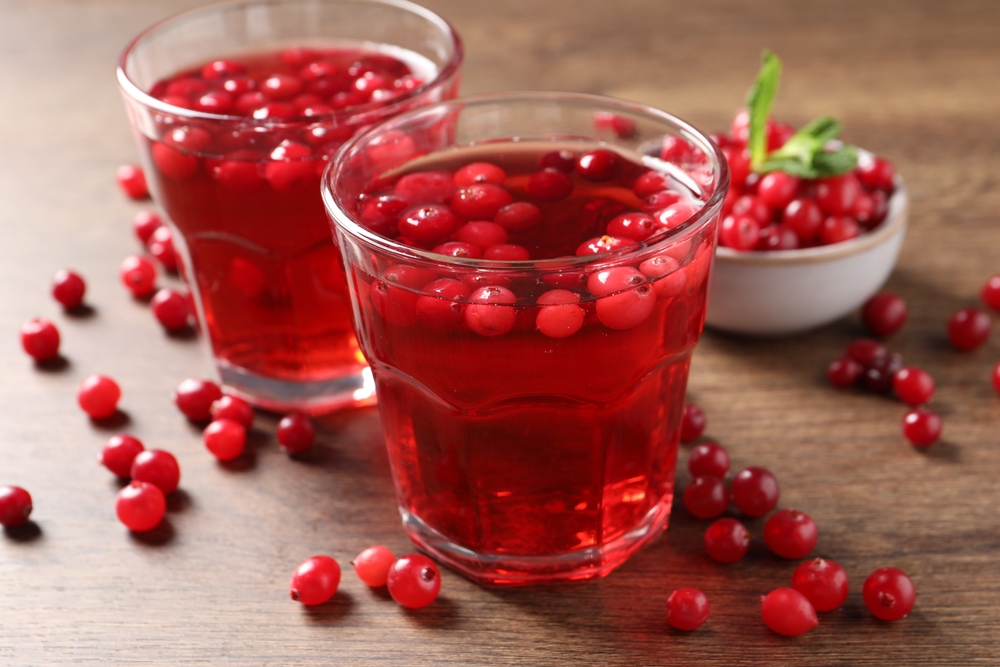
Cranberry juice is often associated with urinary tract health because it may help prevent bacteria from sticking to the urinary tract lining. While more research is needed, incorporating cranberry juice into your routine may offer additional support for preventing infections.
Probiotic Drinks
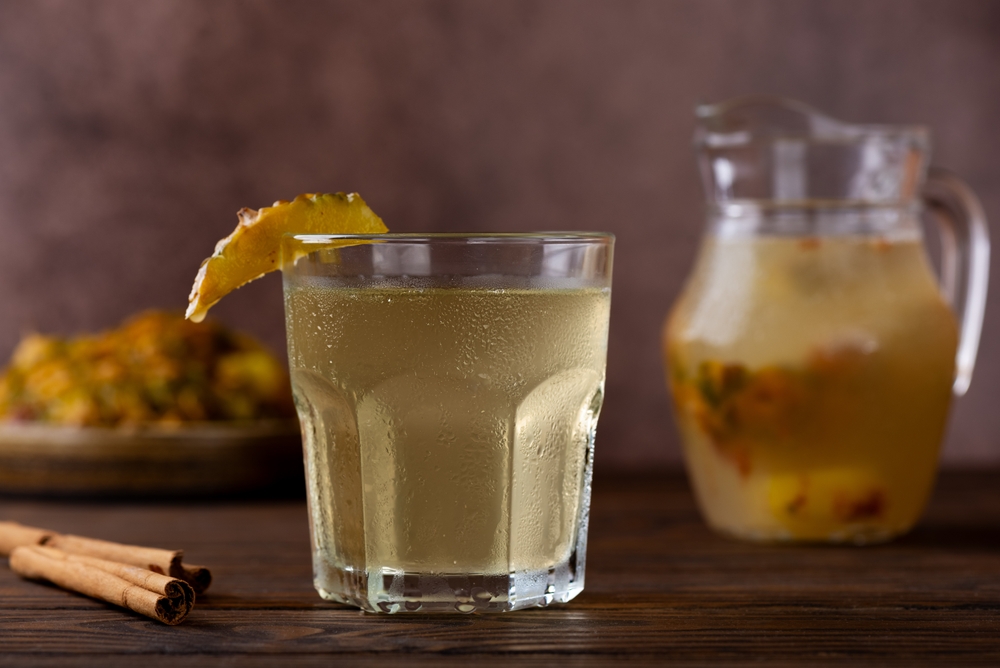
Probiotic drinks like kefir and kombucha can provide beneficial bacteria that support a healthy balance between good and harmful microbes. Regular consumption of these drinks may contribute to maintaining a stable vaginal environment.
Supplements That May Help

While a balanced diet is the best foundation, supplements can sometimes help fill nutritional gaps. Probiotic supplements containing Lactobacillus may support healthy vaginal bacteria and reduce harmful microbes. Fish oil, rich in omega-3 fatty acids, may help with vaginal lubrication and bacterial balance. Vitamin C can support an acidic environment that discourages harmful bacteria, while vitamin D supports immune health, especially in those who are deficient. Vitamin E may also be beneficial, particularly for individuals experiencing vaginal dryness during menopause. It’s always important to consult a healthcare provider before starting any supplement.
Foods That Can Disrupt Vaginal Health

Certain foods can negatively affect vaginal pH and bacterial balance. Diets high in sugar, fried foods, processed items, refined grains like white bread and white rice, and excessive red meat may increase the risk of infections. These foods can promote inflammation and create an environment where harmful bacteria thrive.
Can Food Affect Vaginal Odor?
Yes, what you eat can influence your body’s natural scent, including vaginal odor. Foods such as garlic, fish, coffee, alcohol, and spicy dishes may alter odor temporarily. While these changes are usually harmless, maintaining a balanced diet can help keep things more neutral and fresh.
Everyday Habits That Support Vaginal Health
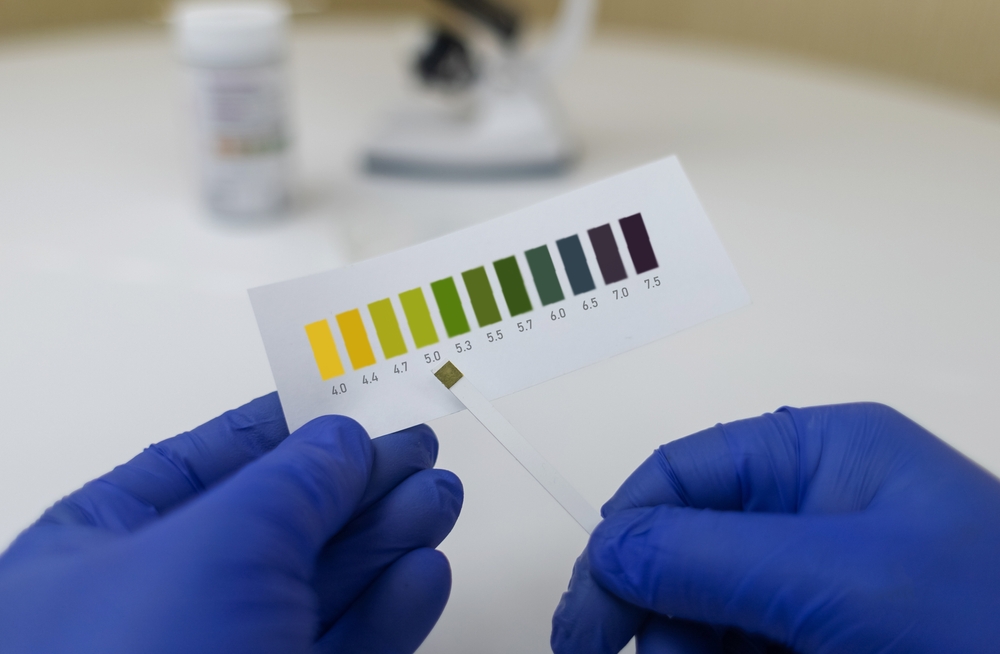
In addition to diet, maintaining good hygiene and daily habits is essential for vaginal health. Avoid using scented products in the vaginal area, as they can disrupt natural balance. Douching should also be avoided because it removes beneficial bacteria. Wearing breathable cotton underwear, practicing safe sex, and maintaining proper hygiene, such as wiping from front to back, can further reduce the risk of infections.
When to See a Healthcare Provider
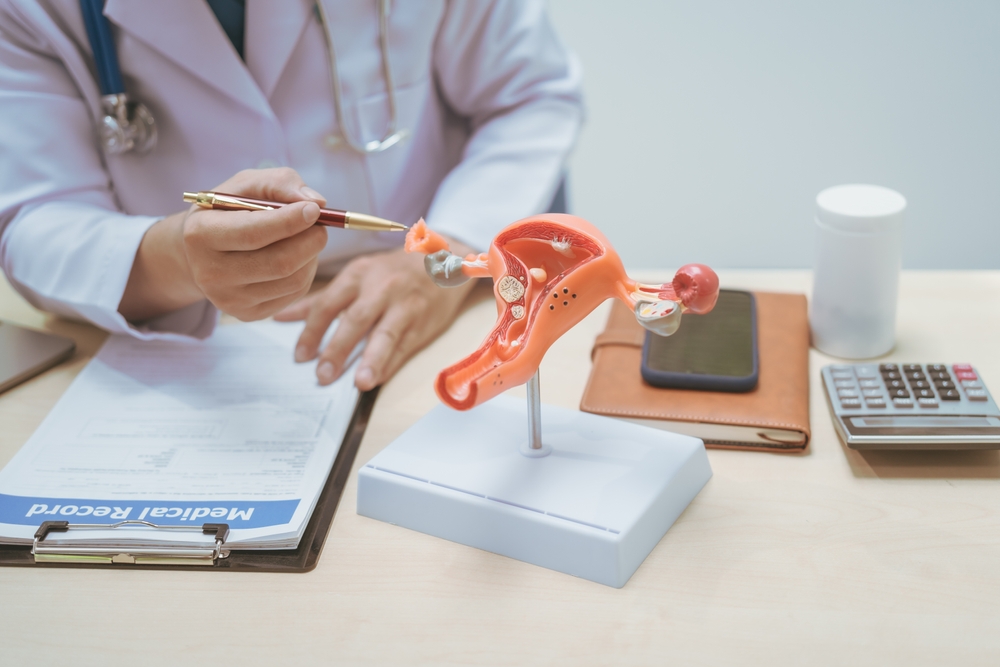
It’s important to listen to your body and seek medical advice if you notice unusual symptoms. Signs such as abnormal discharge, persistent itching, burning sensations, pain during urination, unusual odor, or unexpected bleeding should not be ignored. These symptoms may indicate infections or other health concerns that require proper diagnosis and treatment.
Vaginal health is closely linked to your overall well-being, and your diet plays a major role in maintaining that balance. By choosing nutrient-rich foods, staying hydrated, and supporting your body with healthy habits, you can naturally promote comfort, confidence, and long-term health. Small, mindful changes today can make a lasting difference in how you feel tomorrow.