You push through a brutal workout, eat clean, and sleep eight hours, yet your strength progress stalls, your energy lags, and your drive feels stuck in low gear. It is maddening to put in the effort only to feel like your body’s internal engine is running on low voltage.
When performance drops, most people immediately search for flashy synthetic supplements or aggressive hormone hacks.
Yet the real bottleneck is often remarkably simple: a shortage of a single, humble mineral. Zinc serves as the master key for your endocrine system, and without enough of it, your body simply cannot synthesize testosterone efficiently. Instead of buying expensive test-boosters in plastic tubs, you can restore your biological edge straight from the grocery store aisle.
The Biological Catalyst for Male Energy
Your pituitary gland requires zinc to release luteinizing hormone, the chemical messenger that signals your testes to produce testosterone. When zinc levels drop—even slightly—testosterone production slows down dramatically.
Sweat is a major culprit. Heavy training sessions drain your body’s zinc reserves through perspiration, making active individuals particularly vulnerable to silent deficiencies. Replenishing this crucial mineral through whole foods does not just support baseline hormone creation; it also inhibits aromatase, an enzyme that converts precious free testosterone into estrogen. Adequate zinc intake keeps your anabolic baseline protected, fuels recovery, and maintains healthy immune function under heavy exercise loads.
Heavyweight Whole-Food Zinc Sources
To keep your endocrine system firing at full capacity, build your weekly grocery list around these zinc-rich staples:
- Oysters (The Undisputed King): A single serving of oysters delivers over 300% of your daily zinc requirement. They are the most potent natural hormone-supporting food on the planet.
- Grass-Fed Beef & Bison: Red meat provides highly bioavailable heme zinc alongside iron and saturated fats—the exact cholesterol building blocks needed for steroid hormone synthesis.
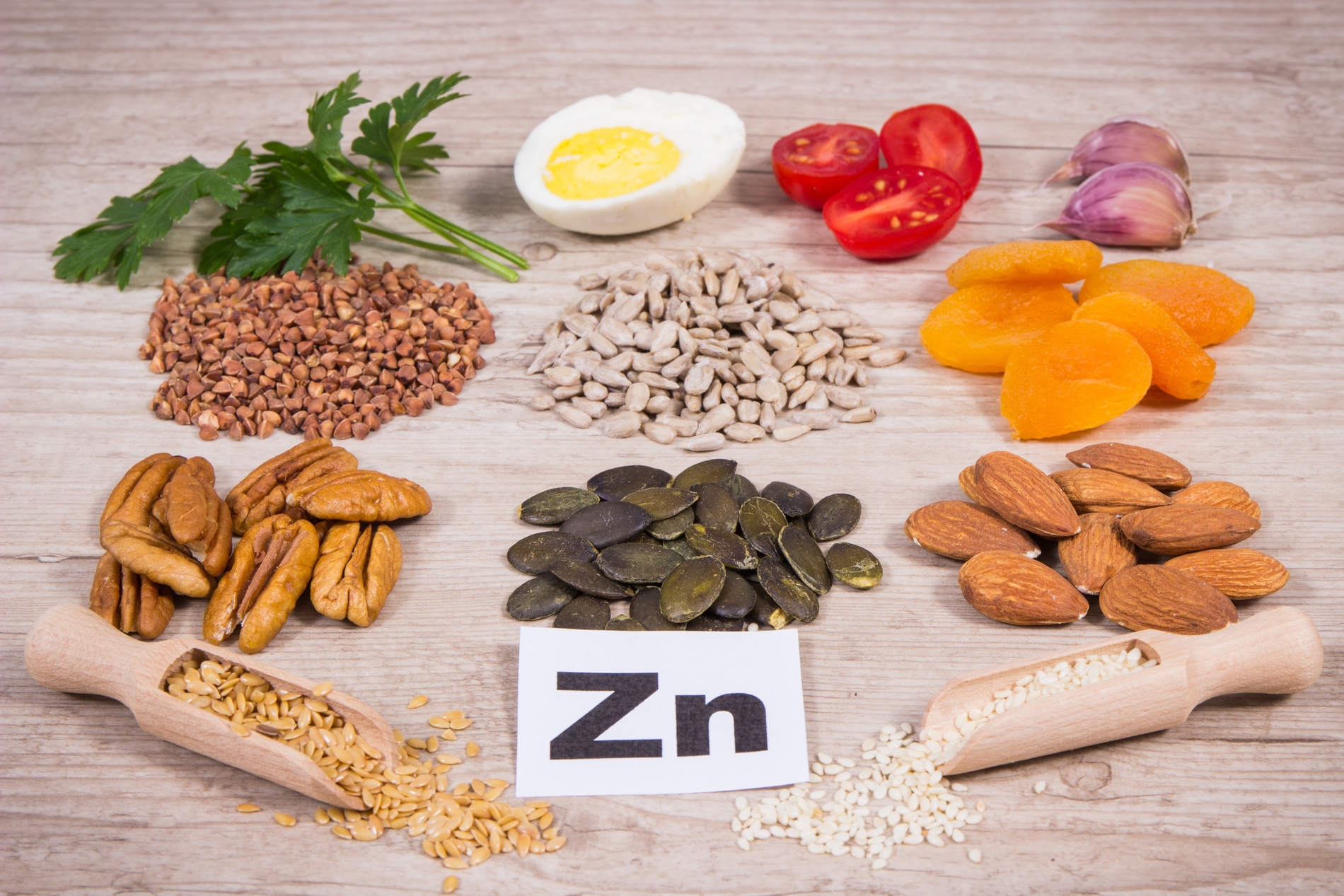
- Pumpkin Seeds (Pepitas): A fantastic plant-based source that packs roughly 2 to 3 mg of zinc per handful, along with healthy magnesium to support sleep quality.
- Lentils & Chickpeas: Legumes offer a steady hit of zinc paired with complex carbohydrates that help manage cortisol levels after intense workouts.
Pro-Tip: Mind the phytates in plant sources. Grains, nuts, and seeds contain phytic acid, which binds to minerals like zinc and reduces their absorption in your gut. Soaking, sprouting, or lightly roasting your pumpkin seeds and legumes breaks down these antinutrients, allowing your body to absorb significantly more zinc per serving.
Your First Step: The 24-Hour Upgrade
You do not need an entire pantry overhaul to start supporting your endocrine system. Let’s make one strategic upgrade over the next 24 hours.
At dinner tomorrow night: Replace lean white poultry with a 200 g cut of grass-fed sirloin steak or bison, paired with a generous side of roasted asparagus. If you prefer plant-based eating, toss a quarter-cup of sprouted pumpkin seeds over a leafy green salad. This single meal delivers a massive hit of bioavailable zinc to safeguard your hormone levels while you sleep.