
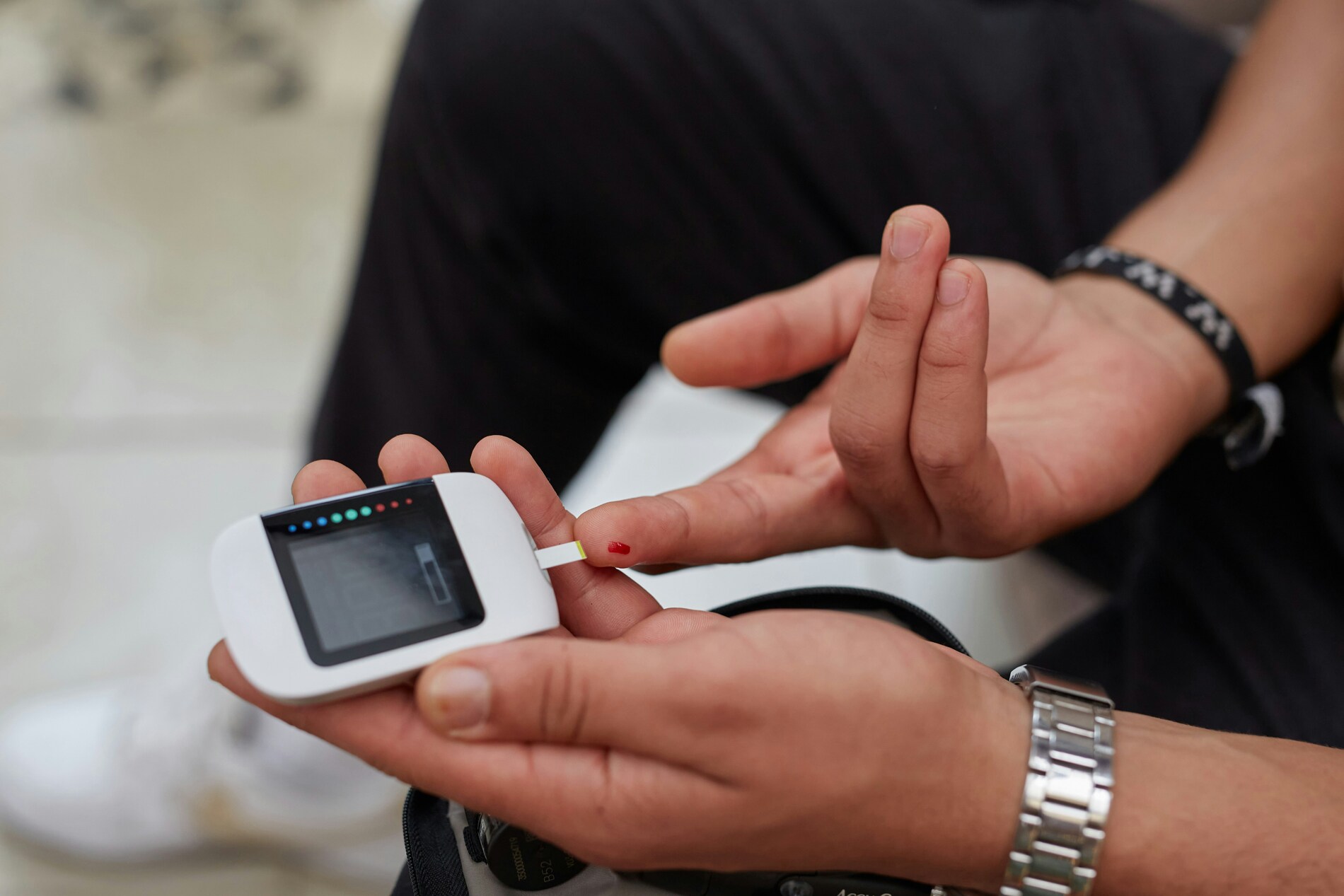
You slide a small, flexible sensor onto the back of your upper arm, press the applicator until it clicks, and pull up an app on your phone. Within seconds, a live graph maps your blood glucose line in real time, tracking every milligram per deciliter as your body processes lunch.
It feels like having an invisible dashboard for your metabolic health.
Continuous Glucose Monitors (CGMs) were engineered for diabetes management, but non-diabetics are rapidly adopting them to pull back the curtain on individual metabolic responses. Because two people can eat the exact same meal and experience completely different blood sugar curves, a CGM turns generic dietary advice into personalized bio-data, showing you precisely how your unique central nervous system, gut microbiome, and stress levels handle your fuel.
The Neurological Logic of Glucose Dynamics
When you consume carbohydrates, your digestive system breaks them down into glucose, releasing it into your bloodstream. Your pancreas responds by secreting insulin—the hormone responsible for shuttling glucose out of the blood and into your cells for immediate energy or long-term storage.
When non-diabetics experience frequent, dramatic glucose spikes, the subsequent insulin surge often overshoots the target, crashing blood sugar below baseline. This reactive hypoglycemia is the hidden culprit behind mid-afternoon brain fog, intense sugar cravings, and sudden fatigue. By monitoring your real-time glucose dynamics, you can smooth out those erratic spikes and valleys, protecting your vascular walls from oxidative stress and maintaining steady cognitive output throughout the day.
Strategic CGM Tracking Protocols
To extract actionable data from your sensor without developing unnecessary obsession over minor micro-fluctuations, follow these four evaluation rules:
- Evaluate the Spike Window: Track your blood sugar 60 to 90 minutes after your first bite. Aim to keep post-meal glucose spikes below 140 mg/dL, with a smooth return to your baseline within two hours.
- Assess Food Sequencing: Test the power of food order on your line. Eat your fiber-dense greens and protein first, saving complex carbohydrates for last; this simple physical buffer slows stomach emptying and flattens your glucose curve.
- Log the “Stress Spikes”: Notice when your blood sugar rises without any food input. High-stress meetings, poor sleep, or intense intense arguments trigger cortisol and adrenaline release, prompting your liver to dump stored glycogen directly into your bloodstream.
- Measure Post-Meal Locomotion: Take a 10-minute walk immediately after finishing a high-carb meal. Engaging your large skeletal muscles acts as a glucose sink, pulling sugar directly out of your blood without requiring extra insulin.
Pro-Tip: Don’t panic over transient glucose spikes caused by heavy lifting or sprint workouts. Intense exercise triggers a natural, healthy epinephrine release that prompts your liver to release glucose for fast energy. This temporary exertion-based spike is physically beneficial and completely different from a sluggish, diet-induced sugar crash.
Your First Step: The 24-Hour Upgrade
You do not need an active sensor stuck to your arm today to start flattening your metabolic curve. Let’s run a simple food-sequencing experiment over the next 24 hours.
At your next major meal: Do not alter what you eat, but change how you eat it. Eat your green vegetables or salad first, follow with your lean protein, and save your rice, potatoes, or bread for the absolute end of the meal. Notice how much more stable your physical energy remains two hours later, eliminating the traditional mid-afternoon slump without cutting out your favorite carbs.