You crank out twenty clean bodyweight dips, hop off the parallel bars, and feel… pretty much nothing. Sure, your triceps have a decent pump, and your shoulders feel warm.
Once you cross the 15-rep mark on bodyweight dips and chin-ups, you’ve officially left the strength-building zone and wandered into cardio territory. Grinding through sets of thirty reps might build great muscular endurance, but it won’t pack dense muscle onto your frame or push your raw pressing power upward.
Strapping iron to your waist changes the math completely.
Why Iron Beats Endless Reps
Muscles grow and get stronger for one main reason: mechanical tension. Your body doesn’t care how much you sweat; it only adapts when forced to move heavy loads against gravity.
Weighted dips and chin-ups are arguably the best upper-body compound lifts you can do outside of a barbell rack. Because your body moves freely through space rather than lying pinned against a padded bench, your shoulder blades glide naturally. That freedom spares your rotator cuffs while recruiting massive amounts of chest, back, bicep, and tricep fibers. Adding external weight drops you right back into that sweet spot of 5 to 8 heavy reps—where real strength lives.
The Progressive Overload Blueprint
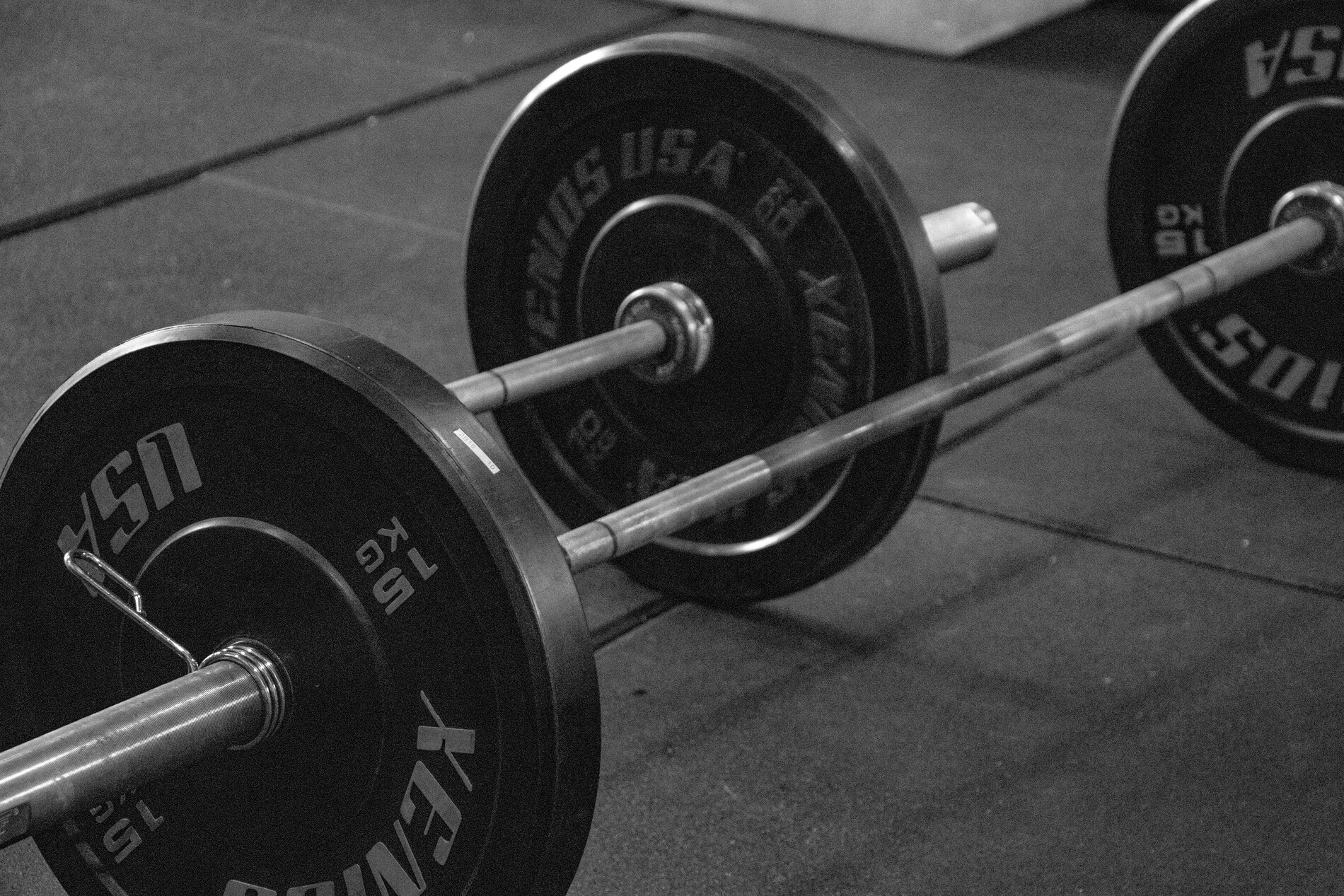
Skip the awkward dumbbell squeezed between your ankles. Grab a proper dip belt, load up some plates, and run this simple progression:
- Earn your right to load: Before adding a single gram of extra weight, make sure you can knock out 12 strict bodyweight dips and 10 dead-hang chin-ups with zero kipping or leg swing.
- Use the double-progression rule: Pick a weight that lets you hit 3 sets of 5 clean reps. Stick with that exact load each week until you can comfortably hit 3 sets of 8 reps. Once you clear 8 across all sets, add 2.5 kg to the belt and drop back down to 5 reps.
- Own the bottom position: Pause for a full second at the bottom of every chin-up with your arms completely straight. On dips, lower yourself until your shoulders dip just below your elbows—provided your joints feel pain-free.
- Rest like you mean it: Heavy compound lifts tax your central nervous system hard. Take a full 2.5 to 3 minutes between sets so you aren’t rushing into your next effort half-recovered.
Pro-Tip: Let the weight plates hang slightly forward between your thighs rather than swinging behind your calves. Keeping that center of gravity directly under your torso stops your lower back from arching and keeps the tension locked right onto your lats and pecs.
Your First Step
You don’t need a complicated 12-week spreadsheet to start moving heavy iron. Run a quick baseline test over the next 24 hours.
During your next upper-body session: Clip a light 5 kg plate onto a dip belt—or hold a light dumbbell securely between your feet—and perform just two controlled sets of 5 reps on both dips and chin-ups. Pay attention to how crisp your form feels when every single rep demands your undivided focus.