One of those annoying skin issues that practically everyone encounters from time to time is chapped lips. Cheilitis is the medical term for the condition that makes your lips dry, flaky, cracked, itchy, or even swollen. Your lips, as well as the surrounding skin and border, may be affected. Other triggers, such as product irritation or certain habits, can prevent your lips from healing, even though environmental factors, such as weather changes, are a major cause. The good news? You can preserve and return your lips to their hydrated, healthy state with a few easy adjustments. These 11 professional suggestions will help you effectively treat and avoid chapped lips.
1. Select Lip Balms with Proven Moisturizers
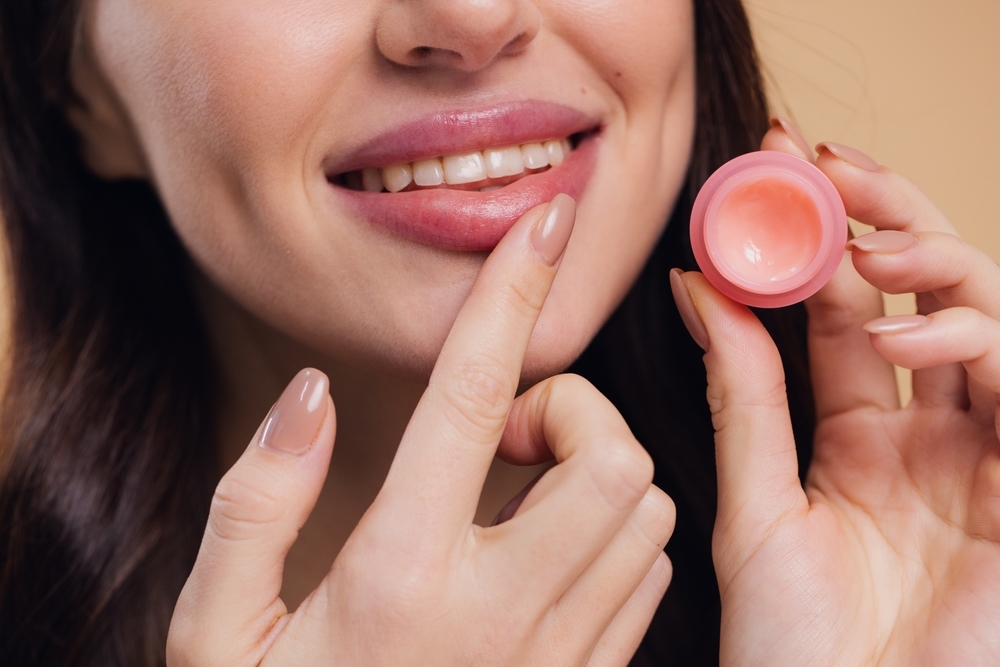
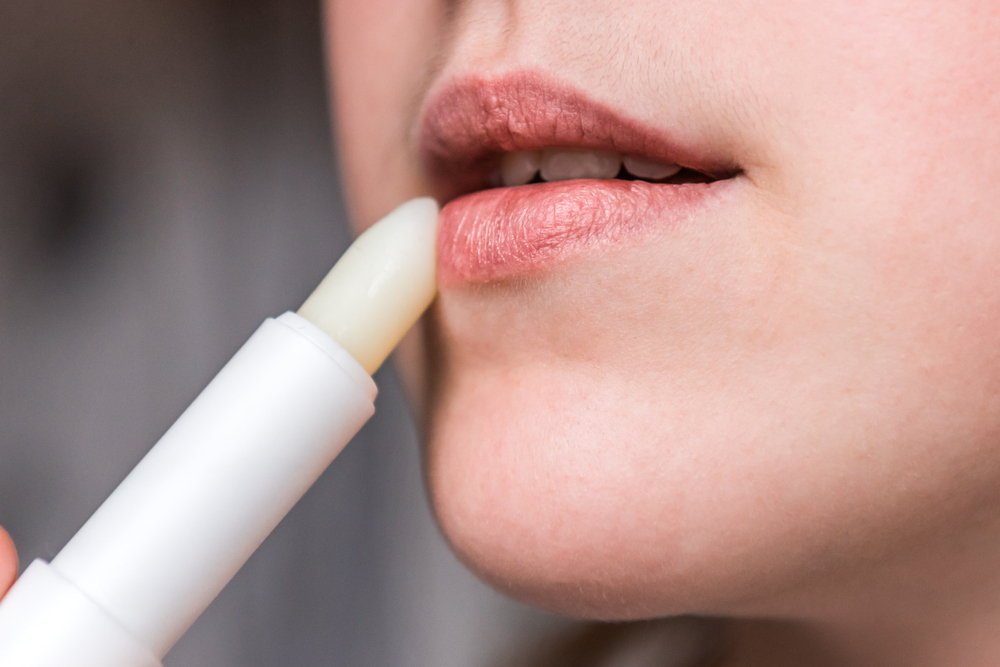
Your healing process may or may not be impacted by the lip balm you select. Despite their soothing appearance, many drugstore balms contain ingredients that gradually exacerbate dryness. Salicylic acid, eucalyptus, camphor, menthol, and additional flavors or fragrances can irritate skin and lead to a vicious cycle of dependence. Rather, dermatologists advise searching for balms that contain hydrating and protective ingredients such as dimethicone, shea butter, ceramides, and petrolatum. These aid in moisture retention and skin barrier support without causing sensitivity.
2. Avoid Lip Products That Tingle or Taste Too Good
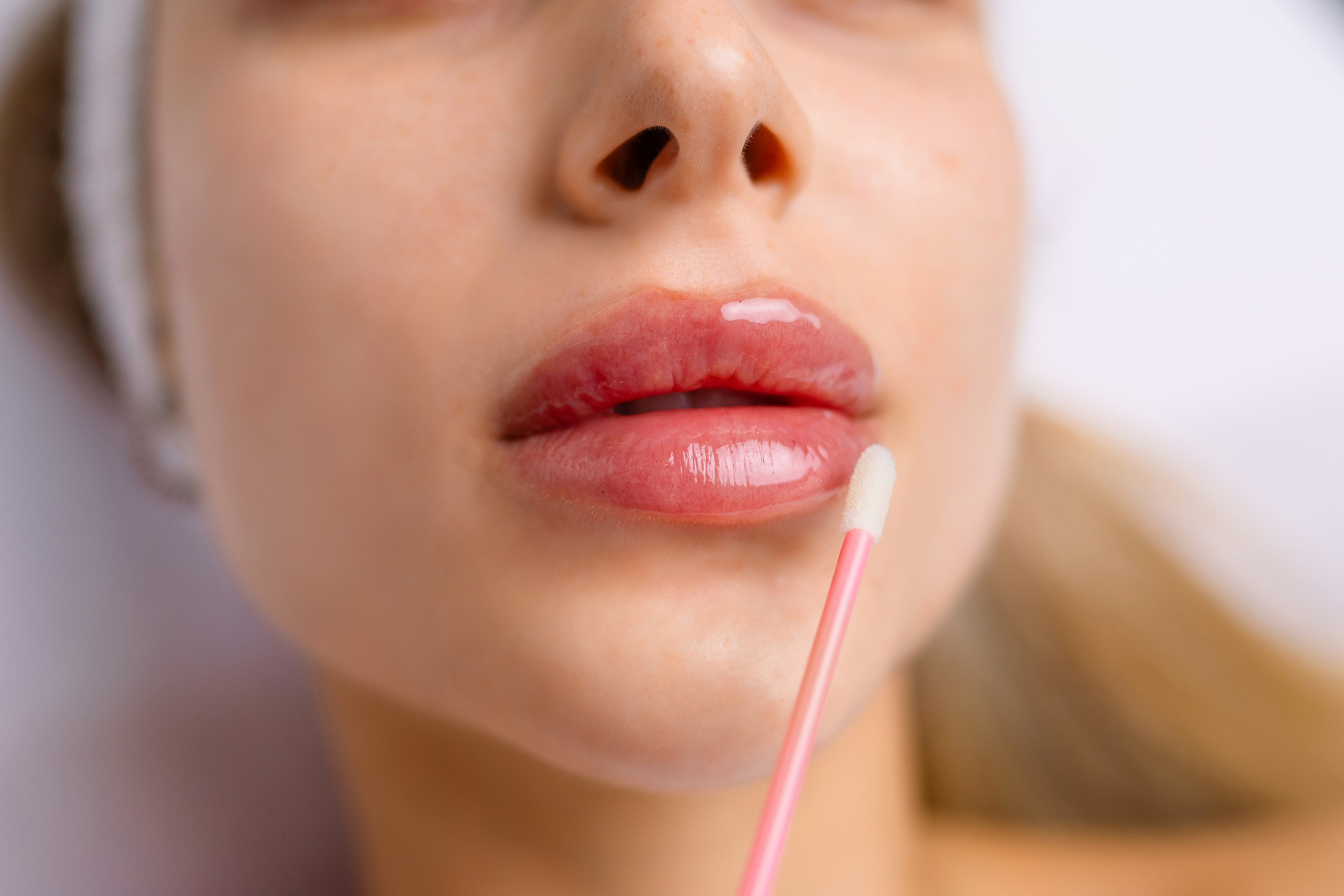
Although it may feel good at first, the cooling or tingling sensation that some lip products provide is frequently a warning sign. Even seemingly innocuous ingredients like menthol, peppermint oil, or artificial flavors can irritate skin. Dermatologists say that your balm might be making the issue worse if it stings or has a strong taste or smell. As a general rule, your lip balm should calm and soothe your lips rather than irritate them.
3. Use Petrolatum-Based Ointments for Maximum Hydration
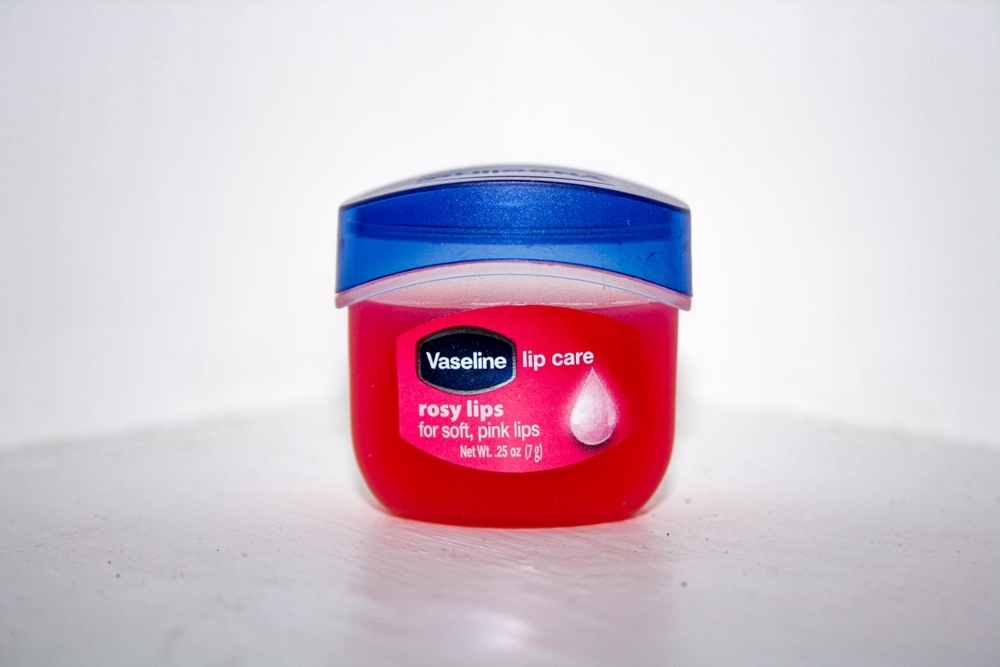
Petroleum-based products are difficult to beat in terms of ease of use and efficacy. These ointments create a barrier that protects the lips from environmental aggressors and keeps moisture in. Dermatologists recommend products like Vaseline Lip Therapy Advanced Healing and Aquaphor Healing Ointment to treat dry or cracked lips. They are inexpensive, fragrance-free, and perfect for daytime and evening use. These occlusives can significantly improve lip hydration whether applied from a tub or a tube.
4. Try the Lip Slugging Method Overnight
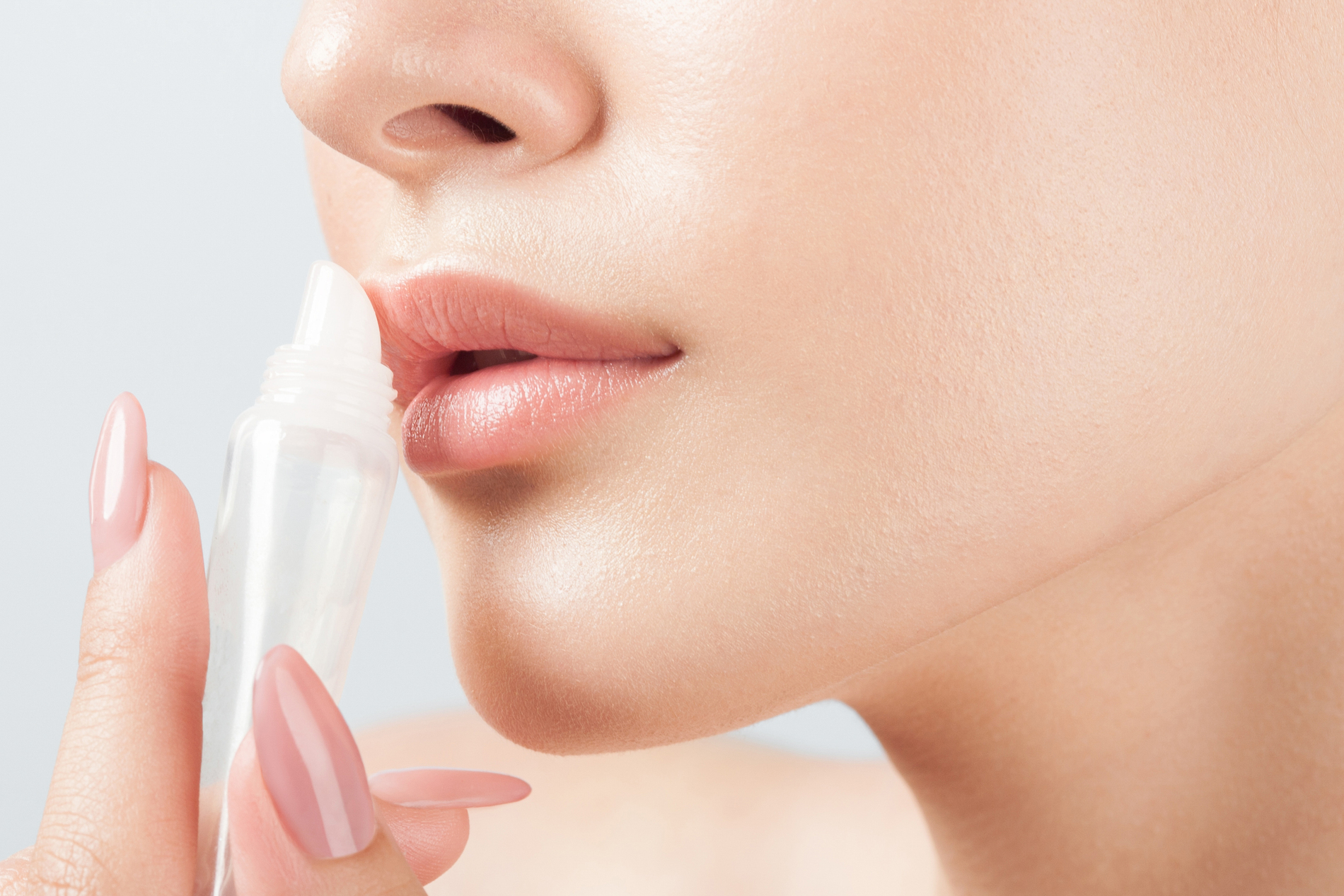
Applying a thick, occlusive product over a moisturizer to seal in hydration is known as “slugging” and is a popular skincare trend. This method can hasten healing overnight when applied to the lips. Just apply a thin layer of hyaluronic acid or a hydrating lip serum first, and then a layer of petroleum-based makeup like Vaseline or Aquaphor to seal it in. By retaining moisture while you sleep, the thick barrier makes your lips softer and smoother in the morning. It works particularly well for lips that are extremely dry or peeling.
5. Protect Your Lips with SPF During the Day
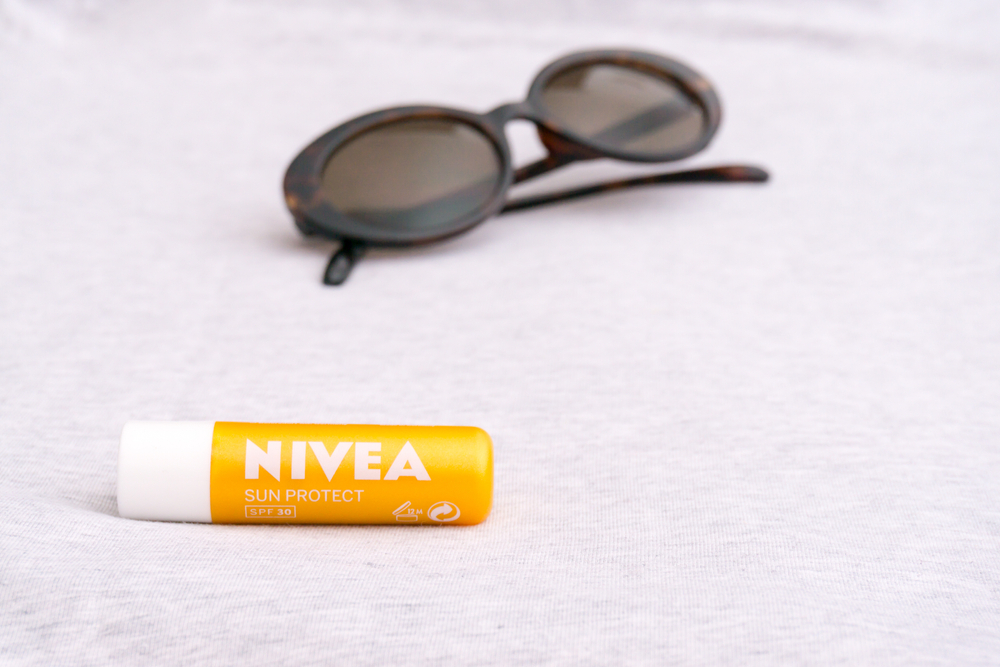
Sun damage can dry out your lips and even cause serious conditions like actinic cheilitis, a precancerous change brought on by prolonged exposure to UV light. For this reason, SPF protection for your lips is equally as crucial as it is for your face. Dermatologists advise applying a lip balm with a minimum SPF of 30, ideally one that contains broad-spectrum and mineral-based ingredients. Products like Sun Bum Mineral SPF 30 Lip Balm and EltaMD UV Lip Balm SPF 36 provide both hydration and sun protection.
6. Use a Humidifier Indoors to Add Moisture to the Air

Dry air in your house can dehydrate your skin, including your lips, especially during the winter or in houses with forced air heating. You can restore the necessary moisture to your workspace or bedroom by running a humidifier. This enhances the general comfort of your skin in addition to helping your lips stay hydrated. For optimal effects, try to keep indoor humidity levels between 40 and 50 percent.
7. Avoid Licking Your Lips
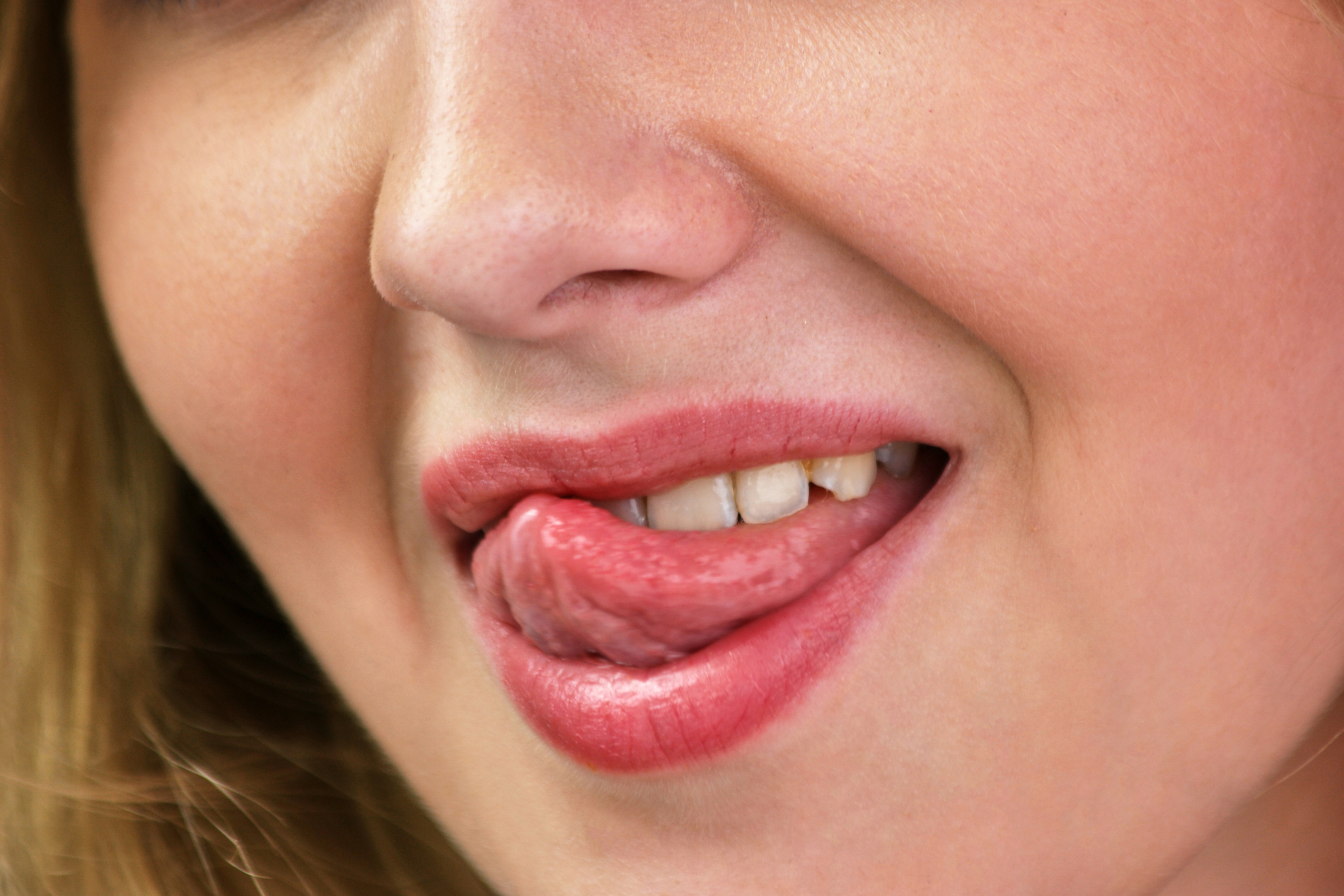
When your lips feel dry, licking them may seem like a quick fix, but it actually makes the situation worse. Lips become even more parched as a result of saliva’s rapid evaporation, which removes moisture from the skin. Enzymes found in saliva can also degrade sensitive lip tissue. Whenever your lips feel dry, use a calming balm instead of licking. By doing this, the cycle will be broken and your lips will be able to keep the moisture they require to recover.
8. Don’t Peel or Bite Flaky Skin
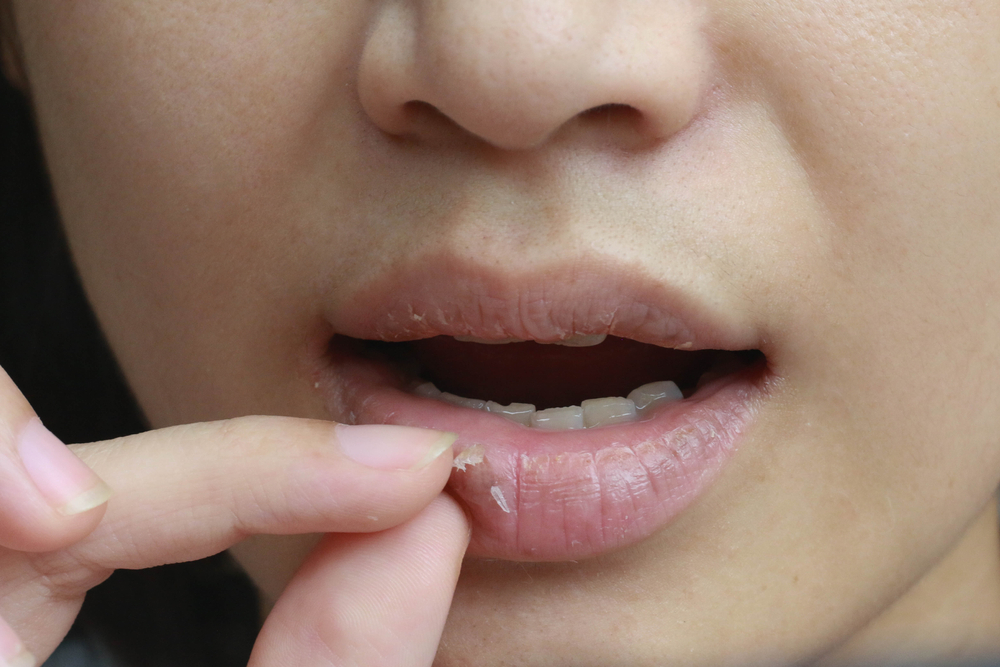
Additional harm, such as excruciating cracks and even bleeding, may result from peeling or biting the dry skin off your lips. You run a higher risk of irritation or infection if you expose the new skin underneath before it’s ready. Rather, concentrate on regularly moisturizing and allowing the dead skin to fall off on its own. Wait until your lips are completely healed before exfoliating, and use a gentle cloth and warm water only—never a harsh scrub.
9. Skip Lip Scrubs While Lips Are Chapped
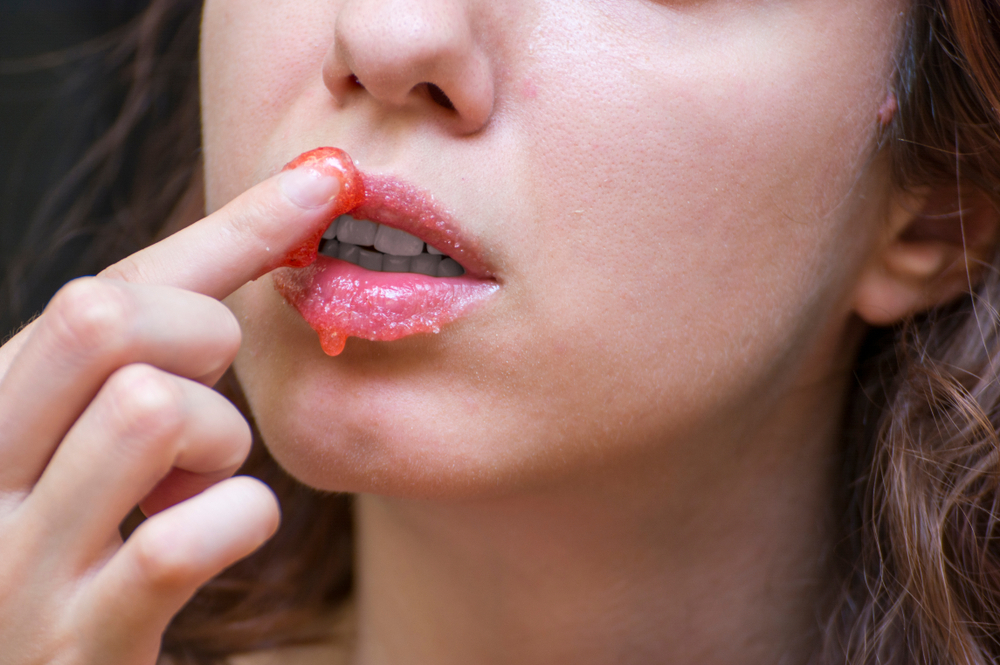
Although lip scrubs might seem like a good way to deal with flakiness, they can actually make the condition worse when active chapping is occurring. Dead skin can be scrubbed away, removing protective layers and delaying healing. Until your lips are completely hydrated and healthy again, the majority of dermatologists advise against exfoliating at all. Hydration is crucial during flare-ups, but mild exfoliation can be beneficial for maintenance after the condition has healed.
10. Use Gentle Removers for Lipstick
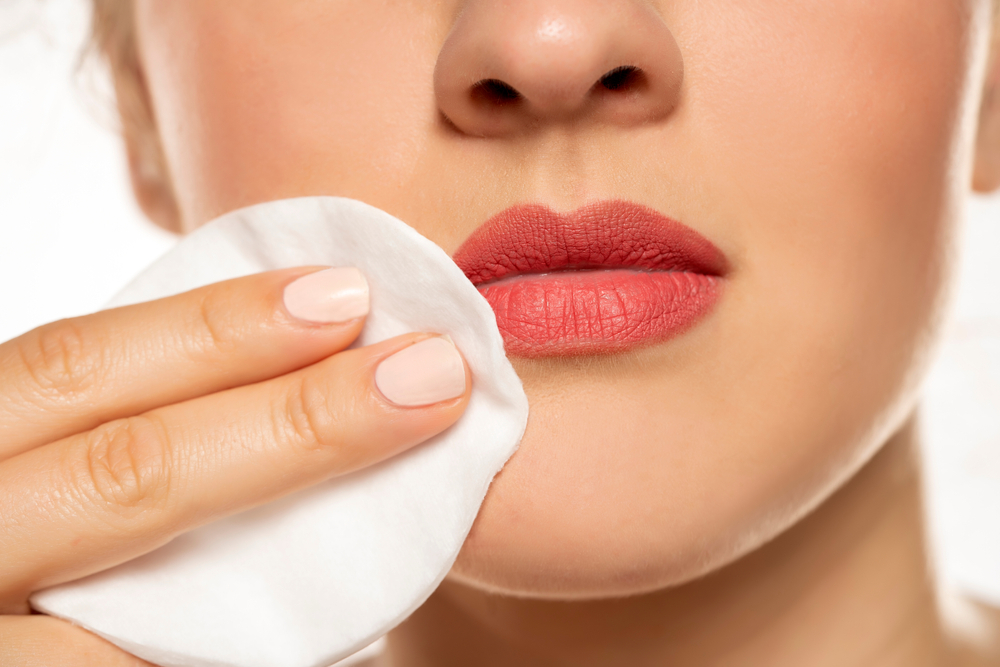
Although matte and long-wear lipsticks are well-liked for their durability, they frequently include drying ingredients that can aggravate lips that are already sensitive. The skin will only become more stressed if you scrub them off at the end of the day. To remove makeup without rubbing, use an oil-based cleanser or a mild, non-irritating remover like micellar water. Micellar water, like Dickinson’s Micellar Witch Hazel, is recommended by dermatologists for its mild yet efficient cleansing qualities.
11. Consult a Dermatologist for Persistent Symptoms
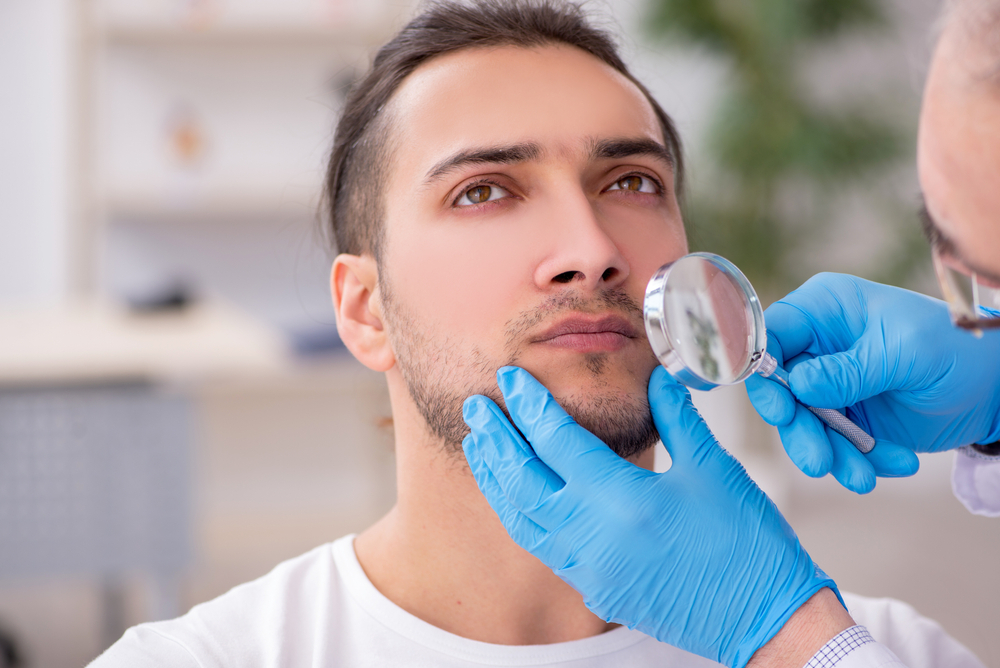
It’s time to consult a dermatologist if, despite using protective products and maintaining healthy habits, your lips are persistently dry, cracked, or discolored. Prolonged chapping may indicate more serious conditions like vitamin deficiencies, yeast infections, allergic contact dermatitis, or actinic cheilitis, a sun-induced precancerous condition. Whether it’s a prescription cream or additional testing, a dermatologist can assist in determining the underlying cause and suggest the best course of action.
Although they are common, chapped lips don’t have to last all the time. You can safeguard your lips and maintain their softness, health, and smoothness throughout the year by selecting mild yet efficient products and making a few small lifestyle changes. Little things can make a big difference, like protecting your lips from the sun or staying away from irritating substances. And don’t be afraid to seek professional advice if nothing seems to work. Like the rest of your skin, your lips should receive the same level of care and attention.