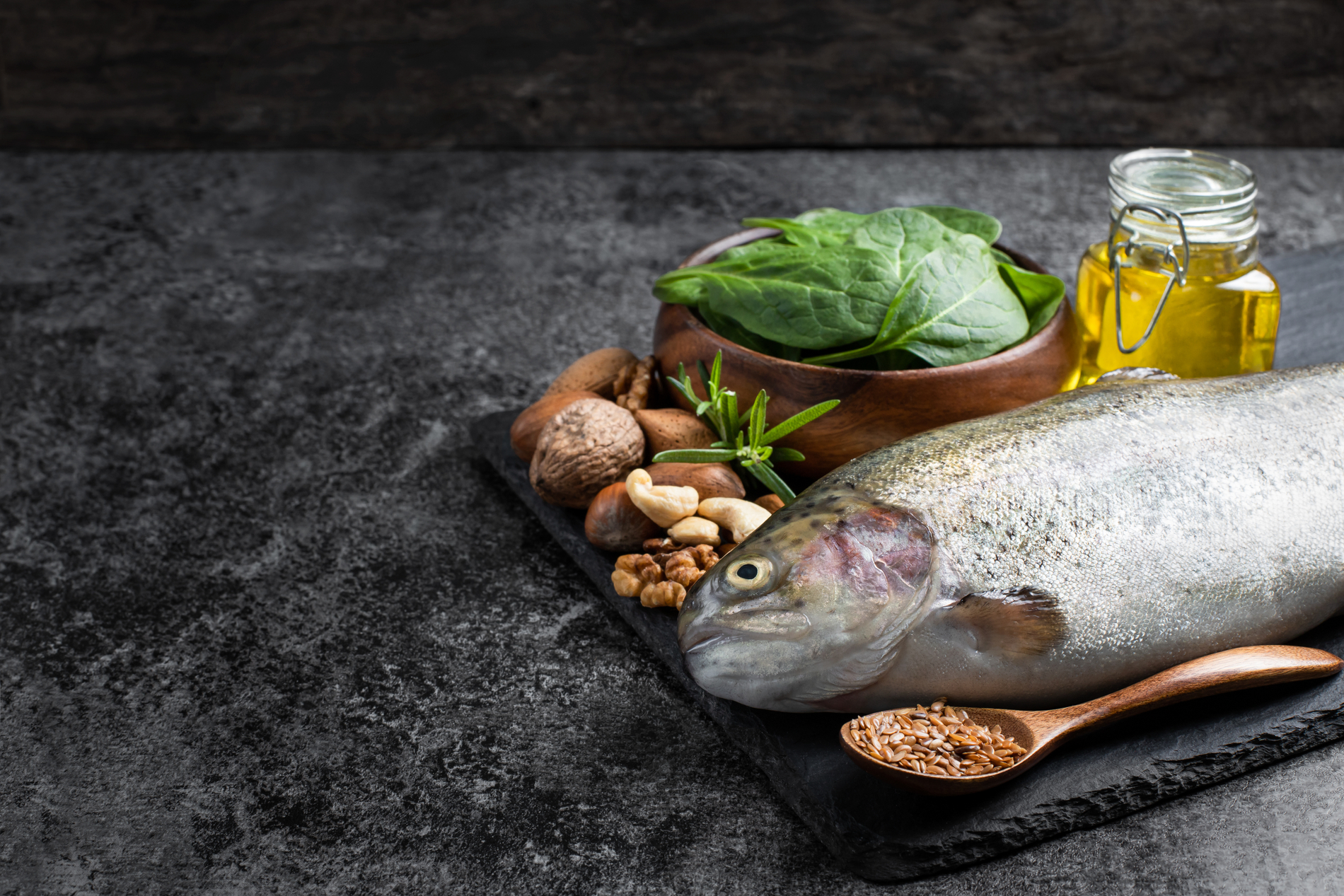
You load up your lunch plate with a crisp spinach salad, a handful of walnuts, and a generous drizzle of sunflower oil dressing, confident you’ve just served your body a heart-healthy masterpiece. You take a bite, feeling like the absolute picture of clean eating.
Then, two hours later, your joints feel stiff, your digestion feels heavy, and your baseline energy dips.
While the wellness world preaches the gospel of “healthy fats,” it often overlooks the biological delicate dance happening inside your blood vessels. Fat isn’t just fuel; it is a direct signaling system for your immune system. The real key to long-term cardiovascular health isn’t just eating good fats—it is balancing the delicate scale between Omega-3 and Omega-6 fatty acids.
The Evolutionary Tug-of-War
Both Omega-3 and Omega-6 are essential polyunsaturated fatty acids, meaning your body cannot manufacture them on its own. They share the exact same cellular pathways, but they tell your body to do completely opposite things.
Omega-6 fatty acids are pro-inflammatory path-breakers. They trigger localized inflammation, thicken your blood, and constrict blood vessels—vital survival responses when you need to heal a physical wound or fight off an infection. Omega-3 fatty acids do the inverse: they cool down systemic inflammation, thin the blood to prevent clots, and dilate your arteries to maintain optimal circulation.
Our evolutionary ancestors ate an Omega-6 to Omega-3 ratio of roughly 1:1. Today, thanks to ultra-processed ingredients, the average Western diet sits at a staggering 16:1. This massive tilt leaves your vascular system in a perpetual state of low-grade, internal irritation.
How to Balance the Fatty Acid Scale
To bring your cardiovascular ratio back into balance, focus on trimming hidden sources while making high-output additions:
- Slash the Hidden Seed Oils: Audit your pantry and eliminate ultra-processed cooking oils like soybean, corn, cottonseed, and sunflower oil, which are densely packed with Omega-6s.
- Prioritize Wild Marine Sources: Eat fatty fish like wild salmon, sardines, mackerel, or anchovies at least twice a week. They deliver direct, highly bioavailable doses of EPA and DHA Omega-3s.
- Anchor with Monounsaturated Alternatives: Swap high-Omega-6 vegetable oils for heat-stable, neutral options like cold-pressed extra virgin olive oil or avocado oil.
- Incorporate Algae or Plant Anchors: If you eat a plant-based diet, add chia seeds, flaxseeds, and walnuts to your morning meals, or take an algae-based DHA supplement to protect your vessel walls.
Pro-Tip: Check your salad dressings. Even high-end, organic pre-made dressings frequently use cheap soybean or canola oil as their main liquid base. Make your own quick dressing by whisking three parts extra virgin olive oil with one part fresh lemon juice or balsamic vinegar to keep your ratio clean.
Your First Step: The 24-Hour Upgrade
You do not need to throw away every bottle in your kitchen to start restoring your vascular equilibrium. Let’s make a single, targeted modification over the next 24 hours.
At your next meal: Open your refrigerator or pantry and replace refined seed oils with a generous pour of extra virgin olive oil. Pair it with a portion of wild-caught salmon or a tablespoon of ground flaxseeds. This simple adjustment halts the flood of pro-inflammatory signals and gives your cardiovascular system the immediate, cooling protection it needs.