
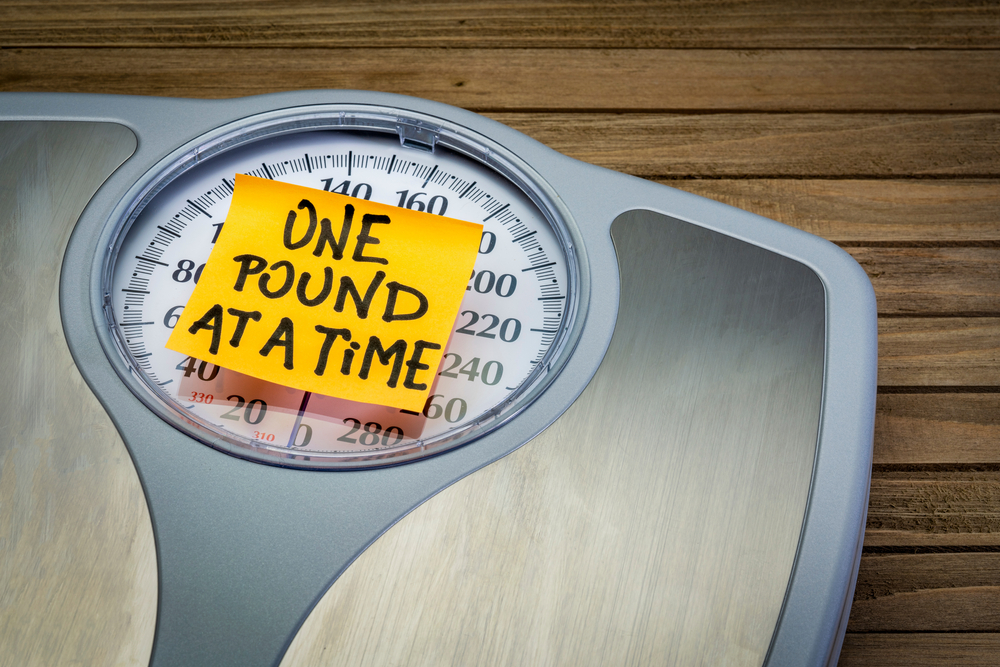
Want to lose a single pound? Losing a pound is a reasonable and inspiring goal, regardless of whether you’re just starting out or are attempting to maintain your weight loss progress. It isn’t ostentatious, but it is feasible and grounded in science. The foundation of any effective weight loss program, diet, or exercise regimen is the same: you’re burning more calories than you’re taking in. Let’s dissect that idea and investigate practical, sustainable, and healthful ways to accomplish it.
1. Why One Pound Matters

One pound of fat is equivalent to 3,500 calories, as you have undoubtedly heard. Therefore, you should lose a pound if you cut back on your daily caloric intake by 500 for a week. Although it’s a helpful rule, it’s not always that simple. Your body is always changing. Your hunger hormones may change to make you feel more hungry as you lose weight because your metabolism slows down to save energy. This implies that, particularly over time, your calorie deficit may need to be greater than anticipated. However, setting a goal of one pound is a terrific way to gradually make healthy changes without going overboard.
2. Start With Your Baseline: Know Your Burn

Knowing how many calories you’re burning at the moment will help you make calorie cuts. A BMR (Basal Metabolic Rate) calculator can help with that. Based on your height, weight, age, and sex, it calculates how many calories your body uses while at rest. Your Total Daily Energy Expenditure (TDEE), or the number of calories your body requires to maintain its current weight, is calculated by adding your level of daily activity. This provides you with a reasonable place to start. After that, you can begin reducing your caloric intake by diet, exercise, or a combination of the two.
3. Create a Calorie Deficit the Smart Way

Many people strive for a 500-calorie daily deficit in order to lose one pound in a week. Eating less, exercising more, or doing both can help you achieve this. For example, you could burn an additional 250 calories through physical activity and reduce the remaining 250 calories from your meals. Even though the math makes sense, don’t give up if it takes a little longer to get results. Hormones, hydration, and other factors cause weight fluctuations every day. More important than accuracy is consistency.
4. Why It’s Not Just About the Calories

Calories are important, but so are the sources of those calories. Eating 1,200 calories of junk food will definitely make you feel lethargic, cause you to lose muscle, and probably cause you to gain it all back. Lean proteins, fruits, vegetables, whole grains, and healthy fats are nutrient-dense foods that promote muscle maintenance and help you feel fuller for longer. Furthermore, even though the calories in whole foods are the same as those in ultra processed foods, your body reacts differently to the former.
5. Prioritize Protein and Fiber
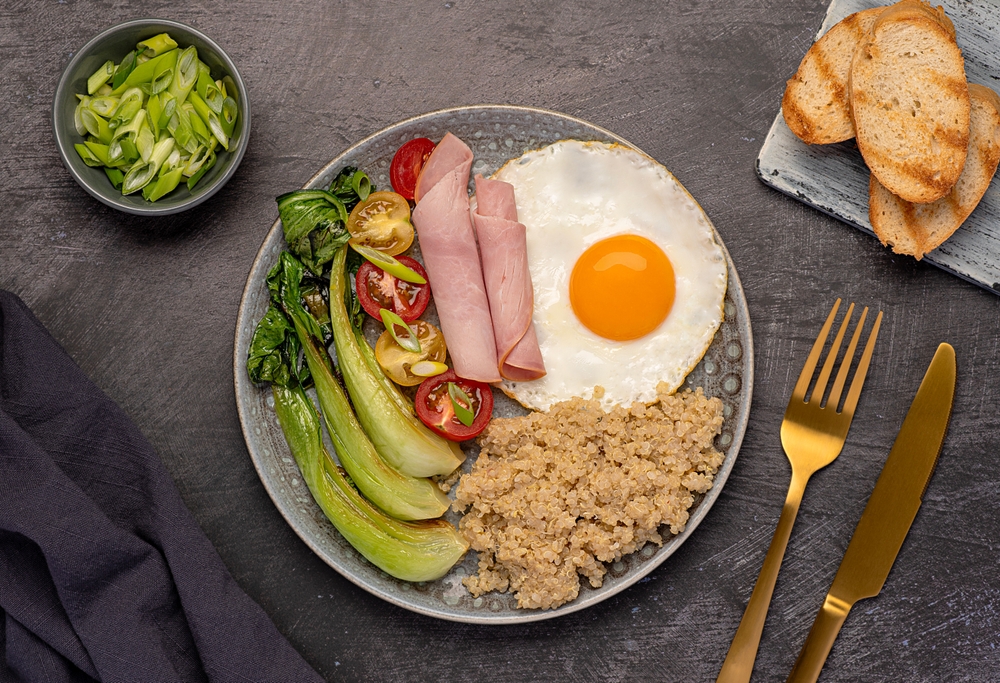
One of the most effective foods for losing weight is protein. It keeps you feeling full, helps you retain muscle, and even burns a few extra calories while you’re digesting. About 1.2 to 1.6 grams of protein per kilogram of body weight is ideal for most weight-loss efforts. Accordingly, a person weighing 170 pounds might require 100–125 grams of protein per day. Another hidden weapon is fiber, which slows down digestion, regulates blood sugar, and keeps you feeling full. Both can be found in abundance in whole foods such as fruits, vegetables, legumes, and whole grains.
6. Build Muscle to Burn More

Your resting metabolism will be higher if you have more muscle because muscle tissue burns more calories at rest than fat. Strength training, which includes bodyweight exercises, resistance bands, and weightlifting, increases your total caloric expenditure in addition to making you appear thinner. Aim for two or more strength training sessions each week. Strength training helps combat the natural slowdown in metabolism that comes with weight loss, but cardio is also important because it burns calories and strengthens the heart.
7. Don’t Drink Your Calories

Calories from liquids quickly mount up and rarely satisfy your hunger. Among the main offenders are sugar-sweetened beverages such as soda, energy drinks, and high-end coffee drinks. Despite their apparent health benefits, fruit juices can contain a lot of sugar. Alcohol can also subtly hinder your progress; a glass of wine or beer can contain more than 100 calories. An easy and efficient way to reduce calories without compromising satisfaction is to replace sugary drinks with water, sparkling water, or unsweetened teas.
8. Eat Meals, Not Chaos

Intermittent fasting works for some people, but for many, missing meals causes poor food choices, crashes, and overeating later in the day. You can manage your hunger and energy levels by eating regular, well-balanced meals every three to four hours. Ensure that every meal contains a certain amount of fiber, protein, and healthy fat. Last-minute, less nutrient-dense choices can also be avoided by planning ahead and having go-to meals.
9. Weight Loss Meds or No Meds—Habits Still Matter

Drugs such as Ozempic, Wegovy, and Mounjaro can significantly decrease appetite and cause significant weight loss. However, lifestyle still plays a role in these drugs’ long-term effectiveness. Moving your body frequently and eating meals high in protein and nutrients will help you get the most out of your workouts and reduce any negative effects. Real, long-lasting change comes from forming habits centered around whole foods and exercise, whether or not you’re taking medication.
10. Track What Works
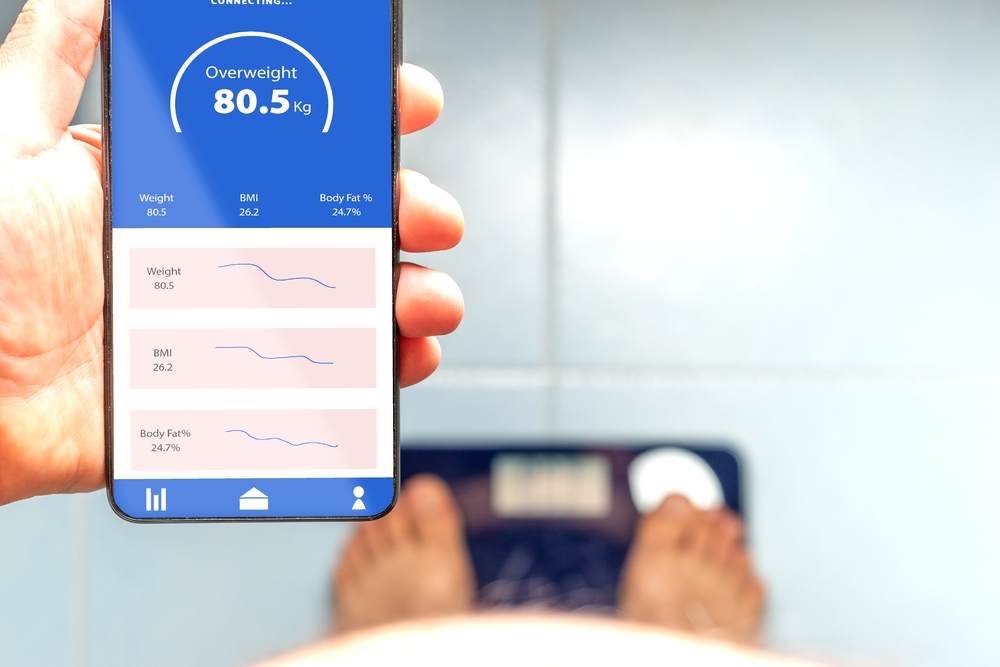
The goal of tracking your food and activity is to remain mindful, not to become compulsive. Weight loss outcomes are generally better for those who track their meals, steps, workouts, and sleep. You can use a notebook, an app, or any other system that suits your needs. You can identify trends, make wise adjustments, and maintain motivation by tracking. It can provide lifelong insights, even if you don’t continue doing it.
Although losing one pound may not seem like much, it’s a significant step in the right direction. You can achieve real progress without stress or extremes by choosing foods high in nutrients, moving your body regularly, and establishing a moderate calorie deficit. Keep in mind that your body is dynamic, so exercise patience. Prioritize sustaining habits over temporary solutions. Your one-pound goal is completely achievable—and a fantastic starting point for more, regardless of whether you’re using medication, apps, meal plans, or just eating more sensibly.