Get the Vital Boost Your Diet Has Been Missing with Fiber
Let’s talk about something that doesn’t get nearly enough love in the world of nutrition: fiber. You know, that humble nutrient found in fruits, vegetables, whole grains, and legumes. Sure, it’s not as trendy as superfoods or as buzzworthy as high-protein diets, but fiber is like the unsung hero of healthy eating. It quietly works behind the scenes, keeping your body running like a well-oiled machine. Yet, despite its superpowers, fiber is often missing from modern diets. Why? Let’s explore the mystery behind this missing link.
What Is Fiber, Really?
Fiber is a type of carbohydrate that your body can’t digest. Sounds strange, right? But that’s exactly what makes it so special. Instead of being broken down and absorbed like other carbs, fiber passes through your digestive system, helping everything move along smoothly.
There are two types of fiber:
- Soluble Fiber: Dissolves in water to form a gel-like substance. It helps lower cholesterol and keeps your blood sugar in check.
- Insoluble Fiber: Adds bulk to your stool, making it easier to, well, go.
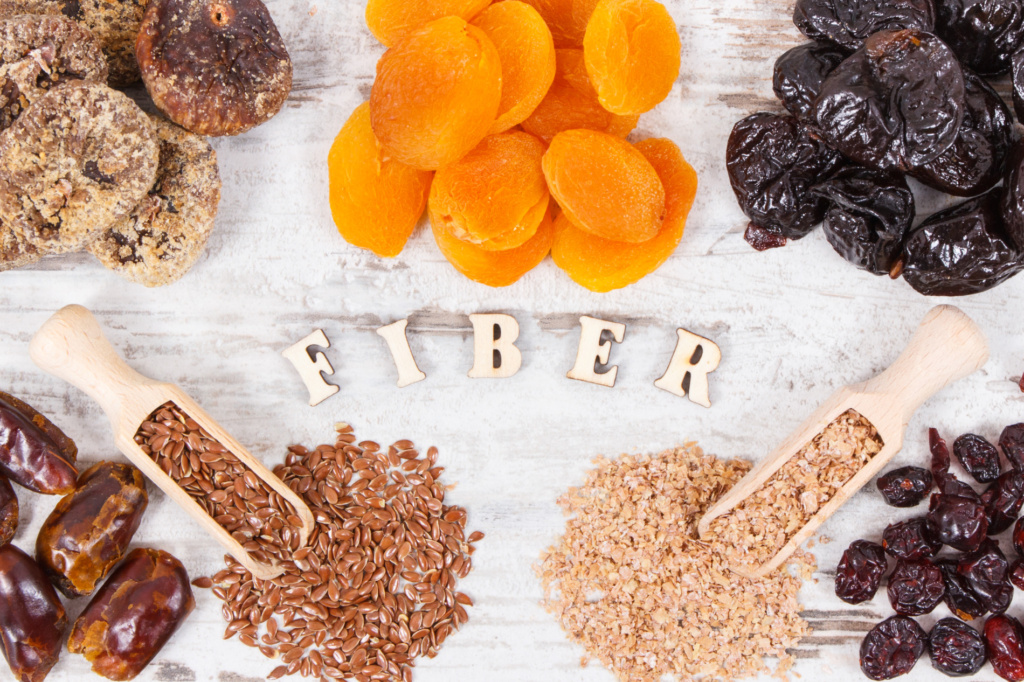
Both types are important, and you’ll find them in foods like oats, beans, fruits, veggies, and whole grains.
Why Are We Missing Out?
Modern diets have drifted far from their fiber-rich roots. Here’s why:
- The Processed Food Problem: Convenience foods are everywhere, but they’re often stripped of their natural fiber. Think white bread, sugary cereals, and snack foods—they taste good but leave you high and dry in the fiber department.
- Low-Carb Diet Trends: In the race to cut carbs, many people also slash fiber-rich foods like whole grains and fruits, not realizing they’re losing out on this crucial nutrient.
- Busy Lifestyles: When we’re short on time, we often grab what’s quick and easy, which isn’t always fiber-friendly.
Why Fiber Matters?
So, what’s the big deal? Why should you care about fiber? The benefits are huge:
- Supports Digestive Health: Fiber keeps things moving, preventing constipation and promoting a healthy gut. A happy gut = a happy you!
- Manages Weight: High-fiber foods are filling, which means you’ll feel satisfied longer and are less likely to overeat.
- Reduces Disease Risk: Fiber helps lower cholesterol, control blood sugar, and even reduce the risk of heart disease, type 2 diabetes, and certain cancers.
- Boosts Gut Microbiome: Fiber feeds the good bacteria in your gut, helping maintain a balanced microbiome that supports overall health.
How to Get More Fiber (Without Overthinking It)?
Adding more fiber to your diet doesn’t have to be complicated or boring. Here are some easy tips:
- Start Your Day Right: Swap sugary cereals for oatmeal or whole-grain toast.
- Sneak in Veggies: Add extra vegetables to soups, stews, or pasta dishes.
- Choose Whole Grains: Opt for brown rice, quinoa, or whole-grain bread instead of their refined counterparts.
- Snack Smart: Reach for nuts, seeds, or fresh fruit instead of chips or cookies.
- Embrace Legumes: Beans, lentils, and chickpeas are fiber powerhouses—try them in salads, soups, or as a meat alternative.
Final Thoughts
Fiber may not be the flashiest nutrient, but it’s definitely one of the most important. Think of it as your body’s silent helper, doing the heavy lifting so you can feel your best. By making a few simple swaps and being mindful of your food choices, you can bridge the fiber gap in your diet and enjoy all the incredible benefits it has to offer.