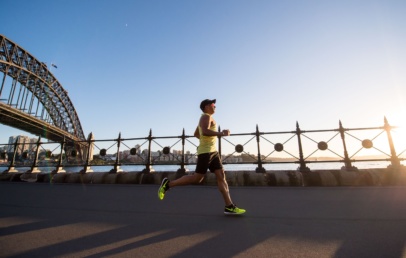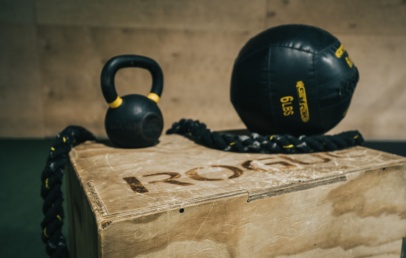
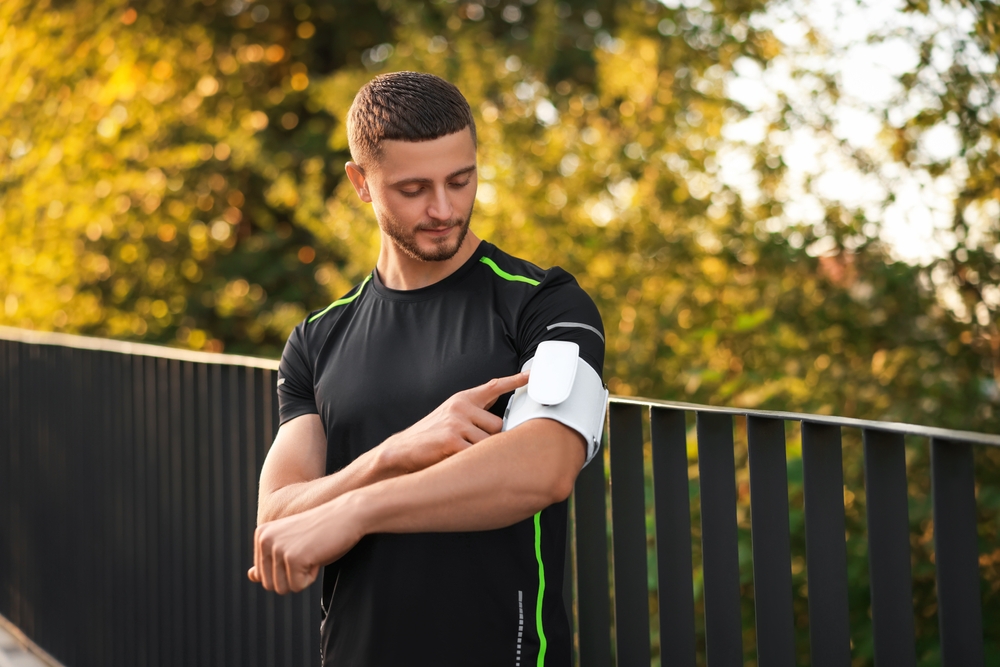
High blood pressure affects nearly half of American adults, yet many people don’t realize how powerful simple movement can be in bringing those numbers down. The good news? You don’t need expensive equipment, intense workouts, or a gym membership. Regular, enjoyable exercise is one of the most effective and affordable ways to support healthy blood pressure—while also improving mood, sleep, weight management, and overall longevity.
If you’re looking for natural ways to care for your heart, here are eight easy, approachable exercises that can make a real difference.
1. Brisk Walking
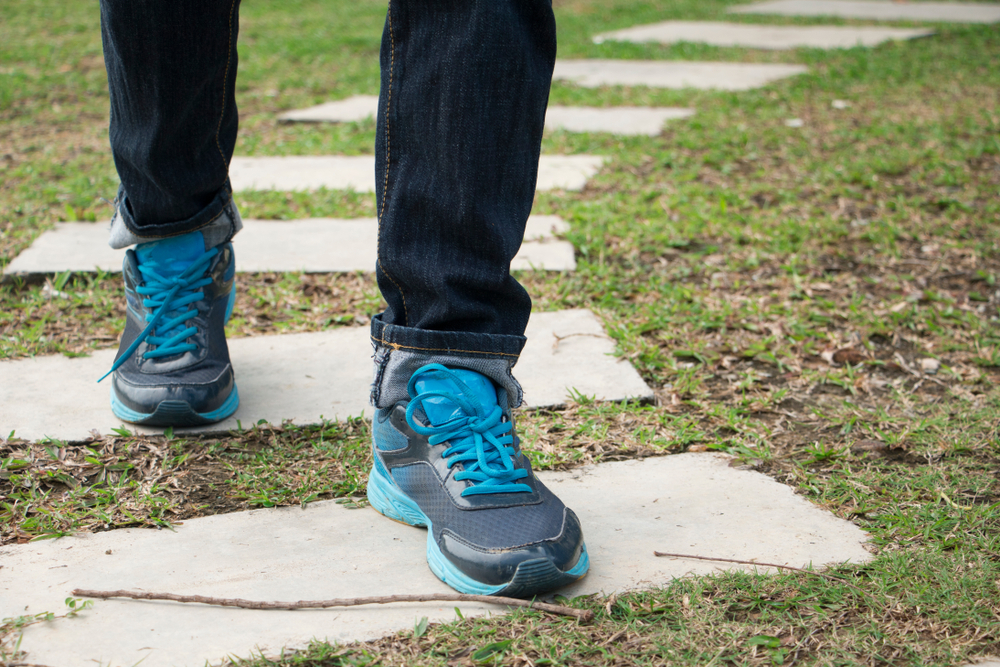
Walking is one of the most underrated forms of exercise. It’s gentle on the joints, accessible to almost everyone, and incredibly effective for heart health. Regular brisk walking improves circulation, helps manage weight, and lowers stress hormones that can drive blood pressure up.
A good rule of thumb is to walk fast enough to raise your heart rate but still be able to hold a conversation. Aim for about 30 minutes a day, five to six days a week. As your fitness improves, you’ll naturally be able to walk faster with less effort.
2. Cycling

Whether outdoors or on a stationary bike, cycling is a low-impact workout that strengthens the heart and boosts blood flow without stressing the joints. It also helps reduce resistance in your blood vessels, making it easier for your heart to pump.
Start with a steady, comfortable pace and gradually increase your time or intensity. About 30 minutes of cycling, three to five times per week, is a great target.
3. Swimming

Swimming is a full-body workout that’s especially kind to your joints. The natural pressure of the water can even help improve circulation. This makes swimming an excellent option for older adults or anyone with joint pain.
Begin with slow laps or water aerobics, using flotation aids if needed. As your endurance grows, you can challenge yourself with longer or faster sessions. Try to swim for about 30 minutes, three to four times a week.
4. Yoga

Yoga blends gentle movement, stretching, and mindful breathing—an ideal combination for lowering stress, which plays a major role in high blood pressure. It’s suitable for all fitness levels and can be easily modified.
Beginner-friendly poses like Child’s Pose and Cat-Cow encourage relaxation and steady breathing. Practicing yoga for 20 to 30 minutes, three to four times a week, can support both systolic and diastolic blood pressure over time.
5. Resistance Training

Light strength training helps build muscle, improve metabolism, and reduce stiffness in the arteries. You don’t need heavy weights—light dumbbells, resistance bands, or even your own body weight work well.
Exercises such as squats, wall push-ups, and bicep curls performed with slow, controlled movements are effective and safe. Aim for two to three non-consecutive days per week, giving your muscles time to recover between sessions.
6. Step-Ups

Step-ups are simple but powerful. Using a sturdy step or platform, step up and down at a steady rhythm to strengthen your legs and get your heart pumping more efficiently.
Start with about three minutes at a time and use the “talk test” to guide your effort—if you can’t talk comfortably, slow down or rest. For balance, hold a railing or wall, or begin with a lower step. As you gain confidence, you can increase your speed.
7. Interval Movement at Home
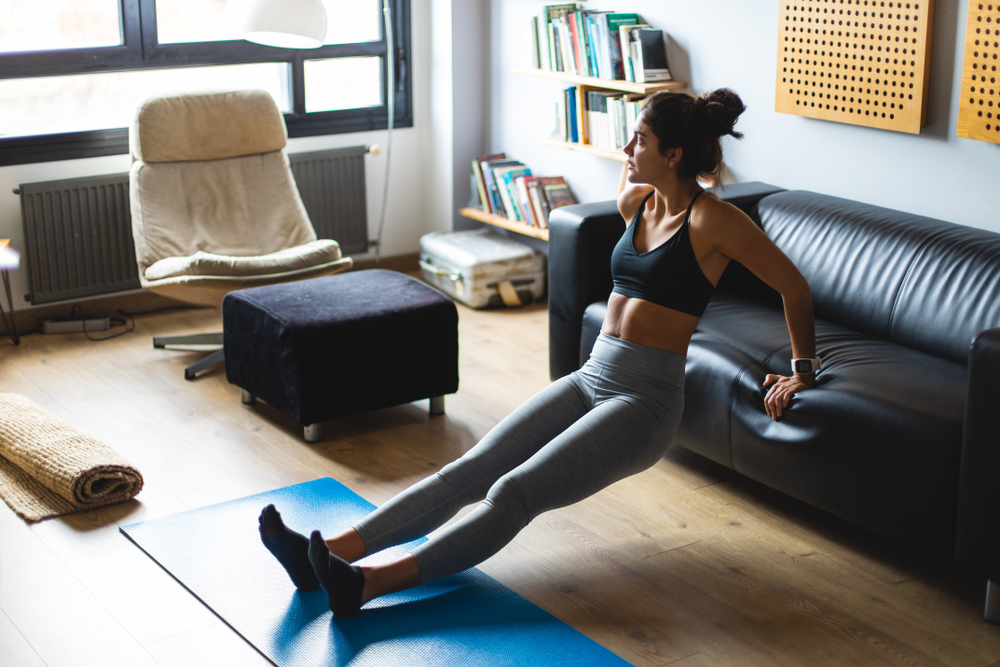
Intervals are a great way to fit heart-healthy movement into a short amount of time—especially when the weather isn’t ideal. Alternate between one minute of faster movement (like marching in place) and two minutes of slower recovery. Repeat this cycle five or six times.
Intervals strengthen the heart without pushing it beyond a safe level. Beginners can shorten the faster portion to 20 seconds and gradually build up as endurance improves.
8. The 4-7-8 Breathing Exercise

Not all blood pressure–lowering exercises involve movement. The 4-7-8 breathing technique helps activate the vagus nerve, which promotes relaxation and signals the body to calm down. This can lower blood pressure and reduce inflammation.
You can do this exercise anywhere—sitting, standing, or lying down.
Here’s how it works:
- Exhale fully through your mouth
- Inhale through your nose for 4 seconds
- Hold your breath for 7 seconds
- Exhale slowly through your mouth for 8 seconds
Repeat this cycle four times, at least twice a day. After a month of practice, you can increase to up to eight cycles per session.
Other Habits That Help

Exercise works best when paired with healthy lifestyle choices. Getting seven to eight hours of quality sleep, managing stress, and spending time outdoors all support healthy blood pressure. Nutrition matters too—many experts recommend the DASH diet, which emphasizes fruits, vegetables, whole grains, lean proteins, and reduced sodium intake.
Lowering blood pressure doesn’t require extreme measures. Walking, cycling, swimming, yoga, strength training, step-ups, intervals, and even breathing exercises can all support a healthier heart. The key is consistency and choosing activities you genuinely enjoy.
Before starting a new exercise routine, it’s always wise to talk with your healthcare provider. They can help you choose safe, effective options based on your individual health needs. Small steps, taken regularly, can lead to powerful improvements in your blood pressure—and your overall well-being.