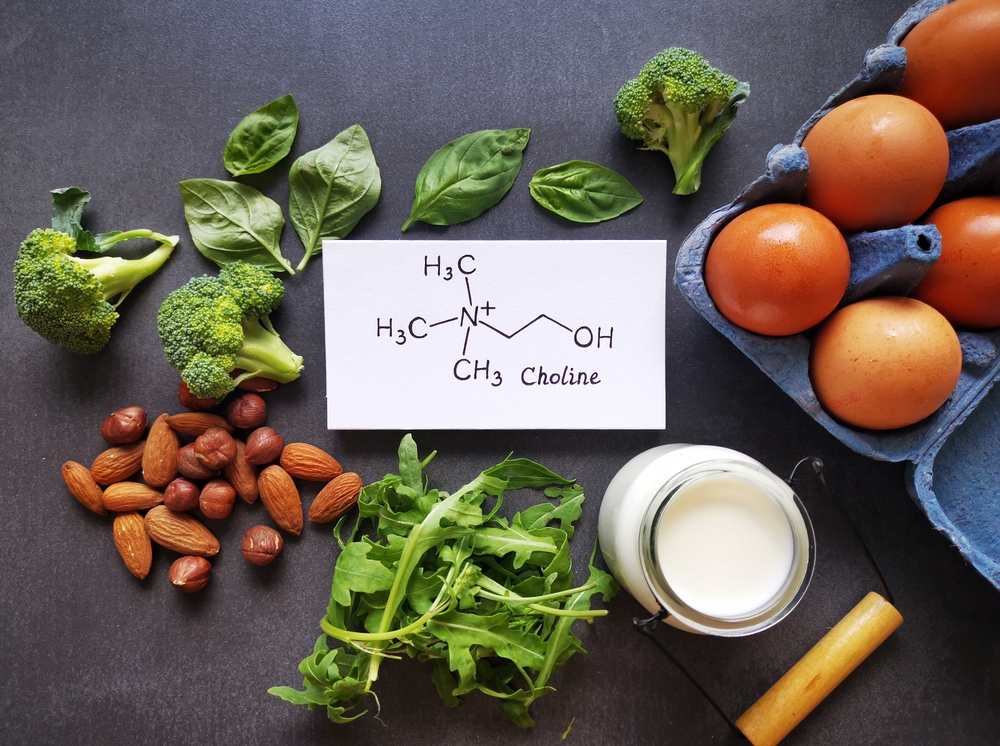
Choline is an essential nutrient that plays a crucial role in the body, supporting cell membrane structure, metabolism, and neurotransmitter production—the chemicals that allow brain cells to communicate. Adequate choline intake is particularly important during pregnancy for fetal brain development. Since the body cannot produce enough choline on its own, it must come from dietary sources. Adults are recommended to consume 425 milligrams per day for women and 550 milligrams per day for men, with higher needs during pregnancy and lactation. Including choline-rich foods in your diet helps maintain brain health and overall wellness.
1. Organ Meats
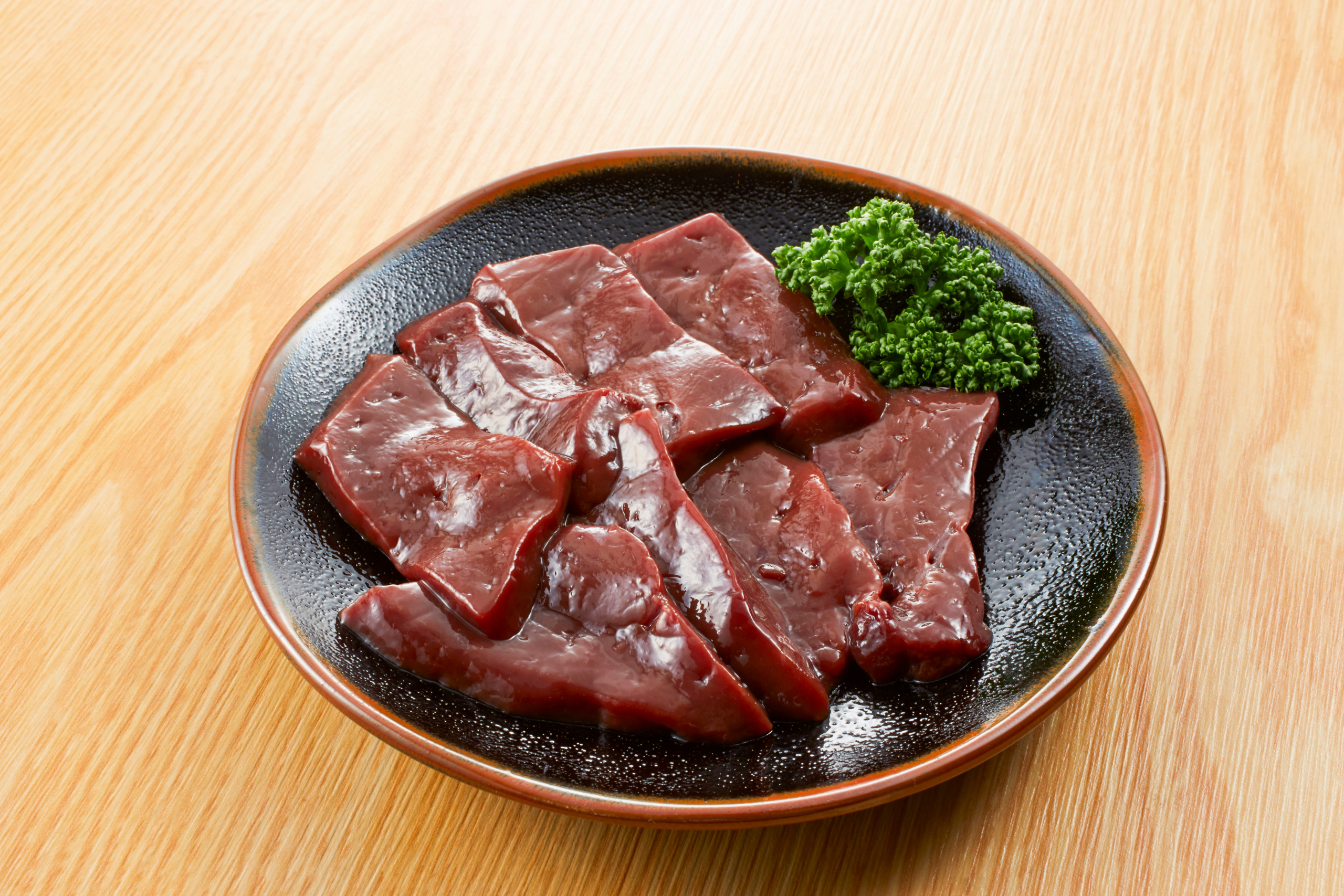
Organ meats, such as liver, kidney, heart, and brain, are some of the richest sources of choline. For example, a 3-ounce serving of beef kidney provides 436 milligrams, while beef brain offers 417 milligrams and beef liver 362 milligrams. Organ meats are also rich in minerals like iron, zinc, copper, selenium, and folate. However, they are high in cholesterol, which may require consideration depending on individual dietary needs. Despite this, organ meats remain a powerful way to meet daily choline requirements.
2. Fish and Seafood

Seafood provides both choline and omega-3 fatty acids, which support brain, heart, and immune health. Salmon contains 161 milligrams of choline per half fillet, herring provides 119 milligrams per fillet, and caviar offers 79 milligrams per tablespoon. Other seafood, such as crab, canned oysters, and tuna, also contribute valuable amounts of choline. Additionally, seafood is rich in minerals like magnesium and selenium, and fatty fish like salmon are one of the few dietary sources of vitamin D.
3. Eggs

Eggs are a convenient and versatile source of choline, primarily found in the yolk. One egg yolk contains 111 milligrams of choline, while a whole large hard-boiled egg provides 147 milligrams, roughly 27% of the daily value. Beyond choline, eggs contain lutein and zeaxanthin, antioxidants associated with neurodevelopment during pregnancy. Eggs can be eaten boiled, scrambled, baked into recipes, or incorporated into smoothies using pasteurized yolks.
4. Beef
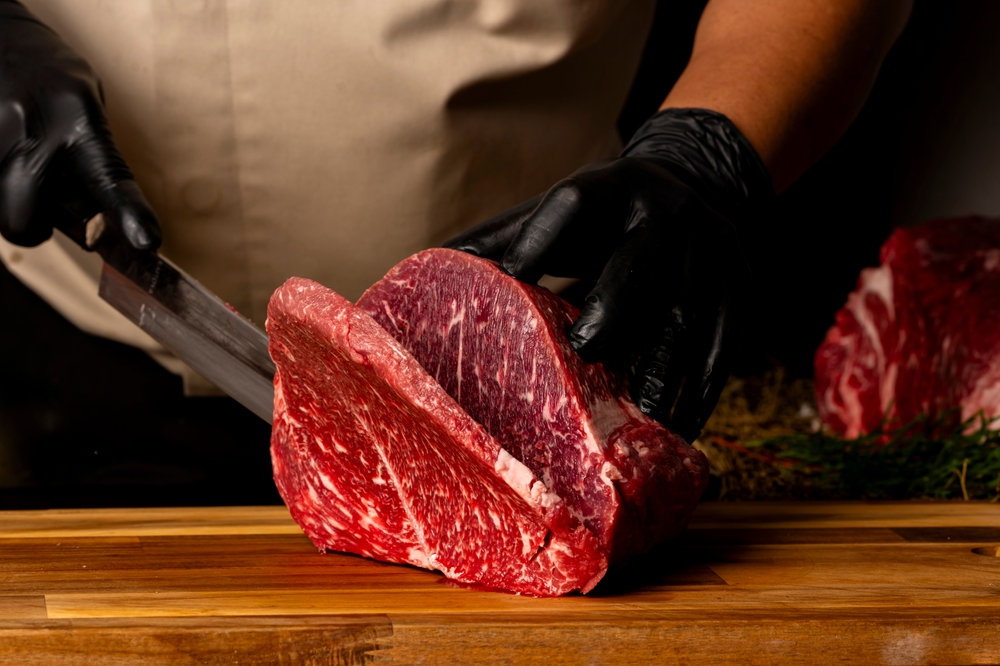
Lean beef provides a moderate amount of choline, with a 3-ounce cooked serving delivering 117 milligrams. Beef is also a good source of essential minerals such as iron, zinc, and selenium, supporting both metabolic and cognitive functions. Including beef in a balanced diet can contribute meaningfully to daily choline intake.
5. Chicken and Turkey
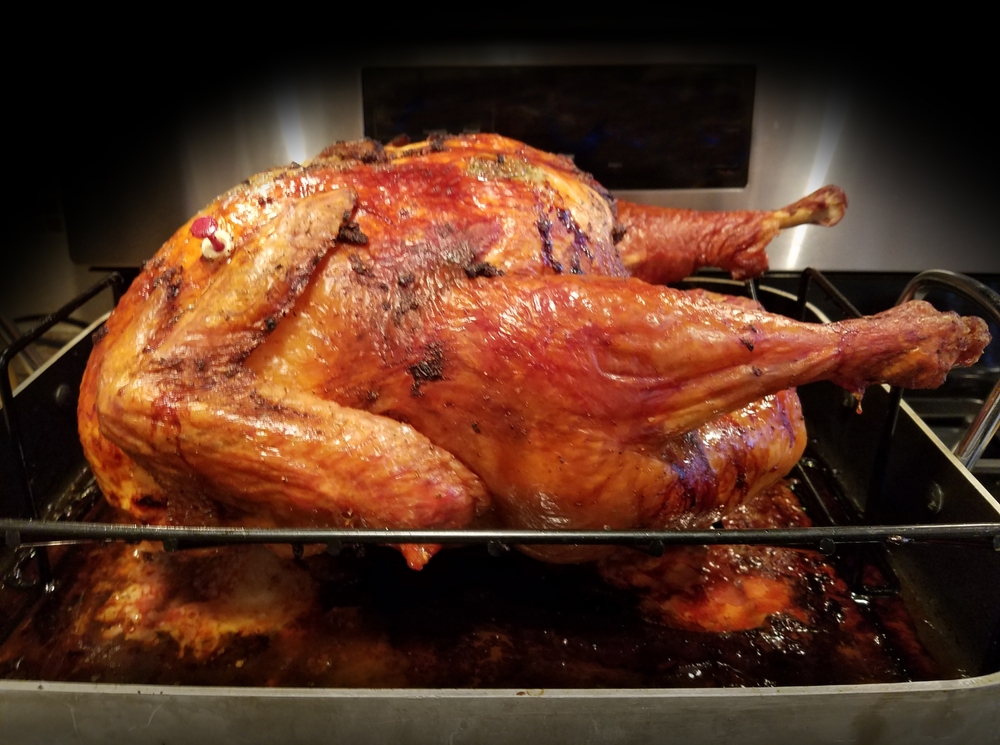
Poultry is another accessible source of choline. A 3-ounce cooked chicken breast contains 94 milligrams, while the same amount of turkey breast provides 72 milligrams. Chicken and turkey are versatile proteins that can be used in soups, stews, casseroles, or simple weekday meals, making it easy to increase choline intake.
6. Edamame, Soybeans, and Soy Products

Plant-based sources of choline include edamame, mature soybeans, and soy-based products. One cup of cooked edamame provides 88 milligrams of choline, while one cup of cooked soybeans contains 82 milligrams. Soy milk also contributes, with 58 milligrams per cup. These options are particularly valuable for vegetarians and vegans seeking to maintain adequate choline intake.
7. Amaranth

Amaranth, a gluten-free grain, provides 68 milligrams of choline per half-cup cooked, or 12% of the daily value. In addition to choline, amaranth contains 13 grams of protein, 7 grams of fiber, and significant amounts of magnesium, zinc, selenium, iron, and copper. Its nutrient density makes it a valuable addition to a choline-rich diet.
8. Quinoa
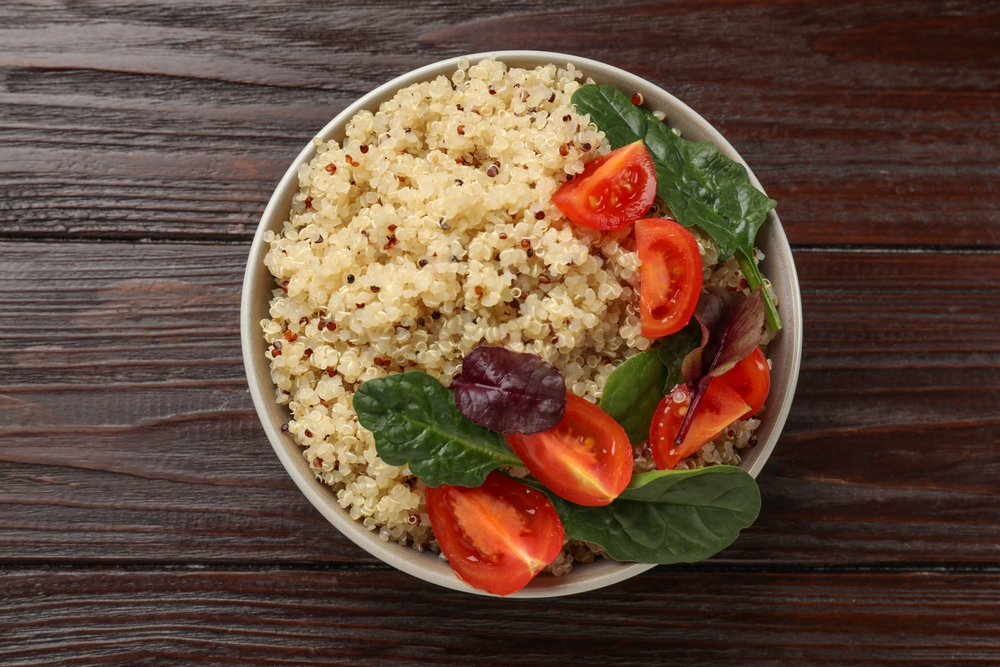
Quinoa offers around 11% of the daily value of choline per half-cup cooked serving. It is also rich in protein, vitamin E, magnesium, iron, zinc, selenium, and folate. Quinoa can be incorporated into salads, soups, baked goods, or as a side dish, providing both choline and other essential nutrients.
9. Cauliflower
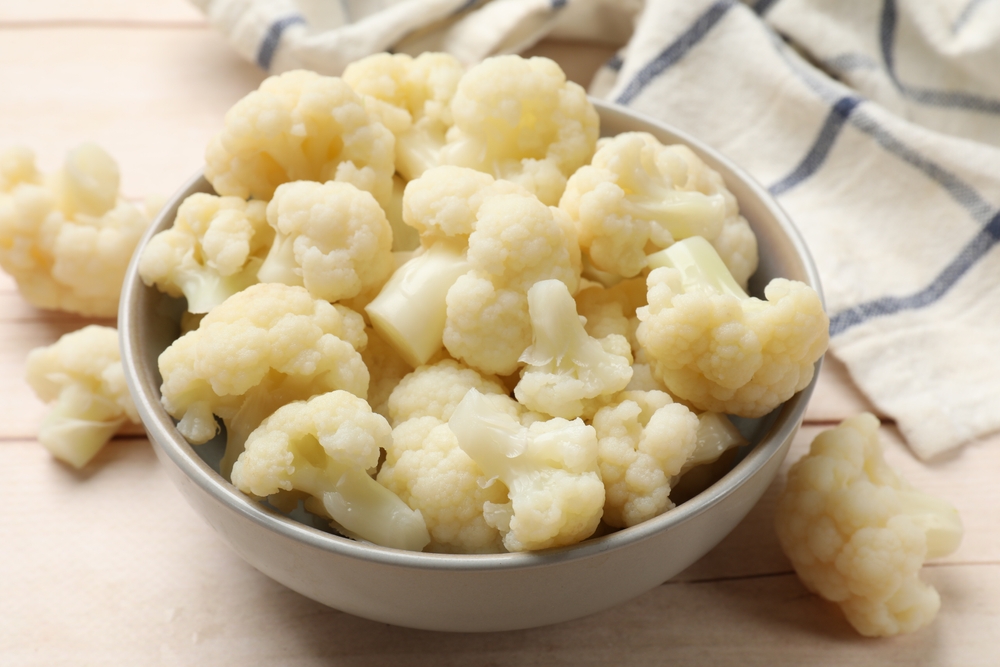
Cooked cauliflower contains 58 milligrams of choline per cup, roughly 11% of the daily value. As a cruciferous vegetable, cauliflower supports overall health and can be enjoyed boiled, roasted, or blended into soups, sauces, or even pizza crusts. Including cauliflower in meals helps increase choline intake while adding fiber and antioxidants.
10. Red Potatoes

A large red potato contains 61 milligrams of choline, about 11% of the daily value. Red potatoes can be incorporated into meals with other choline-rich foods, such as beans, to increase nutrient density. Roasting, mashing, or adding them to salads are simple ways to enjoy their benefits.
11. Wheat Germ
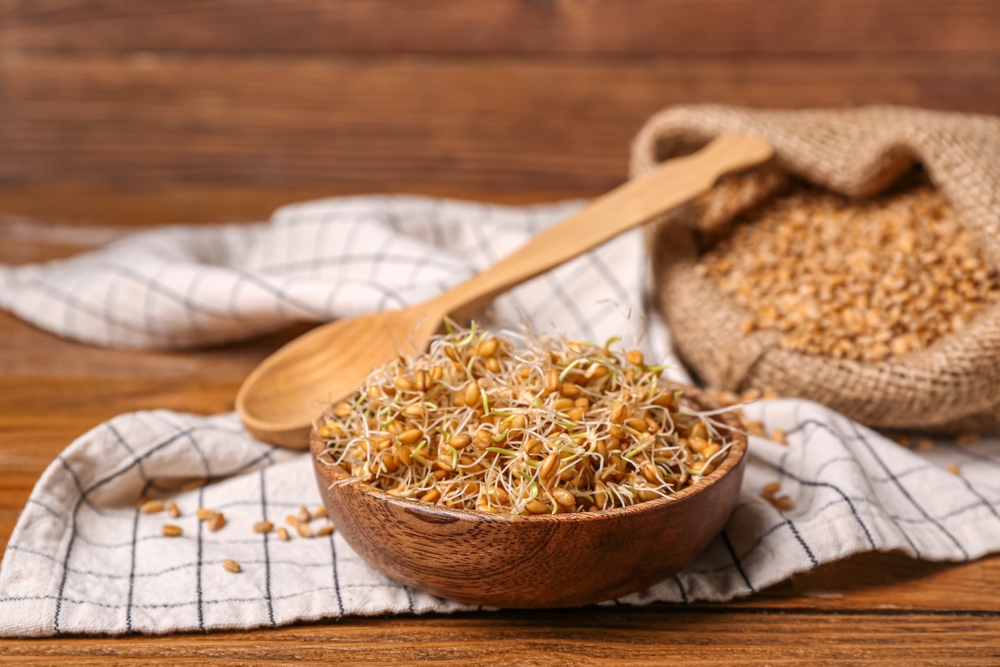
One ounce of wheat germ provides 54 milligrams of choline, approximately 10% of the daily value. It also contains protein, fiber, magnesium, zinc, and selenium. Wheat germ can be added to baked goods, smoothies, or used as a coating for fried foods, offering an easy way to boost choline intake.
12. Black Beans

Black beans are another plant-based source of choline, providing 56 milligrams per cup of cooked beans, or 10% of the daily value. They are also high in protein, fiber, magnesium, iron, zinc, copper, and folate. Black beans can be added to soups, stews, salads, and burritos, making them a versatile and nutrient-dense option.
13. Shiitake Mushrooms
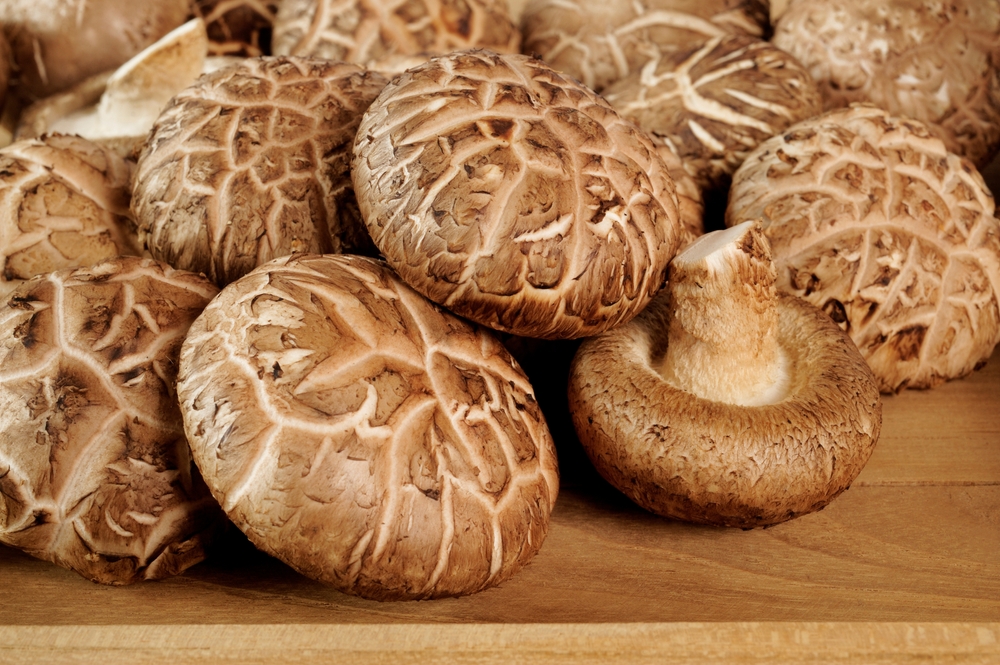
Cooked shiitake mushrooms contain 53 milligrams of choline per cup, about 10% of the daily value. Shiitake mushrooms also provide antioxidants and bioactive compounds that support immune health. They can be added to stir-fries, soups, or roasted as a side dish.
14. Artichokes

One large artichoke provides 56 milligrams of choline, or 10% of the daily value. Artichokes can be steamed, roasted, stuffed, or blended into dips, offering both choline and fiber. Fresh artichokes are seasonal, but canned or frozen options are suitable alternatives.
15. Milk

One cup of cow’s milk provides 43 milligrams of choline, about 8% of the daily value, and contributes significantly to daily calcium intake. Whey protein powder is another concentrated source of choline, providing 194 milligrams in three scoops, making it a convenient option for those supplementing their diet.
16. Nuts and Nut Butter

Almonds and almond butter contain small amounts of choline, roughly 15 milligrams per ounce or two tablespoons, respectively. While modest, these amounts contribute to daily intake and make nuts a convenient and nutrient-dense snack.
17. Seeds

Seeds such as pumpkin, sunflower, flax, chia, and sesame contain small amounts of choline, supporting overall intake. One ounce of pumpkin seeds provides 18 milligrams. Seeds are versatile and can be added to smoothies, yogurt, salads, or baked goods.
18. Spices
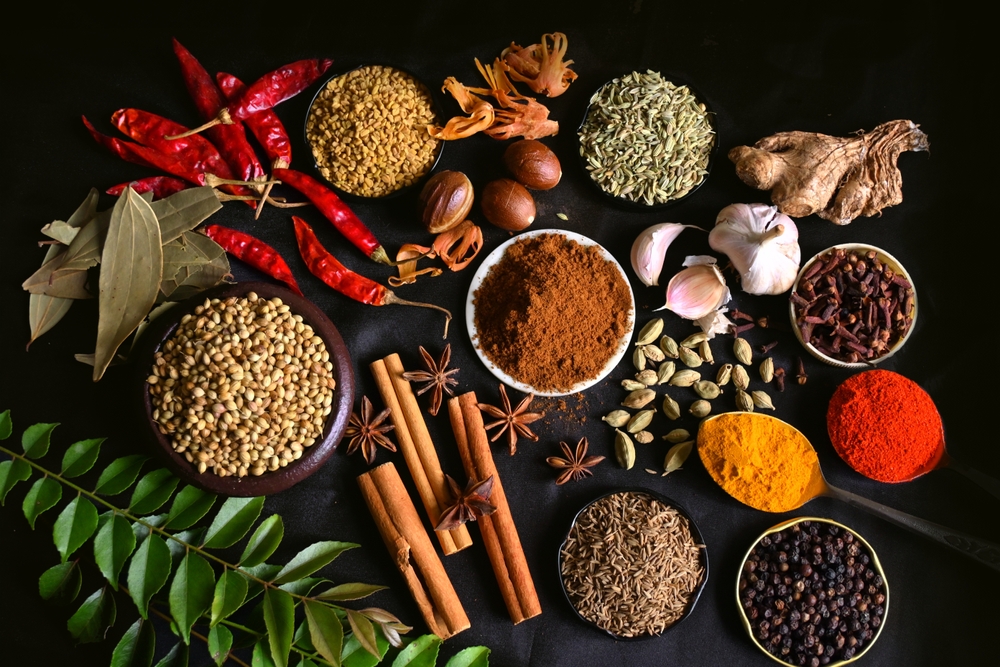
Certain spices contribute minor amounts of choline, including garlic powder (7 milligrams per tablespoon) and chili powder (5 milligrams per tablespoon). Using spices generously not only enhances flavor but also incrementally increases choline intake.
Choline is essential for brain and nervous system health, cell structure, and metabolism. Most animal-based foods are rich in choline, while plant-based options provide meaningful contributions. Including a variety of these foods in your diet ensures adequate intake, supporting cognitive function, fetal development, and overall wellness.