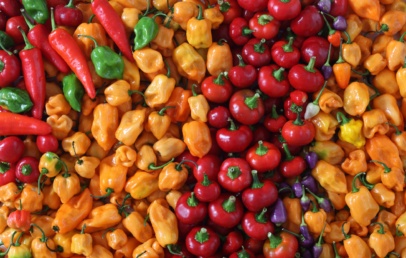

When illness strikes, your body shifts into repair mode. Fighting off viruses or bacteria requires energy, fluids, and a steady supply of key nutrients that support immune cells, reduce inflammation, and protect tissues from damage. This is why diet plays a meaningful role in how quickly — and comfortably — you recover.
According to registered dietitian nutritionists and physicians, the most important nutrients during illness include vitamin C, vitamin D, zinc, selenium, iron, protein, and anti-inflammatory compounds. Foods that are easy to digest and hydrating are especially helpful if symptoms include nausea, sore throat, fever, or fatigue. Below are 15 foods and beverages that provide scientific, nutrition-based support when you’re sick.
1. Chicken Soup

Chicken soup is widely recognized as a supportive food during respiratory illness. Research suggests it may help reduce inflammation in the upper respiratory tract. Nutritionally, it delivers fluids for hydration, electrolytes to maintain fluid balance, protein for tissue repair, and micronutrients such as iron, vitamin A, and B vitamins — all of which contribute to immune function.
2. Herbal Tea

Warm liquids help soothe sore throats and thin mucus, reducing irritation caused by post-nasal drip. Herbal teas offer additional benefits depending on the variety. Chamomile contains compounds linked to reduced inflammation and improved sleep quality. Peppermint may ease digestive discomfort, while ginger tea contains bioactive compounds that support digestion, reduce nausea, and exhibit antimicrobial properties.
3. Honey

Honey has natural antimicrobial and anti-inflammatory properties. It can help coat the throat, reduce irritation, and suppress coughing. Some studies suggest honey may be as effective — or more effective — than certain over-the-counter cough medicines, particularly for nighttime cough. Honey should not be given to children under one year of age due to botulism risk.
4. Tuna
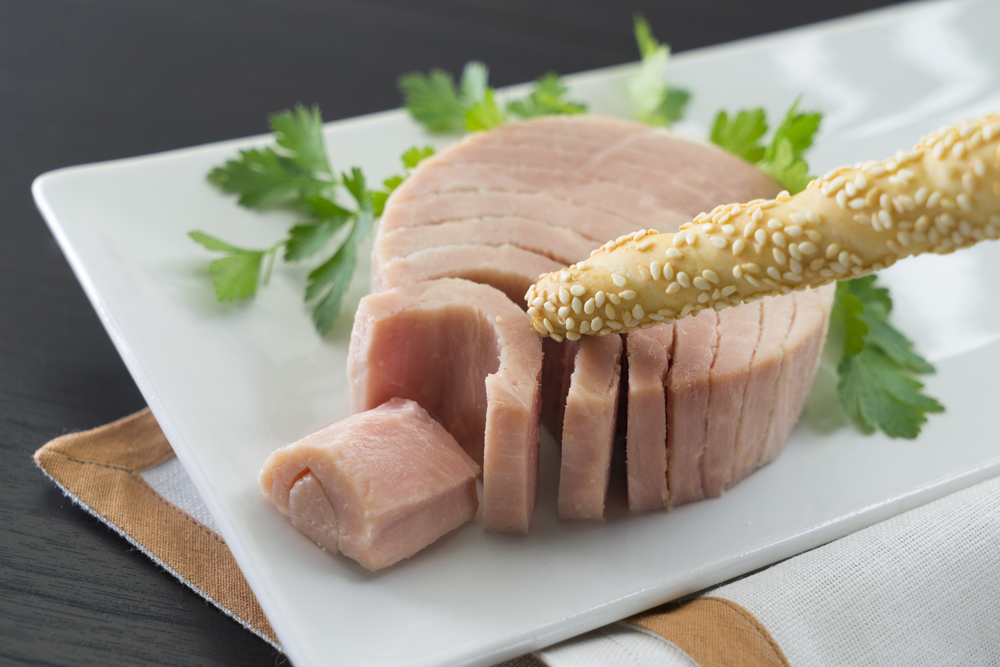
Canned tuna is a convenient source of high-quality protein, omega-3 fatty acids, and vitamin D. Protein supports immune cell production and tissue repair, while omega-3s help regulate inflammation. Vitamin D plays a role in immune signaling and may help reduce susceptibility to respiratory infections.
5. Wild Salmon

Wild-caught salmon is particularly rich in vitamin D and omega-3 fatty acids. Vitamin D helps regulate immune responses and may reduce the severity of respiratory infections. Omega-3s support inflammation control, which is important during illness when the immune system is highly active.
6. Citrus Fruits

Citrus fruits such as oranges, lemons, and grapefruits are well-known sources of vitamin C. Vitamin C supports immune defense by protecting cells from oxidative damage and supporting white blood cell function. Adequate intake may help shorten the duration of common colds.
7. Turmeric and Ginger

Both turmeric and ginger contain compounds with strong anti-inflammatory and antioxidant effects. Ginger is particularly useful for reducing nausea and digestive discomfort. Turmeric’s active compound, curcumin, helps regulate inflammation, though supplements provide higher concentrations than food sources. Always consult a healthcare provider before using supplements.
8. Sauerkraut
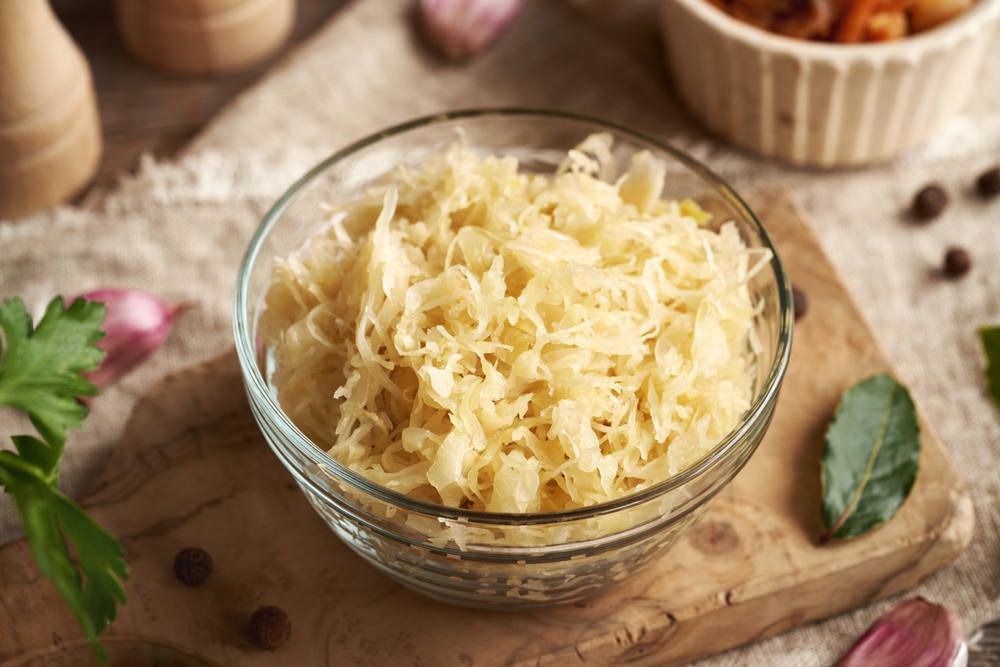
Fermented foods like sauerkraut provide probiotics — beneficial microorganisms that support gut health. Because a significant portion of the immune system resides in the gut, maintaining a healthy gut microbiome can positively influence immune function. Sauerkraut also provides antioxidants that help counter inflammation.
9. Yogurt

Yogurt offers probiotics in a milder, more widely tolerated form than fermented vegetables. It also provides protein and vitamin D, both essential for immune support. Yogurt is often well tolerated when appetite is reduced and can help maintain gut health during illness.
10. Berries

Berries such as blueberries, strawberries, and blackberries are rich in antioxidants, including flavonoids and vitamin C. These compounds help reduce systemic inflammation and protect cells from oxidative stress, which can worsen symptoms and prolong recovery.
11. Tomatoes

Tomatoes contain vitamin C, lycopene, and other antioxidants that support immune health. They can be consumed raw or cooked and are easily incorporated into soups, sauces, and broths. Cooking tomatoes may improve absorption of certain antioxidants like lycopene.
12. Spinach
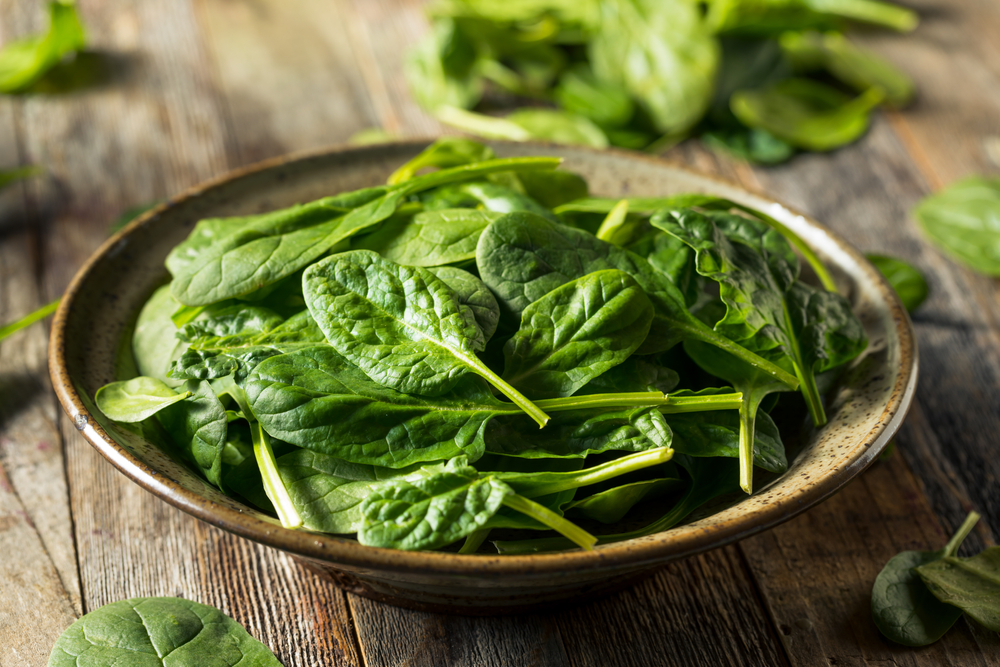
Spinach provides vitamin E, vitamin C, magnesium, and other micronutrients that support immune cell function and muscle health. Vitamin E and vitamin C work together to protect immune cells from oxidative damage, while magnesium may help reduce muscle aches associated with illness.
13. Broccoli
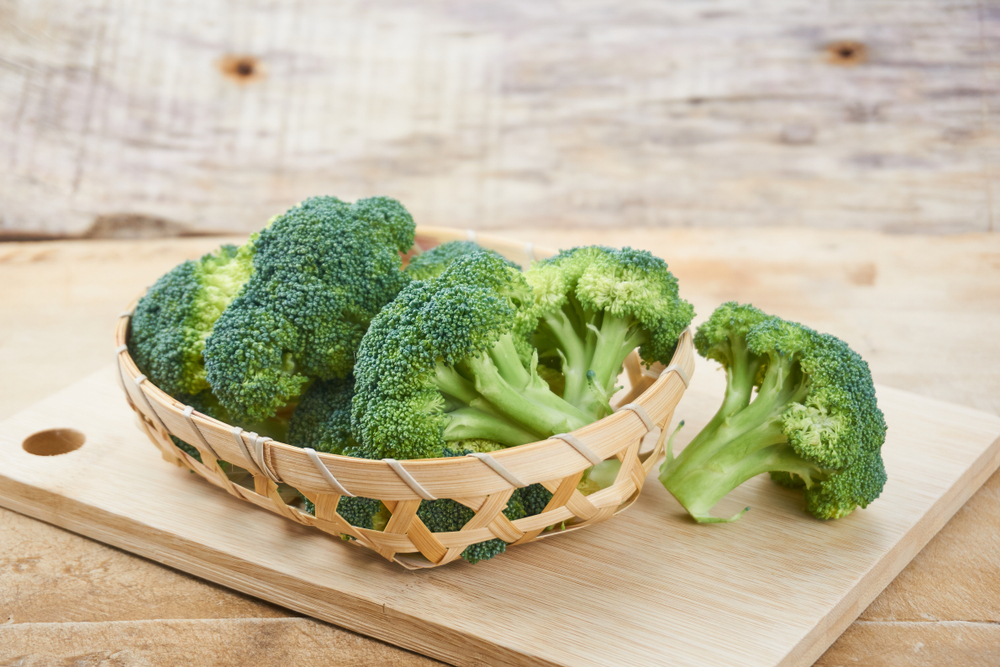
Broccoli is an excellent source of vitamin C and contains sulforaphane, a plant compound linked to immune regulation. Some evidence suggests sulforaphane may help reduce the duration or severity of cold symptoms. Lightly steaming broccoli preserves nutrients while making it easier to digest.
14. Broth
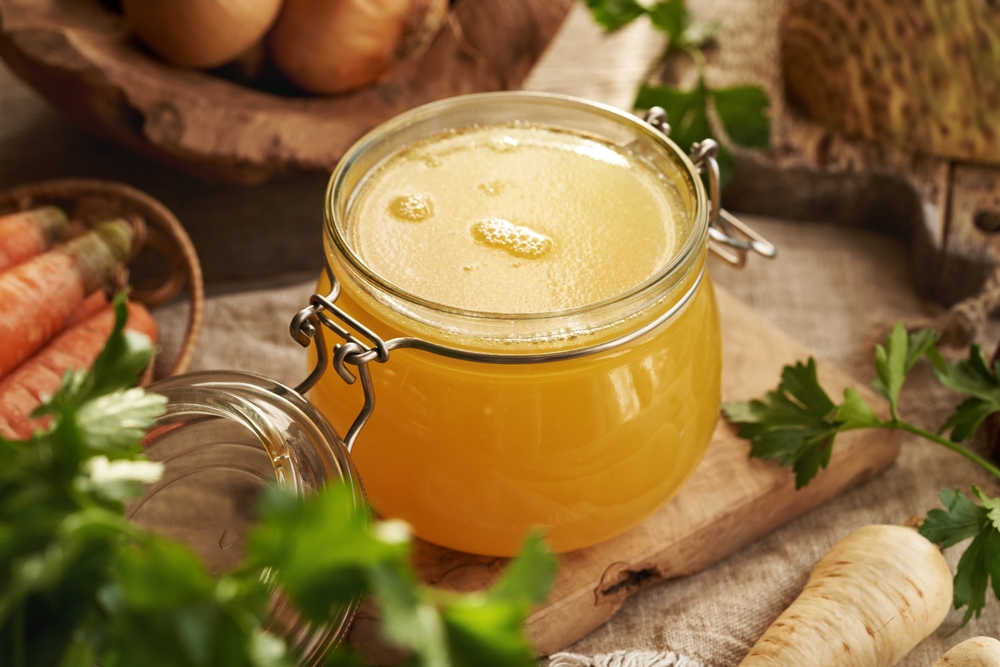
Broth is highly hydrating and provides minerals, antioxidants, and electrolytes needed during illness. It is especially beneficial if fever, vomiting, or diarrhea increase fluid loss. Warm broth also offers comfort and may encourage food intake when appetite is low.
15. BRAT Foods (Bananas, Rice, Applesauce, Toast)
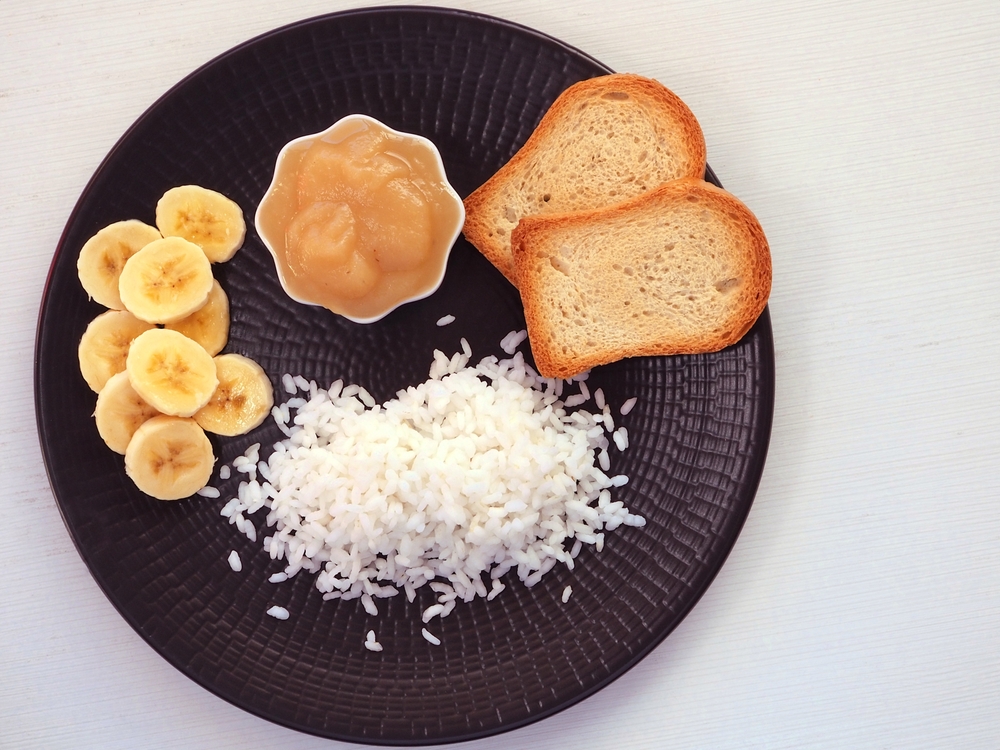
The BRAT approach is commonly used during episodes of nausea or diarrhea. These foods are low in fiber, easy to digest, and less likely to irritate the gastrointestinal tract. However, this pattern lacks essential nutrients and should only be followed short-term, typically one to two days.
Additional Nutrition Tips for Recovery

When you’re sick, your body’s energy demands increase as it works to fight infection and repair tissues. Inadequate calorie and nutrient intake can slow recovery and weaken immune responses. Nutrients such as vitamin C, vitamin D, zinc, and protein work together to support immune defenses and healing processes.
- Prioritize hydration: Water, herbal tea, broth, and water-rich foods help maintain normal cellular function.
- Limit alcohol and ultra-processed foods: These may impair immune function and increase inflammation.
- Consider supplements cautiously: Some nutrients may be beneficial in supplement form, but consult a healthcare provider first.
- Avoid restrictive diets: Weight-loss or elimination diets can deprive your body of the nutrients it needs to recover effectively.
Nutrition plays a vital role in recovery from illness. While food cannot replace medical treatment, choosing nutrient-dense, hydrating, and easy-to-digest foods can support immune function, reduce inflammation, and help your body heal more efficiently. Pair smart food choices with rest and hydration for the best recovery outcomes.