You lace up your running shoes, brace yourself for the impending knee pain, and head out the door to grind out another agonizing three miles. Or, frustrated by the joint impact, you opt for a leisurely walk instead—only to realize your heart rate barely cracked double digits and you barely broke a sweat.
It feels like a lose-lose choice. You either destroy your cartilage on the pavement for a decent cardiovascular workout, or you save your joints but lose the metabolic edge.
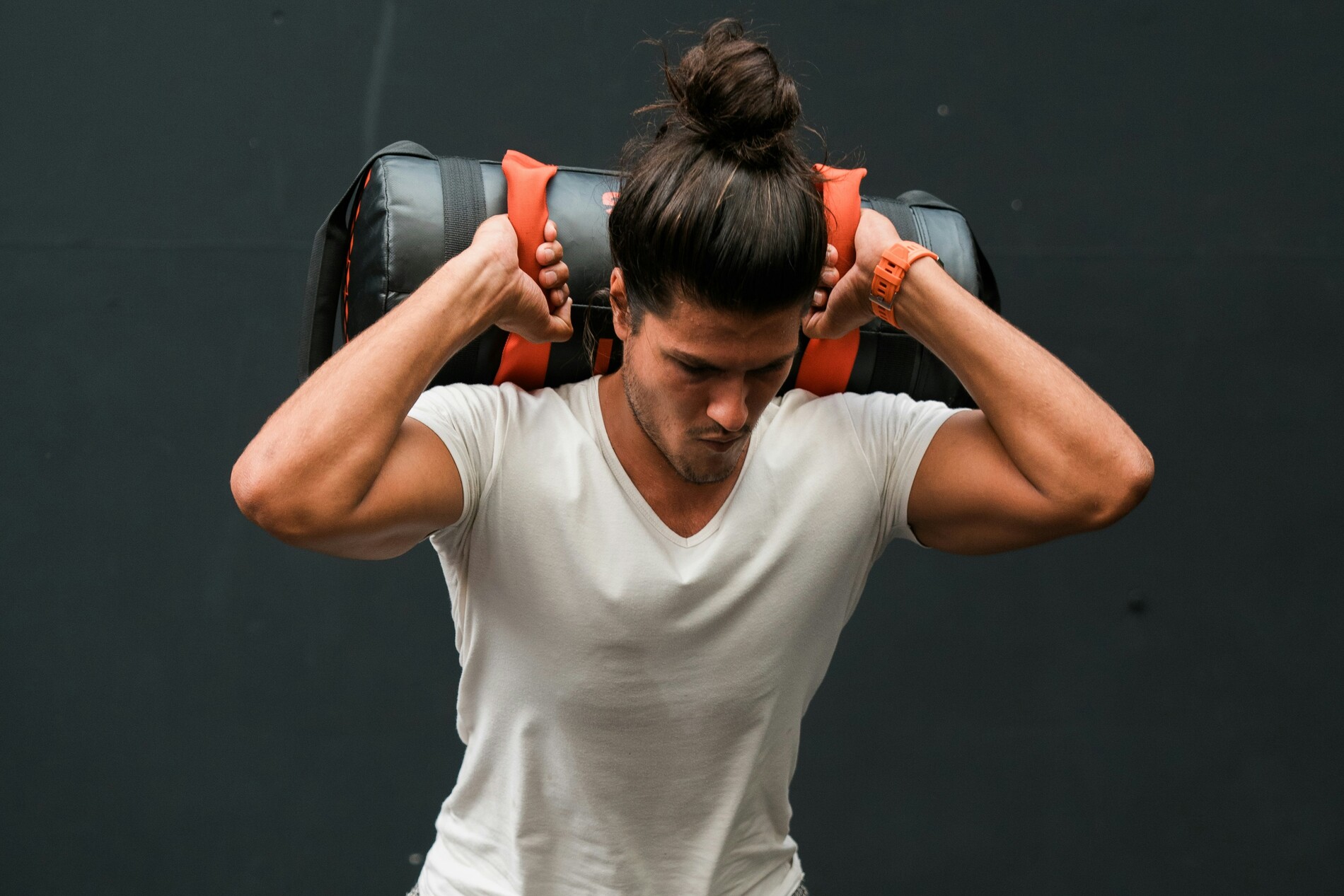
Enter rucking. Simply put, it is the act of walking with a weighted backpack. It is an old military training staple that has quietly become the most efficient cardio shortcut for the civilian world.
The Metcon Magic of Heavy Walking
Rucking bridges the gap between traditional strength training and pure cardiovascular conditioning. When you add a controlled load to your back, your body has to work significantly harder to keep you upright and propel you forward.
Compared to standard walking, rucking spikes your caloric burn by up to 30% without requiring you to move any faster. More importantly, it delivers the aerobic benefits of a light jog while subjecting your lower joints to a fraction of the impact forces. While running slams up to three times your body weight through your knees with every stride, rucking distributes the load evenly across your posterior chain. It actively strengthens your glutes, core, and upper back while your heart works overtime.
How to Build Your First Ruck
You do not need tactical military gear to start catching the benefits of this workout. You just need to follow a few basic parameters:
- Start Lean on the Load: Begin with a weight that equals roughly 10% of your total body weight. If you weigh 80 kg, an 8 kg load is your absolute sweet spot.
- Repurpose an Old Pack: Grab a sturdy backpack. Wrap a heavy dumbbell or a couple of thick hardcover books in a bath towel to keep them from shifting, and slide them into the main compartment.
- Maintain an Upright Stature: Do not lean forward from the waist to compensate for the weight. Roll your shoulders back, engage your core, and walk with a proud chest.
- Keep Strides Natural: Walk at a brisk, purposeful pace. Avoid overstriding, which can place unnecessary pressure on your heels and shins.
Pro-Tip: Proper weight distribution is everything. If the heavy objects sit at the very bottom of your backpack, they will pull backward on your shoulders and strain your lower back. Always pack a yoga block or a rolled-up towel at the bottom of the bag so the actual weight sits high up against your shoulder blades and flush against your spine.
The 24-Hour Upgrade
You do not need an outdoor trail or a military base to test this out. Let’s build a micro-ruck within the next 24 hours.
Tonight or tomorrow morning: Find a backpack and slide a single 5 kg weight plate or two large books wrapped in a towel inside. Put it on, pull the straps tight so it sits snugly against your body, and take a 15-minute walk around your immediate neighborhood block. Pay attention to how much harder your lungs work on a simple stroll.