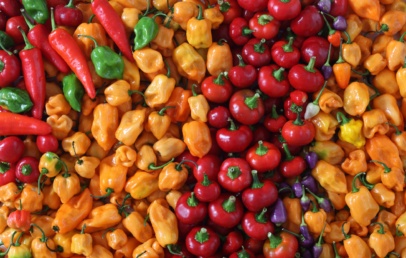

Aging gracefully isn’t just about staying active—it’s also about what you put on your plate. Making smart food choices can boost your energy, protect your heart, strengthen your bones, and keep your mind sharp. Understanding the different food groups and how much of each to eat can make healthy eating feel simple and manageable, even as your nutritional needs change over time.
Why Portions Matter
You’ve probably noticed that daily food recommendations are listed in cups or ounces. But here’s the trick: a “cup” on paper doesn’t always match a cup on your plate. Foods differ in density, water content, and volume. For instance, 1 cup of raw spinach and ½ cup of cooked spinach both count as 1 cup-equivalent because their nutrients are similar. Learning cup- and ounce-equivalents helps you see how much of each food group you really need to stay healthy.
Vegetables Bring Color and Fiber
Vegetables are a powerhouse of vitamins, minerals, and fiber. Mix it up: dark green veggies like broccoli and kale, red and orange favorites like carrots and sweet potatoes, starchy options such as corn and peas, and legumes like beans and tofu. Each contributes unique nutrients, and legumes can also double as a protein source.
Tip: Fiber from vegetables helps digestion and supports heart health. Aim to fill half your plate with veggies at each meal—it’s a simple way to meet your daily goals.
Fruits for Sweet, Natural Nutrition
Fruits are naturally delicious and nutrient-rich. Citrus fruits, berries, tree fruits like peaches and mangoes, and tropical treats such as pineapples provide vitamins, minerals, and fiber. Whole fruits are preferable, and eating the skin when possible adds extra fiber. Even 100% fruit juice counts, but try to make at least half of your fruit servings whole.
Tip: Fresh, frozen, or canned fruits are all good choices—just check for added sugars in canned and dried options.
Grains Fuel Your Day
Grains are your body’s primary energy source. Bread, pasta, cereals, rice, and tortillas are all grains. Aim for at least half of your grains to be whole grains—they provide fiber, B vitamins, and iron. Refined grains can be part of your diet, but they’re often lower in nutrients and fiber.
Tip: Read labels carefully. Words like “low-fat” can sometimes hide high sugar content.
Protein Keeps You Strong
Protein is essential for maintaining muscles, repairing tissues, and supporting your immune system. Older adults should focus on a variety of nutrient-rich sources: lean meats, seafood, eggs, beans, nuts, seeds, and soy products. Plant-based proteins are excellent choices, often lower in saturated fat and cholesterol. Include seafood 8–10 ounces per week for heart-healthy omega-3s, especially from salmon, trout, or anchovies.
Tip: Unsure if beans count as veggies or protein? If you regularly eat meat, count them as vegetables; otherwise, they count as protein.
Dairy Builds Strong Bones
Calcium, vitamin D, and potassium in dairy support bone health. Choose low-fat or fat-free options when possible. Fortified plant-based alternatives, like soy milk, can provide similar nutrients.
Tip: 1 cup of milk, 1 cup yogurt, or 1.5 ounces of cheese all count as one serving. Watch for added sugars in flavored products.
Healthy Fats and Oils
Oils provide energy and essential nutrients like vitamin E. Use oils such as olive, canola, and avocado instead of solid fats like butter or lard. Keep track of daily amounts—about 5–8 teaspoons depending on activity level.
Tip: Foods naturally high in healthy oils, such as nuts, seeds, and avocado, are better choices than processed snacks high in saturated fats.
Limit Added Sugars and Unhealthy Drinks
Added sugars, sugary drinks, and excess alcohol add calories without nutrients. Sweets and desserts are fine occasionally, but water, low-fat milk, and unsweetened beverages should be your daily go-tos.
Tip: Check labels for hidden sugars—corn syrup, dextrose, fructose are all clues to added sugar.
Eating well as you age doesn’t have to be complicated. By understanding your food groups, paying attention to portions, and making smart swaps, you can enjoy meals that nourish your body and delight your taste buds. Remember, healthy eating is a lifelong habit—make it colorful, make it balanced, and make it fun!