Taking Care of Your Skin Without Skincare Products
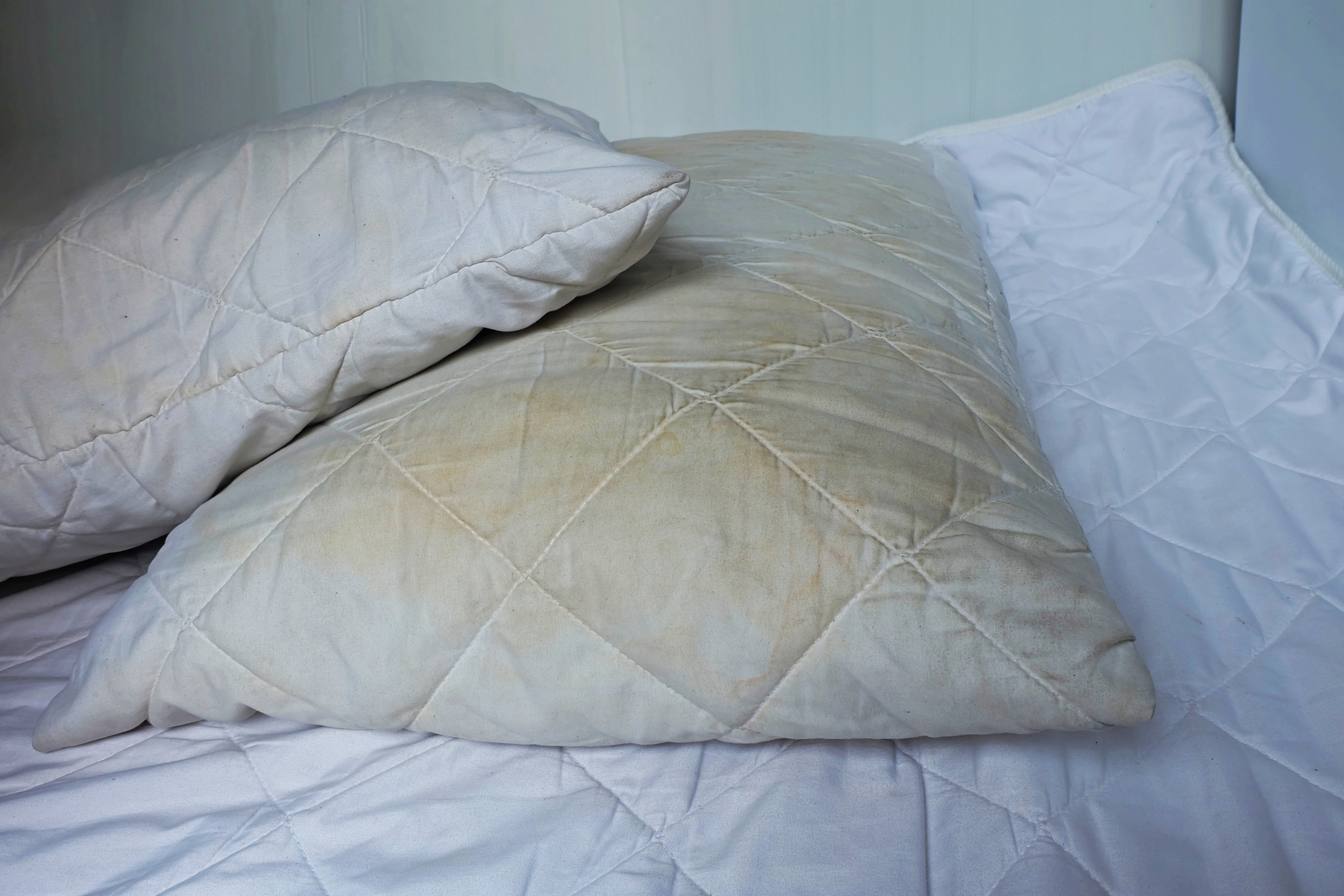
We often hear about the importance of a good skincare routine, the right products, and a healthy diet to maintain glowing, radiant skin. However, one factor is frequently overlooked: the cleanliness of your pillows. Believe it or not, dirty pillows can wreak havoc on your skin, causing a range of issues that may surprise you.
Acne Breakouts
Dirty pillows are a breeding ground for bacteria, dust mites, and dead skin cells. When you rest your face on a pillowcase filled with these contaminants night after night, your pores become clogged. This can lead to increased acne breakouts. The friction between your skin and the pillowcase can also exacerbate existing blemishes and prevent your skin from healing properly.
Allergic Reactions
Dust mites thrive in unwashed bedding, and their feces and body fragments can trigger allergic reactions. If you wake up with red, itchy, or irritated skin, your dirty pillow might be the culprit. Regularly washing your pillowcases can help reduce the risk of these allergic reactions and keep your skin calm and healthy.
Premature Aging
As you sleep, your face presses against the pillow for several hours. If the pillow is dirty, the friction and pressure on your skin can contribute to the breakdown of collagen and elastin—proteins that keep your skin firm and elastic. Over time, this can lead to premature aging, including wrinkles and fine lines.
Infections and Irritations
Dirty pillows can harbor not only bacteria but also fungi and other microorganisms. These can cause infections and irritations, especially if you have sensitive skin. Conditions like eczema or dermatitis can worsen due to the presence of these microorganisms on your pillow.
Hyperpigmentation and Uneven Skin Tone
The accumulation of oils, sweat, and other residues on your pillowcase can contribute to discoloration and uneven skin tone. This is especially true if you use skincare products before bedtime, as their residue can transfer to the pillow and interact with bacteria and dust, leading to skin discoloration over time.
How to Protect Your Skin
To avoid the potential damage that dirty pillows can inflict on your skin, adopt good hygiene practices. Wash your pillowcases at least once a week using a gentle detergent. Consider investing in pillowcase materials like silk or satin, which are less likely to harbor bacteria and are gentler on your skin.