
Are Seed Oils Truly Bad or Surprisingly Beneficial?
Lately, there has been a lot of discussion about seed oils. Some claim they pose a hidden risk to our diets, while others maintain they are entirely safe. What is the actual story, then? Are seed oils bad for you, or can they be beneficial to your health? Let’s decode it.
What Exactly Are Seed Oils?
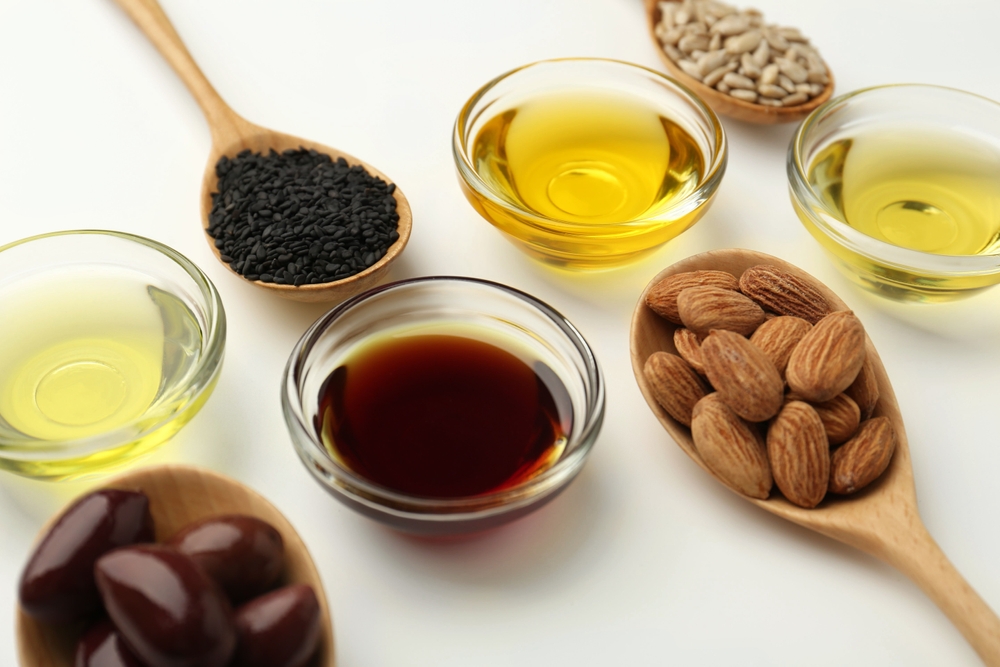
Oil is extracted from seeds to create seed oils, also known as vegetable oils. Common examples include:
- Canola oil
- Sunflower oil
- Corn oil
- Soybean oil
- Grapeseed oil
- Sesame oil
- Safflower oil
- Peanut oil
- Cottonseed oil
Due to their affordability, versatility, and usefulness for baking and cooking, they are a common fixture in many kitchens. However, their reputation has taken a hit in recent years.
Why Do Some People Worry About Seed Oils?
A few concerns have made seed oils controversial:
- Inflammation and omega-6 fats: Omega-6 fatty acids, especially linoleic acid, are abundant in seed oils. Critics fear these fats may cause inflammation and increase the risk of heart disease and other chronic conditions.
- Processing techniques: Many manufacturers use solvents (like hexane) and refining procedures such as deodorizing. Some worry these techniques may degrade or damage the oils.
- Trans fats: Reusing oil for frying or processing food at high heat can result in trace amounts of trans fats, which are harmful in excess.
- Connection to processed foods: Fried and packaged foods often contain seed oils. However, most health risks come from excess sugar, salt, and additives rather than the oils themselves.
What Does the Research Say?
The good news is that most research refutes the idea that moderate use of seed oils is harmful. In fact, they may even offer some health benefits:
- Support for heart health: The unsaturated fats in seed oils can lower LDL (“bad”) cholesterol and may reduce the risk of heart disease and stroke. Higher consumption of linoleic acid has even been linked to lower cardiovascular mortality in some studies.
- Myths about inflammation: Although omega-6 fats can convert into compounds linked to inflammation, research shows this effect is minimal. Overall, omega-6s don’t significantly raise inflammation levels in the body.
- Antioxidant benefits: Many seed oils contain vitamin E, a powerful antioxidant that helps protect cells from damage.
- Blood sugar balance: Replacing some saturated fats or refined carbs with seed oils may improve insulin sensitivity and help regulate blood sugar, especially for people with diabetes or prediabetes.
How to Use Seed Oils Wisely
Seed oils can be part of a healthy diet if used smartly:
- Moderation is key: A few tablespoons for cooking or a drizzle on salad is plenty. Remember, oils are calorie-dense.
- Mind the smoke point: Canola, peanut, and avocado oils are better for high-heat cooking. Others, like grapeseed or sunflower oil, work best in dressings or low-heat dishes.
- Avoid reusing oil: Using the same oil repeatedly can create harmful compounds, including trans fats. Always use fresh oil.
- Store properly: Keep oils in a cool, dark place, tightly sealed. Aim to finish them within 3 months after opening, or within 6–12 months unopened.
Bottom Line
It’s not always true that seed oils are bad. In moderation, they may help improve cholesterol, support heart health, and provide antioxidant benefits. The bigger issue is how much oil we consume—especially in ultra-processed foods—not the oils themselves.
So go ahead and enjoy a drizzle of sunflower oil on your salad or a splash of canola in your stir-fry. As with most aspects of nutrition, balance is key.