
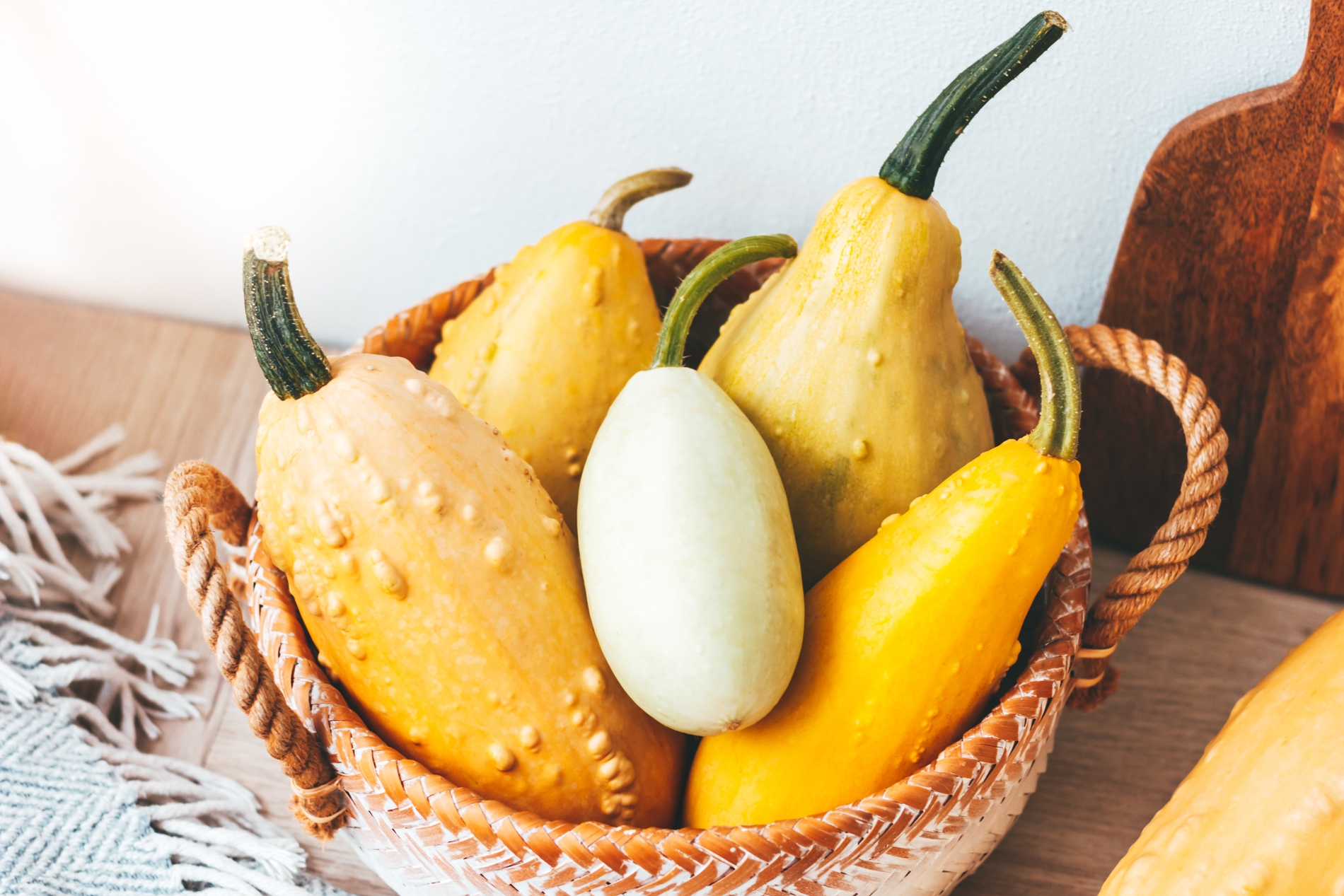
Bananas are often the go-to fruit for potassium, but at 422 mg per medium fruit, they don’t even crack the top tier. Potassium is essential for controlling blood pressure, maintaining fluid balance, regulating nerve signals, and keeping your muscles, including the heart, functioning properly. A diet rich in potassium lowers the risk of stroke, heart disease, and kidney stones. Here are 13 foods that contain more potassium than a banana, plus the extra benefits they bring to the table.
1. Sweet Potatoes
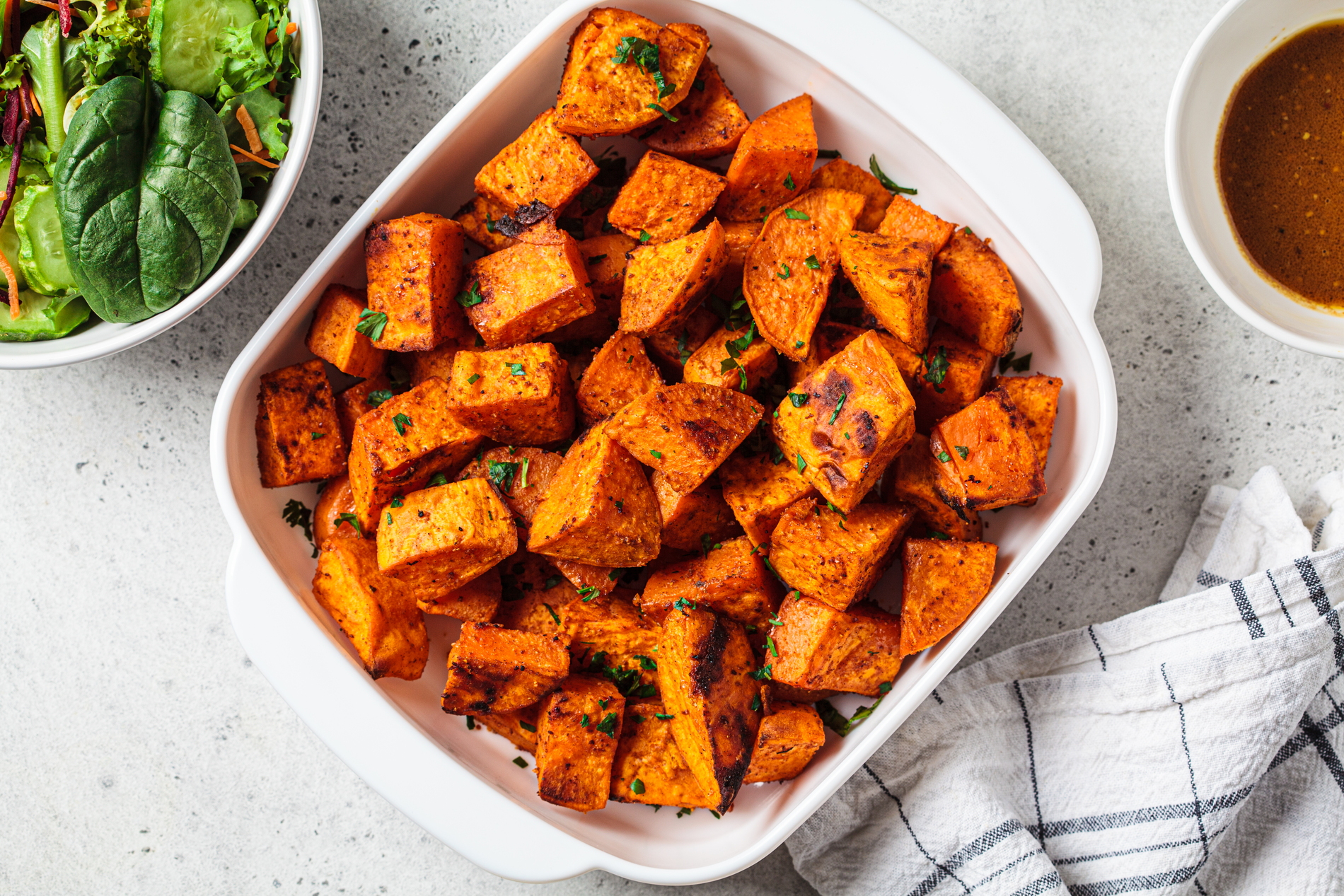
One medium sweet potato has about 541 mg of potassium. On top of that, sweet potatoes are rich in beta-carotene, which the body converts to vitamin A to support eye and skin health. Their combination of potassium and fiber helps control blood pressure while keeping digestion smooth.
2. Avocados
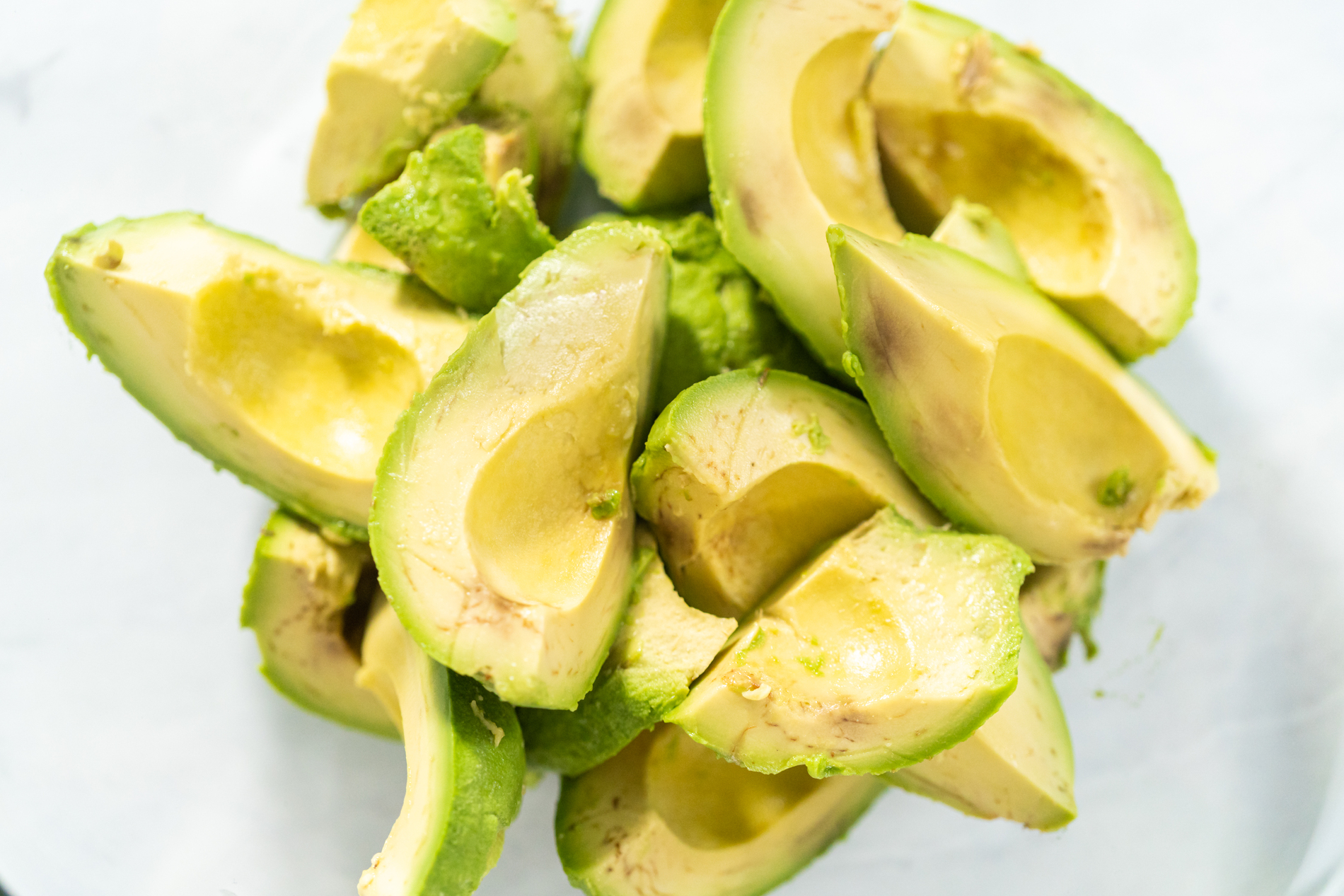
A whole avocado delivers nearly 975 mg of potassium. Beyond that, it’s packed with monounsaturated fats that improve cholesterol balance and fiber that stabilizes blood sugar. The mix of potassium and healthy fats makes avocados particularly heart-friendly.
3. Spinach
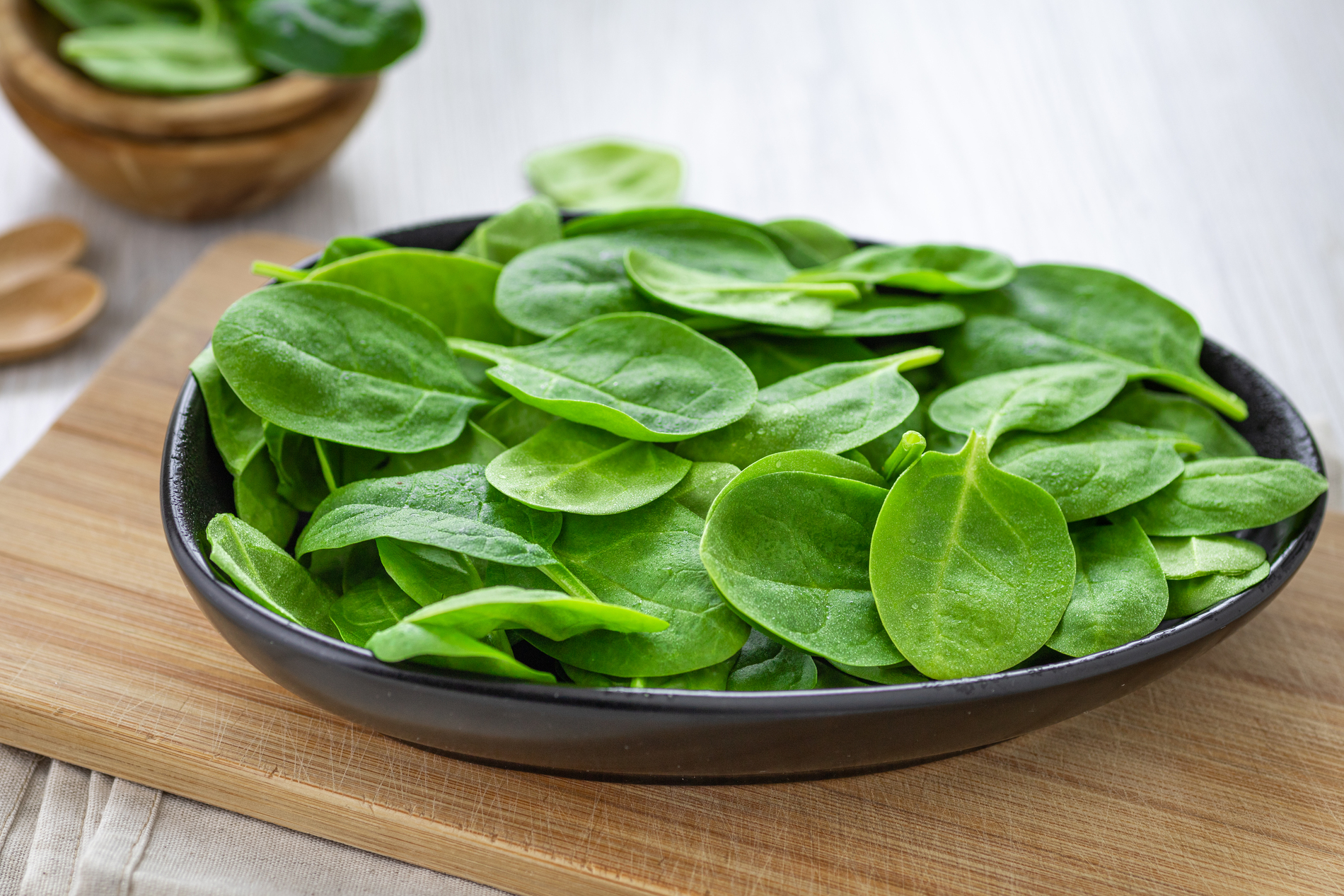
A cup of cooked spinach contains about 839 mg of potassium. Spinach is also loaded with iron, folate, and vitamin K, all vital for healthy blood and bones. It’s a nutritional powerhouse that supports both circulation and muscle function.
4. White Beans
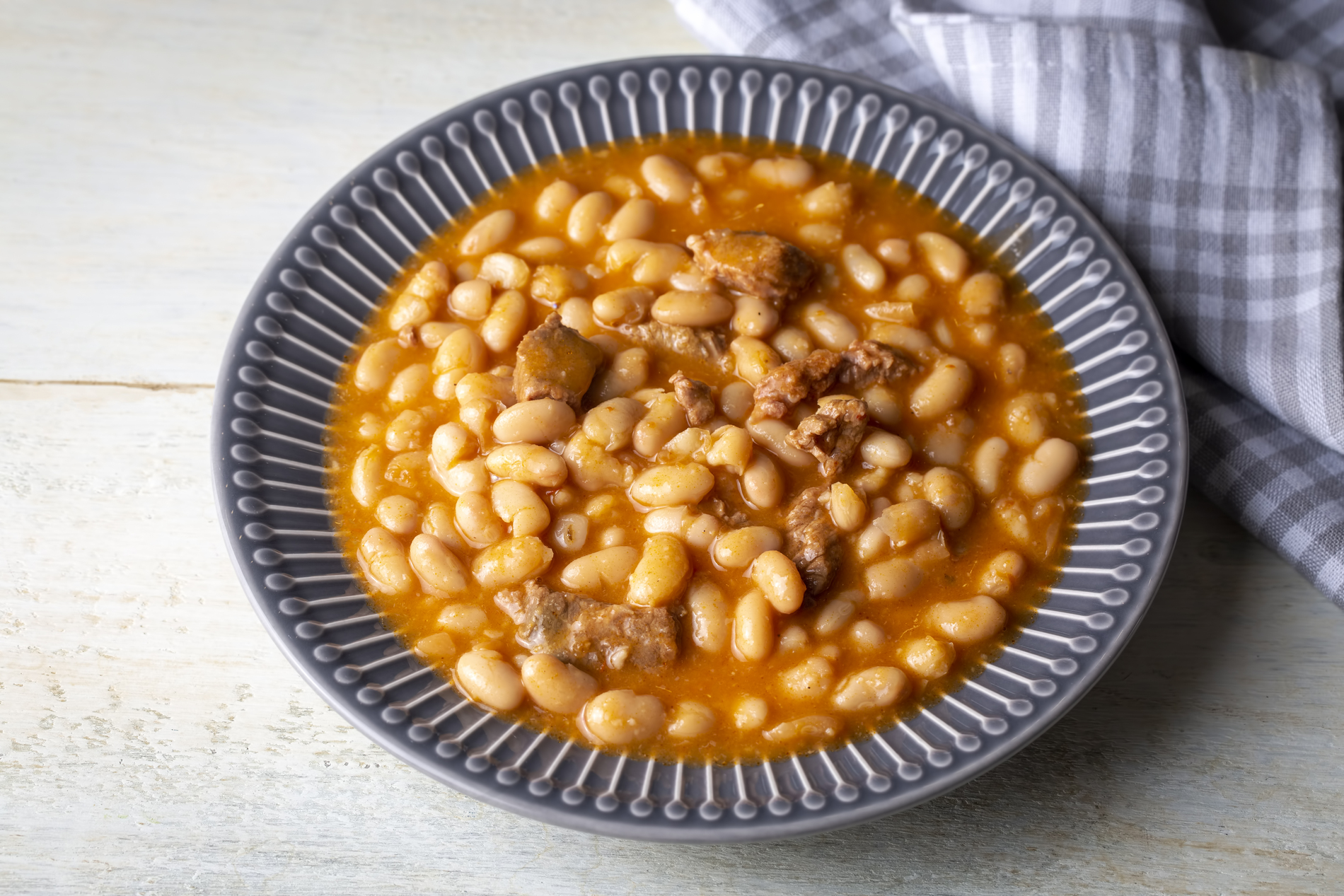
One cup of cooked white beans has around 1,189 mg of potassium — nearly three times the amount in a banana. They also provide plant-based protein and soluble fiber, which lowers cholesterol and supports gut health.
5. Lentils
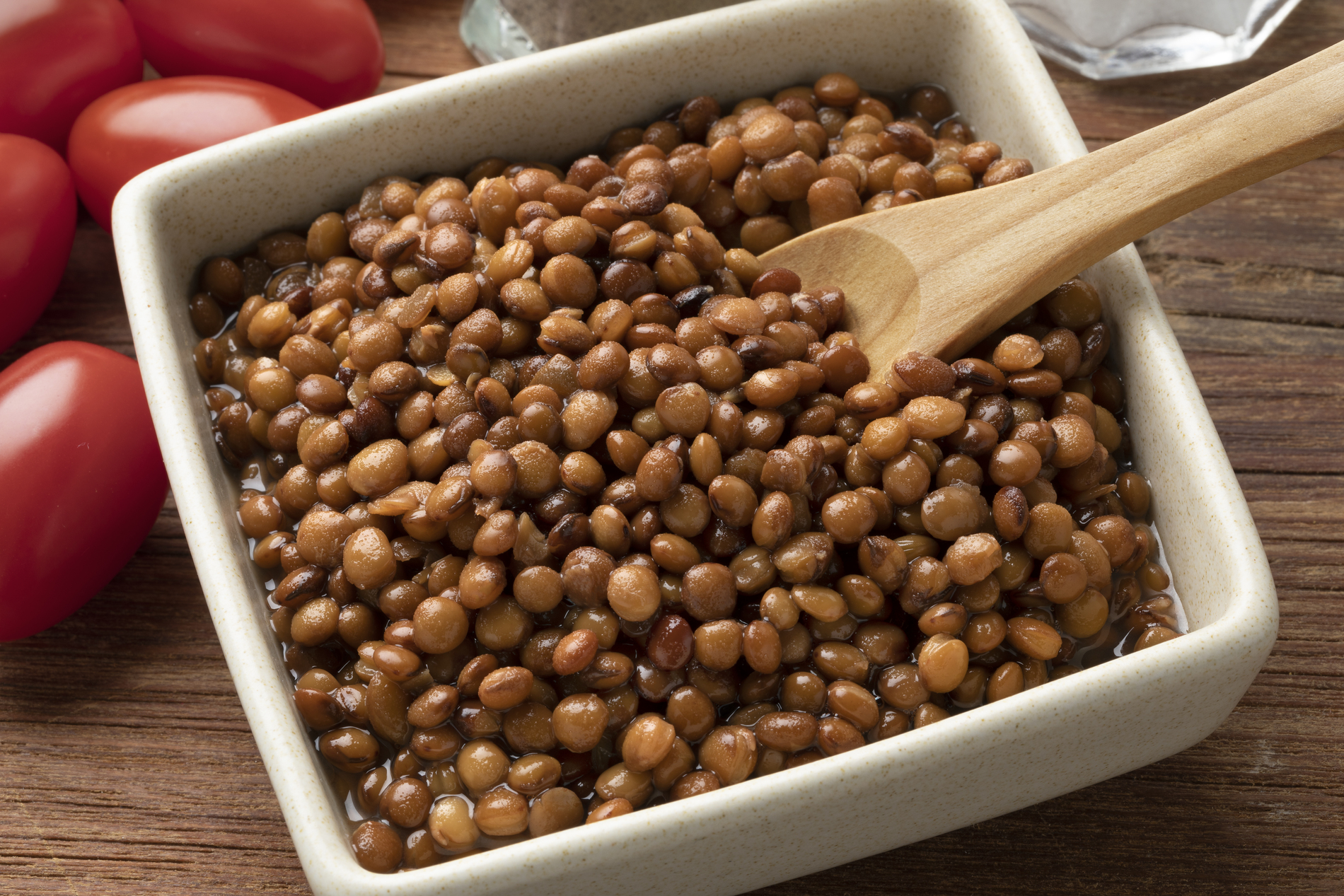
Cooked lentils contain about 731 mg of potassium per cup. They’re also high in protein and resistant starch, which promotes healthy gut bacteria. Lentils are inexpensive, versatile, and excellent for maintaining energy levels while supporting heart health.
6. Acorn Squash
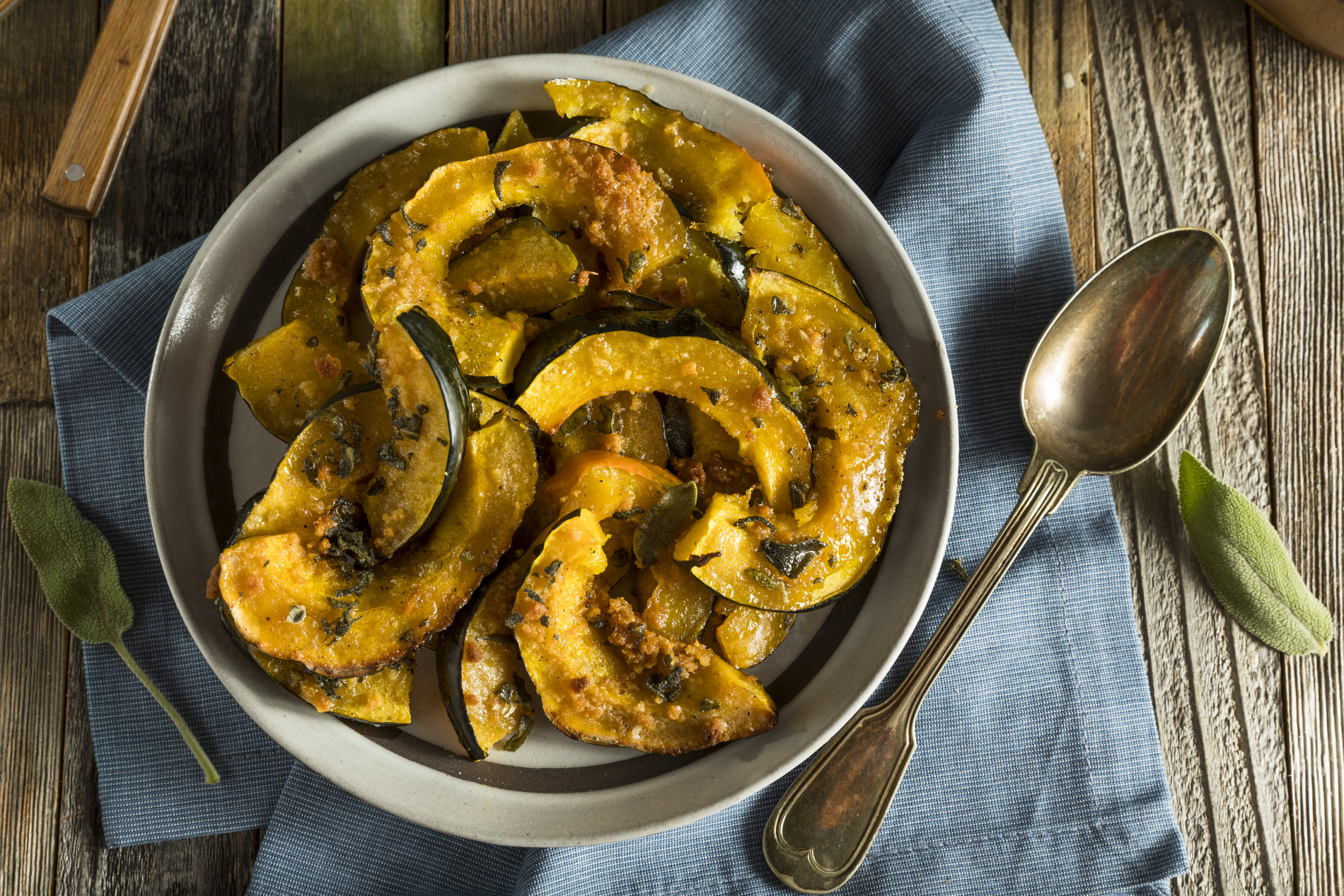
One cup of baked acorn squash has roughly 896 mg of potassium. It’s also rich in vitamin C and fiber, both of which improve immunity and digestion. The potassium helps reduce blood pressure, while the antioxidants protect against inflammation.
7. Beet Greens
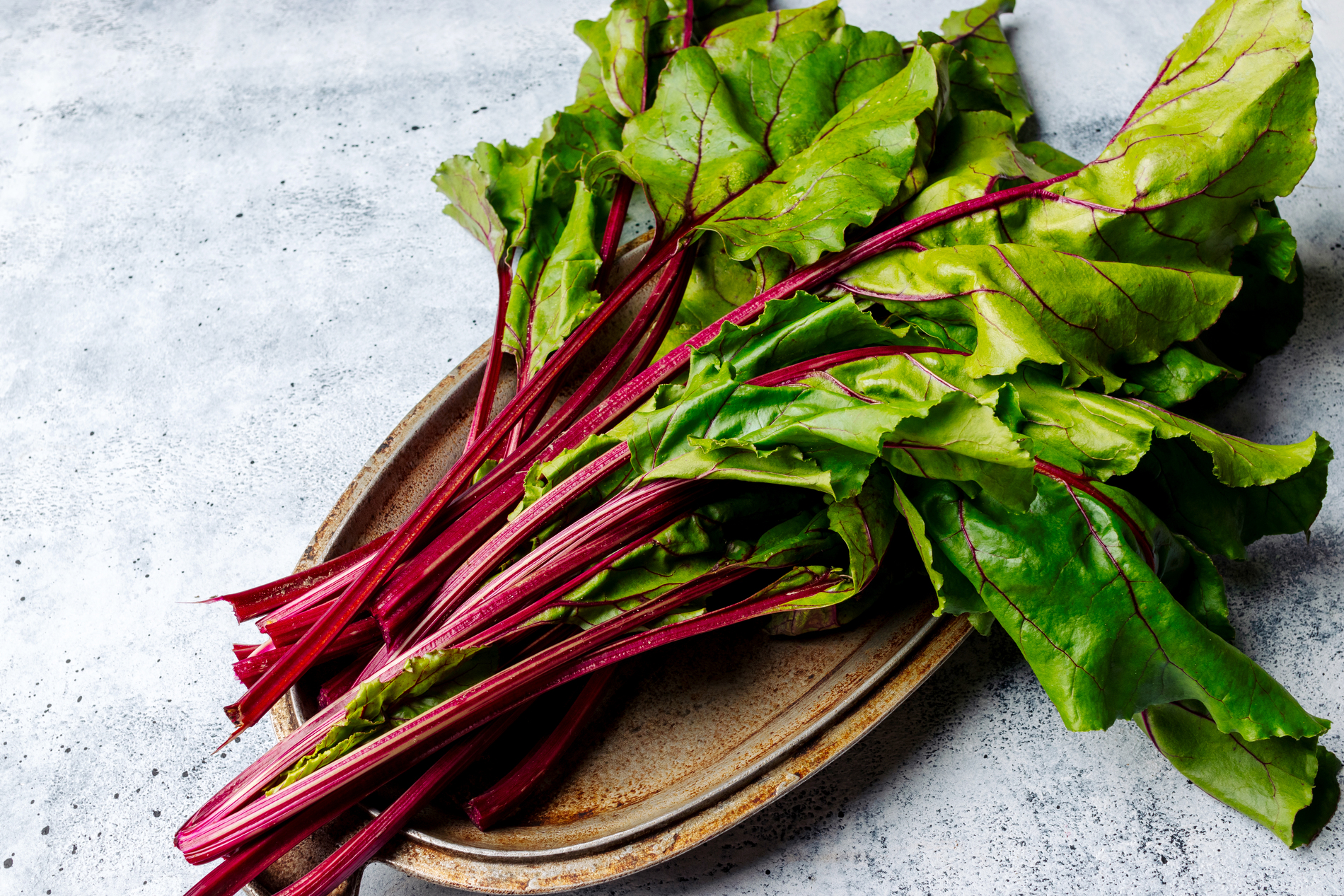
Cooked beet greens top the list with an impressive 1,309 mg of potassium per cup. They’re also a strong source of calcium, iron, and antioxidants that support both bone and heart health. Eating the greens instead of discarding them adds a huge nutritional boost.
8. Swiss Chard
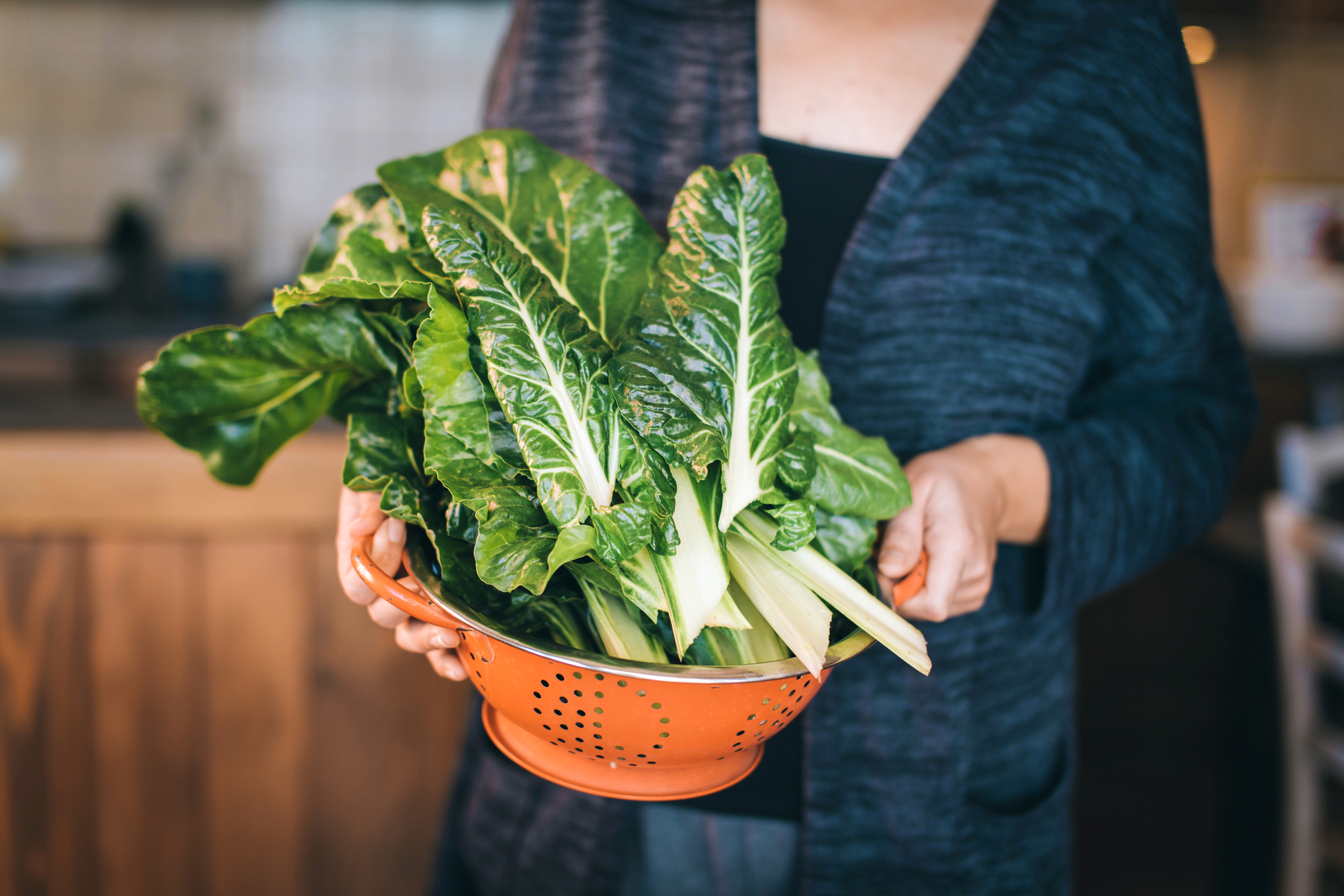
Swiss chard provides about 961 mg of potassium per cooked cup. It’s also loaded with magnesium and vitamin K, which strengthen bones and support nerve function. This leafy green’s combination of minerals makes it a natural blood pressure regulator.
9. Edamame
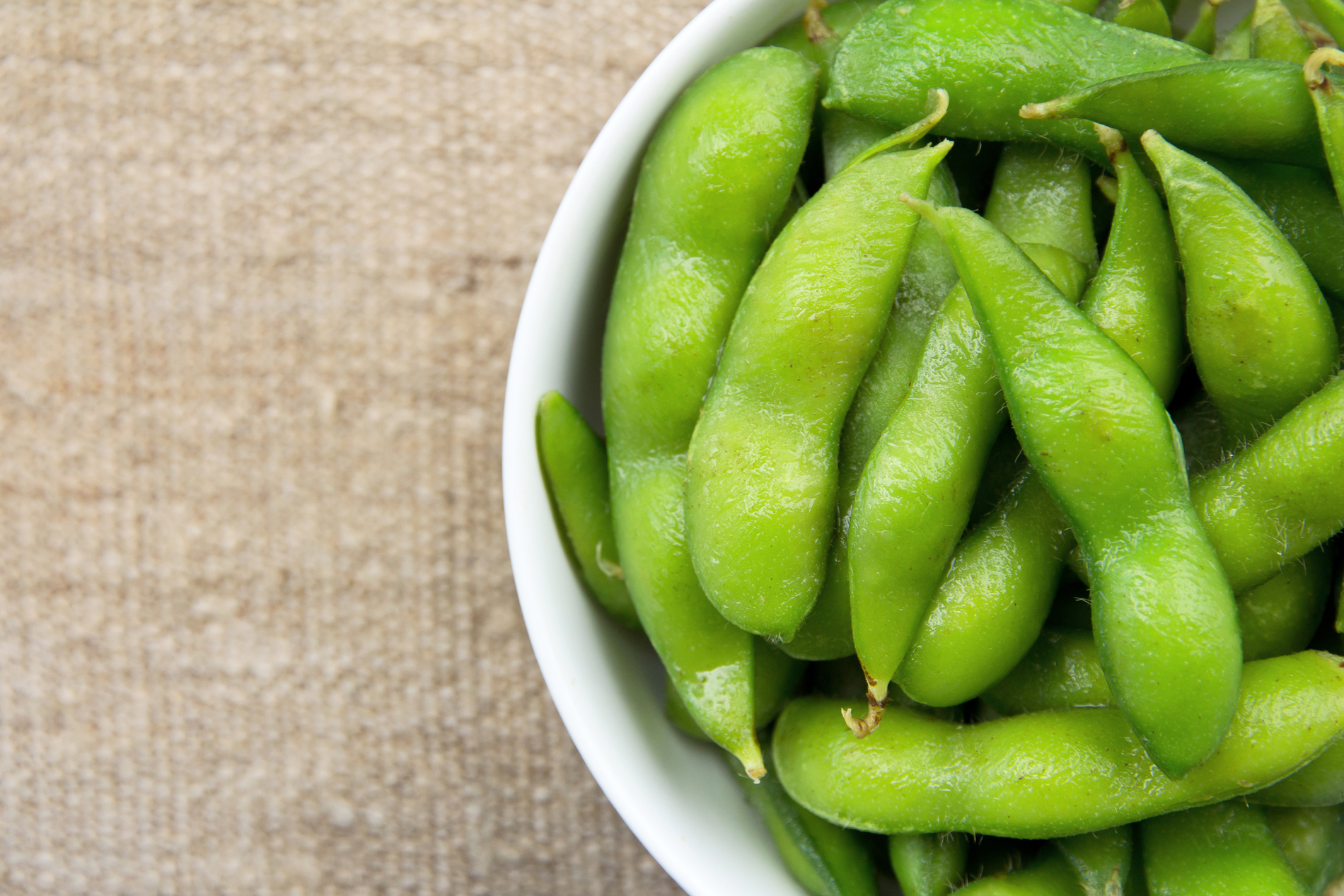
One cup of cooked edamame offers 676 mg of potassium along with complete plant protein. It also contains isoflavones, compounds that may support hormone balance and protect against certain chronic diseases.
10. Yogurt
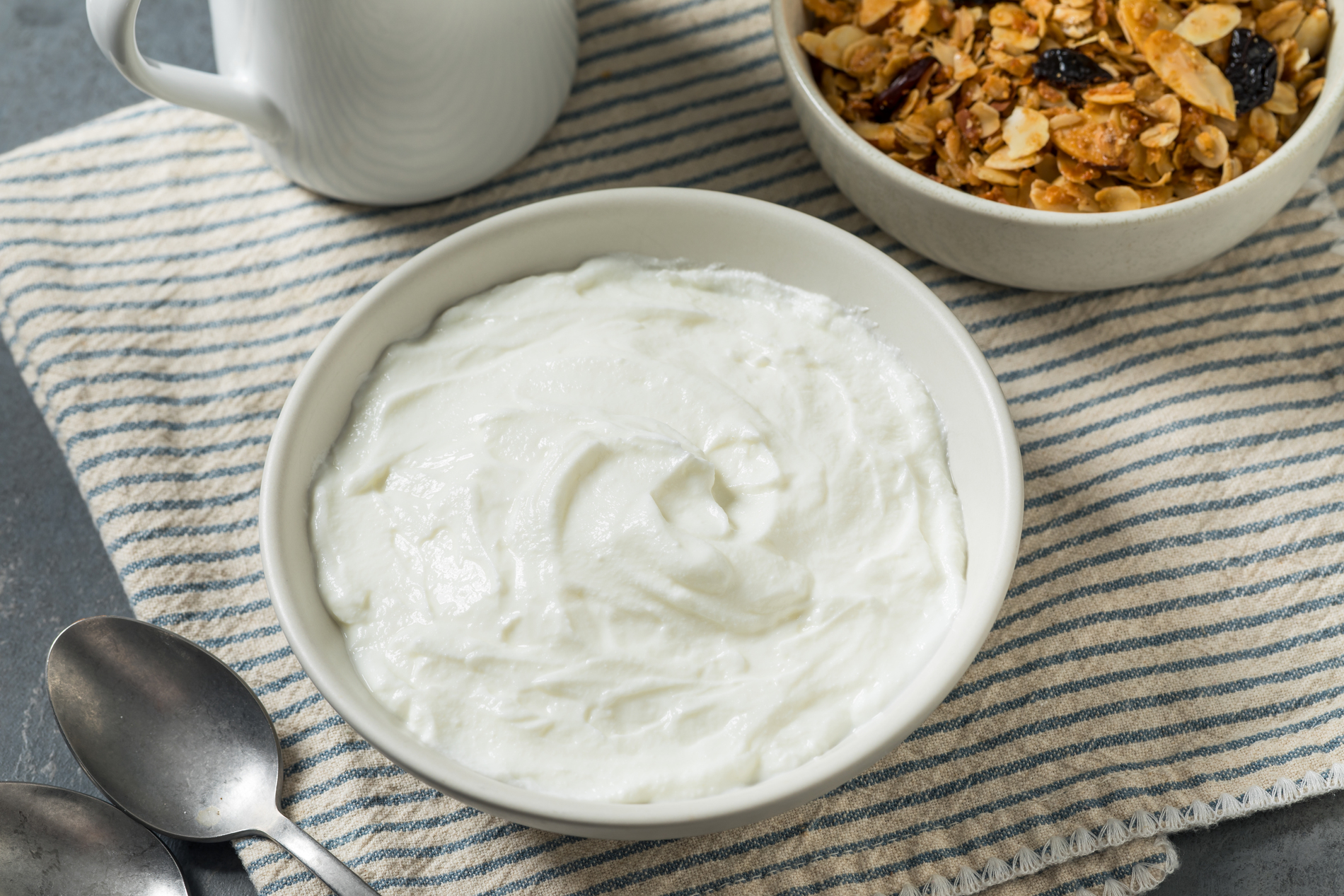
A cup of plain nonfat yogurt provides about 573 mg of potassium. It also contains probiotics that improve gut health and calcium for strong bones. The mix of protein, probiotics, and potassium makes it especially beneficial for people managing blood pressure.
11. Pomegranate
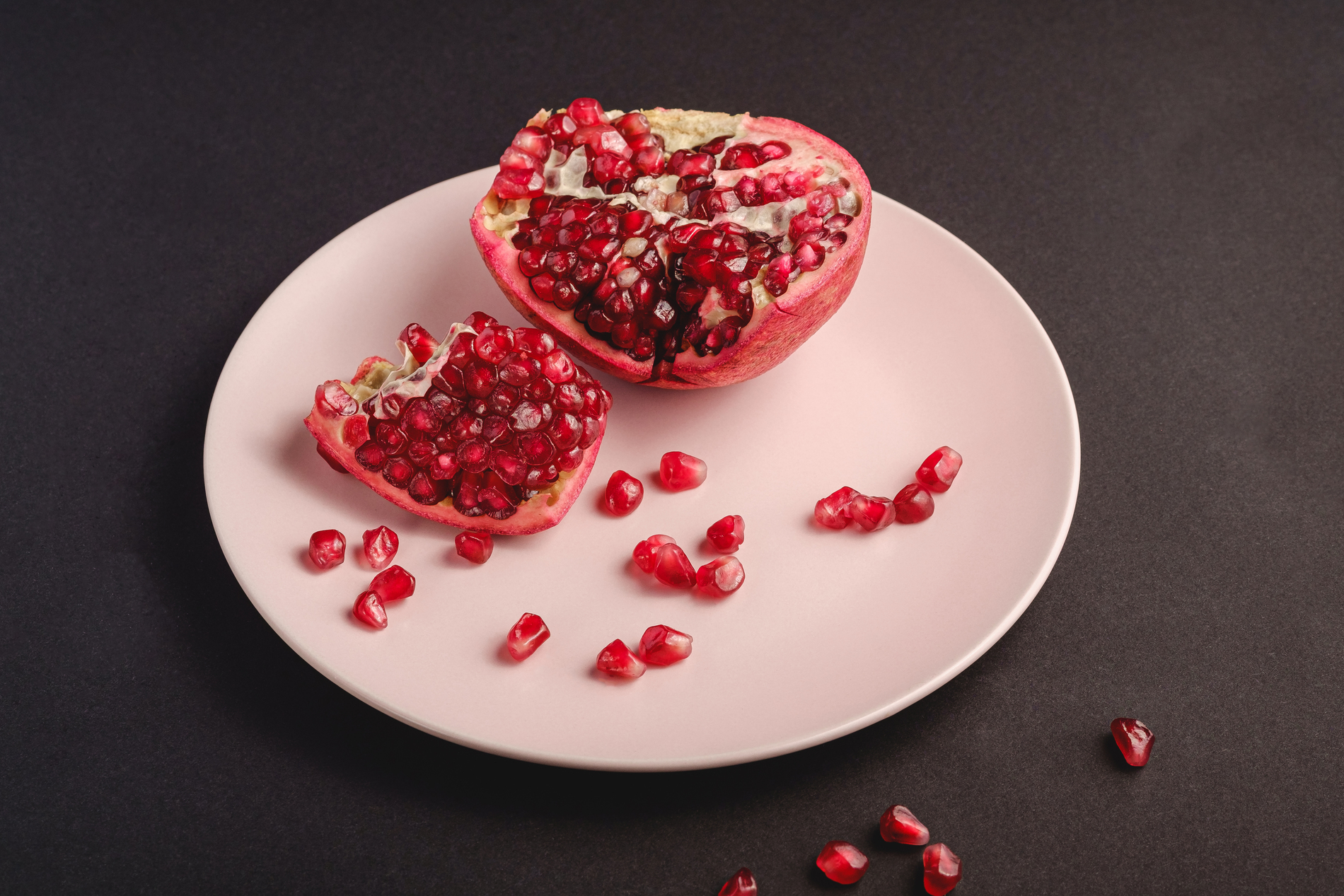
One whole pomegranate contains around 666 mg of potassium. It’s also rich in antioxidants like punicalagins that reduce inflammation and protect arteries. Pomegranate juice, when consumed in moderation, provides similar benefits for heart health.
12. Salmon
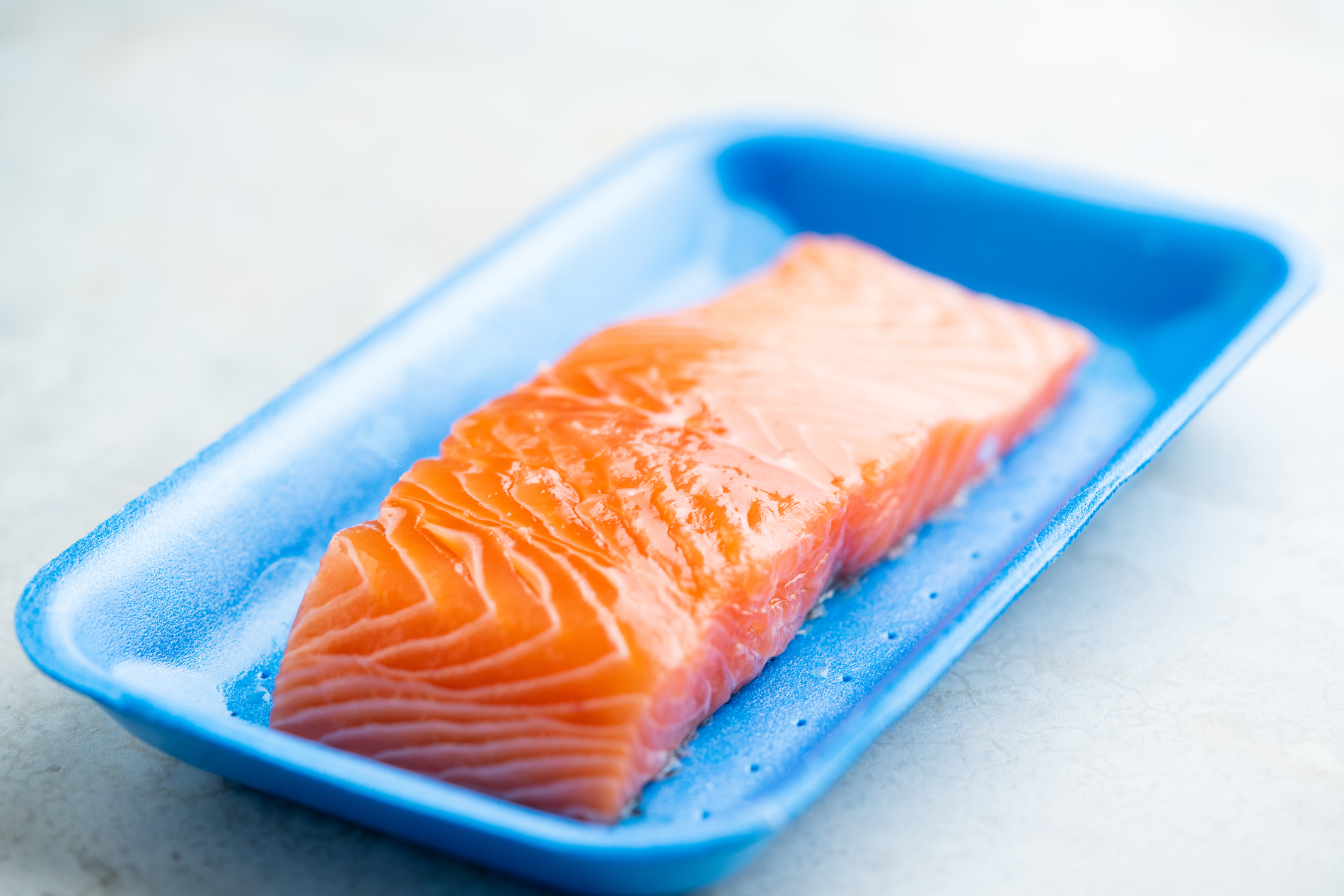
A 6-ounce fillet of salmon contains about 750 mg of potassium. In addition, it delivers omega-3 fatty acids that reduce inflammation, improve brain function, and protect the heart. This makes salmon a double win for cardiovascular health.
13. Coconut Water
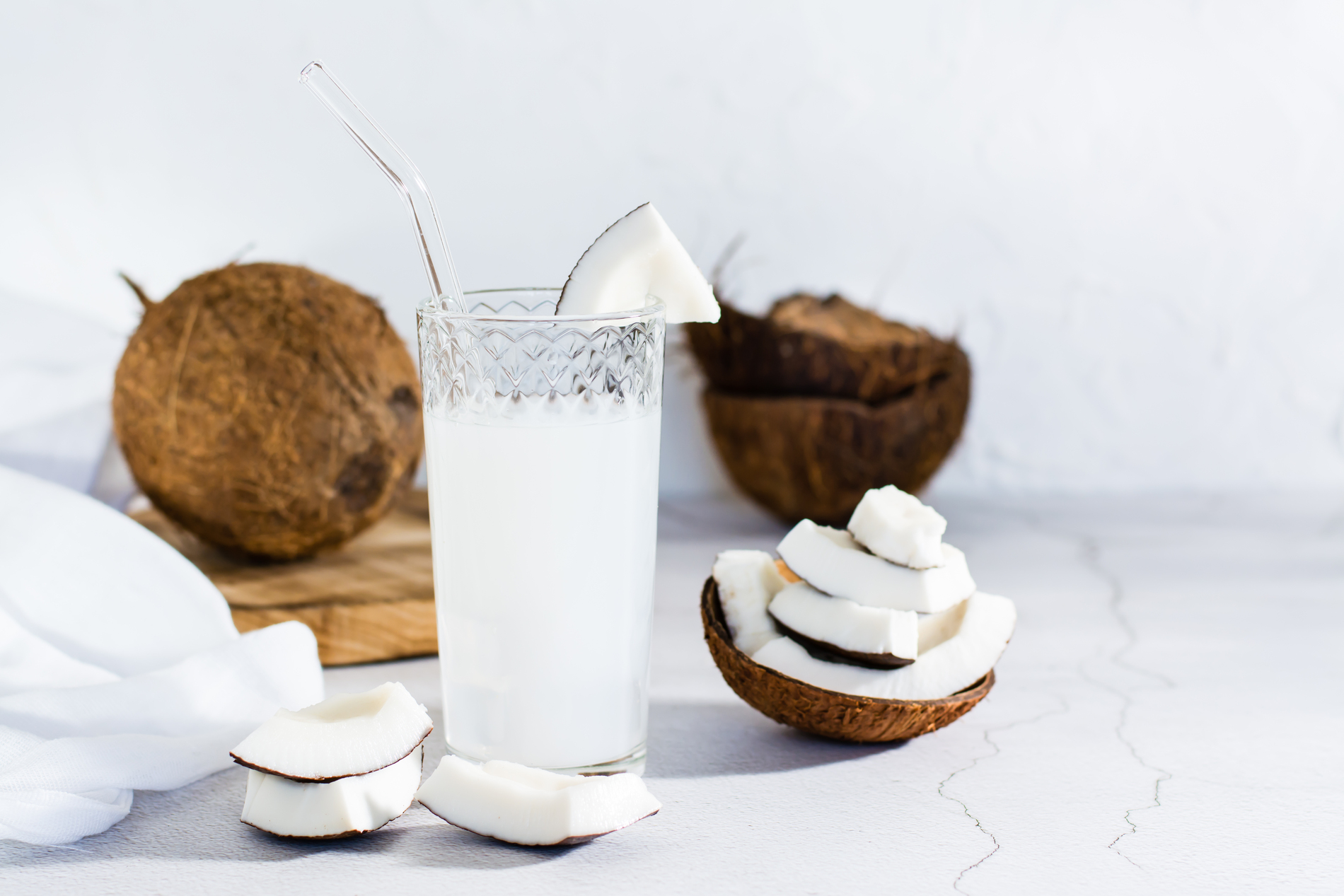
One cup of coconut water contains around 600 mg of potassium. Naturally hydrating, it also contains magnesium and sodium in balanced amounts, making it a healthy electrolyte drink after exercise. Unlike sports drinks, it’s low in added sugar.
The Takeaway
Bananas are a good source of potassium, but they’re far from the richest option. Sweet potatoes, beans, leafy greens, salmon, and even coconut water all deliver more of this essential mineral, along with added nutrients that support heart, muscle, and digestive health. Including a variety of these foods in your meals ensures you get enough potassium to keep your body functioning at its best.