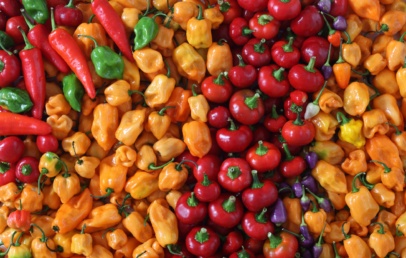
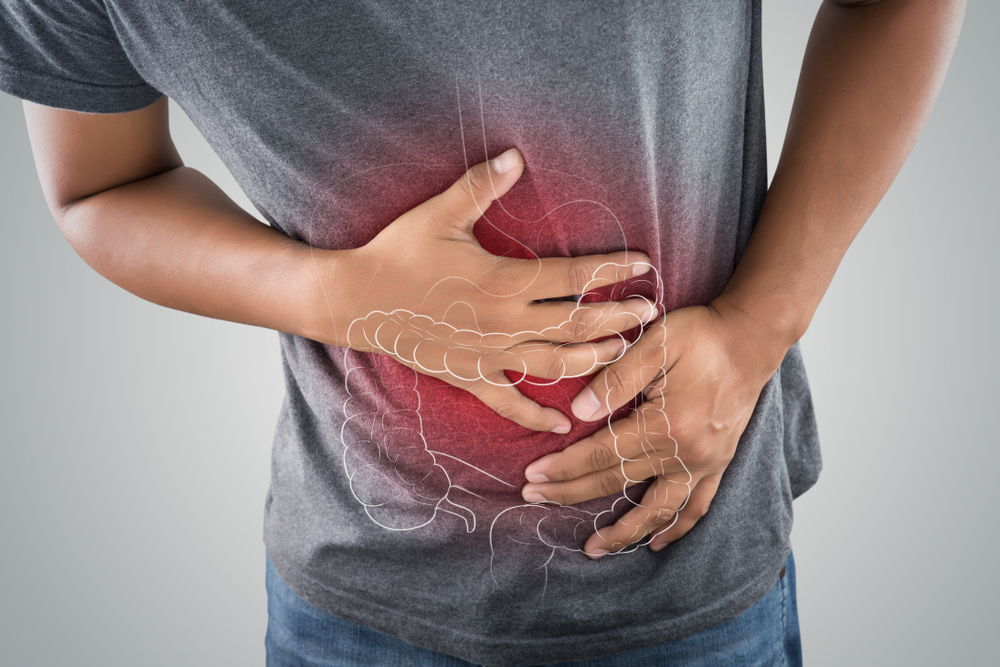
Constipation is something many of us experience from time to time, and it can be uncomfortable, frustrating, and downright annoying. While fiber supplements and medications exist, nature often provides some of the tastiest solutions. Eating the right foods can help your digestive system get back on track, naturally and gently. Here are 11 foods that can help relieve constipation while keeping your meals delicious.
1. Apples
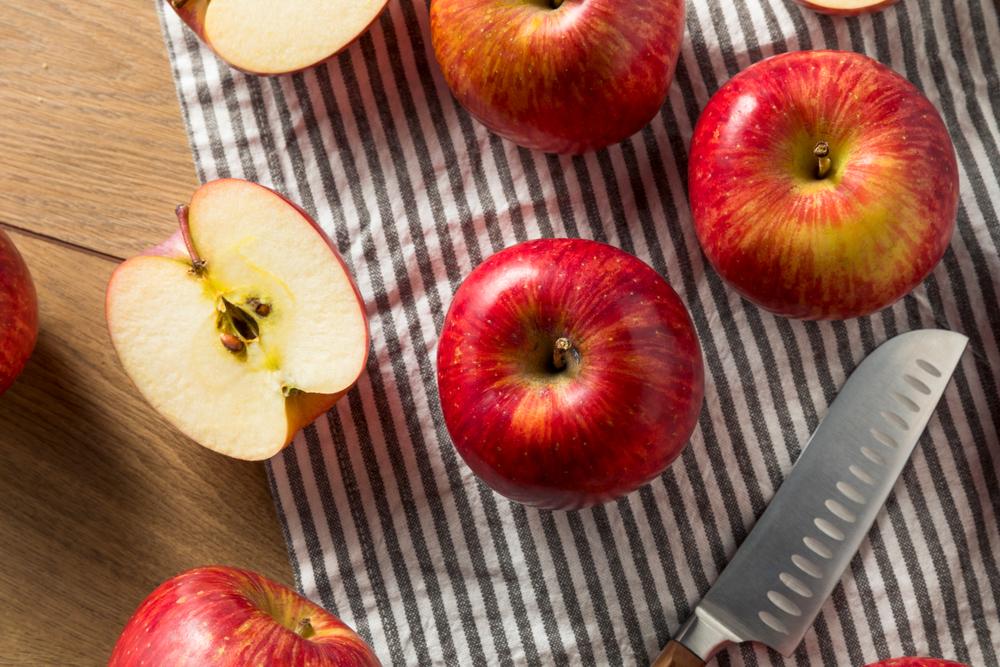
Apples are rich in soluble fiber, particularly pectin, which helps absorb water and soften stool. This makes it easier for the digestive system to move waste. Eating the skin increases fiber intake. Research suggests that regularly consuming apples can improve bowel regularity and reduce the risk of constipation.
2. Pears

Pears contain both soluble and insoluble fiber, with a high content of sorbitol—a natural sugar alcohol with a mild laxative effect. Eating a medium pear with the skin can provide about 5–6 grams of fiber, which supports regular bowel movements.
3. Prunes

Prunes (dried plums) are a well-known remedy for constipation due to their high fiber content and compounds like dihydrophenylisatin, which stimulate bowel movements. Studies have shown that 4–5 prunes daily can effectively improve stool frequency and consistency.
4. Kiwi
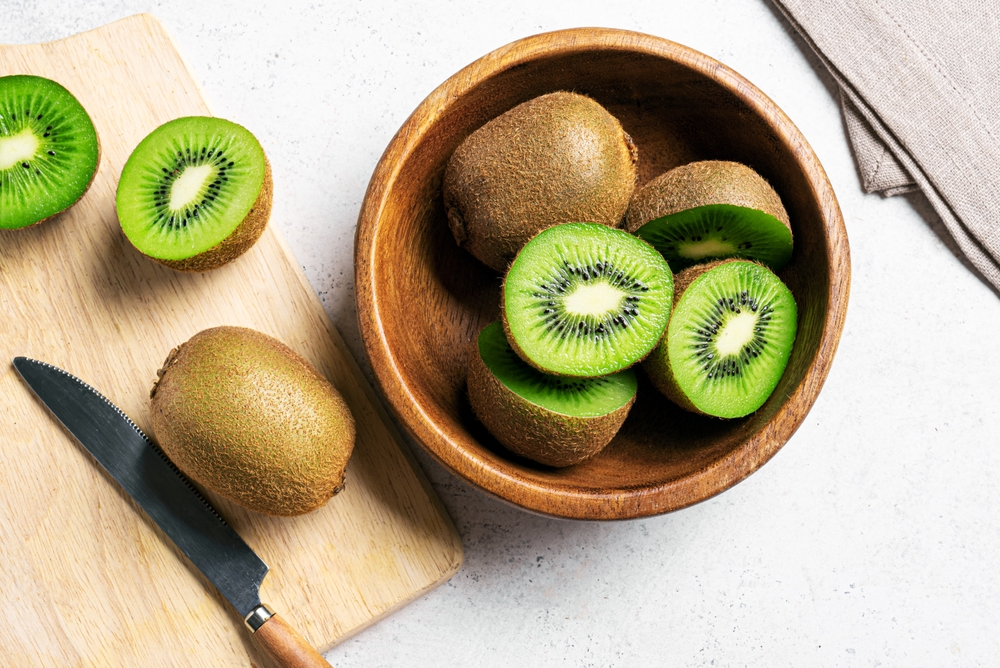
Kiwi is rich in both fiber and digestive enzymes such as actinidin, which help break down proteins and accelerate intestinal transit. Research shows that eating 2–3 kiwis daily may improve bowel movement frequency, especially in individuals with mild constipation.
5. Flaxseeds

Flaxseeds are an excellent source of both soluble and insoluble fiber, which add bulk to stool and promote peristalsis (intestinal contractions). Ground flaxseeds are easier to digest and can be added to yogurt, smoothies, or oatmeal. They also contain omega-3 fatty acids, which support overall gut health.
6. Oats

Oats contain soluble fiber in the form of beta-glucan, which absorbs water and forms a gel-like consistency in the gut. This softens stool and promotes regular bowel movements. Daily consumption of oatmeal can also support a healthy gut microbiome.
7. Spinach
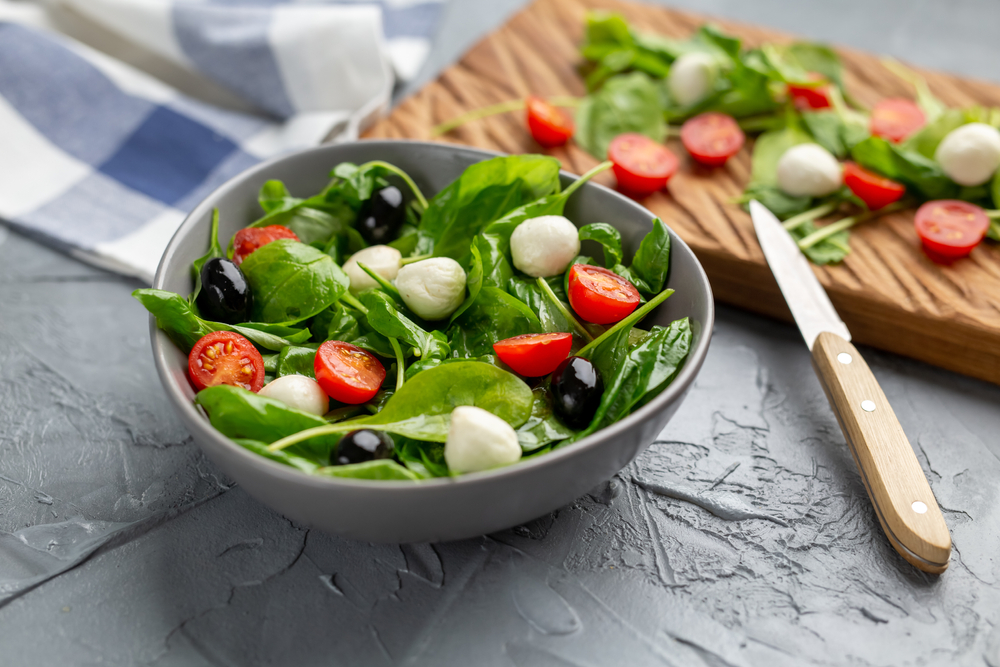
Leafy greens like spinach are high in fiber and magnesium, both essential for healthy digestion. Magnesium draws water into the intestines, softening stool and promoting bowel movements. Incorporating spinach into meals can reduce constipation and improve gut function.
8. Beans and Lentils
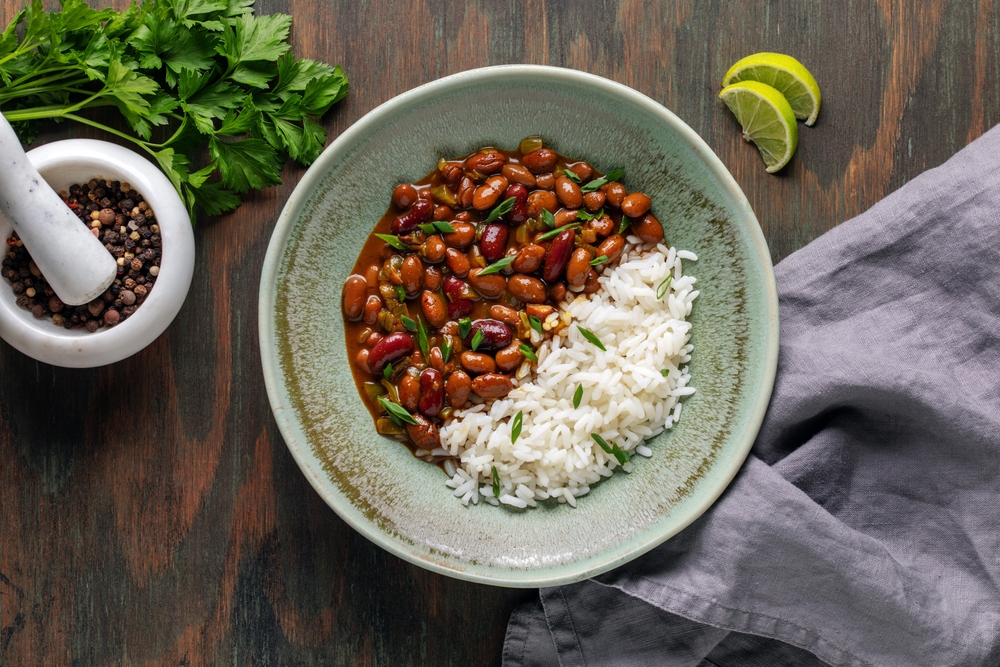
Legumes such as black beans, lentils, and chickpeas are rich in fiber and resistant starch, which adds bulk to stool and supports the growth of beneficial gut bacteria. Regular consumption improves intestinal motility and reduces the risk of chronic constipation.
9. Yogurt

Yogurt contains probiotics—beneficial bacteria like Lactobacillus and Bifidobacterium—that balance gut flora. A healthy microbiome supports efficient digestion and regular bowel movements. Opt for plain, unsweetened yogurt to maximize benefits.
10. Chia Seeds
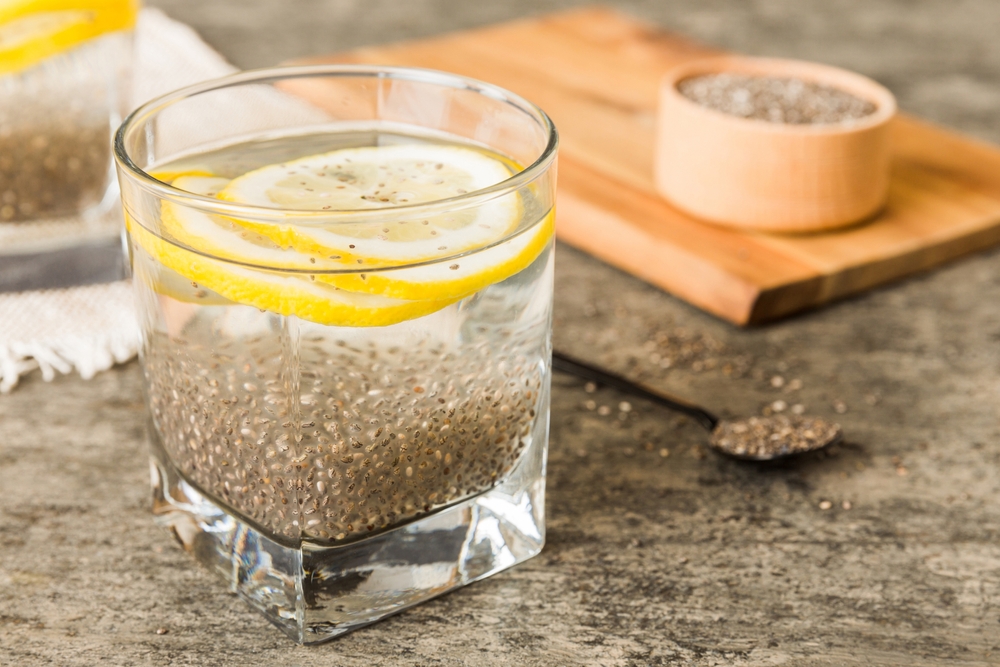
Chia seeds absorb water and expand, forming a gel-like substance that eases stool passage. They are also high in fiber and omega-3s. Adding 1–2 tablespoons of soaked chia seeds to smoothies, cereals, or salads can improve bowel regularity.
11. Watermelon

Watermelon is naturally high in water content and fiber, both of which are essential for softening stool. Adequate hydration works hand-in-hand with fiber to prevent constipation. Eating watermelon as a snack or dessert can be a hydrating way to support digestion.
Key Tips for Preventing Constipation
- Stay hydrated: Drinking enough water helps fiber work effectively in the digestive tract.
- Exercise regularly: Physical activity stimulates intestinal muscles, improving bowel movement frequency.
- Gradually increase fiber: Sudden large amounts can cause bloating. Introduce fiber-rich foods slowly.
- Maintain a balanced diet: Combining soluble and insoluble fiber, probiotics, and hydration is the most effective natural approach.
Incorporating these 11 foods into your daily diet can naturally relieve constipation and promote overall digestive health. By focusing on nutrient-rich, fiber-packed foods, you can keep your gut functioning smoothly without relying on harsh medications.