
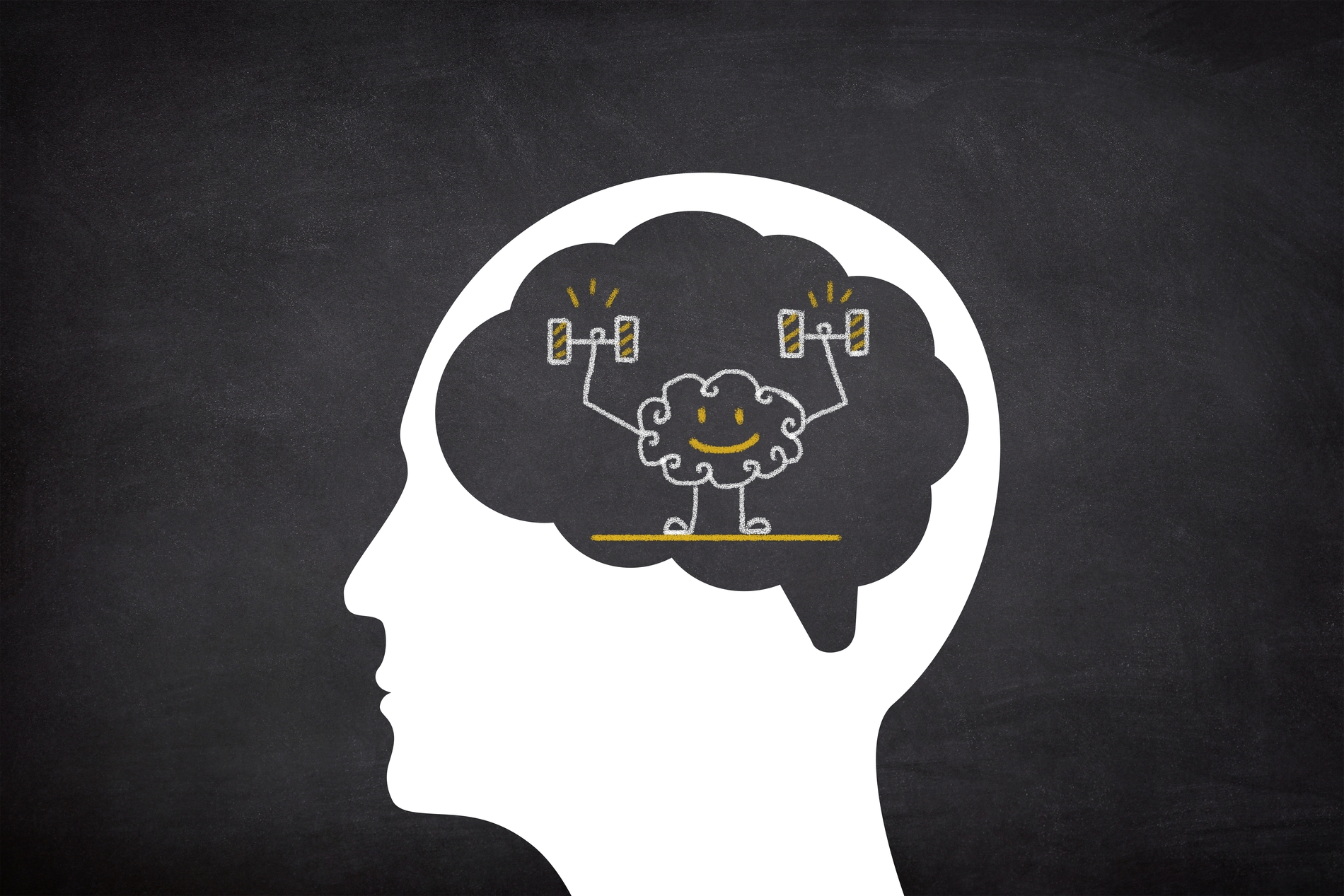
A simple habit like regular exercise may quietly strengthen your brain’s natural defenses as you age
When we talk about exercise, most people think about weight loss or stronger muscles. But scientists are now learning that moving your body may be just as important for your brain. New research shows that regular physical activity can help protect the brain from damage linked to Alzheimer’s disease.
Researchers from University of California San Francisco have discovered a biological process that explains why exercise improves memory and thinking. Their findings suggest that physical activity strengthens one of the brain’s most important defense systems.
The Brain’s Protective Shield
Your brain has a natural security system called the blood brain barrier. Think of it as a filter that carefully controls what enters the brain from the bloodstream.
When the barrier is strong, it blocks toxins and harmful substances from reaching sensitive brain tissue. But as people age, this barrier can become weaker and more fragile. Small leaks may start to appear, allowing harmful compounds to slip through.
When this happens, inflammation can develop inside the brain. Scientists believe this inflammation plays a major role in memory loss and conditions like Alzheimer’s.
What Happens in the Body During Exercise
Several years ago, researchers noticed something interesting while studying mice that exercised regularly. Their livers produced higher levels of an enzyme called GPLD1 enzyme.
This enzyme seemed to improve brain function and memory. However, scientists were confused about how it worked. The reason is simple. GPLD1 cannot actually enter the brain.
So the big question remained. How could an enzyme that never reaches the brain still help protect it?
The Missing Piece of the Puzzle
The new research finally answered that question.
Scientists found that GPLD1 affects another protein called TNAP protein. As animals get older, TNAP begins to build up in the cells that form the blood brain barrier.
Too much TNAP weakens this barrier and makes it easier for harmful substances to enter the brain.
Exercise changes that process. When the body produces GPLD1 during physical activity, the enzyme travels through the bloodstream and reaches the blood vessels surrounding the brain. There it removes excess TNAP from the surface of those cells.
By clearing away this protein, GPLD1 helps restore the strength of the blood brain barrier and reduces inflammation inside the brain.
What Scientists Observed in Experiments
To confirm their findings, researchers ran several experiments on mice.
Young mice that were genetically modified to produce extra TNAP began showing memory problems that normally appear in older animals.
In another test, scientists reduced TNAP levels in older mice that were about two years old, which is roughly equal to a 70 year old human. After the protein levels dropped, the blood brain barrier became stronger and inflammation decreased. The mice also performed better on memory tests.
Why This Discovery Matters
These findings open new possibilities for future treatments for Alzheimer’s and other brain diseases linked to aging. Scientists believe that medications designed to control proteins like TNAP could help repair the blood brain barrier later in life.
But there is also a simple message in this research.
Regular exercise may be one of the easiest ways to support long term brain health. Activities like walking, jogging, cycling, or even dancing can help keep both the body and the brain in better shape as the years go by.