
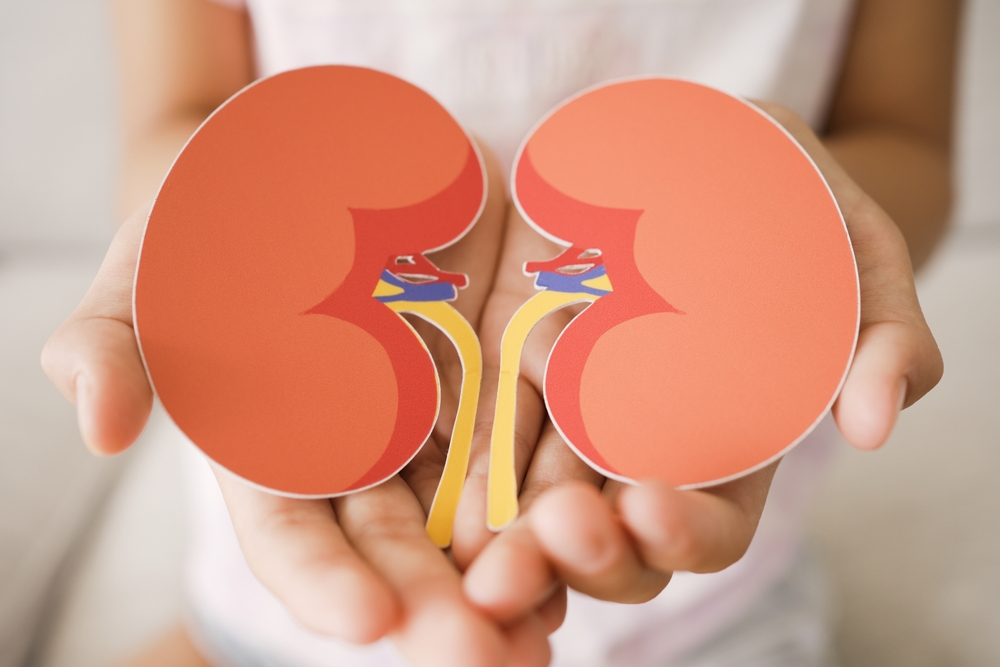
Small but mighty, your kidneys filter blood, eliminate waste, maintain electrolyte balance, control blood pressure, and even aid in the synthesis of red blood cells. Despite their significance, kidney issues are frequently overlooked until they have progressed because early indicators can be imperceptible. Knowing these symptoms can help you identify problems early and safeguard your long-term health. The 11 main symptoms listed below could indicate that your kidneys are not doing as well as they should.
1. Persistent Fatigue and Low Energy

Lack of sleep is not the only cause of persistent fatigue. Erythropoietin, a hormone produced by healthy kidneys, promotes the production of red blood cells. Reduced production of this hormone by your kidneys can result in fewer red blood cells and less oxygen reaching your muscles and brain. This frequently leads to weakness, exhaustion, and even anemia. Your kidneys may be in distress if you feel exhausted all the time even when you’re sleeping.
2. Swelling in Hands, Feet, or Ankles

Maintaining the proper ratio of salt to water in your body is one of the kidneys’ functions. Edema, or swelling, can develop in your legs, ankles, feet, or even around your eyes if they are unable to adequately eliminate extra fluid. This occurs as a result of tissue fluid accumulation. A healthcare professional should be consulted if swelling persists or cannot be explained, even though it can also be brought on by other illnesses like liver or heart disease.
3. Changes in Urination Patterns

Any discernible change could be a warning sign because the kidneys are directly in charge of producing urine. While some individuals with kidney problems urinate less frequently than usual, others do so more frequently, particularly at night. Urine may be dark, hazy, or tinged with blood, which could indicate damage to the kidneys’ filtering units; it may also appear foamy, which could indicate protein leakage. Urinary pain or discomfort may also indicate underlying issues.
4. Trouble Sleeping

Uremia is a condition where waste products accumulate in the blood due to poor kidney function. Sleeping soundly may become more difficult as a result of this accumulation. Additionally, some people get sleep apnea, which causes their breathing to stop repeatedly while they are asleep. If you wake up feeling exhausted or toss and turn a lot, it may be related to kidney health rather than just stress or lifestyle choices.
5. Dry, Itchy Skin

Your body’s delicate mineral and nutrient balance, which includes calcium and phosphorus, is maintained in part by the kidneys. Failing to do so can result in mineral and bone disorders, which frequently manifest as skin that is dry, itchy, and irritated. This kind of itching is persistent and can be all over the body, unlike normal dryness brought on by the weather. It’s a subtle but crucial indication that your kidneys might not be adequately controlling minerals.
6. Shortness of Breath

Breathing problems can be caused by kidney problems in two main ways. First, too much fluid may accumulate in the lungs, making deep breathing difficult. Second, your body may receive less oxygen if your red blood cell count is low due to decreased hormone production. This combination may cause you to experience dyspnea when engaging in activities like brisk walking or climbing stairs that you used to enjoy.
7. Nausea, Vomiting, and Loss of Appetite

Toxins build up in the bloodstream when the kidneys are unable to effectively eliminate waste. A weakened appetite, nausea, or vomiting may result from this accumulation upsetting the digestive tract. Uremia-related bad breath or a metallic taste in the mouth are also common symptoms. This is a serious symptom that should not be disregarded because it can eventually lead to unintended weight loss and malnutrition.
8. Puffy Eyes

It’s not always a sign of inadequate sleep when you wake up with puffy eyes. Instead of retaining protein in the bloodstream where it is required, it may be a sign that your kidneys are leaking it into the urine. Your body cannot operate at its best when protein is lost through the urine because it is necessary for the maintenance of healthy muscles and tissues. Puffy eyes are frequently an early indicator of kidney disease, particularly when accompanied by other symptoms.
9. Muscle Cramps and Twitches

Important electrolytes like calcium, potassium, and sodium are regulated by the kidneys. Unbalanced levels of these minerals can cause twitches, excruciating cramping in the muscles, or even more severe problems like irregular heartbeats. Although many people experience cramps occasionally, frequent or severe cramping may be a sign that your kidneys aren’t maintaining the proper balance of your electrolyte levels.
10. Difficulty Concentrating and Brain Fog

Your ability to think clearly may be impacted by kidney-related anemia, which lowers the amount of oxygen that reaches the brain. Individuals with kidney issues frequently experience dizziness, poor memory, difficulty focusing, or a generalized sense of mental “fog.” Although these symptoms might not seem serious, they could indicate that your kidneys aren’t functioning well enough to provide your body with the oxygen and nutrients it needs.
11. High Blood Pressure That Won’t Go Down
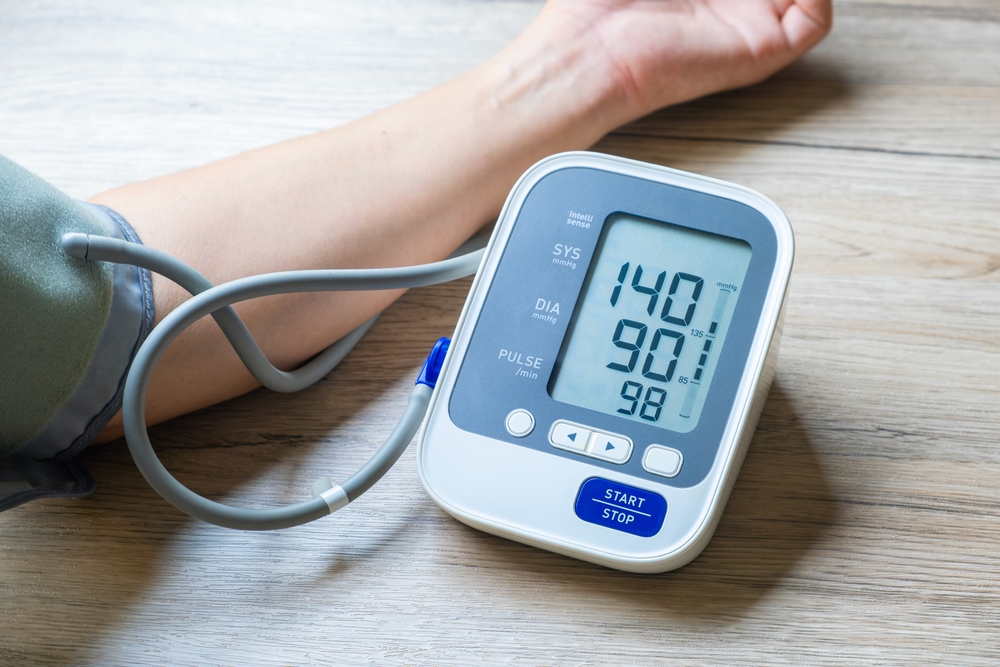
By regulating fluid levels and releasing hormones that control blood vessel function, the kidneys play a key role in blood pressure control. Resistant hypertension, which occurs when blood pressure stays high in spite of medication or lifestyle modifications, can be brought on by damaged kidneys. This leads to a risky cycle in which kidney damage is exacerbated by high blood pressure, which is also a major cause of kidney damage.
Why Early Detection Matters?

Since symptoms typically don’t show up until serious damage has been done, kidney disease is frequently referred to as a “silent disease.” Millions of people around the world live with impaired kidney function without even realizing it, according to the National Kidney Foundation. The good news is that additional harm can be slowed down or even avoided with early detection. To determine how well your kidneys are functioning, a straightforward blood test (eGFR) and urine test are typically sufficient.
Although they might not always catch your eye, your kidneys are vital to your general well-being. It is possible to identify kidney problems before they worsen by keeping an eye out for early warning indicators such as fatigue, swelling, or changes in urination. It’s crucial to consult your physician if you experience multiple of these symptoms. You can safeguard your kidneys and maintain their optimal function for many years to come by being vigilant and scheduling routine examinations.