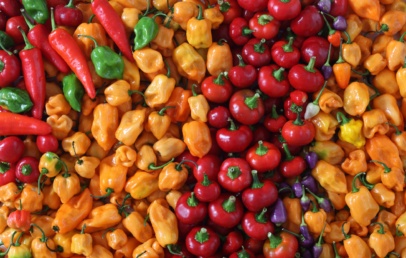

Have you ever eaten something and then experienced gassiness, bloating, or general discomfort? You’re not by yourself. Many people struggle to digest certain foods because of food intolerances, also known as food sensitivities. Food intolerances can certainly ruin your day, even though they aren’t as dangerous as food allergies.
Let’s examine the most prevalent food intolerances, their differences from allergies, and what to do if you think your body doesn’t like a particular food.
What Exactly Is a Food Intolerance?

Your body struggles to process a food or ingredient if you have a food intolerance. Bloating, gas, cramps, diarrhea, and nausea are typical symptoms. In contrast to allergies, intolerances do not affect the immune system. An elimination diet, which involves temporarily eliminating a food and then gradually reintroducing it to see if symptoms return, is typically necessary to identify them.
Food Intolerance vs Food Allergy
Histamines released by the immune system in response to food allergies can result in rashes, swelling, breathing problems, or even anaphylaxis. However, food intolerances are not life-threatening and primarily affect digestion. While both can be uncomfortable, intolerances can be controlled by understanding your boundaries and making dietary changes, while allergies need to be strictly managed by a doctor.
The 11 Most Common Food Intolerances
1. Dairy

Lack of the enzyme lactase, which breaks down milk sugar, causes lactose intolerance. Others react to the cow’s milk protein casein, which can lead to inflammation in the digestive tract. Bloating, cramping, diarrhea, and occasionally skin or respiratory problems are among the symptoms. Milk, cheese, butter, yogurt, and ice cream are examples of dairy products. Although some people may find goat and sheep milk easier to tolerate, they still contain casein and lactose.
2. Gluten
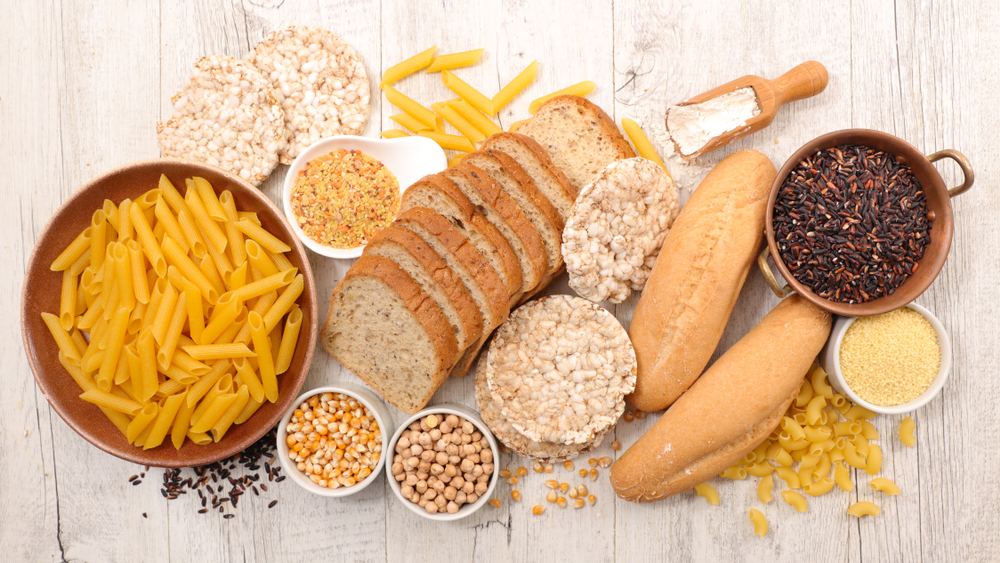
People with celiac disease must completely avoid gluten, a protein found in wheat, barley, and rye. Others might be sensitive to gluten, which results in fatigue, constipation, diarrhea, and bloating. Reading labels is crucial because gluten can be found in bread, pasta, cereals, crackers, sauces, and processed foods.
3. Eggs

Digestive problems like nausea, bloating, and stomach pain are caused by egg intolerance, which is frequently connected to proteins in egg whites. Avoiding eggs necessitates paying close attention to the ingredients because they are found in baked goods, pasta, sauces, and a lot of packaged foods.
4. Caffeine

Even small doses of caffeine can cause headaches, jitters, anxiety, dizziness, and difficulty sleeping in people who are sensitive to it. Genetics, weight, and metabolism all affect sensitivity. In addition to coffee and tea, other foods that contain caffeine include chocolate, energy drinks, sodas, and even decaf coffee.
5. Salicylates

Natural plant compounds called salicylates are present in aspirin and foods like coffee, celery, lentils, and strawberries. Children are more likely to be sensitive, and symptoms may include diarrhea, hives, sinus problems, or stomach pain. Avoiding aspirin and consuming fewer foods high in salicylate may be helpful.
6. Peanuts
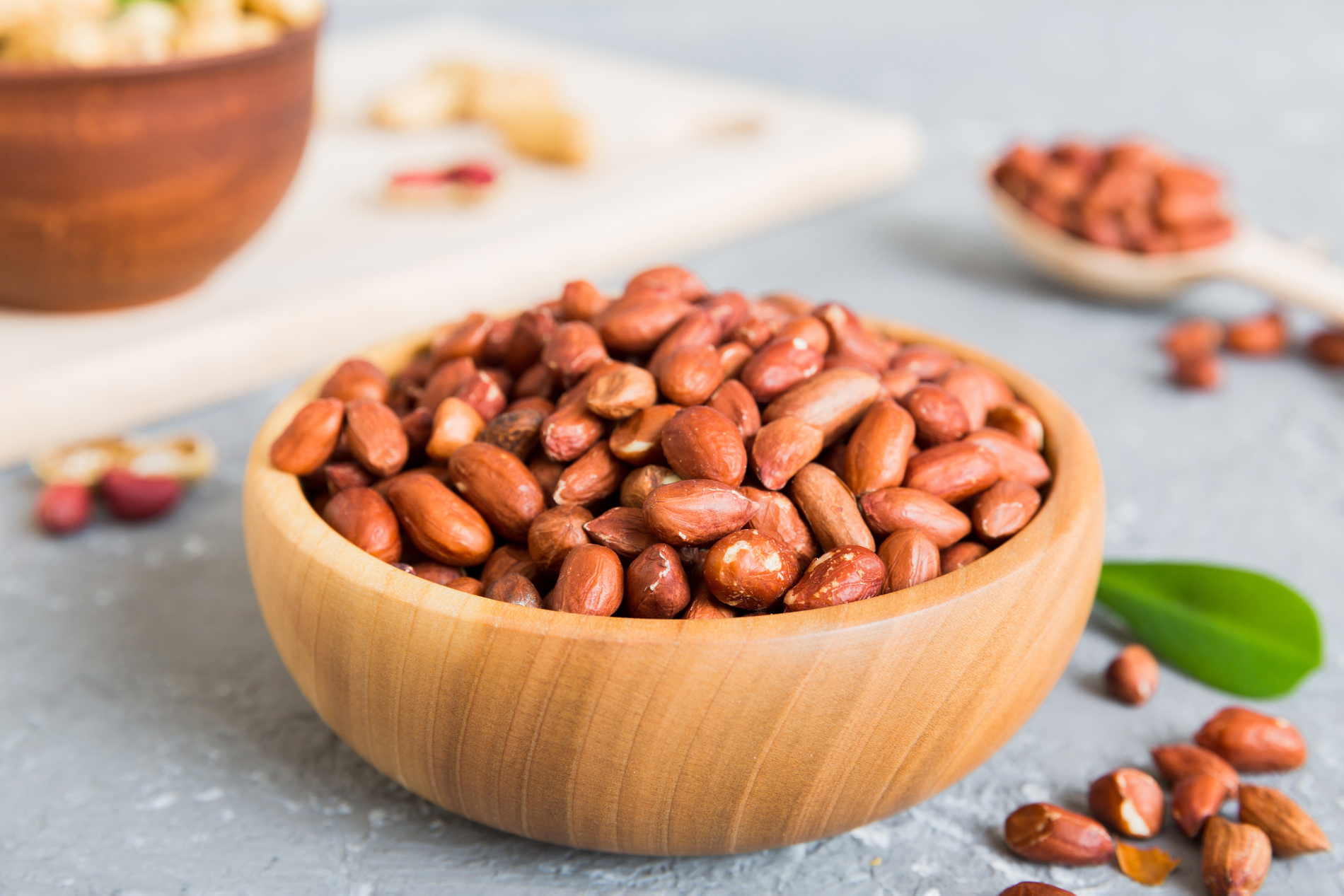
Some people have peanut intolerance, which upsets the digestive system without involving the immune system, even though peanut allergies can be quite severe. Bloating and stomach discomfort are possible symptoms. Avoiding peanuts can be difficult because they are frequently found in peanut butter, candies, sauces, and baked goods.
7. Amines (Including Histamine)

Foods undergo fermentation, aging, or storage to produce amines like histamine. Amine sensitivity can cause low blood pressure, cramps, hives, headaches, and flushing. Aged cheeses, cured meats, wine, pickled vegetables, and some fruits, such as strawberries and bananas, are foods that are high in amines.
8. High-FODMAP Foods
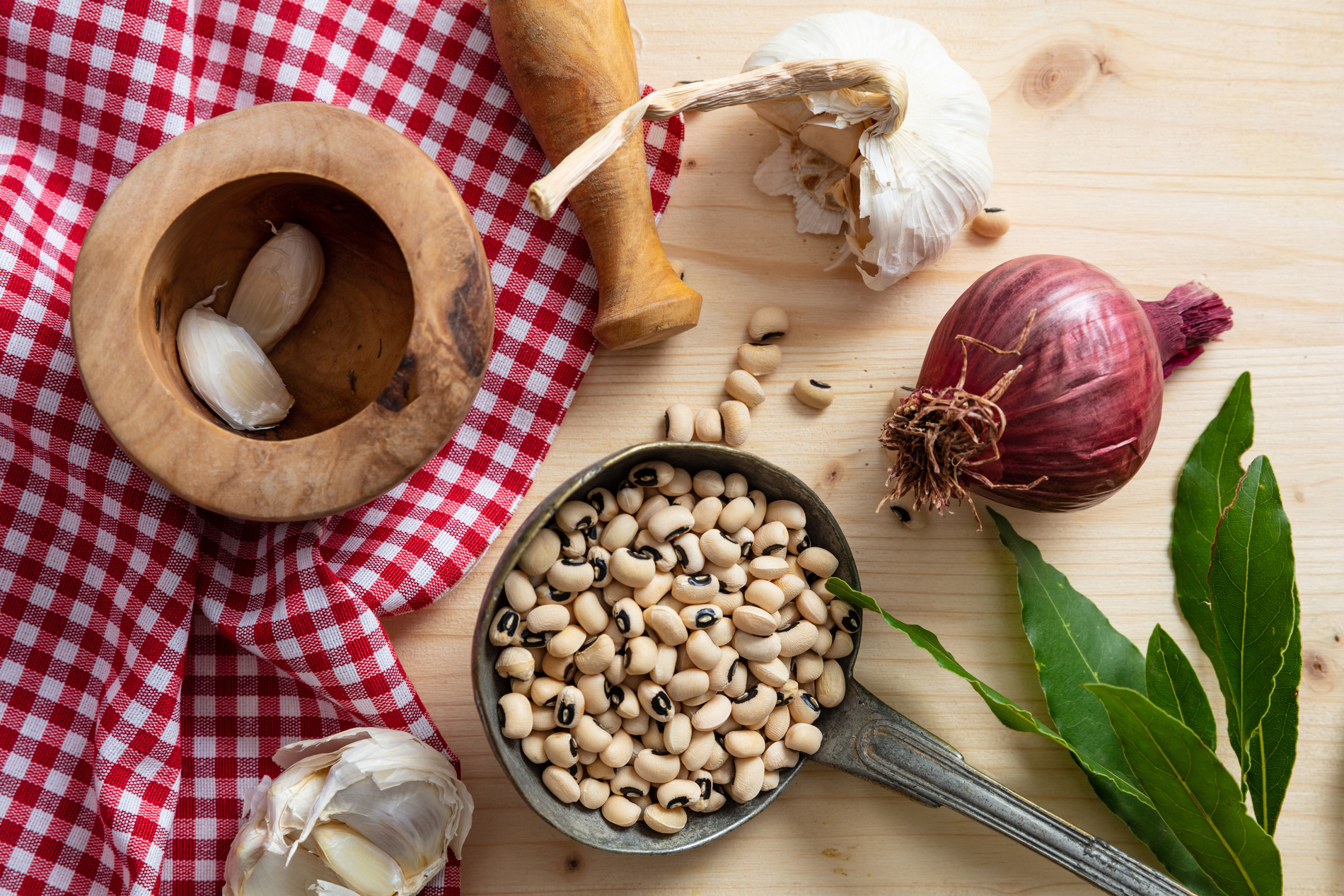
Some people have trouble digesting fermentable carbohydrates called FODMAPs, which can cause constipation, diarrhea, bloating, and stomach pain. Research indicates that many people with irritable bowel syndrome benefit from a low-FODMAP diet. Wheat products, beans, apples, garlic, and onions are common foods high in FODMAPs.
9. Corn

Bowel changes, cramps, and bloating can all be symptoms of corn intolerance. It is difficult to avoid without reading labels because it is used in many processed foods, such as high fructose corn syrup, corn oil, cornstarch, and dextrose, in addition to corn on the cob and popcorn.
10. Soy
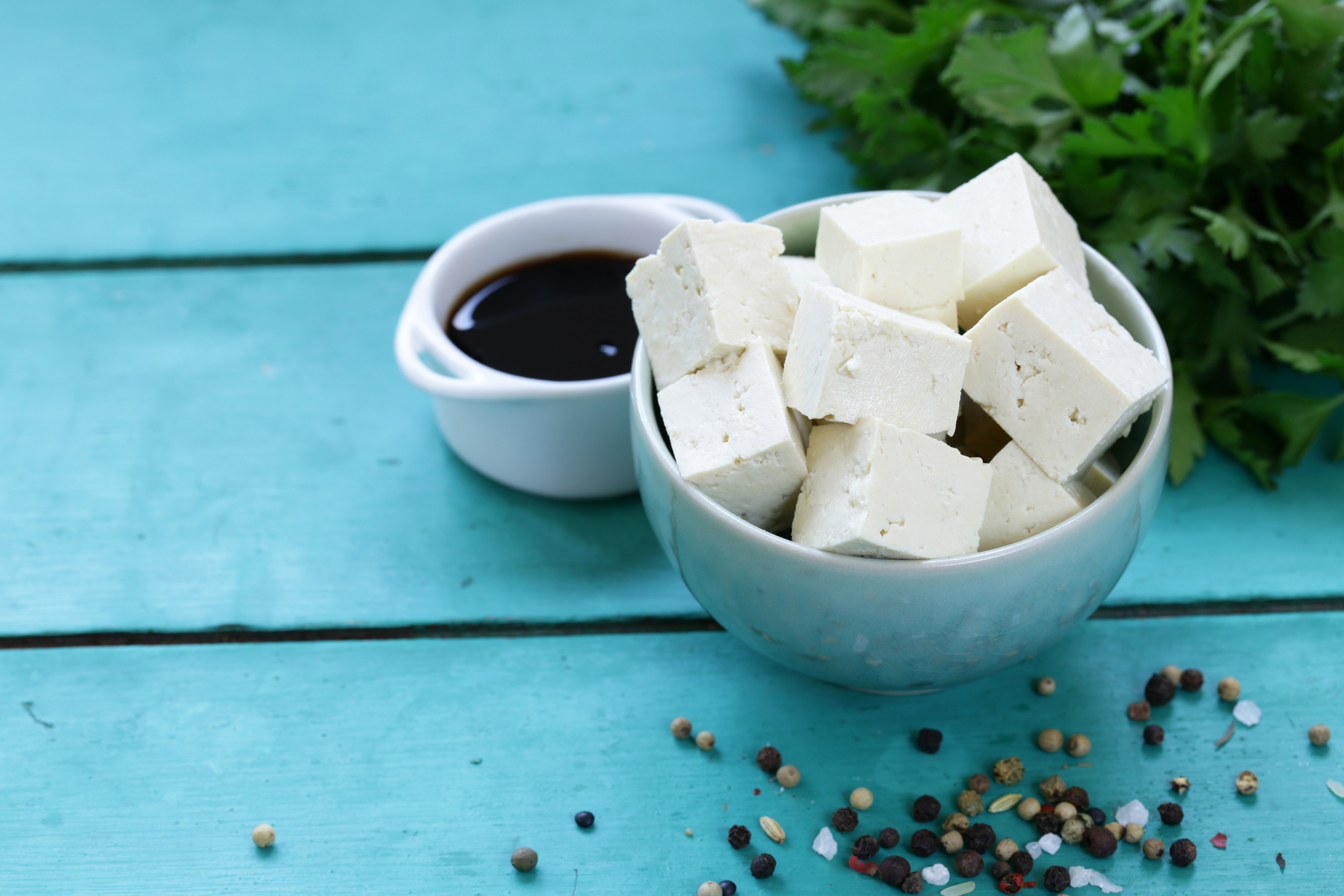
IBS-like digestive symptoms can be brought on by a soy intolerance. In addition to tofu, soy sauce, miso, and tempeh, soy is also found in processed foods like protein bars, frozen meals, cereals, and meat alternatives. When testing for soy sensitivity, careful label reading is crucial.
11. Red Meat (Beef, Pork, Lamb)
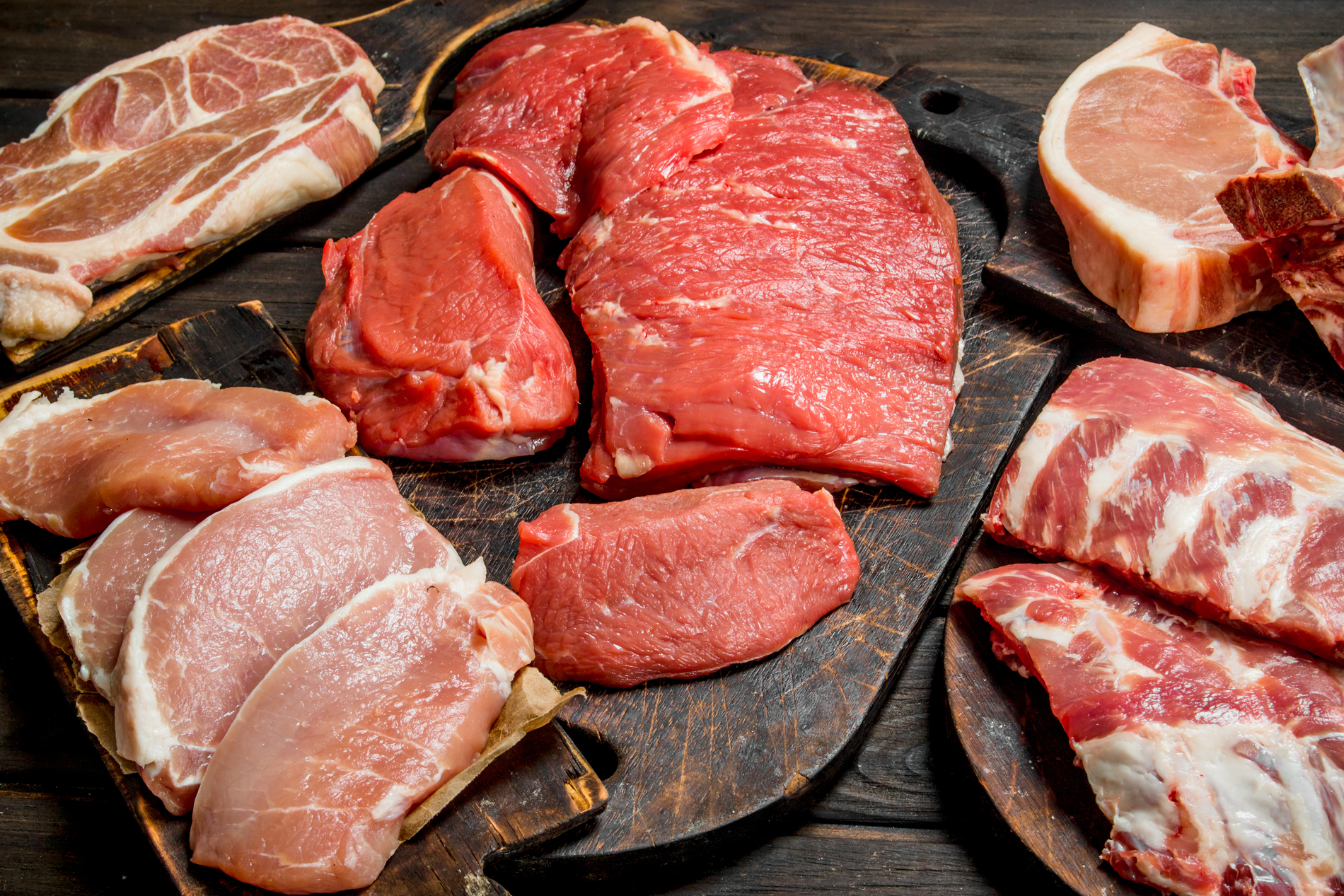
Some people have indigestion, bloating, or nausea when they consume beef, pork, or lamb. This could have to do with the amount of fat, the way the animals are raised, or diseases like alpha-gal syndrome, which is connected to tick bites. Limiting consumption or selecting pasture-raised meat can assist in determining the cause.
Although they can cause discomfort in day-to-day living, food intolerances are not fatal. The good news is that you can identify the foods that cause your symptoms if you are patient and keep a close record. You can change your diet and resume enjoying meals without the unpleasant side effects once you are aware of your sensitivities.