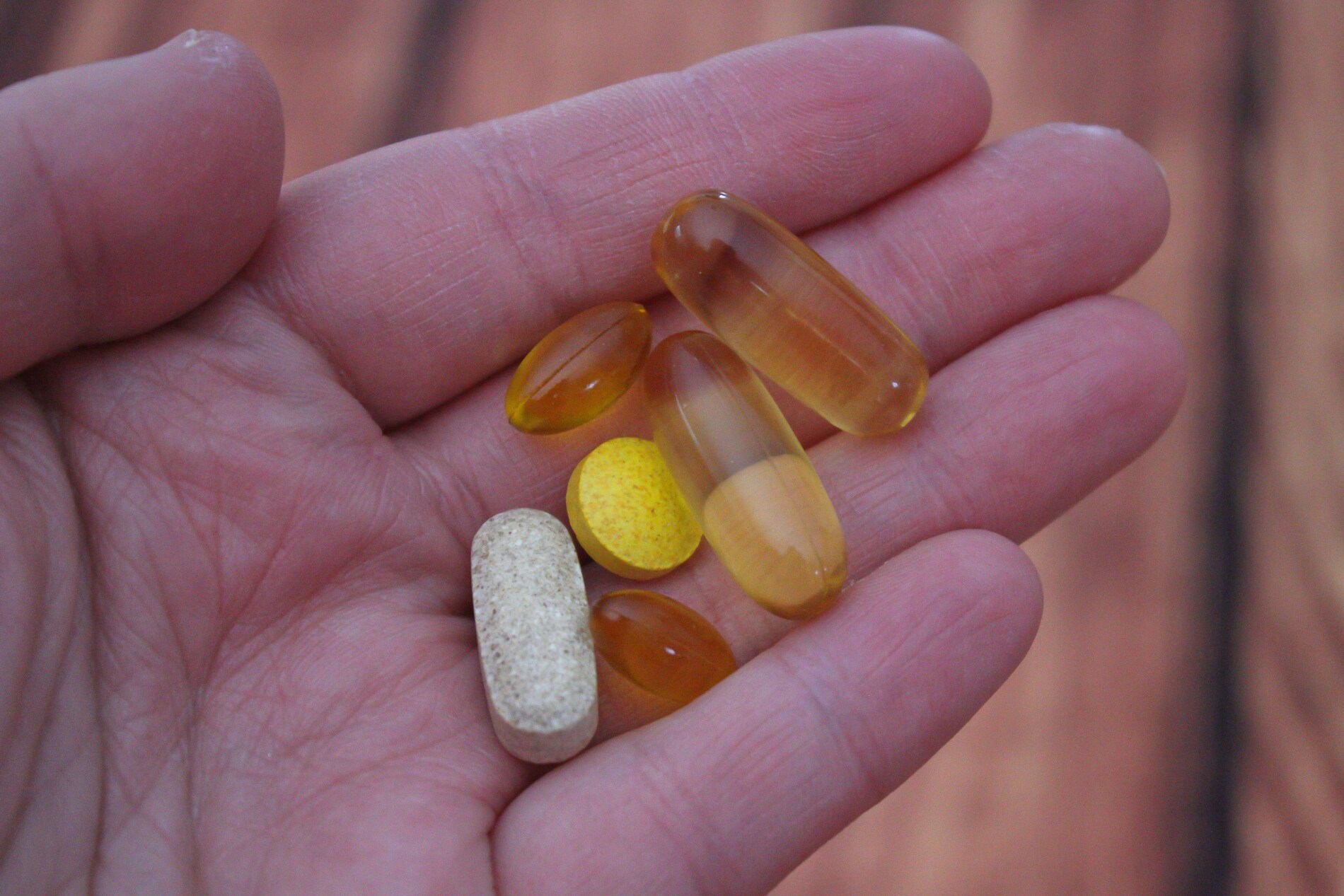
Pop a Vitamin D pill every morning, and you probably feel like you’ve checked a major box for your skeletal health. We’ve been told for decades that more Vitamin D equals more calcium absorption, which translates to unshakeable bones. But if you’re taking high doses of Vitamin D3 without its corporate partner, you might accidentally be sending that calcium to the wrong party.
Instead of reinforcing your skeleton, unguided calcium has a nasty habit of settling into your soft tissues—specifically, your arterial walls. Over time, this mineral misdirection turns your supple, flexible blood vessels into something rigid and chalky. You aren’t building stronger bones; you’re just calcifying your plumbing.
The Biological Traffic Controller
The relationship between D3 and K2 is a masterclass in biological teamwork. Vitamin D3 is the intake manager; it opens the gates in your gut to let calcium enter your bloodstream. But once that calcium is in the blood, D3 doesn’t care where it goes. It needs a tour guide.
That guide is Vitamin K2. Specifically, K2 activates a pair of crucial proteins: Osteocalcin, which physically anchors calcium into your bone matrix, and Matrix Gla Protein (MGP), which acts like a bouncer to keep calcium out of your heart valves and arteries. Think of D3 as the delivery truck that brings the building materials to the site, and K2 as the foreman telling the workers exactly where to stack the bricks. Without the foreman, the materials just block the driveway.
How to Optimize the Protocol
Balancing these two nutrients doesn’t require a complicated medical chart. You just need to follow a few simple deployment rules.
- Seek the Right Ratio: If you supplement, don’t buy them separately. Look for a combined D3/K2 formula. A good baseline ratio is roughly 100 mcg of K2 (specifically in the highly bioavailable MK-7 form) for every 5,000 IU of D3.
- Always Pair with Fat: Both D3 and K2 are strictly fat-soluble. If you swallow them with a glass of black coffee or plain water on an empty stomach, your absorption rates will plummet. Take them alongside a whole-food fat source like a whole egg scramble or a spoonful of almond butter.
- Eat Your Colors and Ferments: You can boost your natural K2 intake by adding hard cheeses, egg yolks, and fermented foods like natto or sauerkraut to your weekly rotation.
Pro-Tip: If your supplement label lists Vitamin K1 instead of K2, swap it out. K1 handles blood clotting in the liver; it won’t help your bones or protect your arteries from calcium deposits. You specifically need the K2 variant.
Your First Step
To ensure your cardiovascular system stays protected, audit your current routine before tomorrow morning.
Flip over your current Vitamin D bottle and read the ingredient list. If you don’t see “Vitamin K2” or “MK-7” listed alongside it, put that bottle to the side. Order a clean, high-quality combined D3/K2 liquid dropper or capsule tonight. Moving forward, make it a non-negotiable rule to take that dose right as you finish breakfast. Your heart and your spine will thank you for the smooth traffic control.