
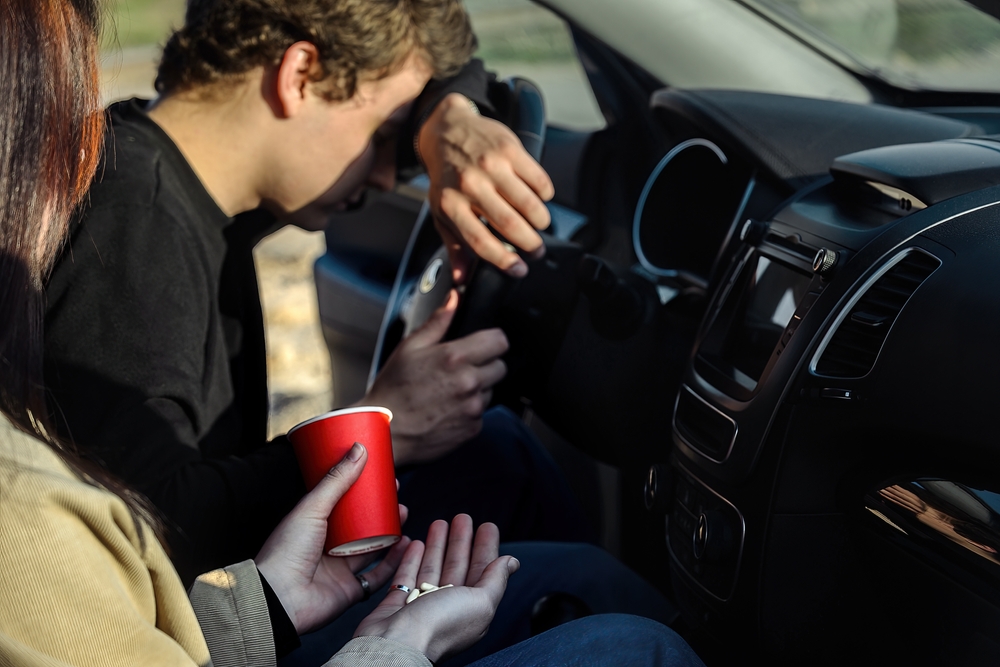
Most people know that drinking alcohol or using recreational drugs while driving can be dangerous, but many people are unaware that common prescription drugs and over-the-counter (OTC) medications can also be dangerous. Some make you sleepy, some make it harder to react quickly, and some can even make you confused or act strangely. It is advisable to reconsider driving if you are taking any of the following medications.
1. Opioid Painkillers

For moderate to severe pain, doctors frequently prescribe opioids like oxycodone, hydrocodone, and morphine. Although they work well to ease discomfort, they can also result in severe sleepiness, lightheadedness, and slowed reflexes. Commercial drivers are typically prohibited from using opioids unless authorized by a physician, as studies have connected their use to a higher risk of traffic accidents. Wait until you are completely awake before you consider driving if you have recently taken an opioid.
2. Benzodiazepines and Sleep Aids
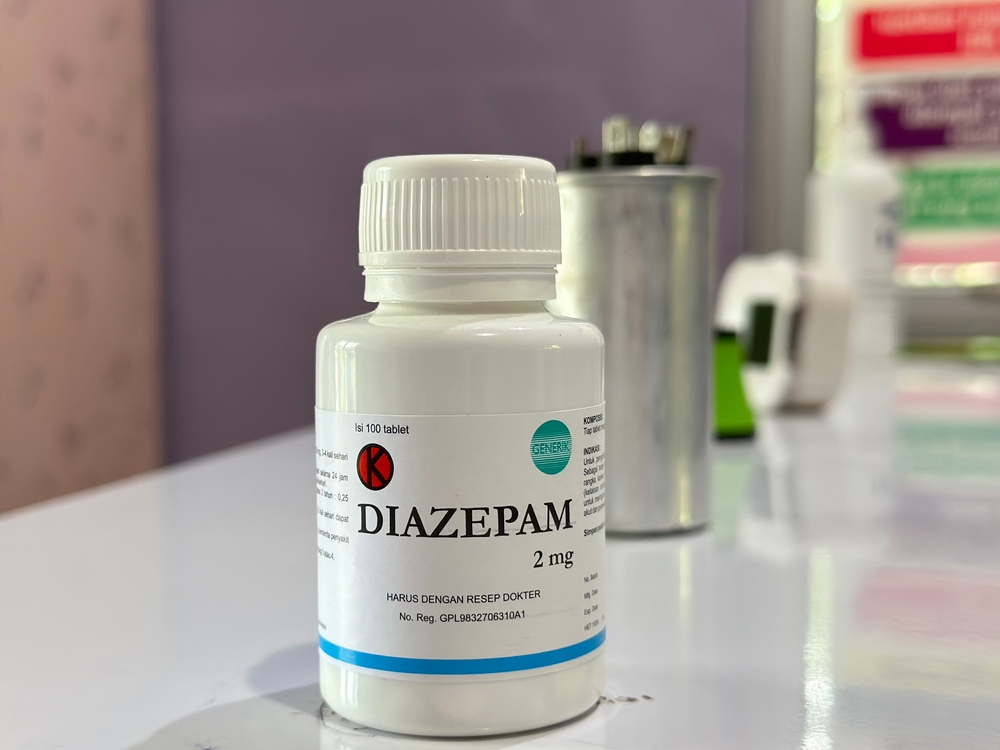
For anxiety, insomnia, and other ailments, doctors prescribe drugs like zolpidem (Ambien) and diazepam (Valium). The issue is that they may cause strange side effects like “sleep-driving,” in which drivers operate vehicles while not completely conscious, or they may leave you feeling sleepy the following morning. It’s best to refrain from driving until you’re certain the sedative effects have fully worn off because they can last for the entire day.
3. First-Generation Antihistamines

Chlorphenamine and diphenhydramine (Benadryl), two older antihistamines, are well known for making people drowsy. Their sedative effects can actually be just as detrimental as those of alcohol. Since non-drowsy antihistamines like cetirizine or loratadine are much less likely to impair alertness, it is preferable to use them if you have allergies and must drive.
4. Muscle Relaxants

Muscle relaxants are frequently prescribed for chronic pain or following injuries. Unfortunately, drowsiness, poor motor coordination, and dizziness are common side effects of these medications. Muscle relaxants can make it difficult to maintain complete control of your car, which is important for safe driving because it requires precise movements and fast reflexes. Resting at home until the effects subside is always a good idea.
5. Antidepressants and Antiepileptics

Antidepressants and antiepileptic medications are crucial for treating mental health issues and seizure disorders, but they can also impair focus, attentiveness, and concentration. According to some research, individuals beginning new antidepressant regimens may be more susceptible to crashes, particularly during the first few weeks as their bodies adjust. Before attempting to drive while taking one of these medications, pay close attention to how you feel.
6. Cold and Flu Remedies

Despite their apparent innocuousness, many over-the-counter cold and flu remedies contain sedative antihistamines, jittery decongestants, or cough suppressants that make you dizzy. When combined, these components have the potential to seriously impair safe driving. It is preferable to rest and recuperate rather than run the risk of driving while intoxicated if you are ill and taking multisymptom medications.
7. Non-Benzodiazepine Sleep Drugs (“Z-Drugs”)
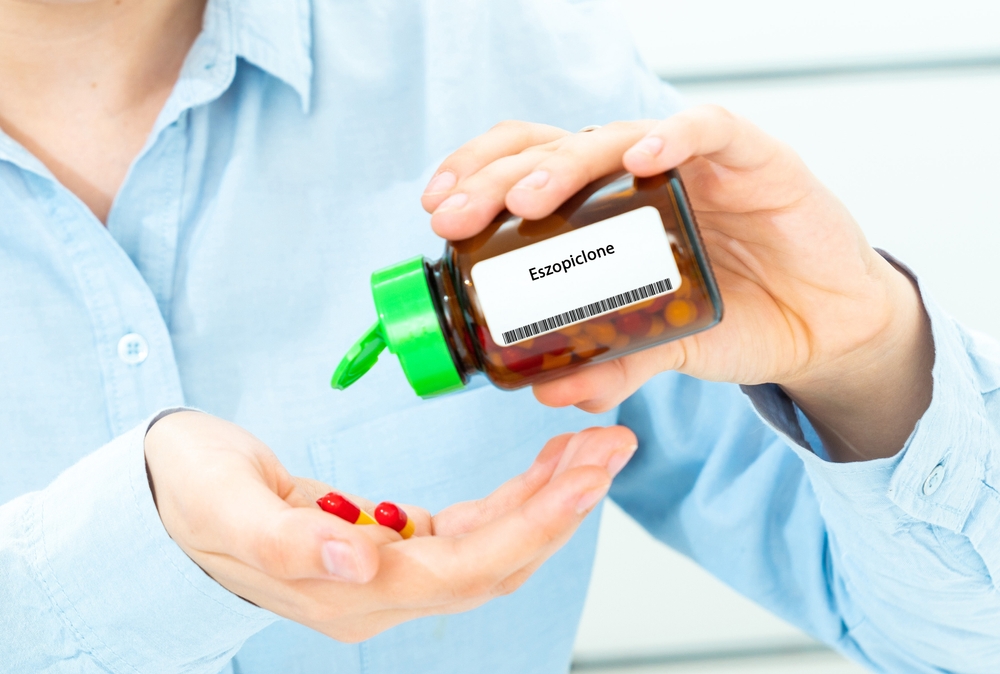
Although medications like eszopiclone (Lunesta) and zaleplon are sometimes promoted as safer substitutes for traditional sleep aids, they can still result in slowed reaction times and morning grogginess. These drugs may remain in your system long enough to impair your ability to drive the next day, even if you feel like you slept through the entire night. Before you drive, always give your body enough time to completely metabolize them.
8. Cannabis and THC Products

Cannabis products used for medical or recreational purposes can affect judgment, coordination, and reaction times. Even CBD products with higher THC content may make it harder for you to drive safely. Cannabis can have effects that last for several hours, and the risk is increased if it is taken with alcohol or other medications. It is therefore highly recommended to abstain from driving completely after consuming cannabis products.
9. Stimulants for ADHD and Narcolepsy

Prescription stimulants such as Adderall and Vyvanse can improve focus for many people, but they also raise heart rate and blood pressure and, in some cases, may encourage riskier driving behavior. The effects of these drugs on mood and alertness can differ from person to person, even though they don’t always result in sedation. Before you drive, spend some time learning how stimulants affect you if you’re new to them.
10. Combination Medications

Many over-the-counter and prescription products combine multiple active ingredients, such as pain relievers, decongestants, and antihistamines. Despite their convenience, these “combo” drugs raise the risk of adverse effects like jitters, drowsiness, or poor judgment. Always carefully read the label, and take note of any warnings that specifically address operating machinery or driving.
11. Illness Plus Medication
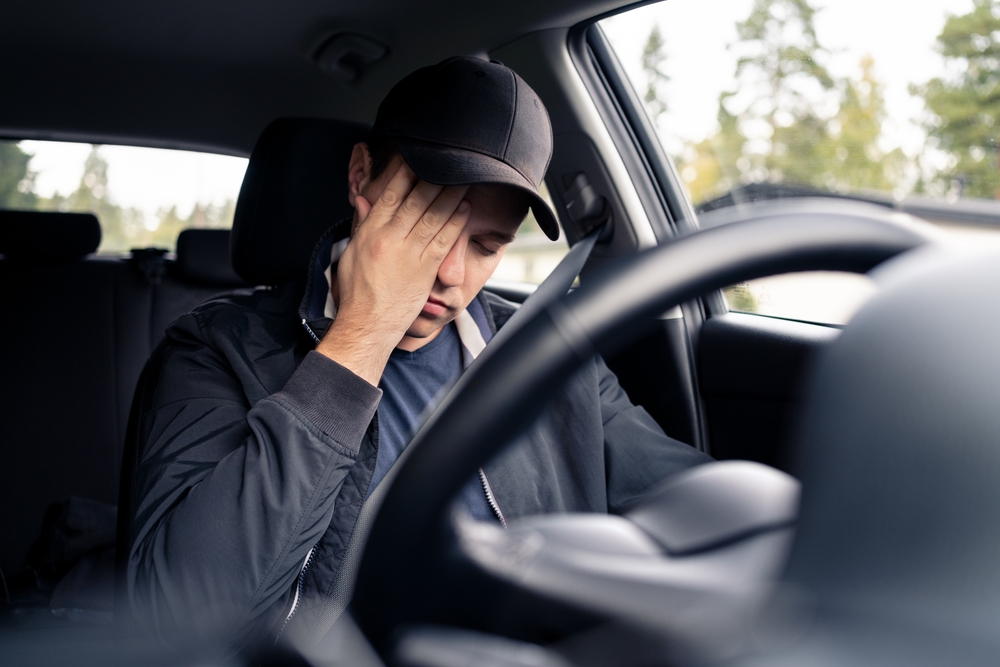
Being ill, even without medication, can impair your reaction time by up to 10%, which is comparable to exceeding the legal alcohol limit. The risks increase when you include cold, flu, or painkillers. Rather than pushing yourself to drive when ill, it can sometimes be safer to stay at home, rest, and allow your body to heal.
How to Stay Safe?
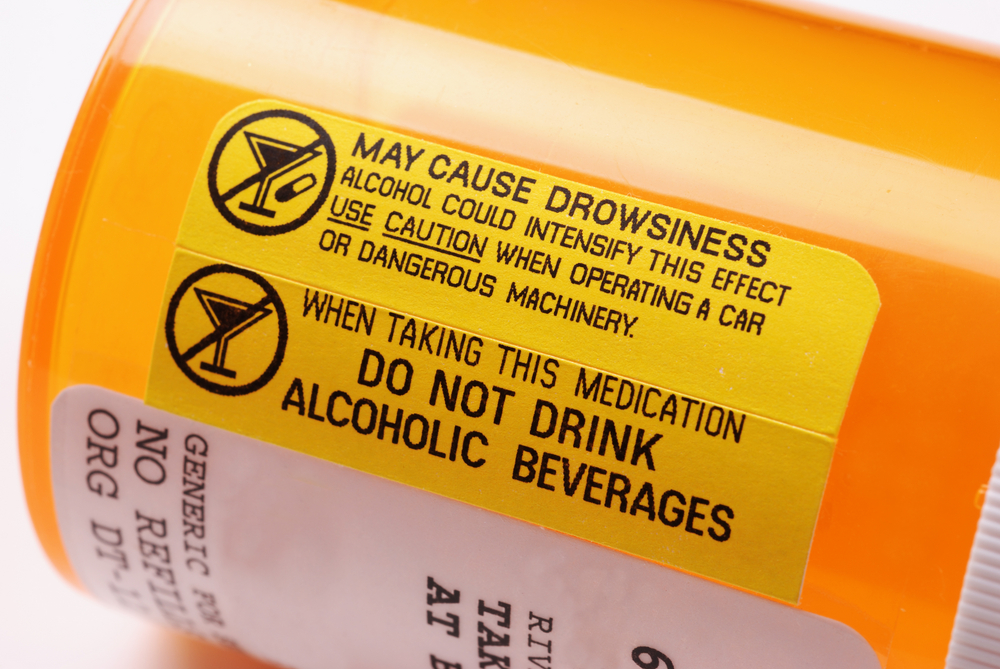
The good news is that you can prevent the majority of medication-related driving hazards with a little preparation. Before driving, always read the patient information and warning labels that come with your medication. If you’re trying something new, see how it affects you at home. If you must travel, discuss safer options or timing changes with your physician or pharmacist. Additionally, alcohol can intensify the sedative effects of medications, so never combine the two.
Although the purpose of medications is to improve our health, they can also have unintended side effects that make driving dangerous. Even minor impairments like fatigue, lightheadedness, or delayed reaction times can become dangerous when driving. The simplest method is to avoid driving until you are positive that you are completely awake if you are uncertain about how a medication will affect you.