
Cholesterol management is not just about what you eat—it’s also about how much you move. Regular physical activity plays a powerful role in balancing cholesterol levels by lowering low-density lipoprotein (LDL), often called “bad” cholesterol, and increasing high-density lipoprotein (HDL), the “good” cholesterol that helps clear excess fat from your bloodstream. The good news is that you don’t need extreme workouts to see results. Consistent, well-chosen exercises can make a noticeable difference over time.
1. Brisk Walking

Brisk walking is one of the simplest yet most powerful exercises for cholesterol management. Walking at a steady pace for about 30 minutes can burn approximately 130–180 calories for an average adult. This form of aerobic activity encourages the body to use stored fat as energy, which helps lower LDL cholesterol while gently increasing HDL levels. Because it is low impact and easy to maintain, brisk walking is ideal for long-term consistency.
2. Jogging

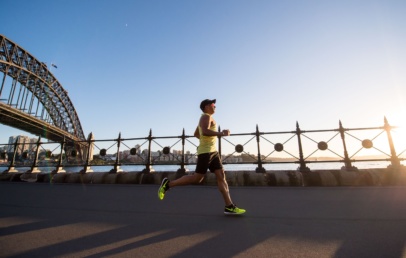
Jogging increases heart rate and lung capacity more than walking, making it highly effective for improving cholesterol balance. A 30-minute jog can burn roughly 250–350 calories, depending on speed and fitness level. This higher intensity helps reduce triglycerides and boosts HDL cholesterol by improving how the body processes fats. Jogging regularly strengthens the heart and supports overall cardiovascular health.
3. Cycling

Cycling, whether outdoors or on a stationary bike, is a joint-friendly cardio workout that burns around 200–300 calories in 30 minutes. It strengthens the heart and leg muscles while promoting fat metabolism. Consistent cycling helps lower LDL cholesterol and improve insulin sensitivity, which indirectly supports healthier cholesterol levels and reduces heart disease risk.
4. Swimming

Swimming is a full-body workout that improves endurance, circulation, and heart health without stressing the joints. A 30-minute swimming session can burn approximately 200–350 calories depending on intensity and stroke. Swimming helps increase HDL cholesterol and supports efficient blood flow, making it particularly beneficial for people with joint pain or limited mobility.
5. Dancing

Dancing is a fun and engaging way to stay active while improving cholesterol levels. Energetic dance styles can burn around 180–300 calories in 30 minutes. By raising the heart rate and reducing body fat, dancing helps lower LDL cholesterol and improve overall lipid balance. Its enjoyable nature makes it easier to stay consistent, which is key for long-term cholesterol control.
6. Jump Rope

Jump rope is a high-intensity cardiovascular exercise that delivers quick results. In just 30 minutes, it can burn approximately 300–400 calories. This intense activity boosts metabolism, improves fat burning, and helps raise HDL cholesterol levels. Even shorter jump rope sessions can be effective, making it a great option for people with limited workout time.
7. Strength Training

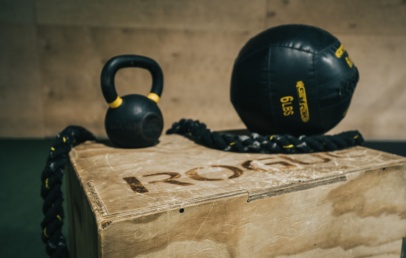
Strength training focuses on building muscle, which increases the body’s resting metabolic rate. A typical 30-minute session can burn about 150–250 calories, depending on intensity. More muscle mass helps the body process fats more efficiently, reducing LDL cholesterol over time. Strength training also improves insulin sensitivity and complements aerobic exercises for better cholesterol control.
8. Yoga

Yoga supports cholesterol management primarily through stress reduction and improved circulation. A 30-minute yoga session burns approximately 100–180 calories, depending on style and intensity. By lowering stress hormones such as cortisol, yoga helps prevent stress-related cholesterol spikes. It also encourages mindfulness and healthier lifestyle choices, which indirectly benefit heart health.
9. Pilates

Pilates emphasizes controlled movements, core strength, and muscle balance. A 30-minute Pilates workout can burn around 120–200 calories. While it is low impact, Pilates improves muscle tone and body composition, helping regulate fat storage. When combined with aerobic exercise, Pilates supports long-term cholesterol management and overall fitness.
10. Stair Climbing

Stair climbing is a powerful cardiovascular exercise that quickly raises heart rate. In 30 minutes, it can burn approximately 250–400 calories. This intense effort strengthens the heart and improves cardiovascular efficiency, helping lower LDL cholesterol. Even short bursts of stair climbing throughout the day can contribute to meaningful cholesterol improvements.
11. Hiking

Hiking combines aerobic exercise with mental relaxation, making it both physically and emotionally beneficial. A moderate hike can burn around 220–350 calories in 30 minutes. Walking on uneven terrain engages more muscles and improves balance while reducing stress, which positively affects cholesterol levels. Regular hiking supports fat burning and heart health in a natural, enjoyable way.
Exercise doesn’t directly “burn” cholesterol, but it helps your body manage fats more efficiently and maintain healthier cholesterol levels. The most effective approach is a balanced routine that includes aerobic activity, strength training, and stress-reducing exercises. By staying active and choosing movements you enjoy, you can support better cholesterol control and build a stronger, healthier heart over time.