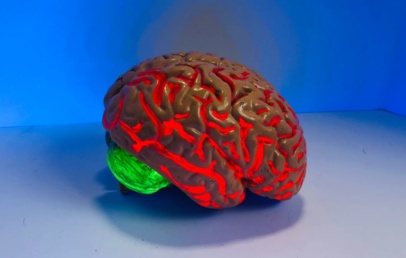
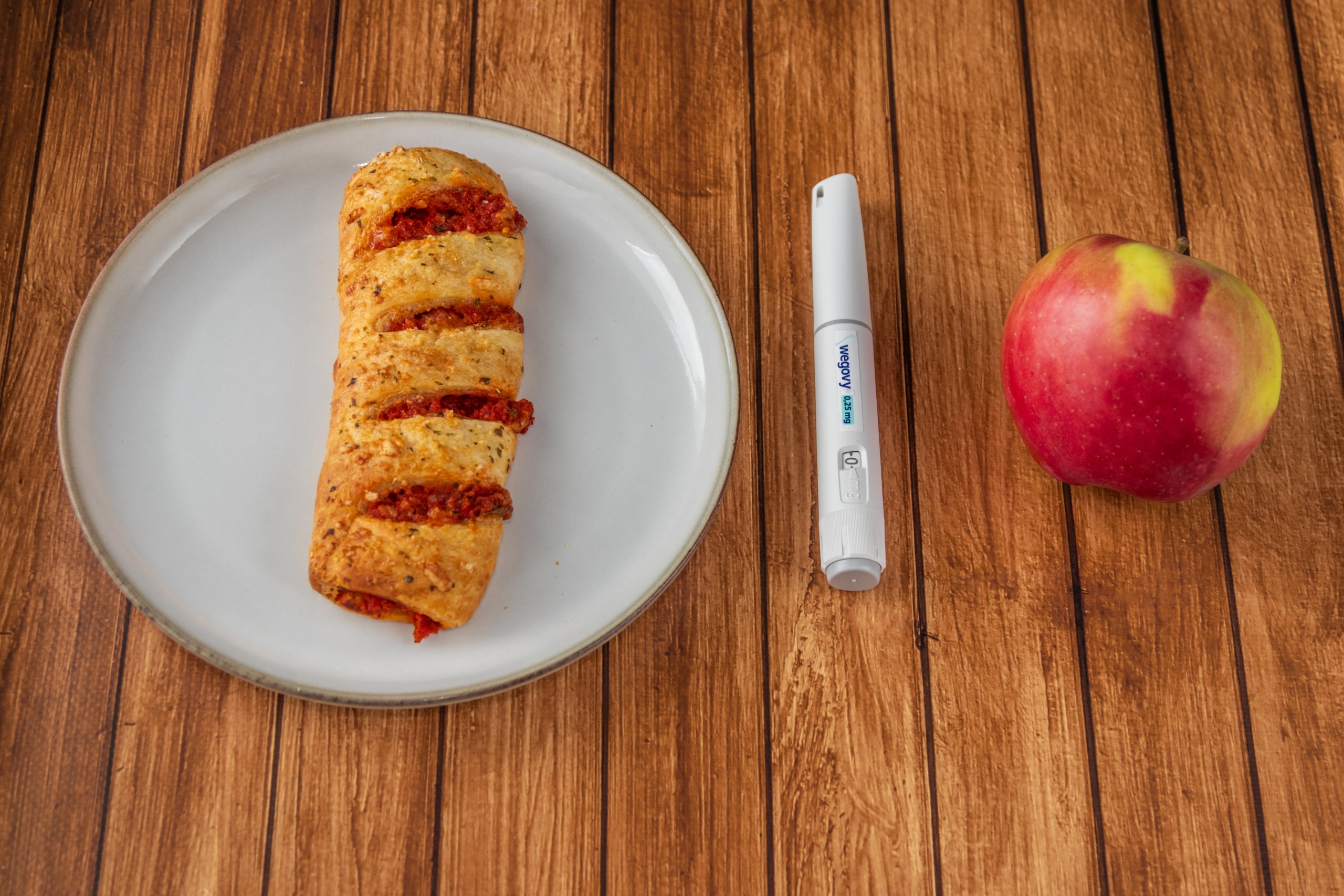
Cravings aren’t just about willpower—they’re deeply biological. One hormone that plays a key role is GLP-1 (Glucagon-Like Peptide-1), which is released by your gut in response to food. GLP-1 helps regulate appetite, slows digestion, stabilizes blood sugar, and signals your brain that you’re full. When GLP-1 levels are optimized, you naturally feel satisfied for longer periods, making overeating less likely. While medications exist that mimic GLP-1, there are also natural ways to support its production through food. Here’s a closer look at 14 GLP-1-supporting foods and why they work.
1. Oats

Oats are a breakfast favorite for a reason. They are rich in soluble fiber, particularly beta-glucan, which slows digestion and helps stabilize blood sugar. This slower digestion not only prevents spikes in energy and cravings later but also stimulates GLP-1 secretion. Including oats in your morning routine—whether as overnight oats, porridge, or in smoothies—can provide a steady source of energy and help you feel fuller longer, making it easier to resist mid-morning snacks.
2. Apples

Apples are more than just a convenient snack—they’re packed with pectin, a type of soluble fiber that slows digestion and contributes to GLP-1 production. Eating an apple can help stabilize blood sugar and improve satiety, reducing the urge to snack on high-calorie foods. Pairing an apple with a small amount of protein or healthy fat, such as almond butter, can further extend feelings of fullness and support appetite regulation throughout the day.
3. Berries
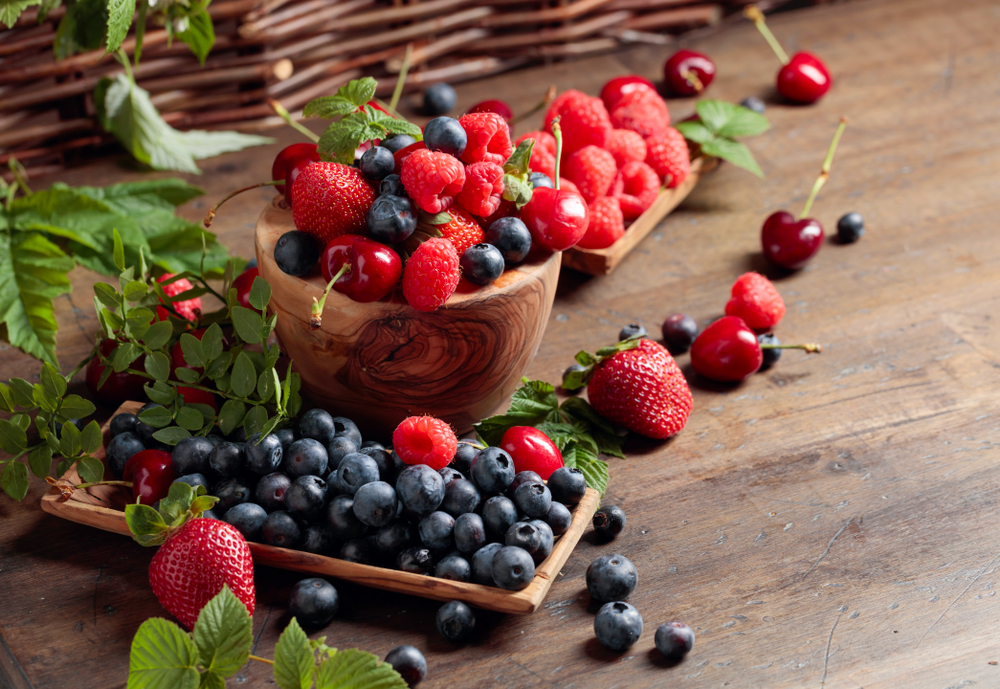
Berries, including blueberries, raspberries, and strawberries, are rich in polyphenols and fiber, both of which are linked to increased GLP-1 activity. These compounds help regulate blood sugar and support gut health, creating an environment where appetite control is easier. Berries are also naturally low in sugar and high in antioxidants, making them a delicious and nutrient-dense option for breakfasts, snacks, or desserts without triggering cravings.
4. Avocado

Avocados are creamy, satisfying, and nutrient-dense, making them an excellent GLP-1 supporting food. They are high in monounsaturated fats and fiber, which slow digestion and promote satiety. Including avocado in meals or snacks can help blunt sudden hunger signals, making it easier to control portions throughout the day. Whether spread on toast, added to salads, or blended into smoothies, avocado provides both flavor and metabolic support.
5. Legumes
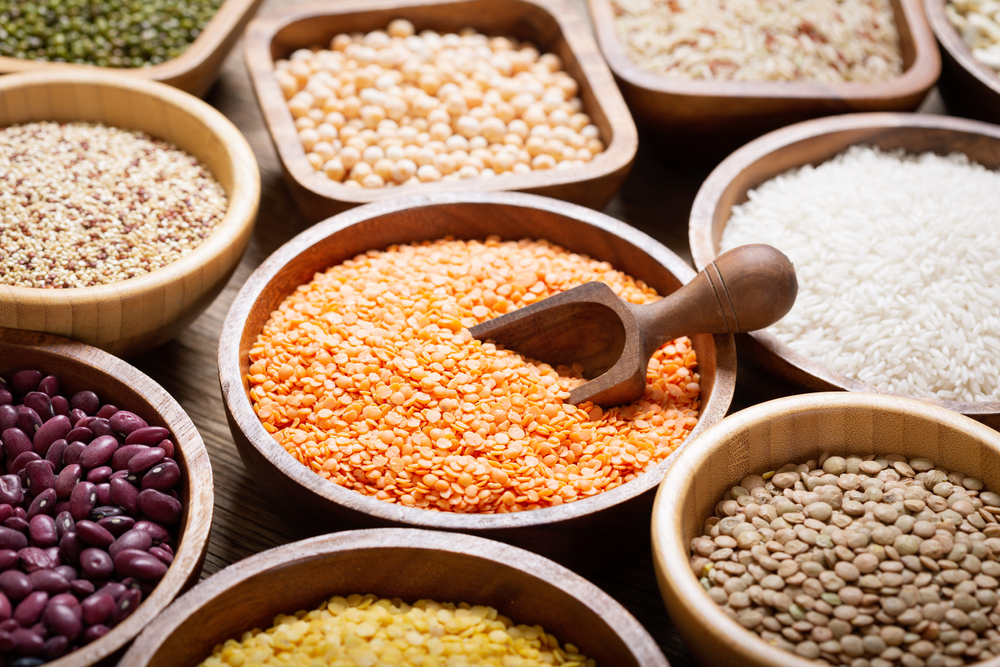
Beans, lentils, and chickpeas are excellent sources of fiber and resistant starch, both of which support GLP-1 release and improve glucose control. These compounds slow digestion and help maintain steady blood sugar levels, reducing the likelihood of cravings. Legumes are also protein-rich, further enhancing satiety. Including them in soups, salads, or grain bowls can create satisfying, GLP-1-friendly meals that keep hunger at bay.
6. Nuts and Seeds

Nuts such as almonds and walnuts, as well as seeds like chia and flax, are loaded with fiber, healthy fats, and protein, all key nutrients that help stimulate GLP-1 and prolong feelings of fullness. A small handful of nuts or a sprinkle of seeds on yogurt or oatmeal can provide steady energy and prevent overeating later. Beyond supporting GLP-1, these foods also contribute heart-healthy fats and micronutrients, making them a smart, nutrient-dense choice.
7. Greek Yogurt

Greek yogurt is an excellent source of high-quality protein, which is known to enhance GLP-1 secretion. The probiotics in yogurt may also support gut health, indirectly aiding hormone regulation. Eating Greek yogurt as a snack or part of a meal helps maintain steady blood sugar levels and reduces sudden hunger pangs. Topping it with berries, nuts, or seeds combines fiber, protein, and healthy fats for a complete, appetite-regulating option.
8. Eggs

Eggs are a versatile, protein-rich food that supports GLP-1 activity. High-quality protein from eggs slows digestion and increases feelings of fullness, helping control appetite naturally. Eating eggs for breakfast or lunch can reduce the likelihood of snacking later in the day. Preparing them in omelets, boiled, or poached, paired with vegetables, adds fiber and nutrients to further enhance their GLP-1-stimulating effects.
9. Fatty Fish
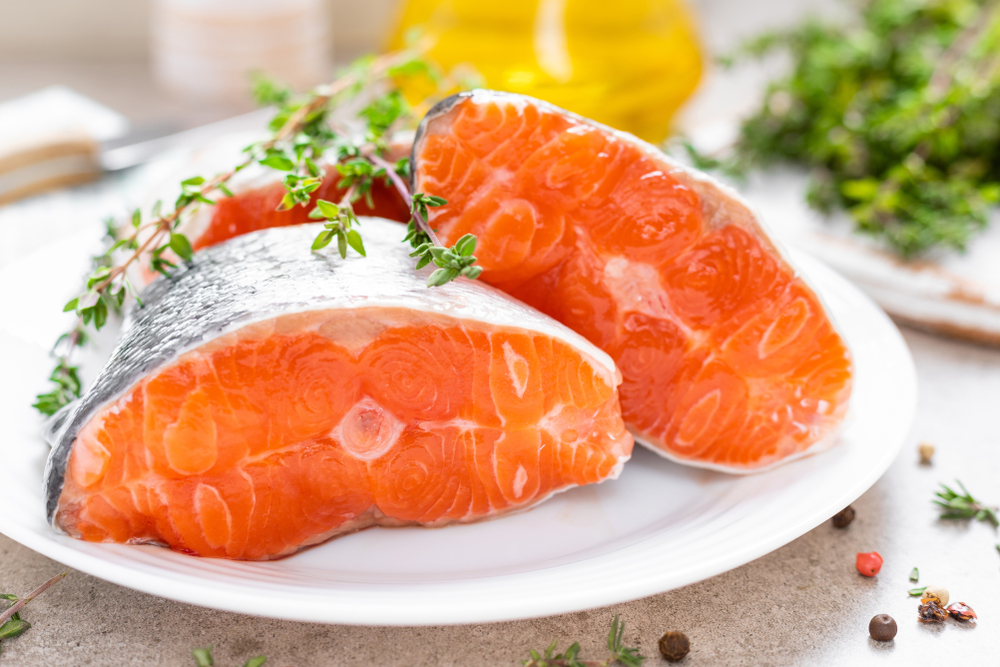
Fatty fish such as salmon, mackerel, and sardines contain omega-3 fatty acids, which may enhance GLP-1 sensitivity and support metabolic health. These healthy fats help slow digestion and improve satiety, while also providing anti-inflammatory benefits. Incorporating fatty fish into meals 2–3 times a week can help regulate appetite and contribute to heart and brain health simultaneously.
10. Leafy Greens

Spinach, kale, and Swiss chard are excellent sources of fiber and micronutrients, both of which indirectly support GLP-1 activity. Fiber slows digestion and stabilizes blood sugar, while micronutrients help maintain overall metabolic function. Including leafy greens in salads, smoothies, or as side dishes adds bulk to meals without excess calories, making it easier to feel full and satisfied.
11. Whole Grains

Whole grains such as quinoa, barley, and brown rice contain resistant starch and fiber, which slow digestion and stimulate GLP-1 secretion. They also help maintain steady blood sugar levels, preventing sudden cravings or energy crashes. Replacing refined grains with whole grains in meals like salads, bowls, or stir-fries can improve fullness, support digestive health, and aid in long-term appetite control.
12. Garlic
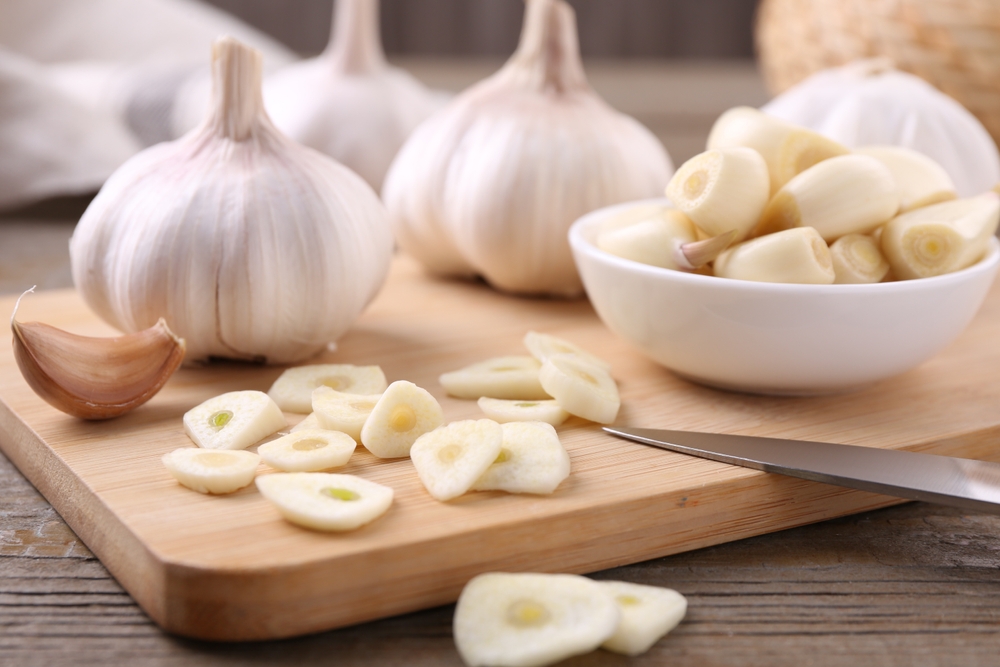
Garlic is not only flavorful but also contains bioactive compounds like allicin that improve insulin sensitivity and indirectly support GLP-1 function. Improved insulin regulation helps your body respond better to glucose, keeping hunger and cravings in check. Adding garlic to soups, roasted vegetables, or stir-fries can enhance both the taste and metabolic benefits of your meals.
13. Green Tea

Green tea is rich in catechins, compounds that help regulate glucose levels and may promote GLP-1 secretion. Drinking green tea throughout the day can help suppress appetite naturally while providing antioxidants for overall health. Unsweetened green tea is a low-calorie, metabolism-friendly beverage that can replace sugary drinks and prevent unnecessary snacking.
14. Cinnamon

Cinnamon is a natural spice that may improve insulin sensitivity and reduce post-meal blood sugar spikes, indirectly supporting GLP-1 activity. Adding cinnamon to oatmeal, coffee, or smoothies provides a sweet flavor without added sugar, helping to control cravings. Regularly incorporating cinnamon into your diet can be a simple yet effective way to support appetite regulation.
Putting It All Together
The key to naturally supporting GLP-1 is combining fiber, protein, and healthy fats in meals and consistently including these foods in your diet. These foods don’t just reduce cravings—they improve satiety, stabilize blood sugar, and support overall metabolic and gut health. By understanding how GLP-1 works and choosing foods that enhance its activity, you can make managing cravings easier and enjoy a more balanced, satisfying approach to eating.