Muscle soreness after exercise—commonly known as delayed onset muscle soreness (DOMS)—is caused by microscopic damage to muscle fibers and the resulting inflammatory response. While rest is important, research consistently shows that active recovery—low-intensity movement designed to stimulate blood flow without adding stress—can significantly reduce soreness and speed up muscle repair.
Below are 11 scientifically supported active recovery techniques that can help your muscles recover more efficiently, often within 24 hours.
1. Low-Intensity Walking
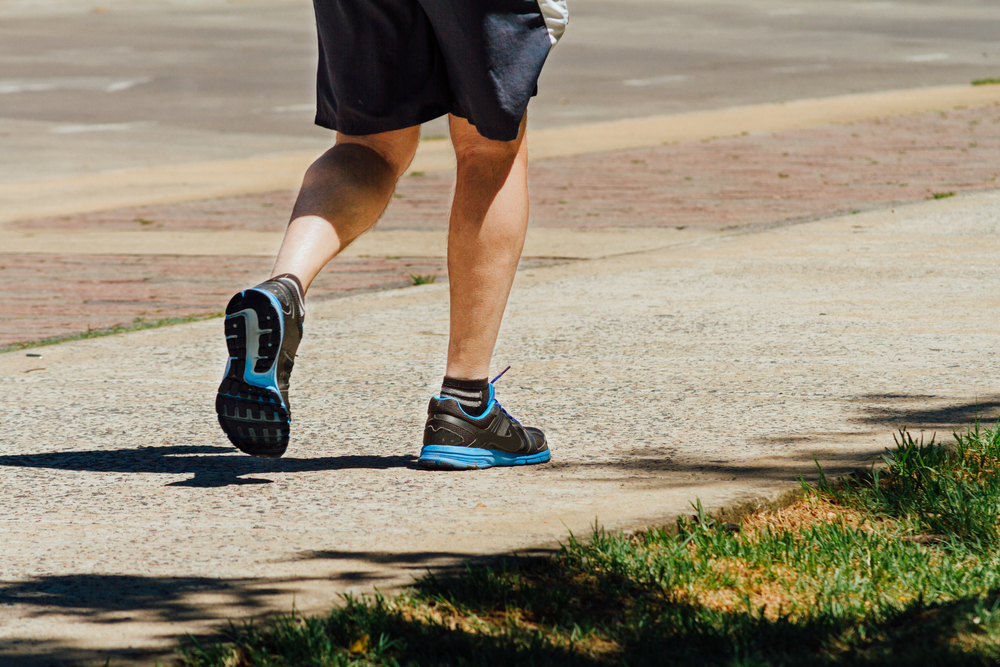
Light walking increases circulation without placing additional load on recovering muscles. Improved blood flow helps deliver oxygen and nutrients while assisting in the removal of metabolic byproducts associated with soreness. A 10–20 minute walk at a conversational pace is sufficient.
2. Controlled Static Stretching
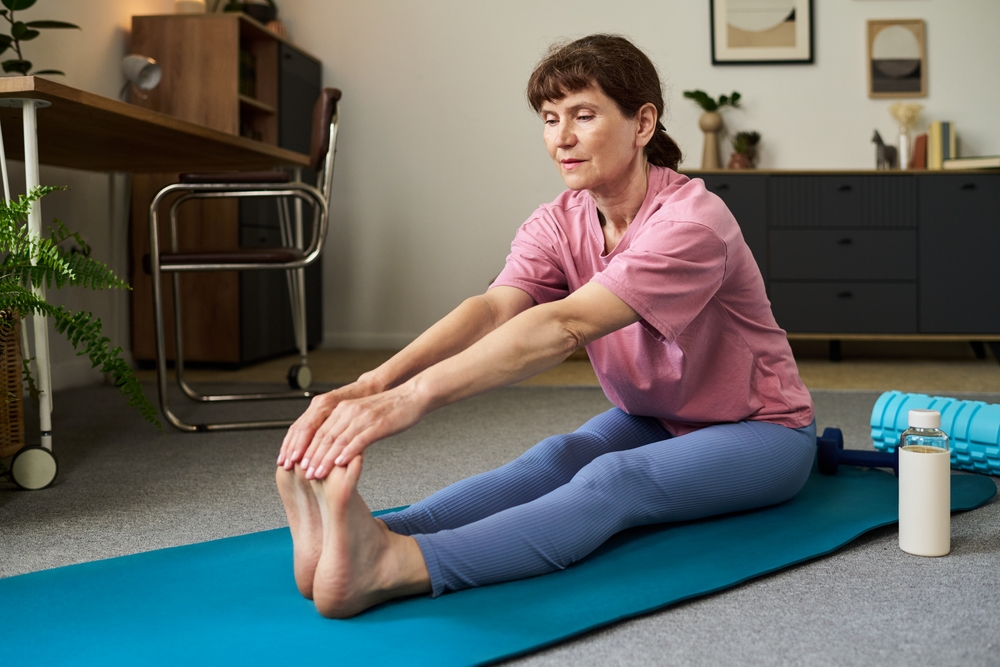
Gentle stretching can temporarily improve muscle length and reduce feelings of stiffness. Stretching should be pain-free and held for 15–30 seconds per muscle group. Avoid aggressive stretching, which may increase muscle damage during the recovery phase.
3. Mobility-Based Movement Patterns
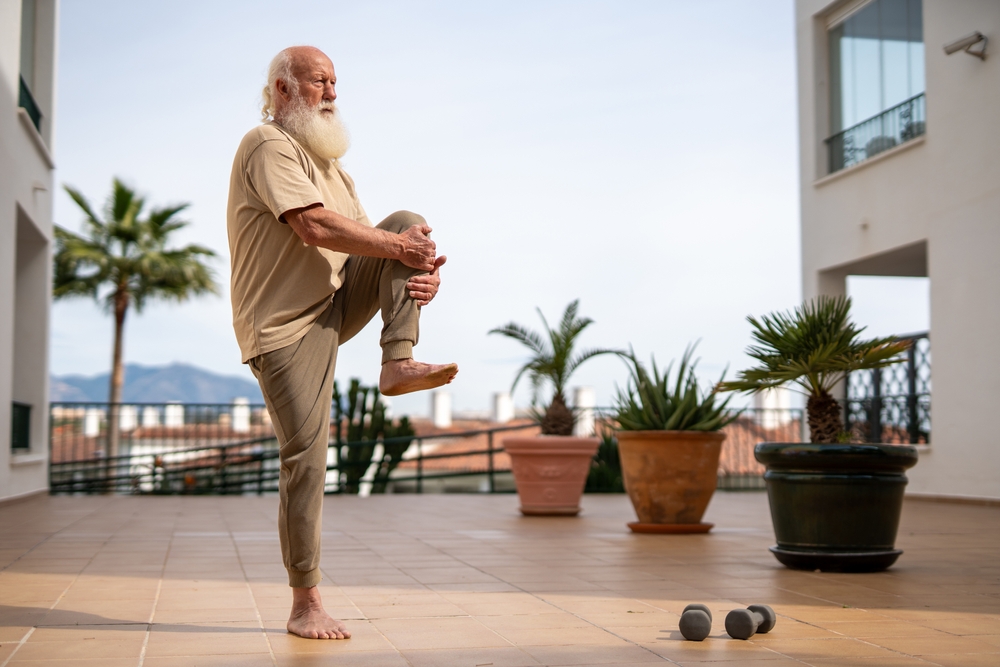
Mobility exercises focus on joint movement rather than muscle strain. Controlled joint rotations, hip openers, and thoracic spine movements help maintain range of motion and reduce neuromuscular stiffness that often accompanies DOMS.
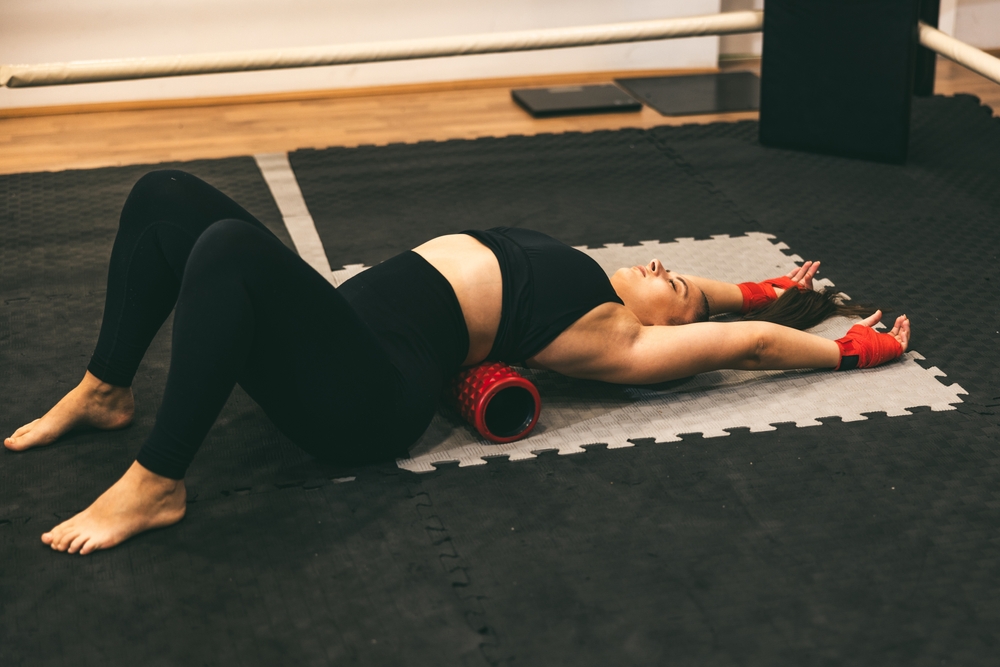
4. Foam Rolling (Self-Myofascial Release)
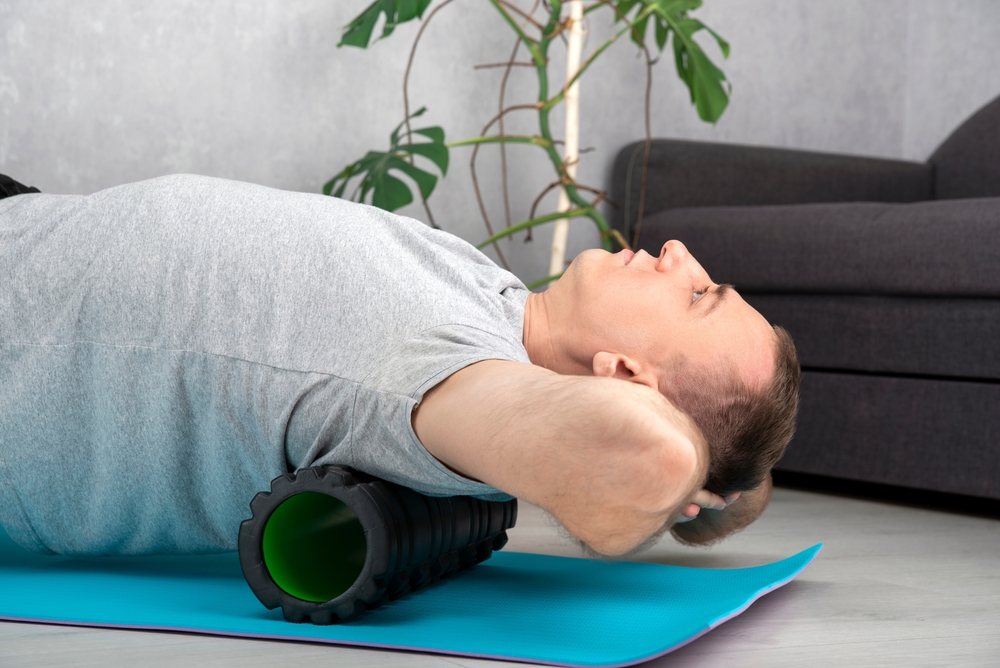
Foam rolling applies pressure to soft tissue, helping improve blood circulation and decrease muscle tightness. Studies suggest it may reduce perceived soreness and improve short-term flexibility. Spend 30–60 seconds per muscle group using slow, controlled movements.
5. Recovery-Focused Yoga

Low-intensity yoga combines mobility, stretching, and breathing to support both muscular and nervous system recovery. Poses that emphasize relaxation and gentle range of motion can reduce muscle tension and lower stress-related inflammation.
6. Diaphragmatic Breathing
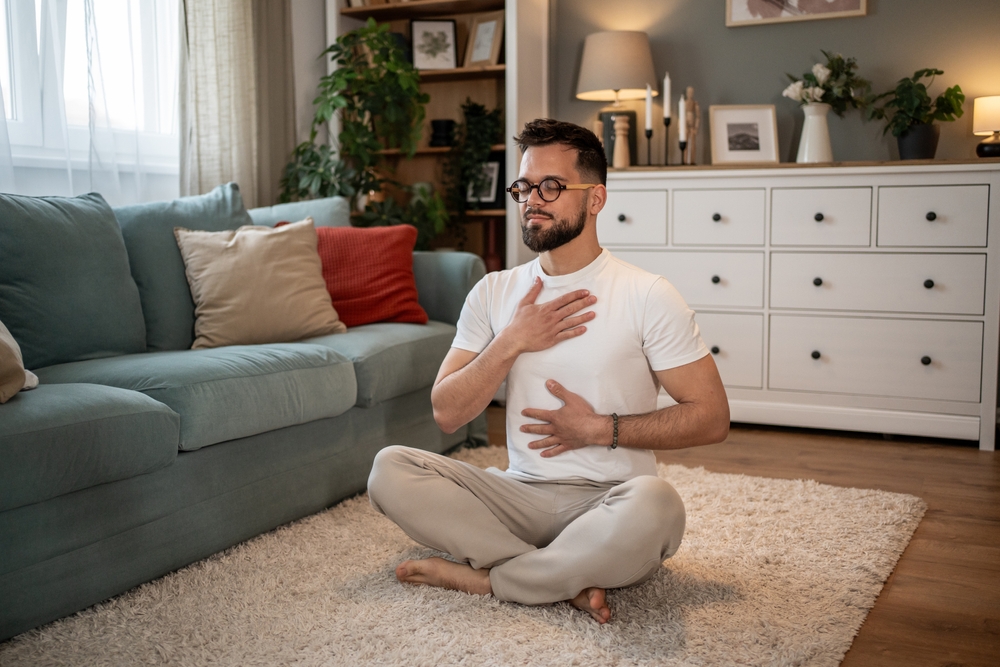
Deep breathing activates the parasympathetic nervous system, which plays a key role in recovery. This response lowers cortisol levels and promotes tissue repair. Practicing slow, deep breathing for 5–10 minutes before sleep enhances overall recovery quality.
7. Warm Water Exposure

Warm showers or baths promote muscle relaxation and vasodilation, increasing blood flow to sore tissues. Some individuals benefit from contrast water therapy (alternating warm and cool water), which may support circulation and inflammation management.
8. Light Cardiovascular Activity
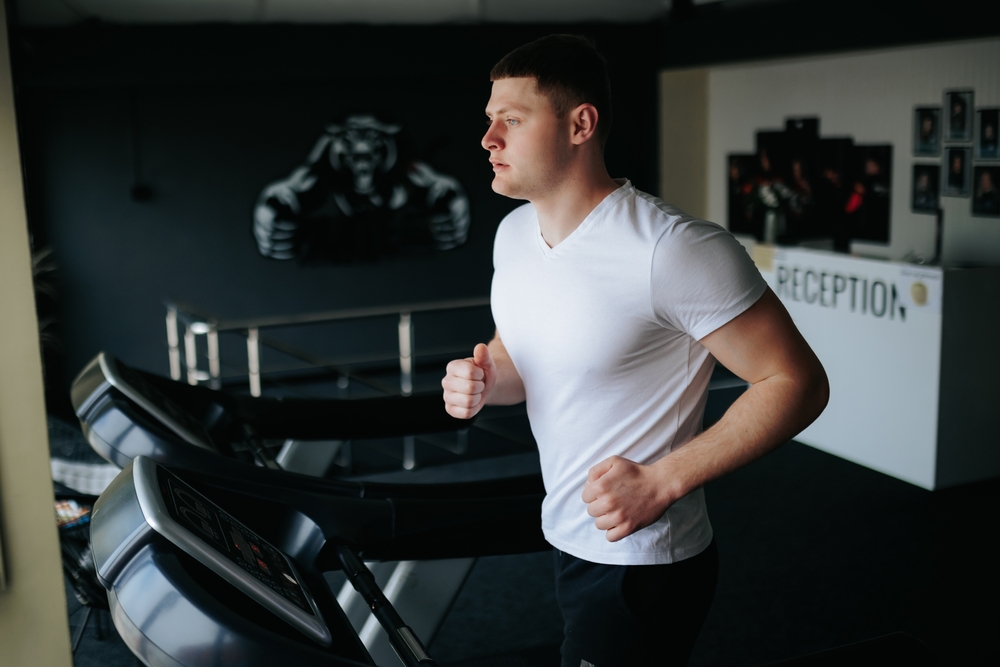
Very low-intensity cardio—such as cycling with minimal resistance—maintains circulation without causing further muscle breakdown. This approach is particularly effective the day after intense training sessions involving the lower body.
9. Sleep Optimization

Sleep is the most critical recovery tool. During deep sleep, the body releases growth hormone, which supports muscle repair and protein synthesis. Combining active recovery with consistent sleep timing and reduced evening screen exposure enhances overnight recovery.
10. Hydration and Electrolyte Balance
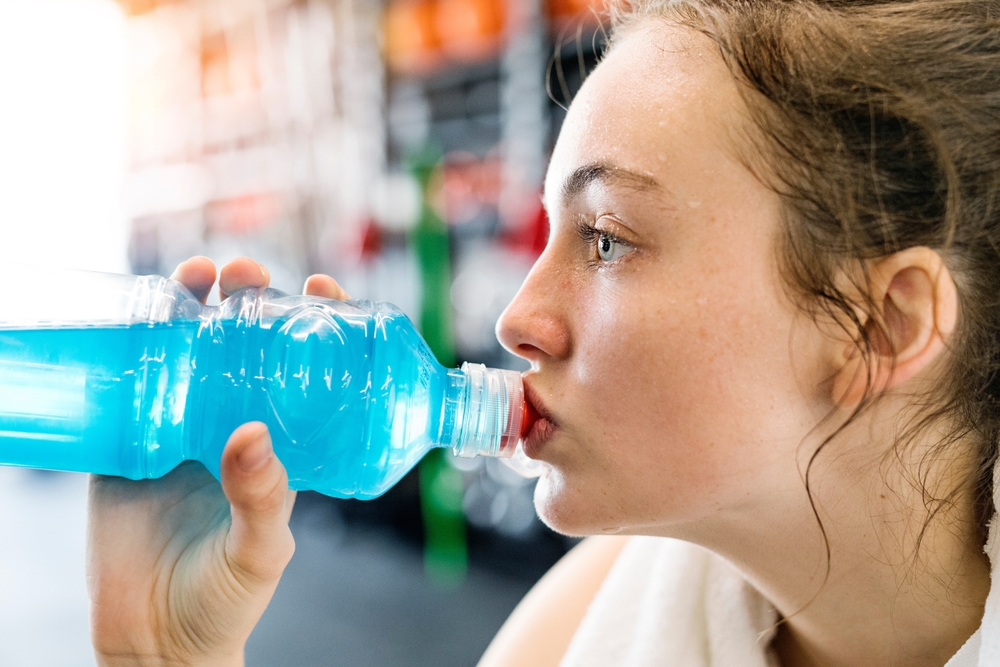
Proper hydration supports muscle contraction, nutrient delivery, and waste removal. Electrolytes such as sodium, potassium, and magnesium play a role in neuromuscular function and may help reduce cramping and stiffness.
11. Protein Intake Before Sleep

Consuming protein in the evening supplies amino acids necessary for overnight muscle repair. Slow-digesting protein sources, such as casein or dairy-based foods, support sustained muscle protein synthesis during sleep.
Active recovery does not replace rest—it enhances it. Strategic low-intensity movement, combined with proper hydration, nutrition, and sleep, allows muscles to recover more efficiently and reduces prolonged soreness. When applied consistently, these techniques can improve training performance and lower injury risk.