

Many people consider your twenties to be the “launch years”—a period of exploration, education, and laying the groundwork for your future. However, it’s also a time in life when some health and safety hazards are more significant than most people realize. The Centers for Disease Control and Prevention (CDC) reports that the top causes of death for Americans aged 20 to 24 in 2022 include chronic illnesses and avoidable accidents.
Let’s examine the ten leading causes of death for this age group and offer helpful advice on how to stay safe and healthy.
1. Unintentional Injuries

With accidents accounting for 44.1% of all deaths among young adults, they are by far the most common cause. Drug overdoses or auto accidents are common causes of these tragedies. Overdoses frequently occur accidentally, sometimes as a result of substances being stronger than anticipated or being unknowingly combined with other drugs. Even with safer cars on the road, car accidents are still a serious risk. Safe driving practices include buckling up, avoiding distractions, and never driving while intoxicated. You should also store your medications appropriately and never take drugs that aren’t prescribed to you.
2. Suicide

Suicide accounts for 17.2% of deaths among individuals aged 20 to 24 and is the second most common cause of death in this age group. Young adults frequently experience particular strains, such as financial concerns and academic stress, which can exacerbate feelings of hopelessness and loneliness. It is crucial to seek help if you or someone you know is experiencing suicidal thoughts. You can do this by calling the 988 Suicide & Crisis Lifeline, which is open 24/7, or by speaking with a counselor or a trusted friend. An early intervention can save a life.
3. Homicide

Guns were used in the majority of homicides, which accounted for 15.5% of young adult fatalities. Finding local resources and community programs can offer crucial protection and support for people who reside in high-risk areas. Guns should always be stored securely and safely if they are kept at home. Contacting support services can help lower risks and create safer options for anyone who is a victim of domestic or community violence.
4. Cancer

In 2022, cancer accounted for 3.5% of deaths among people aged 20 to 24 years, despite being less common in this age group than in older adults. Making healthy lifestyle decisions, such as maintaining an active lifestyle, eating a balanced diet, and abstaining from tobacco and vaping, can lower your risk of developing cancer. It can also be helpful to know your family’s medical history and to protect your skin from sun damage. Above all, being aware of the early warning signs and getting help quickly can result in better results and earlier treatment.
5. Heart Disease

About 2.5 percent of young adult deaths are attributable to heart disease. While some cases are congenital—that is, present from birth—others evolve over time as a result of risk factors like substance abuse, poor diet, and inactivity. Protecting your heart now will pay off later in life. You can reduce your risk by exercising regularly, eating a healthy diet, avoiding dangerous substances, and being aware of your blood pressure and cholesterol levels. Stress management and regular heart health screenings with your physician can also have a significant impact.
6. COVID-19

Despite changes in the pandemic, 1.3% of deaths in this age group in 2022 were attributable to COVID-19. When young adults have underlying conditions like obesity or immune system problems, their risk increases. Serious side effects from COVID can include organ failure and blood clots. Among the best ways to reduce your risk and safeguard those around you are vaccinations, booster shots, maintaining proper hygiene, and staying at home when ill.
7. Diabetes
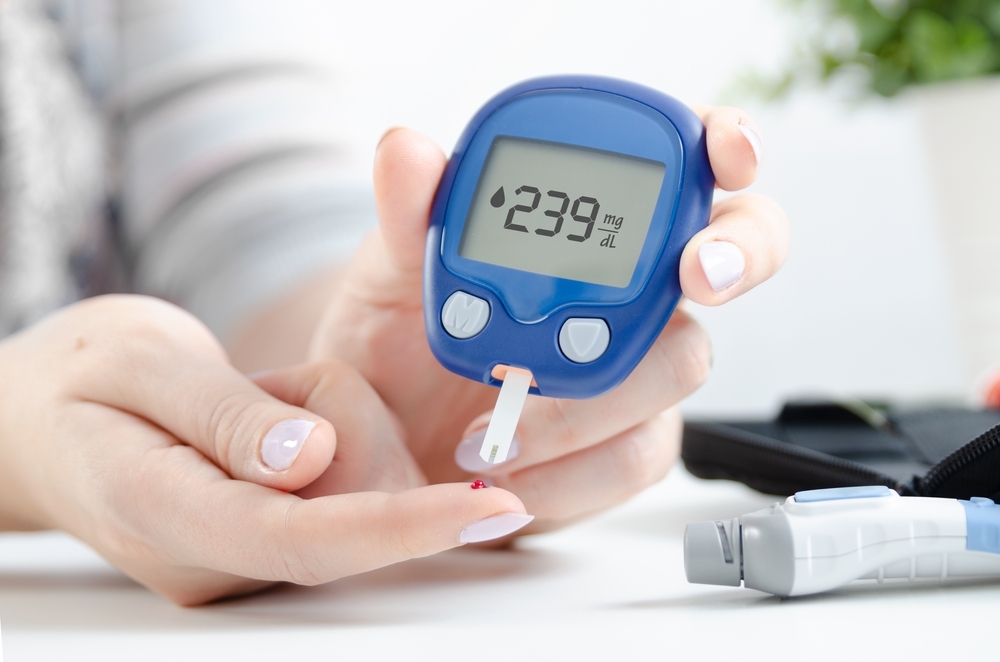
In 2022, diabetes accounted for 1.1% of deaths in people aged 20 to 24. If left untreated, type 1 and type 2 diabetes can cause major side effects like heart disease and stroke. People with diabetes can now live long, healthy lives thanks to advancements in treatment, but it still needs to be carefully managed. A part is played by adhering to treatment regimens, keeping an eye on blood sugar levels, and changing one’s lifestyle to include things like exercise and a healthy diet. These modifications may even be able to prevent or even reverse type 2 diabetes in certain situations.
8. Congenital Conditions
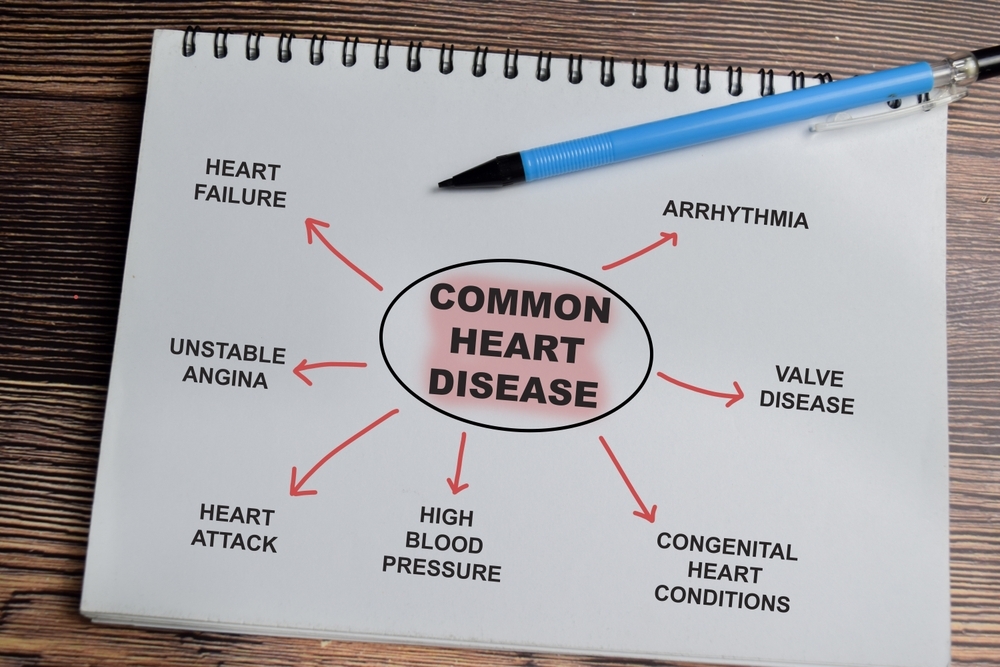
In young adults, congenital conditions—diseases that exist from birth, like cystic fibrosis—were responsible for 0.9% of deaths. Although there is no way to prevent these conditions, long-term results and quality of life are greatly impacted by support and management. Prenatal screenings can assist in the early identification of possible risks for individuals who are pregnant or intend to become pregnant. Reducing complications for people with congenital conditions requires close collaboration with a healthcare team.
9. Pregnancy and Childbirth Complications

In this age group, 0.6% of deaths were due to complications during pregnancy or childbirth. Maternal mortality can be caused by conditions such as preeclampsia, infections, hemorrhage, and heart disease. Regular prenatal care, healthy eating, prenatal vitamins, and vaccinations during pregnancy can increase safety, even though not all complications can be avoided. It can save lives to recognize the warning signs of complications, such as severe bleeding or dangerously elevated blood pressure, and to promptly contact a healthcare provider.
10. Chronic Lower Respiratory Disease

Among people aged 20 to 24, chronic lower respiratory conditions such as asthma, COPD, emphysema, and chronic bronchitis accounted for 0.6% of fatalities. Smoking, secondhand smoke, and pollution exposure are associated with a number of these conditions. Avoiding smoking, limiting exposure to air pollutants, and adhering to treatment regimens if you already have a respiratory condition are all ways to protect your lungs. Under medical supervision, regular exercise can also improve lung function.
While you have no control over certain health risks in your twenties, you can lower many of them with daily decisions. Risks can be significantly decreased by wearing a seatbelt, getting mental health help, maintaining a healthy diet, and scheduling regular checkups with your doctor. Early care and effective management can often make the difference between a manageable illness and a life-threatening one, even for conditions that cannot be completely prevented. The best course of action is to keep yourself informed, take small but regular health-protective actions, and never be afraid to ask for help when you need it.