
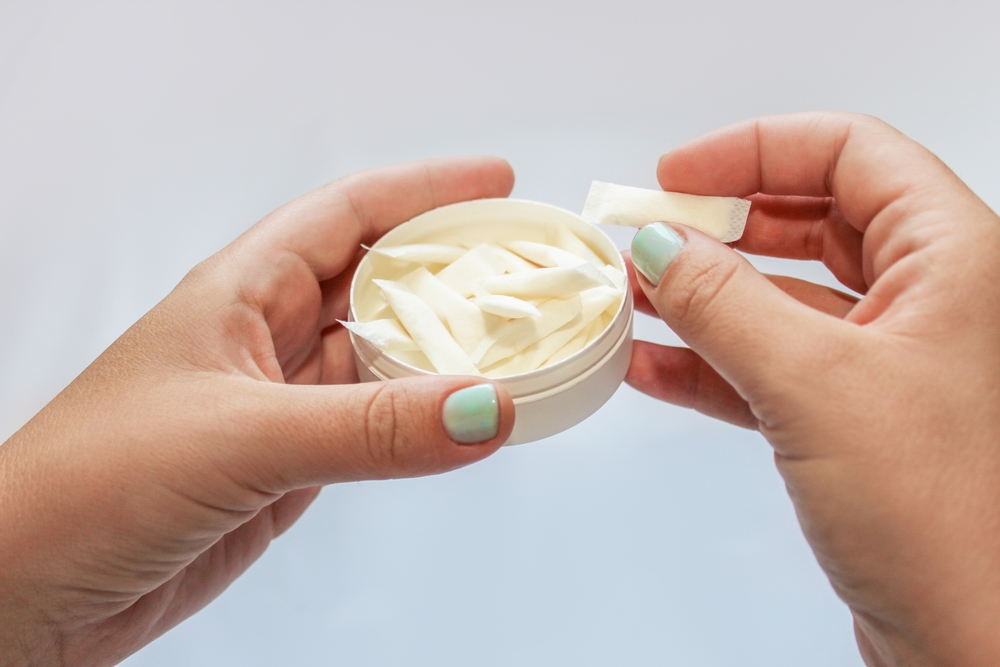
Caffeine pouches are rapidly becoming a trend among teenagers and young adults. These small, teabag-like products are placed between the gum and lip, releasing a concentrated dose of caffeine directly into the bloodstream. Marketed for quick energy, mental focus, and athletic performance, they’re widely promoted on social media and sold online—sometimes without clear age restrictions. However, health experts are increasingly warning that this new form of caffeine consumption may be far from harmless, especially for developing teens. Here are ten reasons to be cautious.
1. Extremely High Caffeine Content

Each caffeine pouch typically contains between 100–150mg of caffeine, which is equivalent to drinking two cups of strong coffee in one go. For comparison, the recommended maximum daily intake for healthy adults is 400mg. However, for children and teens, the European Food Safety Authority advises limiting caffeine to 3mg per kilogram of body weight—so a 30kg child should consume no more than 90mg in an entire day. Just one pouch could push them over that limit, making it dangerously easy for young users to overdose without realizing it.
2. Rapid and Direct Absorption
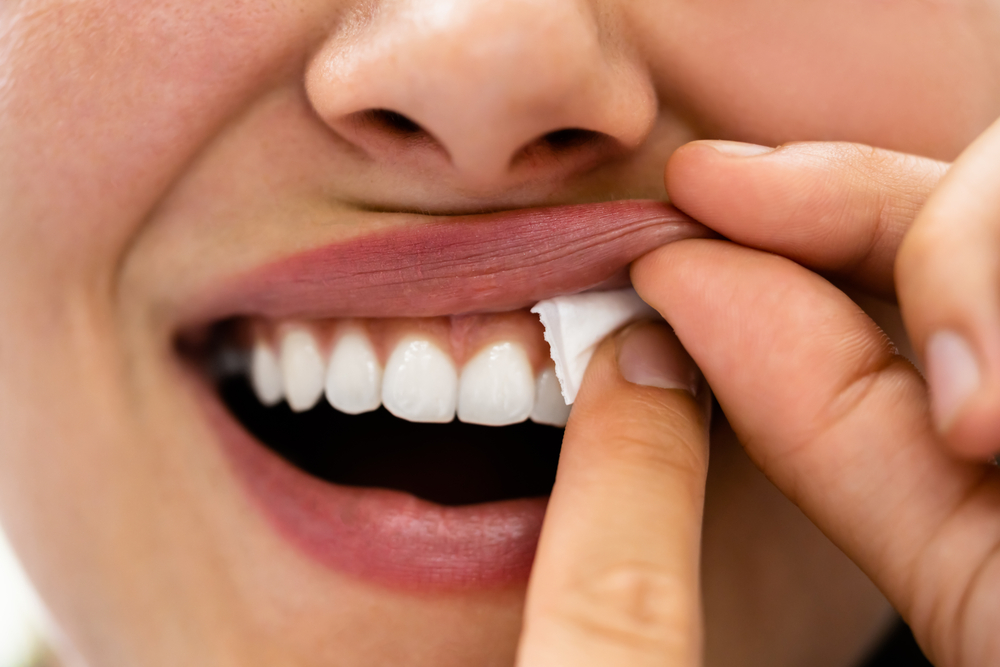
Unlike sipping a drink over time, caffeine from these pouches is absorbed rapidly through the tissues in the mouth, causing a fast and potent effect. This bypasses the stomach and digestive system, resulting in a sharp spike in caffeine levels in the bloodstream. Such a sudden boost can overstimulate the nervous system, leading to side effects like shakiness, nausea, sweating, or a pounding heart—particularly in teens who have lower caffeine tolerance.
3. Easy to Overuse or Hide

The design of caffeine pouches makes them incredibly discreet—they’re small, odorless, and invisible once placed in the mouth. That means teens can use them in class, at home, or during sports without anyone noticing. Worse still, some social media influencers have glamorized using two or more pouches at once, further increasing the risk of accidental overconsumption and serious health consequences.
4. Potential for Serious Health Effects

Overdosing on caffeine isn’t just uncomfortable—it can be dangerous. Large doses may cause heart palpitations, high blood pressure, irregular heart rhythms, dizziness, vomiting, and seizures. While rare, there have been cases where excess caffeine led to hospital admissions and even death. Personal trainers and teens have tragically lost their lives after unknowingly consuming lethal amounts through supplements or energy drinks. With such concentrated delivery, caffeine pouches increase the likelihood of reaching toxic levels quickly.
5. Negative Impact on Sleep and Recovery

Caffeine interferes with adenosine, a chemical in the brain that helps us feel sleepy. By blocking its effects, caffeine delays the natural urge to sleep—something especially problematic for teens, who need around 8 to 10 hours of rest per night for healthy brain and body development. Regular use of caffeine pouches late in the day can lead to chronic sleep deprivation, resulting in poor focus, lower academic performance, mood swings, and even long-term fatigue.
6. Harm to Gum and Oral Health

Placing caffeine pouches between the lip and gum may lead to oral irritation and gum damage over time. Dentists compare the risk to that seen with nicotine pouches or snus, which have been linked to gum recession, mouth sores, and a higher chance of dental infections. Because teens often use these products repeatedly throughout the day, the cumulative damage to oral tissues could be significant—and not always reversible.
7. Increased Risk of Dependency

Caffeine is a stimulant, and like all stimulants, it can lead to physical tolerance and psychological dependence. Teens who start with one pouch a day may find themselves needing more just to feel the same effect. This pattern can escalate into regular use and even caffeine withdrawal symptoms—like headaches, fatigue, and irritability—if they try to stop. Experts are concerned that caffeine pouch use may normalize the idea of daily stimulant consumption, potentially leading to experimentation with stronger substances in the future.
8. Misleading Marketing and Inaccurate Labelling
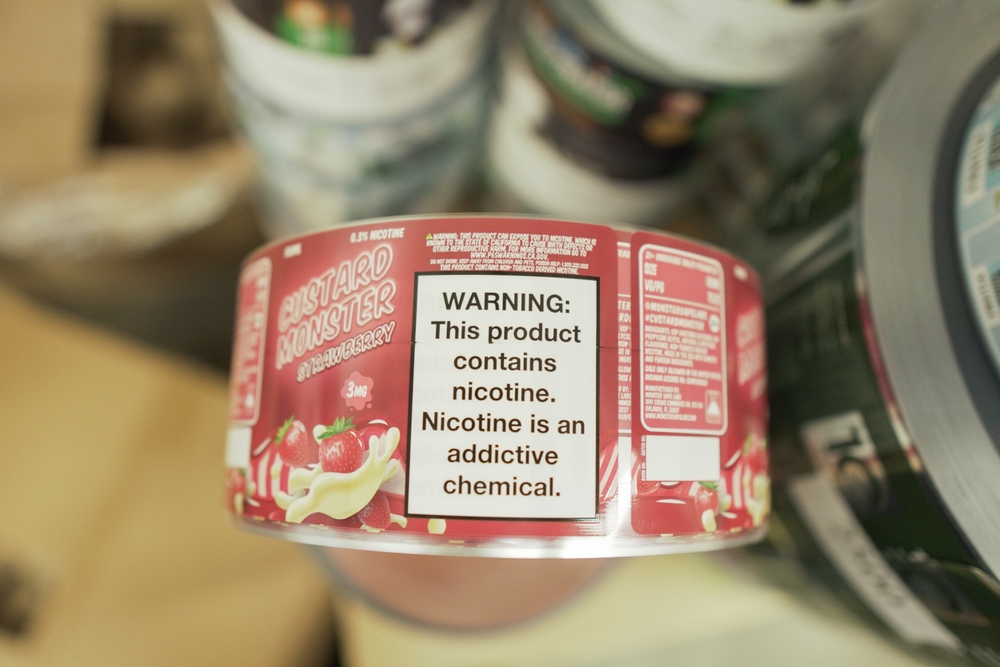
Many caffeine pouches are marketed with flashy designs, fun flavors, and influencer endorsements. They’re often promoted as harmless “energy boosters” or performance aids, especially to gym-goers and students. However, studies have shown that some pouches contain more caffeine than is printed on their labels, making it easy to unknowingly consume a dangerous amount. Since they’re often sold online with minimal regulation, the lack of consistent labeling or dosage control poses a serious risk to consumers—especially teens.
9. Sensitivity and Unequal Effects

Not all bodies respond to caffeine in the same way. Some people are more sensitive to caffeine and can experience intense side effects from even small doses. Teens, in particular, tend to have lower tolerance levels and may be more susceptible to symptoms like nausea, anxiety, panic attacks, and sleep disturbances. These effects can interfere with school, relationships, and mental health—especially when caffeine is combined with other stimulants like those found in energy drinks.
10. Lack of Regulation and Oversight

Unlike nicotine or alcohol, caffeine is not age-restricted in many countries, including the UK and US. This means that teens can easily purchase caffeine pouches online, sometimes without any age verification at all. Additionally, there are currently no clear laws regulating caffeine dosage in pouch form, labeling accuracy, or marketing restrictions to minors. This regulatory gap leaves young people especially vulnerable to overuse and potential harm.
What Do Health Experts Say?

Leading health organizations, including the British Dietetic Association and George Washington University’s School of Public Health, caution against the use of caffeine pouches by children and adolescents. Instead of relying on stimulants, they recommend focusing on:
- Regular, balanced meals with slow-releasing carbohydrates, iron, and protein
- Staying hydrated throughout the day
- Getting consistent sleep
- Engaging in daily physical activity to boost mood and natural energy
If caffeine is used at all, it should be monitored carefully—ideally under guidance from a healthcare professional—and always within safe daily limits.
Caffeine pouches might seem like a modern, efficient way to stay alert and focused, but they come with a host of potential health risks, especially for teens. From high caffeine doses to sleep disruption, gum damage, and even heart risks, the dangers are real and often hidden behind sleek packaging and clever marketing.