When people think about staying healthy as they age, they often focus on heart health, mobility, or maintaining muscle. But one surprisingly powerful indicator of healthy aging is something much simpler: grip strength.
Research increasingly shows that hand strength is connected to overall health, including heart health, cognitive function, and even longevity. Strong hands also help you maintain independence—whether that means opening jars, carrying groceries, gardening, or using everyday tools.
The good news? Improving your grip strength doesn’t require complicated workouts or expensive equipment. With a few smart strategies and consistent practice, many people start noticing improvements in just two to four weeks.
Here are five expert-backed ways to strengthen your grip and support healthy aging.
1. Train Your Hands With Simple Grip Tools
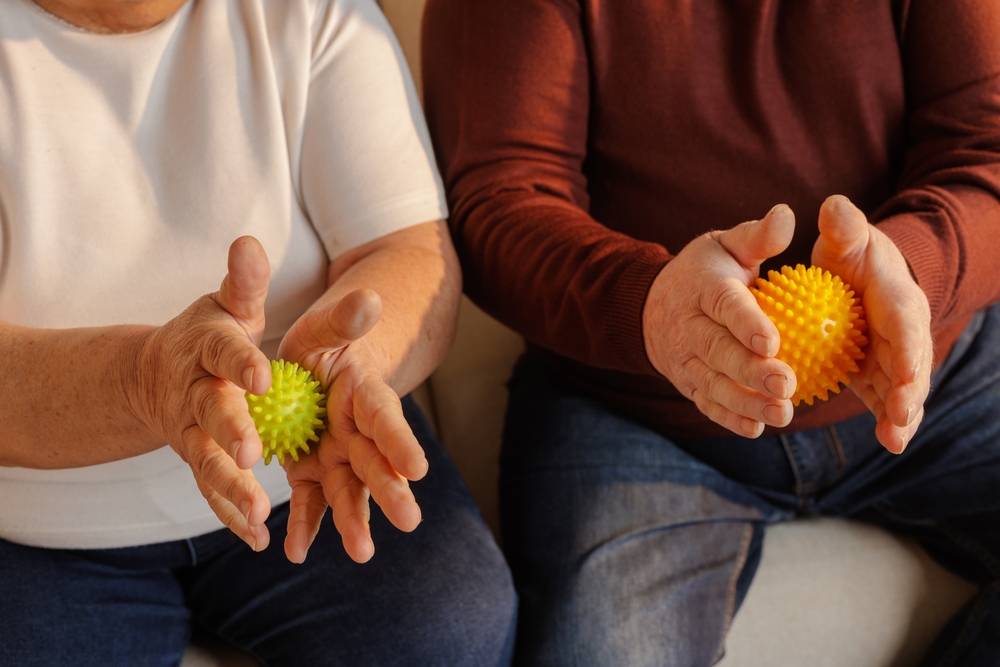
One of the most direct ways to build hand strength is by using tools designed specifically for grip training. Hand grippers, stress balls, or even a rolled towel can help strengthen the muscles in your fingers, hands, and forearms.
These exercises improve two key types of grip strength:
-
Crush strength: the force created when you squeeze your fingers into your palm
-
Grip endurance: the ability to maintain that squeeze over time
Try performing 2–4 short sets of grip exercises two to four times per week. You can either squeeze as hard as possible for 5–10 seconds or complete 10–20 controlled repetitions.
If you’re older or new to grip training, start with light resistance and gradually increase difficulty. The tissues around your joints and tendons may need time to adapt, so progress slowly and always avoid movements that cause pain.
2. Lift Weights to Strengthen Your Whole System
Grip strength often improves fastest when the entire body gets stronger. Strength training helps the nervous system recruit more muscle fibers while also strengthening the forearms.
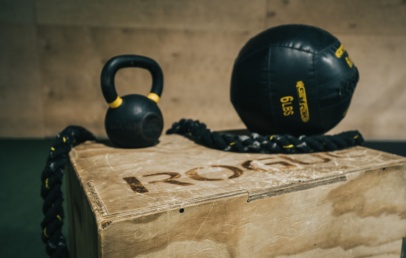
Using free weights like dumbbells, barbells, or kettlebells is especially effective because your hands must stabilize the weight.
Exercises that work well include:
-
Deadlifts
-
Rows
-
Farmer’s carries
Farmer’s carries are particularly powerful for grip training. Simply hold heavy weights at your sides and walk for 20–40 seconds until your grip begins to fatigue. Rest for about a minute and repeat for 3–8 rounds, depending on your fitness level.
Even the simple act of holding onto weights challenges your grip muscles and helps them grow stronger.
3. Hang From a Bar
Hanging exercises may look simple, but they are incredibly effective for building grip endurance.
A dead hang involves holding onto an overhead bar while letting your body hang freely. This exercise strengthens your hands while also improving shoulder stability and upper body strength.
If a full hang feels too difficult, try these beginner options:
-
Feet-assisted hangs: keep your feet on the ground or a bench
-
Band-assisted hangs: use a resistance band to support part of your body weight
Start with 10–30 second holds, aiming for three to six repetitions. Over time, work toward holding a dead hang for about 60 seconds.
4. Turn Daily Activities Into Grip Training
Not all grip training needs to happen in the gym. Many everyday activities naturally strengthen your hands.
For example:
-
Carrying grocery bags
-
Gardening or yard work
-
Moving household items
-
Carrying heavy objects with proper form
These activities challenge your grip in real-world situations, which can help maintain strength needed for daily tasks.
Try carrying one moderately heavy object each day. As it becomes easier, gradually increase the weight or distance. If you experience wrist discomfort or arthritis, keep your wrists in a neutral position—aligned with your forearms.
5. Fuel Your Muscles With Protein and Recovery
Like any form of exercise, grip training requires recovery. Your muscles grow stronger when they have enough time and nutrients to repair themselves.
Key recovery habits include:
-
Getting quality sleep
-
Eating enough calories
-
Consuming adequate protein
-
Staying well hydrated
Protein is especially important because it helps repair and build muscle tissue. Many experts recommend aiming for about 1 gram of protein per pound of body weight per day, though individual needs vary.
Hydration also plays an important role in performance and recovery. General guidelines suggest women drink about 2.7 liters of fluids per day and men around 3.7 liters, though this can vary depending on activity level and environment.
How Quickly Grip Strength Improves?
The timeline for improvements depends on consistency and age.
-
Many people notice stronger hands in 2–4 weeks with regular training.
-
Measurable strength gains often appear around 6–8 weeks.
-
Significant improvements may develop by 10–12 weeks with progressive training.
Older adults may see progress more gradually, sometimes within 12–20 weeks, but consistent practice still leads to meaningful gains.
Grip strength might seem like a small detail, but it plays a huge role in maintaining independence and overall health as you age. Stronger hands make everyday tasks easier and may even reflect improvements in overall strength and longevity.
The best part is that grip strength is highly trainable. With simple exercises, regular strength training, and supportive recovery habits, you can build stronger hands and support healthier aging at any stage of life.