
Need More Fiber?
If you’re trying to improve digestion, feel full longer, or just keep things moving smoothly, fiber is your best friend. And guess what? You don’t have to rely on oats or bran all the time. Some of the best sources of fiber are hanging out right in your veggie drawer.
Here are some vegetables that are naturally high in fiber and super easy to add to everyday meals.
1. Artichokes

Artichokes are like the fiber royalty of vegetables. One medium artichoke can give you around 7 grams of fiber. That’s a lot for just one veggie. They’re also great for your gut and support healthy digestion. Steam them, grill them, or toss the hearts into pasta or salad.
2. Green Peas

A cup of green peas has about 8 to 9 grams of fiber. They’re slightly sweet and super versatile. You can add them to rice dishes, soups, or even mash them up for a high-fiber dip. They also pack in some plant-based protein.
3. Broccoli

Broccoli is always a good idea. It’s loaded with fiber, about 5 grams per cup when cooked, and it also has antioxidants and vitamins that help fight inflammation. Roast it, steam it, or chop it raw into a salad for that satisfying crunch.
4. Brussels Sprouts
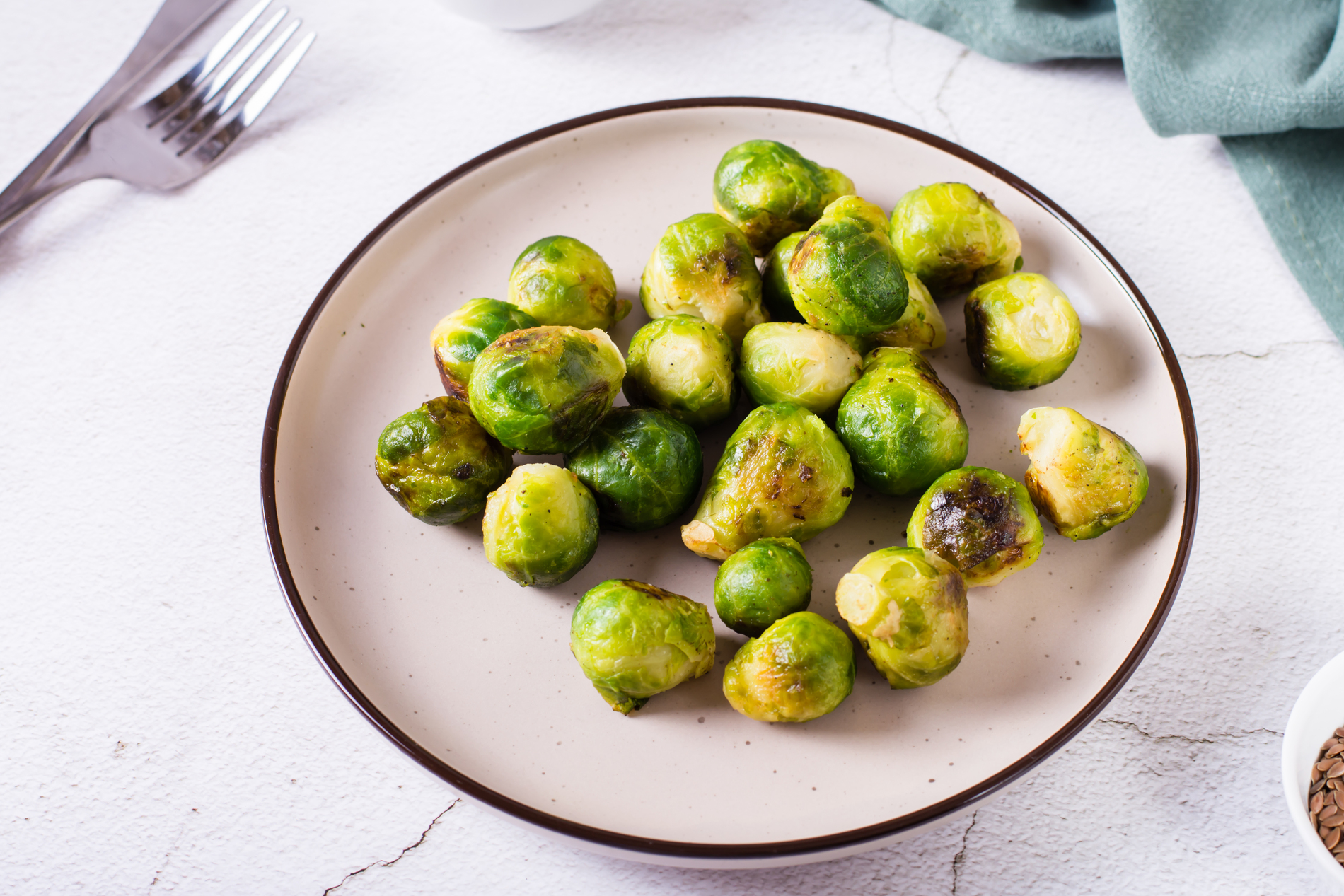
Brussels sprouts have about 4 grams of fiber per cup. They’re also rich in compounds that support gut health and reduce inflammation. Roast them until crispy or shred them into slaw for a tasty fiber boost.
5. Sweet Potatoes
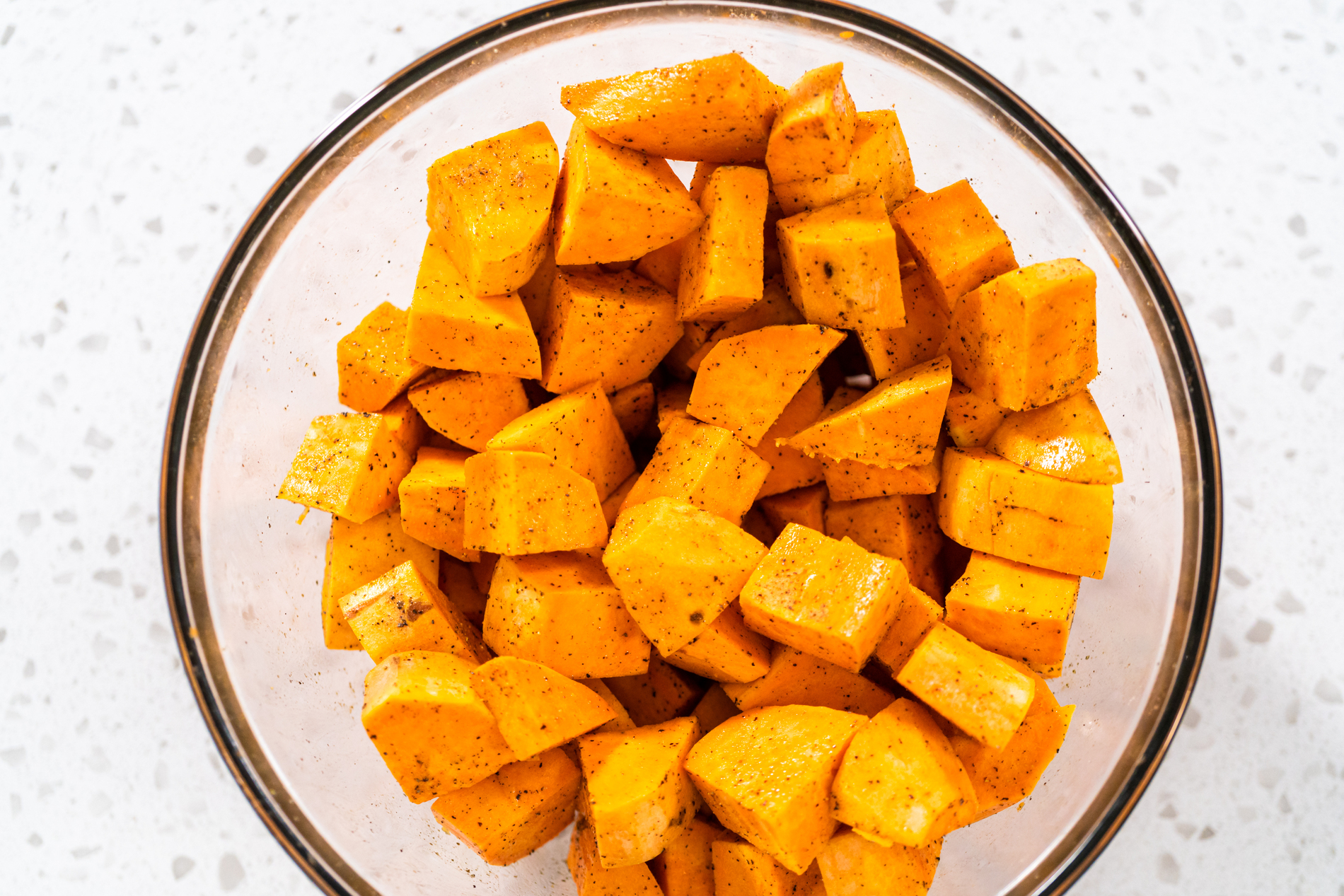
With around 4 grams of fiber in a medium-sized sweet potato, they’re a great choice for staying full. Most of the fiber is in the skin, so leave it on if you can. Bake them, cube them into soups, or turn them into fries.
6. Carrots

Carrots offer about 3.5 grams of fiber per cup when raw. They’re crunchy, slightly sweet, and easy to snack on. Plus, they’re rich in beta-carotene, which supports your skin and vision. Dip them in hummus or roast them for a warmer option.
7. Spinach

Spinach is a little lighter on the fiber compared to others, but when you eat it in bigger portions, it adds up fast. One cup cooked gives you around 4 grams. Sauté it with garlic or add it to omelets and smoothies.
8. Kale

Kale brings in about 3 to 4 grams of fiber per cup, plus loads of vitamins A, C, and K. It’s hearty, filling, and super easy to mix into soups or grain bowls. Try massaging it with a little olive oil and lemon for a simple salad.
9. Collard Greens

Collards are a Southern staple with serious fiber power. One cup cooked has around 5 to 7 grams. They’re a bit tougher than other greens, so they hold up well in stews or slow-cooked dishes.
10. Cauliflower

Cauliflower is mild but sneaky good for fiber, especially when eaten in whole florets. A cup cooked has about 3 grams. It’s also easy to mash, roast, or rice. Great for anyone looking for lower-carb swaps without losing fiber.
11. Beets

Beets are earthy, colorful, and have about 3.5 grams of fiber per cup. They’re great for your gut and also support healthy blood flow. Roast them with a bit of olive oil or blend them into smoothies for something different.
12. Avocados
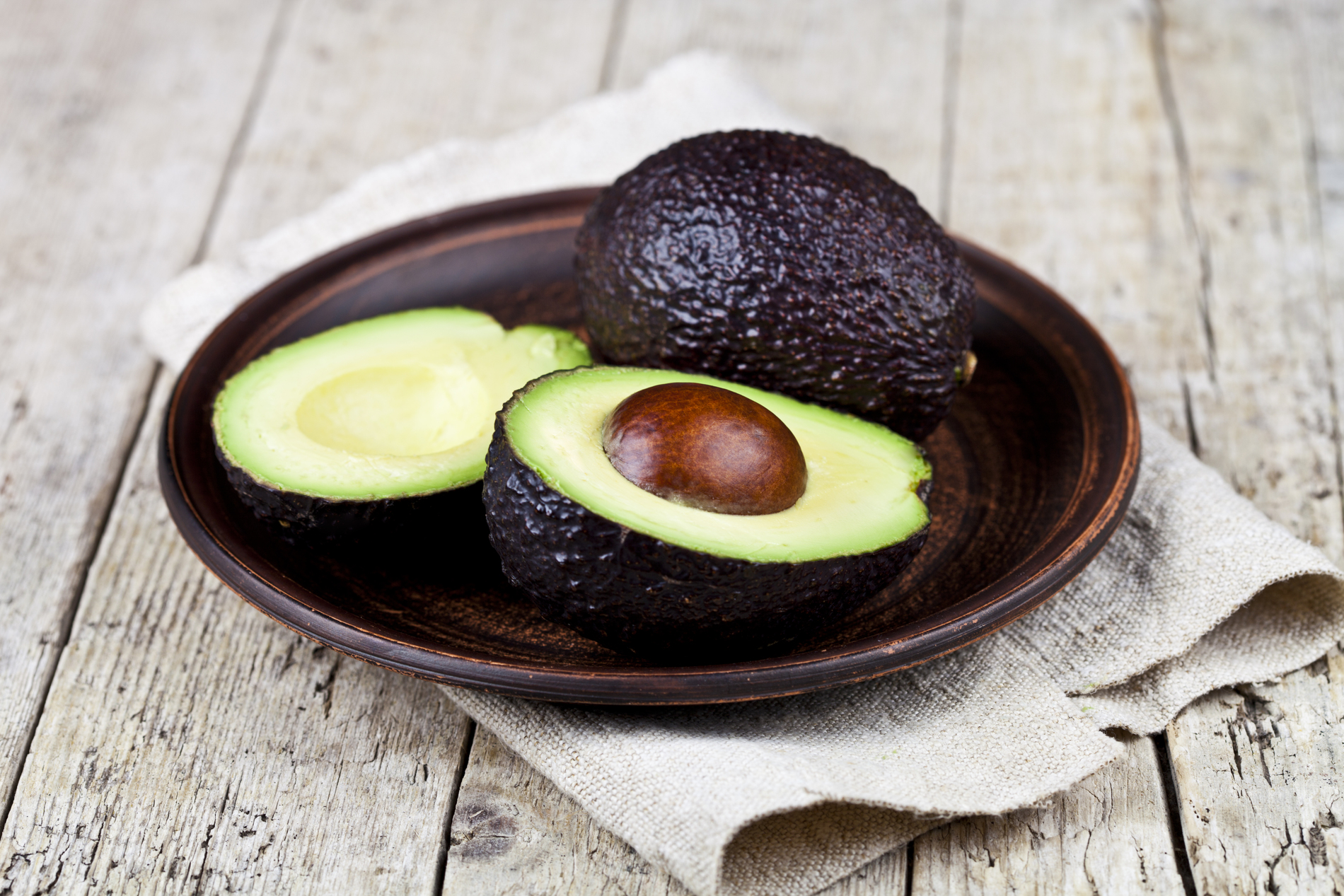
Technically a fruit, but most people treat it like a veggie, so it’s worth including. One avocado gives you about 10 grams of fiber. That’s a ton. It’s full of healthy fats too, which make it a filling, blood sugar-friendly addition to toast or salads.
Final Thoughts
Getting more fiber doesn’t have to be boring or complicated. These veggies make it super easy to hit your daily fiber goals while keeping your meals tasty and satisfying. Whether you’re roasting, blending, or tossing them into a salad, a little effort goes a long way in keeping your gut happy.