
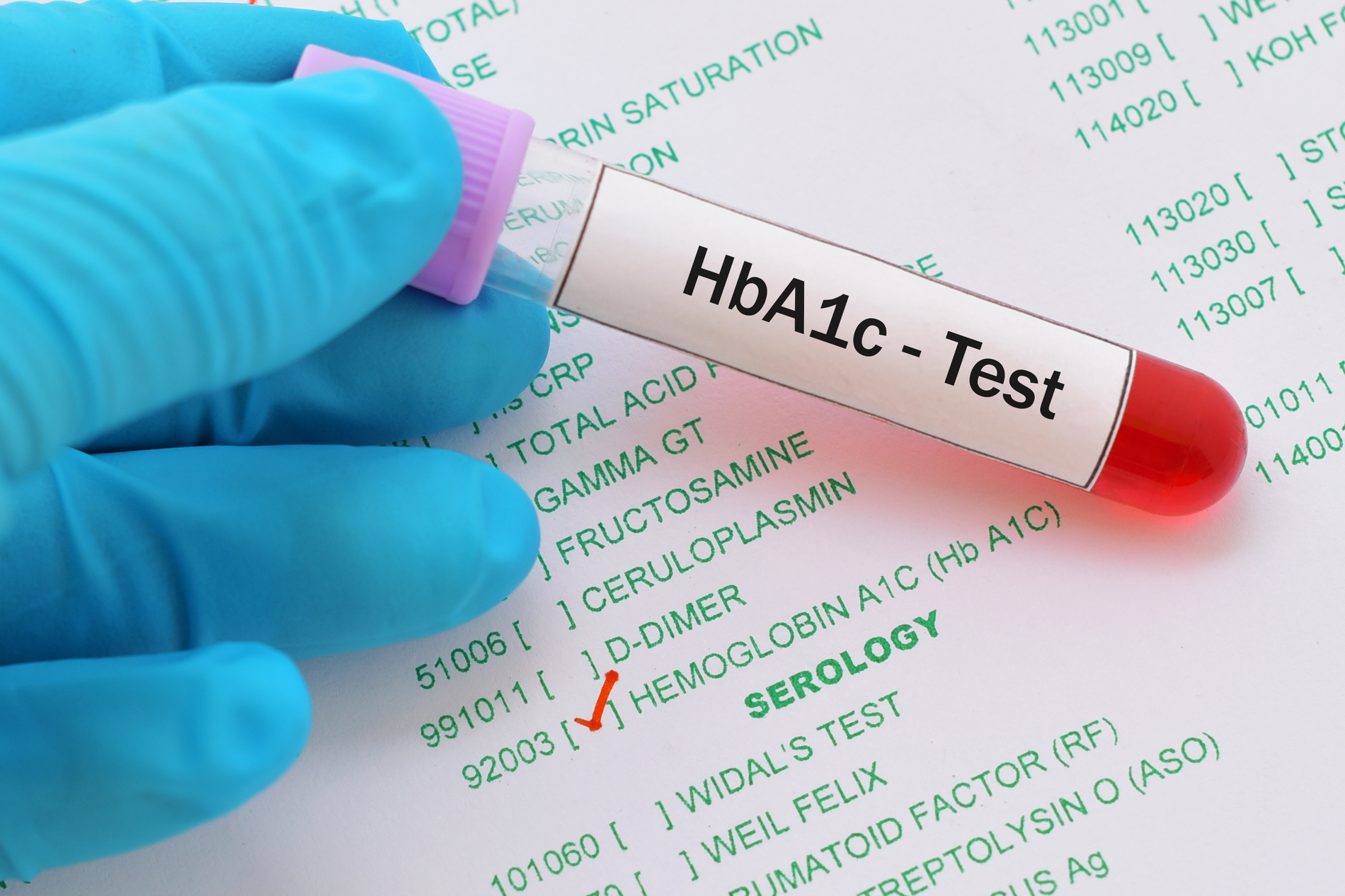
Blood sugar issues frequently appear without warning. Damage may have already started by the time obvious symptoms show up. One accurate method for identifying these problems early on is the HbA1c test, sometimes referred to as the A1c test. Compared to a standard glucose test, it provides a more comprehensive picture by measuring your average blood glucose levels over the previous two to three months.
The HbA1c test measures your long-term blood sugar control, as opposed to a fasting blood sugar test that only displays your glucose level at one specific time. It can be done at any time of day and doesn’t require fasting. Here are ten indicators and risk factors that may warrant a HbA1c test if you’re unsure if it’s time to check your levels.
1. Unexplained Fatigue

High blood sugar may be the cause of your persistent fatigue, even after a restful night’s sleep. Your body cannot effectively produce energy when insulin resistance prevents glucose from entering your cells. Because of this, you might feel exhausted all the time for no apparent reason. One of the most often disregarded but prevalent early indicators of blood sugar imbalance is this.
2. Increased Thirst and Frequent Urination

Your kidneys have to work harder to filter and eliminate too much glucose from your blood. Increased urination is frequently the result of this. Your body then becomes dehydrated, which results in chronic thirst. High blood sugar levels may be the cause of your increased water intake and increased frequency of urination, particularly at night.
3. Blurred Vision

Your eyes’ lenses may swell as a result of high blood sugar, which could distort or blur your vision. This change in vision is frequently one of the first indications that something is amiss, even though it may be transient and reversible with improved glucose control. It is worthwhile to consult a healthcare professional about persistent problems with visual clarity.
4. Family History of Diabetes

The risk of type 2 diabetes is significantly influenced by genetics. You are much more likely to get diabetes if your parents, siblings, or other close family members already have the disease. It’s advisable to routinely check your blood sugar, including with a HbA1c test, even if you feel well, in order to identify any changes early.
5. Weight Gain, Especially Around the Abdomen

More than just a cosmetic issue, excess waist fat is a major sign of insulin resistance. One of the main risk factors for type 2 diabetes is central obesity, or fat stored in the abdomen. It might be time to have a HbA1c test to evaluate your metabolic health if you have recently gained weight, especially around your midsection.
6. High Blood Pressure or High Cholesterol

Insulin resistance frequently coexists with conditions like hypertension (high blood pressure) and elevated cholesterol. When combined, they create the metabolic syndrome, which raises your risk of type 2 diabetes considerably. Your doctor might advise routine blood sugar testing, including a HbA1c test, if you are already taking care of one or both of these conditions.
7. Slow Healing of Cuts and Frequent Infections

Due to circulation issues and immune system deterioration, high blood sugar can hinder your body’s natural healing processes. This may cause minor wounds to heal more slowly and increase the risk of infections, especially urinary tract and skin infections. Investigate this red flag if you’ve noticed that your healing is slower or that you get infections more frequently.
8. Unintended Weight Loss

Even though losing weight is frequently seen as a good thing, losing weight without trying—especially if you’re also feeling hungry, thirsty, or exhausted—could be a sign of trouble. When you have diabetes, your body may begin using muscle and fat as fuel because it is unable to properly use glucose. It is important to pay attention to this symptom of inexplicable weight loss.
9. Age Over 45

All adults 45 years of age and older should be screened for type 2 diabetes at least every three years, according to the American Diabetes Association. Even in the absence of obvious symptoms, our risk for insulin resistance and metabolic issues rises with age. One easy way to stay ahead of possible problems is to have your HbA1c checked.
10. A Sedentary Lifestyle

One of the risk factors for type 2 diabetes that can be changed the most is physical inactivity. Your risk of developing insulin resistance rises if your daily routine or job requires you to sit for extended periods of time and you don’t get regular exercise. Routine HbA1c testing monitoring becomes even more crucial when inactivity is combined with other risk factors like being overweight or eating poorly.
Why Early Testing Matters?

Timely intervention is made possible by early detection of elevated blood sugar. By making lifestyle adjustments like eating better, exercising more, controlling their stress, and getting more sleep, many people with prediabetes can reverse their condition. Your risk of type 2 diabetes can be considerably decreased by losing even a small amount of weight, about 5% to 7% of your body weight.
If you already have diabetes, a HbA1c test can help you and your doctor monitor how well your blood sugar is controlled over time and help guide your treatment plan
When to Talk to Your Doctor?

It’s a good idea to ask your doctor about getting a HbA1c test if you have known risk factors like obesity, family history, or high blood pressure, or if you recognize any of the symptoms listed above. In order to rule out gestational diabetes, this test might also be advised if you are currently or intend to become pregnant.
Proactive testing can help identify problems before symptoms show up, even if you feel fine. Blood sugar issues can usually be improved or even reversed with non-pharmacological interventions made possible by early detection.