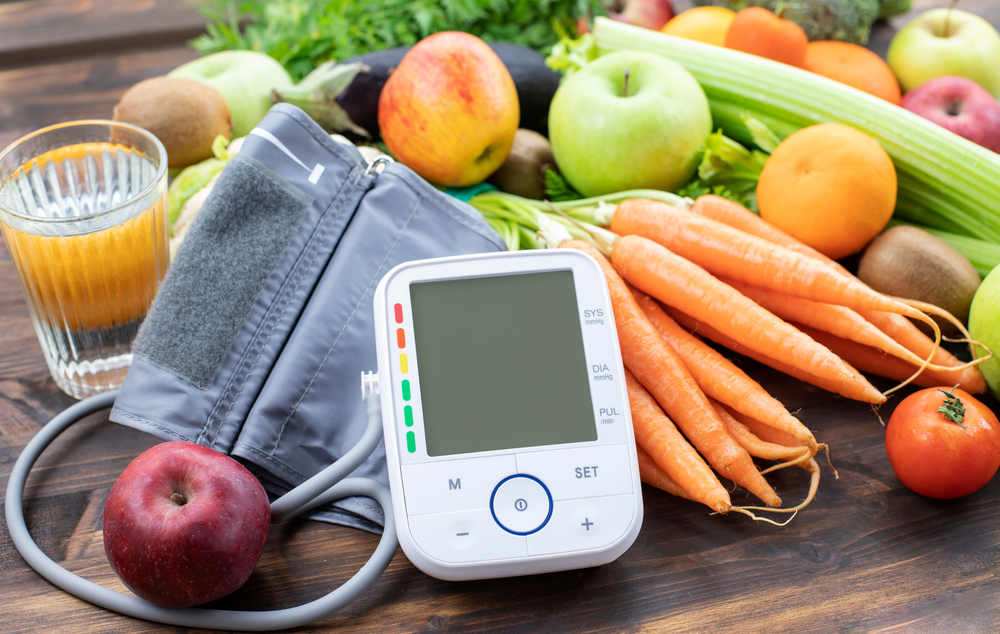
High blood pressure, also known as hypertension, is often called the “silent killer” because it can develop without obvious symptoms while quietly increasing the risk of heart disease and stroke. More than one billion people worldwide are affected, yet it’s also one of the most preventable health conditions. Along with physical activity, stress management, and medical care when needed, diet plays a powerful role in controlling blood pressure. Certain foods contain nutrients that help blood vessels relax, balance sodium levels, and support overall heart health.
1. Citrus Fruits
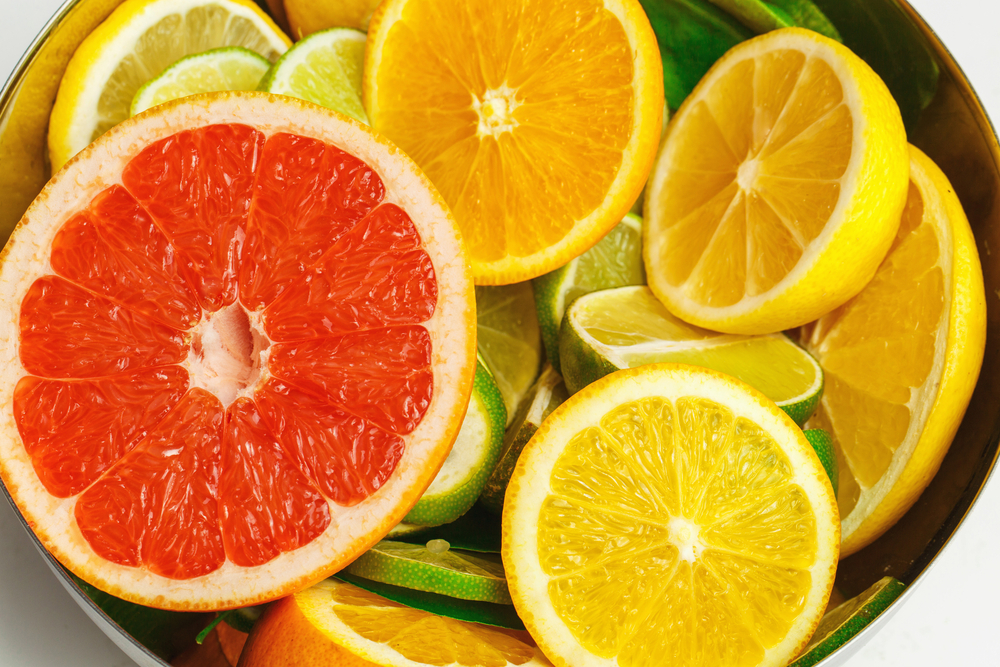
Citrus fruits like oranges, grapefruits, and lemons are rich in vitamin C, potassium, and beneficial plant compounds called flavonoids. Research shows that eating about 530–600 grams of fruit per day—roughly the equivalent of four oranges—is associated with better blood pressure control. Citrus fruits, in particular, are linked to lower blood pressure levels because they help improve blood vessel function and reduce inflammation. Drinking citrus juices may also help, though grapefruit should be used cautiously as it can interact with certain blood pressure medications.
2. Salmon and Other Fatty Fish
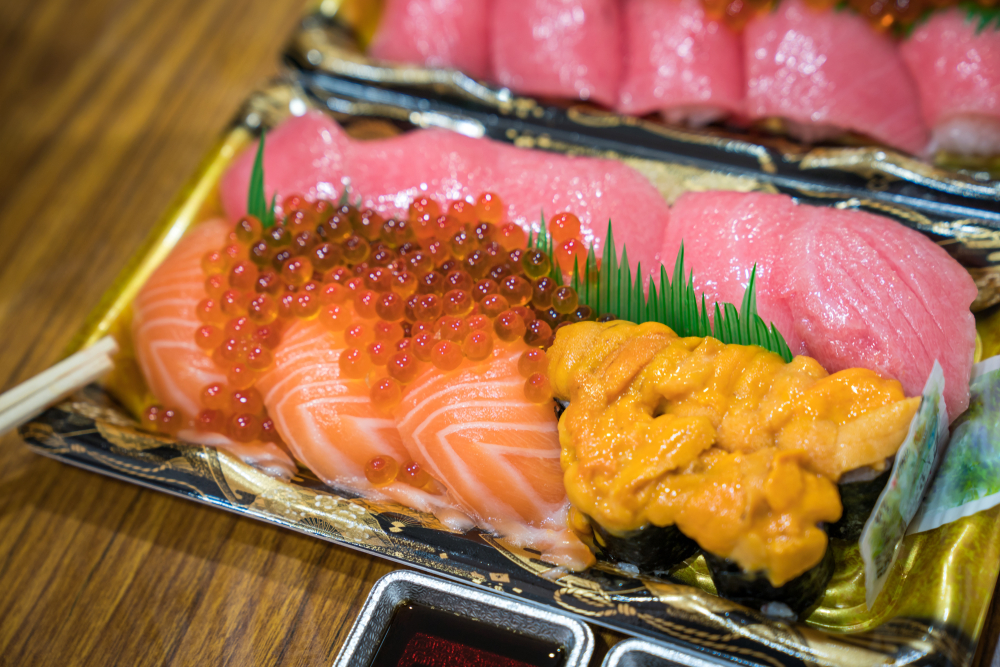
Fatty fish such as salmon, sardines, mackerel, and trout are among the best dietary sources of omega-3 fatty acids. These healthy fats help reduce inflammation, lower triglycerides, and relax blood vessels, all of which contribute to lower blood pressure. Research shows that consuming 2–3 grams of omega-3s daily—about a 3.5-ounce serving of salmon—offers the strongest benefit. Regular fish intake has also been linked to a reduced risk of developing hypertension, even in younger adults.
3. Leafy Greens
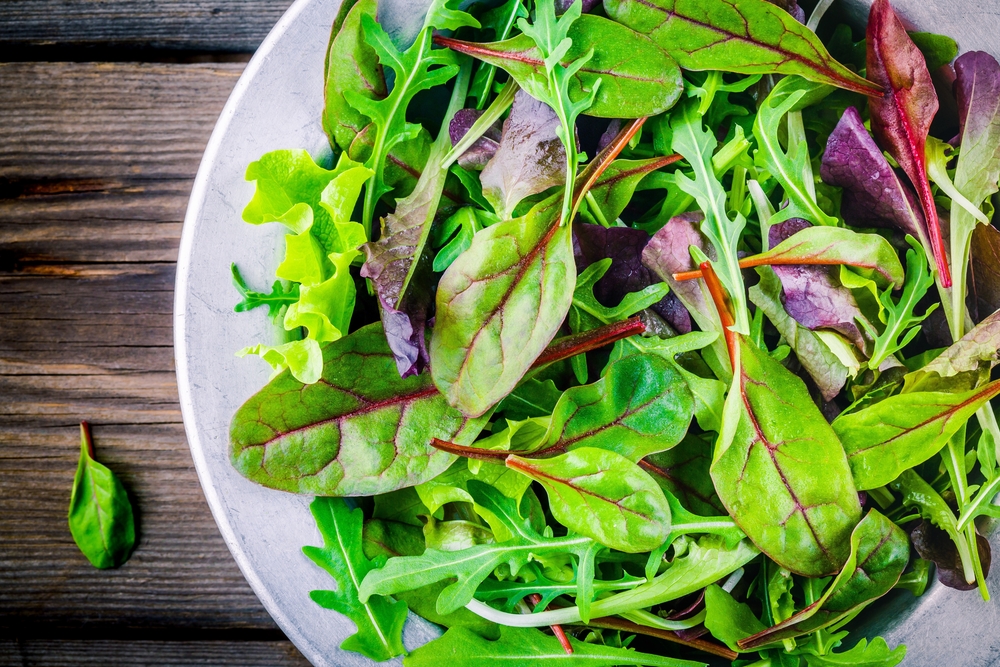
Leafy greens like Swiss chard and spinach are packed with potassium and magnesium, two minerals essential for blood pressure regulation. Potassium helps the body remove excess sodium, while magnesium supports proper blood vessel relaxation. One cup of cooked Swiss chard provides nearly 1,000 mg of potassium and 150 mg of magnesium. Spinach also contains natural nitrates, which may help widen blood vessels. While research findings are mixed, leafy greens remain a cornerstone of heart-healthy eating.
4. Nuts and Seeds
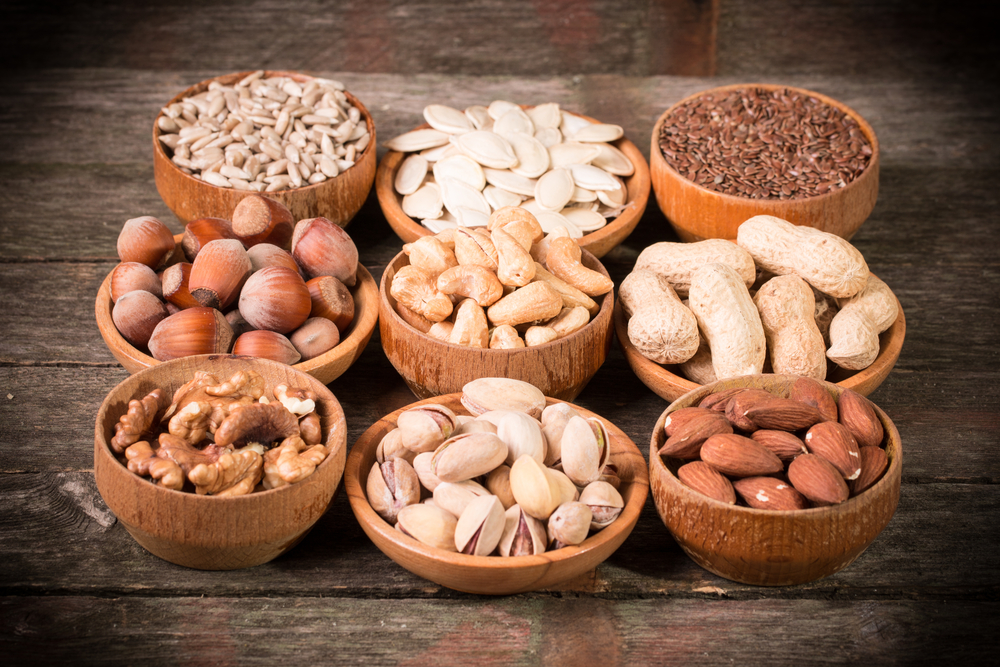
Nuts and seeds—including almonds, walnuts, pistachios, pumpkin seeds, flaxseed, and chia seeds—offer fiber, healthy fats, magnesium, and an amino acid called arginine, which supports nitric oxide production for better blood flow. Although clinical studies show mixed results, regular consumption of nuts and seeds as part of a balanced diet is associated with improved heart health and may contribute to better blood pressure control over time.
5. Legumes
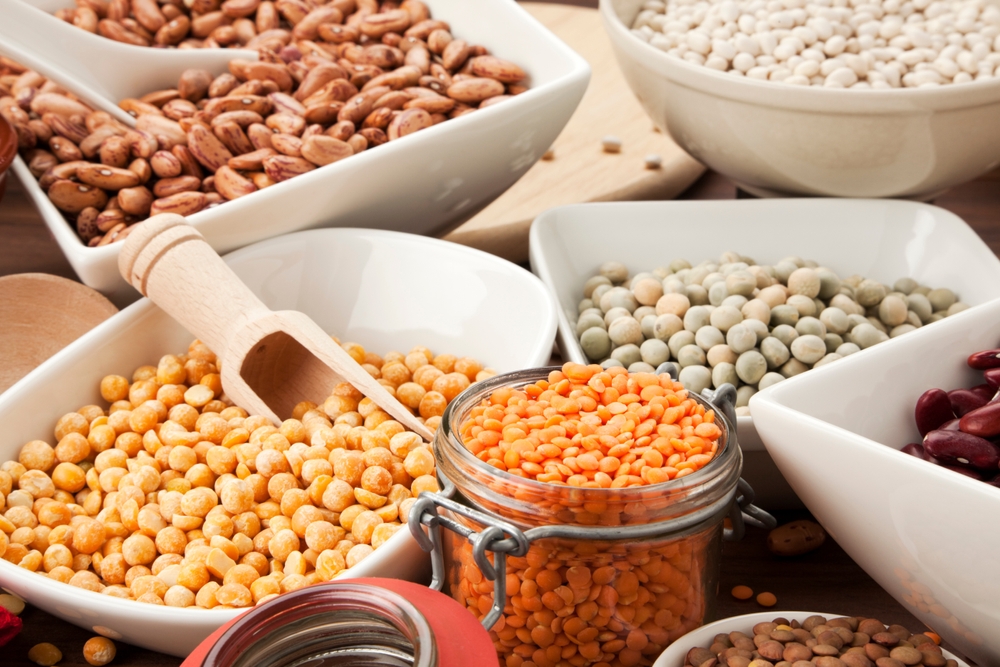
Legumes such as lentils, beans, and peas are affordable, nutrient-dense foods rich in magnesium, potassium, and plant protein. These nutrients play key roles in blood pressure regulation. While some recent reviews found no strong direct link between legumes and lower blood pressure, they are still considered beneficial due to their fiber content and ability to replace higher-sodium or processed foods in the diet.
6. Berries

Berries are rich in antioxidants, particularly anthocyanins, which give them their vibrant colors. These compounds help improve blood vessel function by increasing nitric oxide availability and reducing oxidative stress. Blueberries, strawberries, cranberries, raspberries, cherries, and grapes have all been studied for their heart benefits. Some research suggests berries can lower systolic blood pressure by several points, especially when consumed regularly.
7. Amaranth and Other Whole Grains
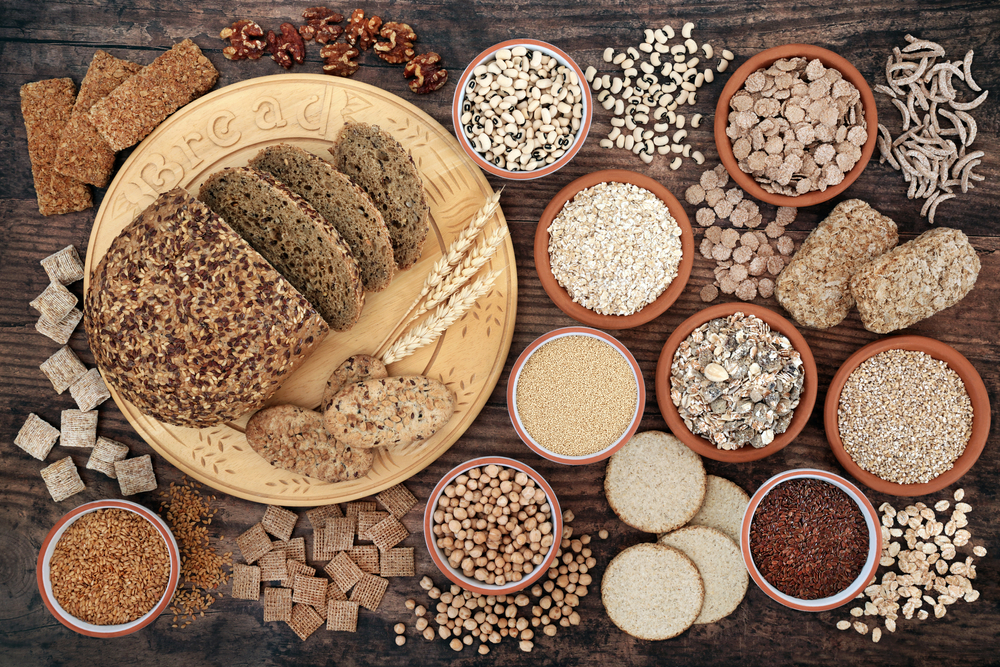
Whole grains are consistently linked with a lower risk of high blood pressure. Amaranth stands out because it is especially high in magnesium, providing about 160 mg per cooked cup. Diets rich in whole grains like oats, quinoa, brown rice, corn, and whole wheat products help improve blood vessel health and insulin sensitivity, both of which support healthy blood pressure levels.
8. Olive Oil
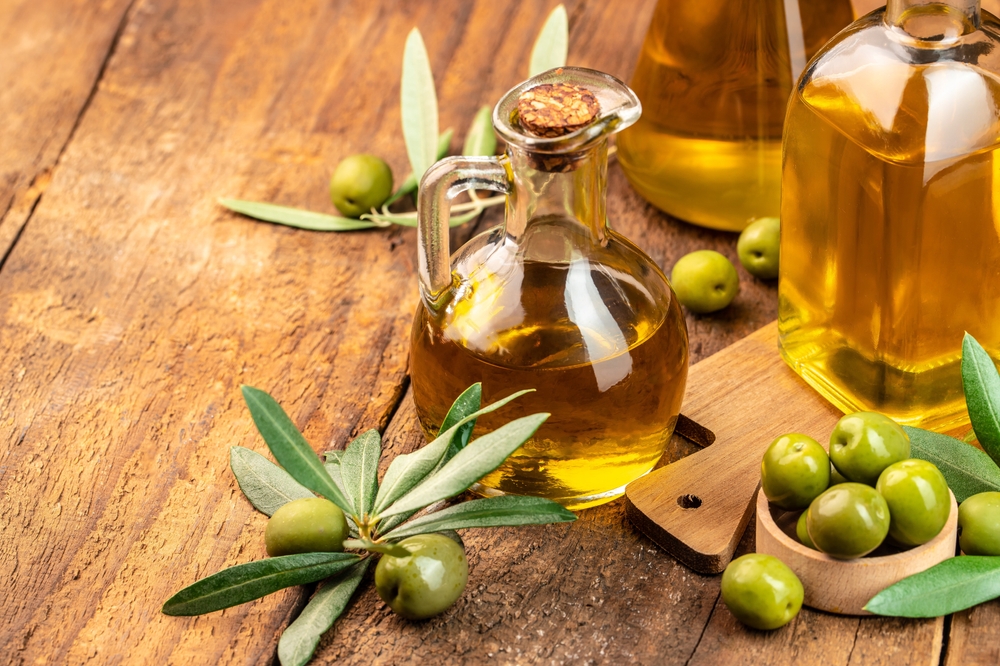
Olive oil, especially extra virgin olive oil, is rich in oleic acid and polyphenols, which have anti-inflammatory and antioxidant properties. Regular use of olive oil has been shown to support heart health and reduce blood pressure when used in place of saturated fats like butter. It’s a key component of the Mediterranean diet, one of the most heart-friendly eating patterns.
9. Carrots
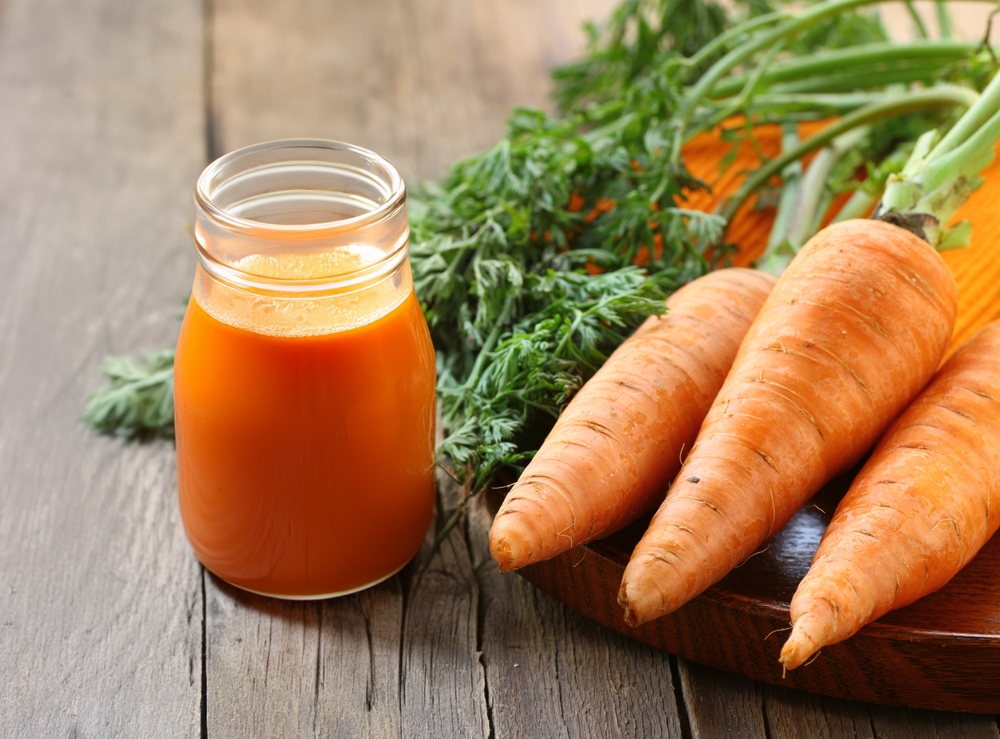
Carrots are high in natural antioxidants and plant compounds that support vascular health. Research suggests that consuming around 100 grams per day—about one cup of raw grated carrots—may lower the likelihood of developing high blood pressure. Their natural sweetness also makes them a great alternative to processed snacks.
10. Eggs
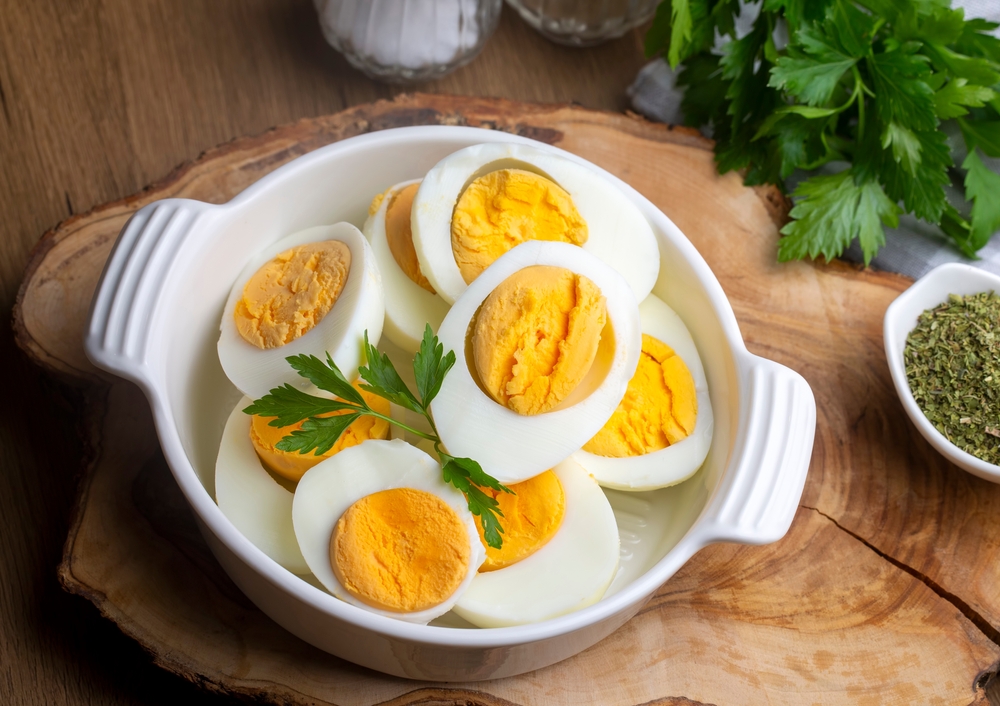
Eggs are a nutrient-dense food that provides high-quality protein, vitamins, and minerals. Studies show that people who eat eggs regularly may have slightly lower systolic blood pressure and a reduced risk of developing hypertension. For healthy adults, eating up to three eggs per day does not appear to increase heart disease risk and can fit into a balanced, blood-pressure-friendly diet.
11. Tomatoes and Tomato Products
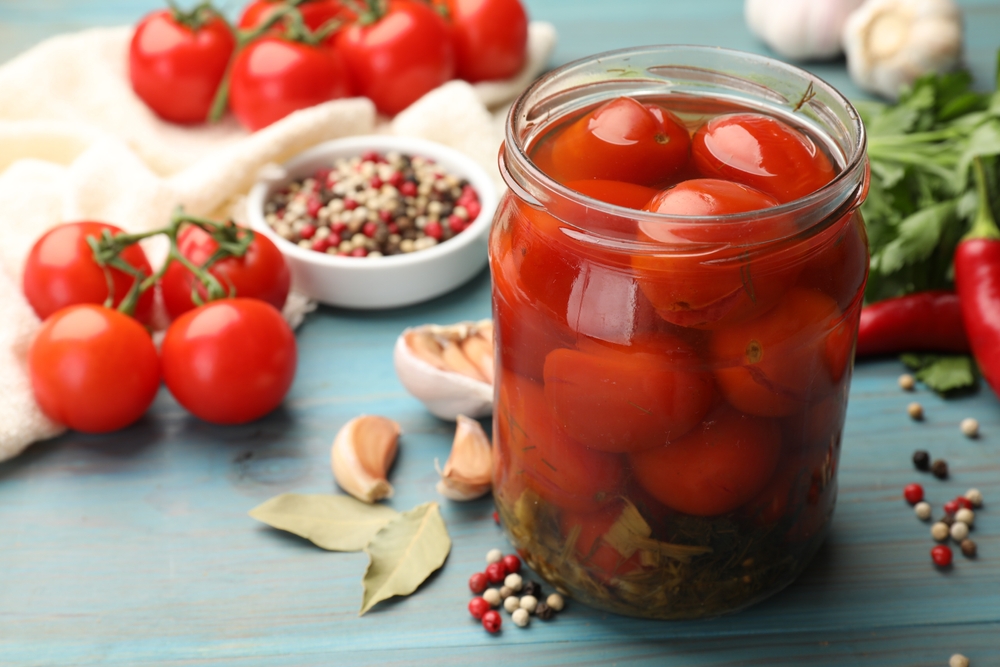
Tomatoes are rich in potassium and lycopene, a carotenoid antioxidant associated with improved heart health. Fresh tomatoes, tomato sauce, paste, and juice may all help support healthy blood pressure levels. While research findings vary, regular tomato consumption is linked with a lower risk of heart disease and cardiovascular-related death.
12. Broccoli
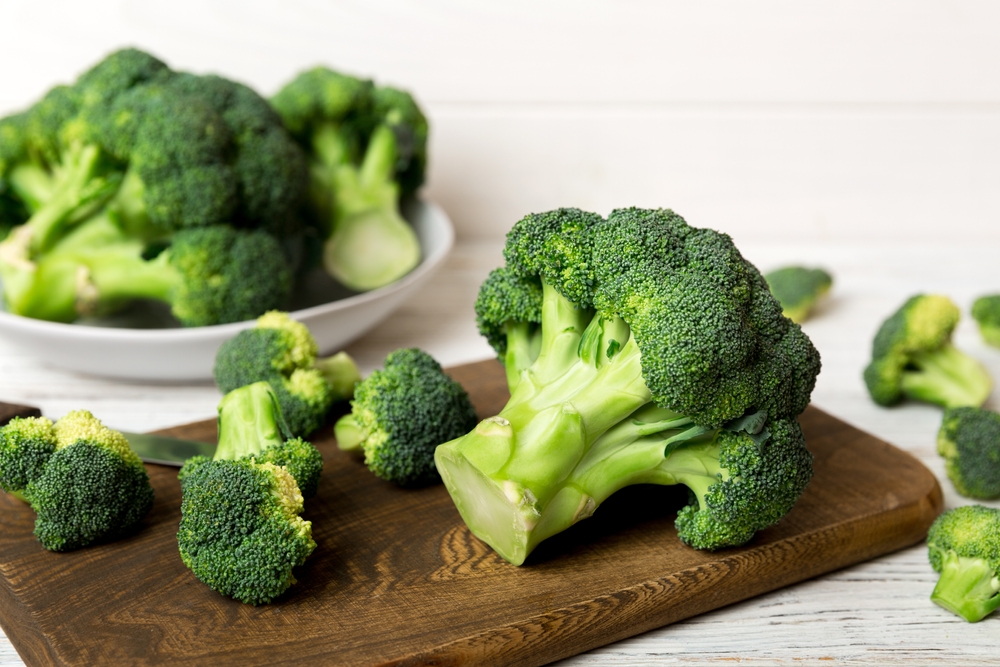
Broccoli contains flavonoid antioxidants that enhance blood vessel function and promote nitric oxide production. Studies show that people who eat broccoli several times per week tend to have a lower risk of hypertension. As part of the cruciferous vegetable family, broccoli also supports overall cardiovascular and metabolic health.
13. Yogurt

Yogurt is a rich source of calcium, potassium, and beneficial probiotics. Research indicates that people with high blood pressure who consume yogurt regularly—especially daily—often have lower systolic blood pressure levels. Increasing yogurt intake by just a few servings per week may offer measurable benefits, particularly for those already diagnosed with hypertension.
14. Herbs and Spices
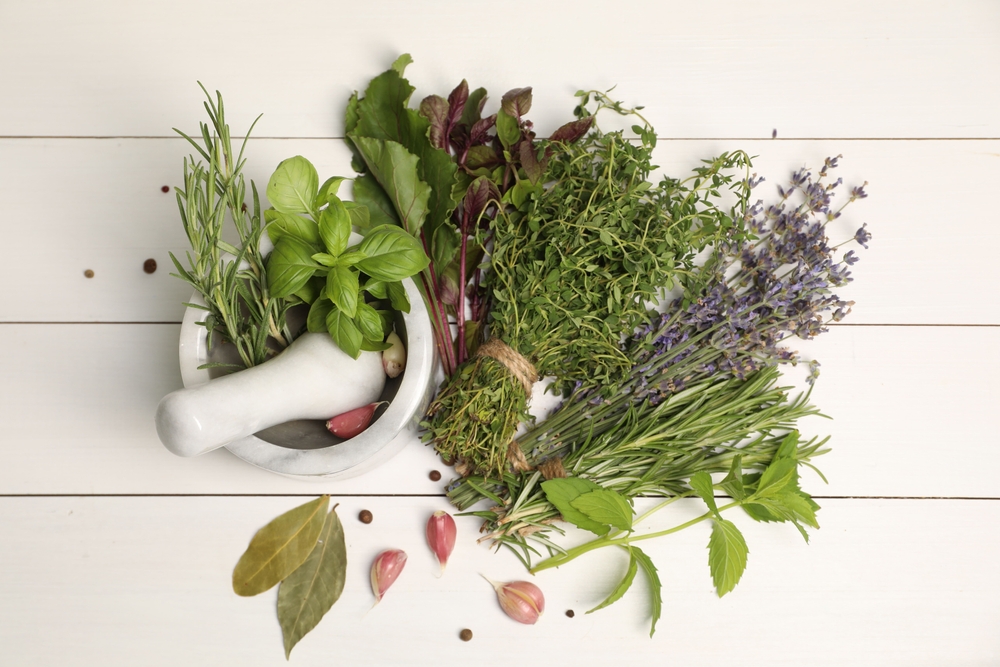
Herbs and spices do more than add flavor—they can actively support heart health. Garlic, ginger, cinnamon, basil, oregano, cumin, chili powder, and cardamom contain compounds that help blood vessels relax. Research shows that seasoning foods generously with a variety of herbs and spices can lower blood pressure within weeks, making them an easy and delicious dietary upgrade.
15. Potatoes
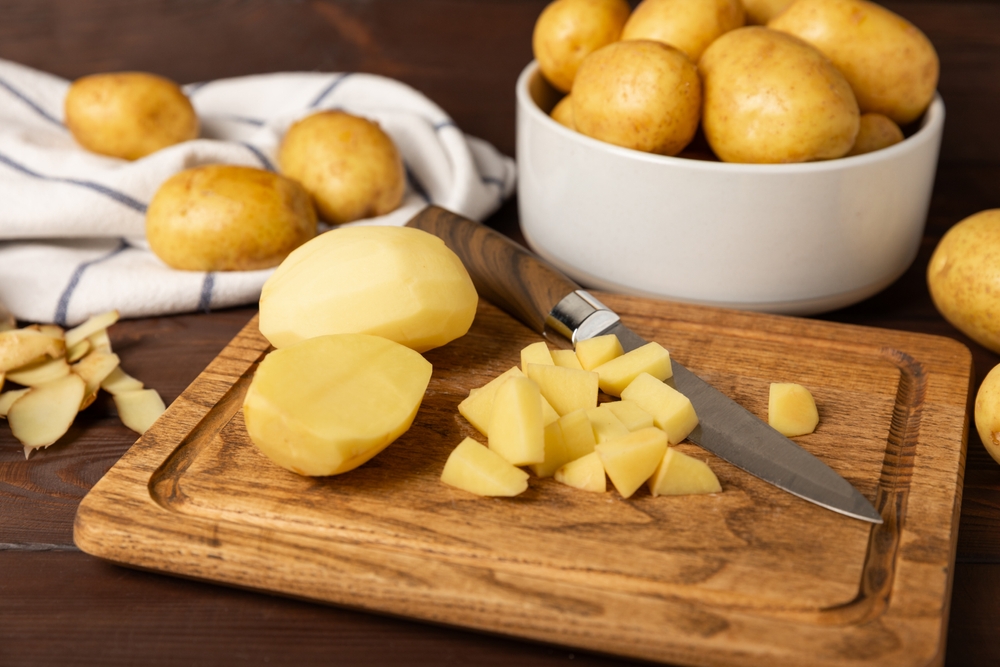
Potatoes are one of the richest natural sources of potassium, especially when eaten with the skin. A medium baked potato provides more potassium than a banana. When prepared healthfully—baked, boiled, or roasted without excess salt or fat—potatoes can support lower blood pressure as part of an overall balanced diet.
16. Kiwifruit
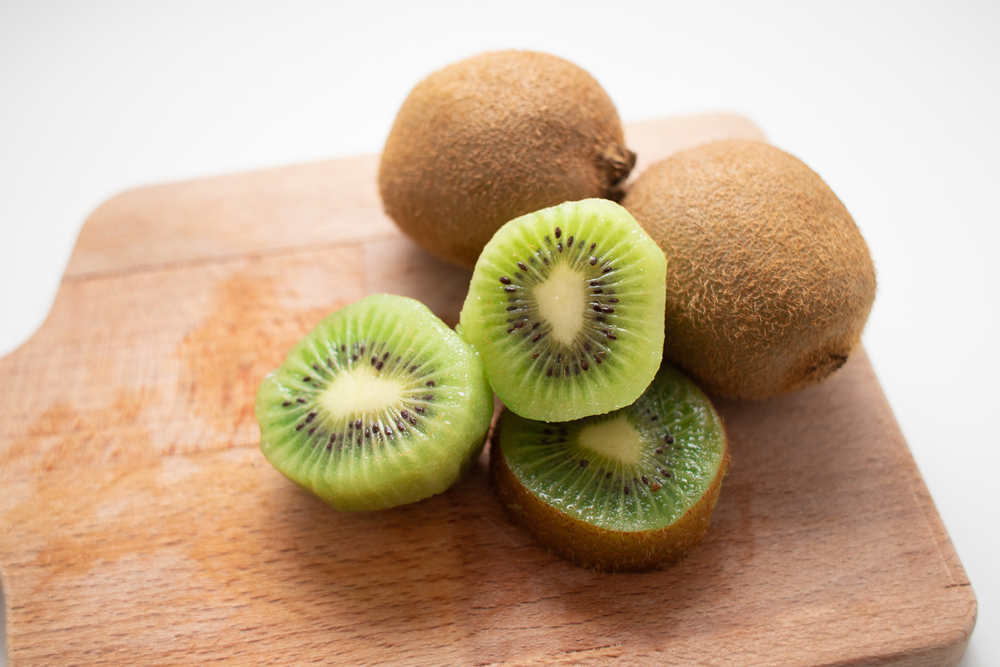
Kiwifruit is exceptionally high in vitamin C and also provides potassium, magnesium, fiber, and antioxidants. Studies suggest that eating two kiwis daily may modestly reduce systolic blood pressure. Kiwis are easy to add to breakfast or snacks and offer multiple heart-health benefits.
17. Lean Meats
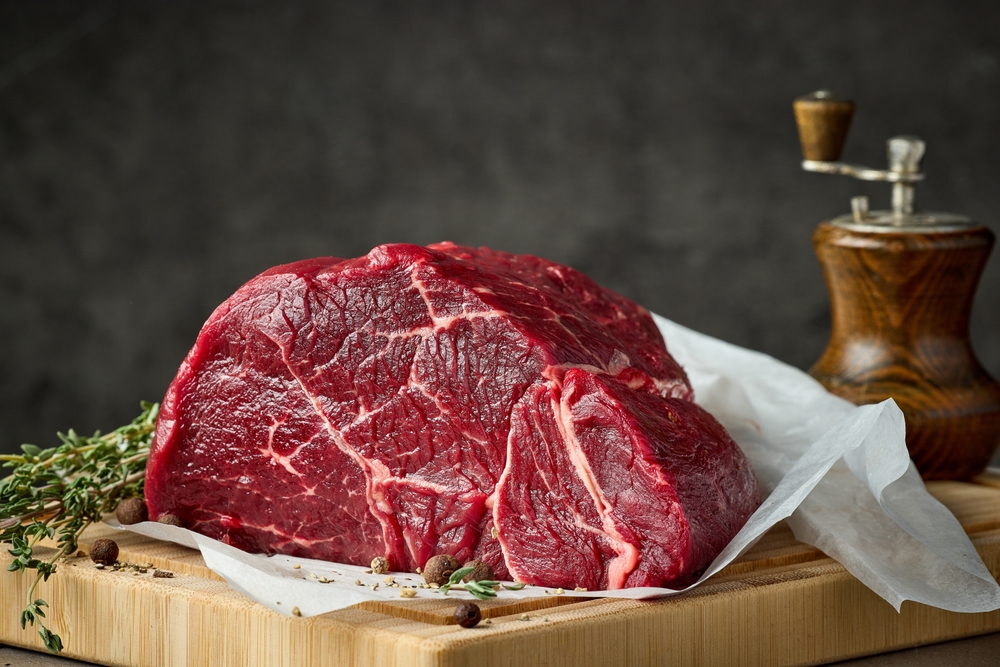
Lean protein sources such as skinless chicken breast, turkey, pork tenderloin, and lean cuts of beef can be included in a blood-pressure-friendly diet. Research suggests that variety in protein sources—including both animal and plant proteins—may significantly reduce the risk of developing hypertension. Choosing lean cuts helps limit saturated fat while still providing essential nutrients.
A healthy diet is one of the most effective tools for managing blood pressure naturally. By regularly including fruits, vegetables, whole grains, lean proteins, healthy fats, and flavorful herbs and spices, you can support healthier blood vessels and reduce your risk of heart disease. If you have high blood pressure or plan to make major dietary changes, it’s always wise to consult a doctor or registered dietitian for personalized guidance.