
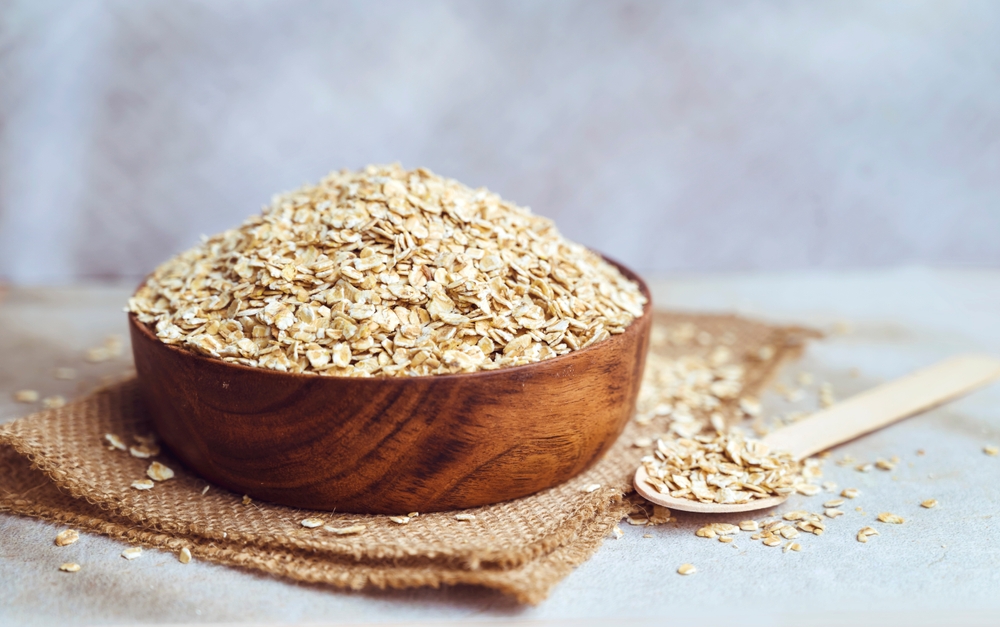
Oatmeal has long been a breakfast favorite—warm, comforting, and endlessly customizable. But lately, a new question has been popping up in kitchens and smoothie bars everywhere: Is it safe to eat oatmeal without cooking it? If you’ve ever tossed a handful of oats into a blender or sprinkled them over yogurt, you’re not alone. Let’s break down what raw oats really are, whether they’re safe to eat, and the healthiest ways to enjoy this nutrient-packed whole grain.
So, What Exactly Are Raw Oats?
When we talk about “raw oats,” we’re usually not talking about oats straight from the farm. True raw oats still have their hulls and stalks attached and aren’t something you’d typically find at the grocery store.
What most people call raw oats are actually less processed oats. These include:
-
Oat groats – whole oat kernels with only the hull removed
-
Steel-cut oats – oat groats chopped into smaller pieces
Some of these oats may be lightly steamed during processing, while others may not be, depending on the brand. That’s why checking the label matters if you plan to eat them uncooked.
On the other end of the spectrum are rolled oats and instant oats. These are steamed and heat-treated during processing, which helps eliminate harmful bacteria. Because of this step, they’re generally considered safe to eat without cooking.
Are Raw Oats Safe to Eat?
In most cases, yes—especially rolled oats and instant oats. They’ve already been exposed to heat, making them safe for raw uses like smoothies, yogurt bowls, or overnight oats.
Less processed options like oat groats and steel-cut oats are tougher, chewier, and harder to digest when eaten raw. While they’re not necessarily dangerous, they’re far more enjoyable (and gentler on your stomach) when cooked or at least soaked.
Why Oats Are a Nutritional Powerhouse?
No matter how you eat them, oats deliver some impressive health perks.
Oats are whole grains, meaning they contain all three parts of the grain:
-
Bran
-
Endosperm
-
Germ
Together, these provide a wide range of nutrients, including:
-
Fiber
-
B vitamins
-
Vitamin E
-
Antioxidants
One standout nutrient in oats is beta-glucan, a type of soluble fiber. It’s known for supporting digestion, helping manage blood sugar, and reducing the risk of heart disease. Thanks to their fiber and complex carbohydrates, oats also help you feel full longer—great news if you’re trying to maintain or lose weight.
Which Oats Are the Healthiest?
All oats are nutritious, but how they’re processed can affect things like blood sugar response and texture.
Oat groats
These are the least processed and closest to their natural form. They’re very filling and have a low impact on blood sugar, but they’re harder to find and usually need cooking.
Steel-cut oats
A popular middle ground, steel-cut oats are hearty, slightly chewy, and lower on the glycemic index than rolled or instant oats. They’re easier to find and easier to cook than groats.
Rolled oats
Also called old-fashioned oats, these are steamed, flattened, and dried. They’re versatile, widely available, and the best choice if you want to eat oats without cooking them.
The Best Ways to Eat Oats—Cooked or Not
Cooking oats with water or milk and topping them with fruit, nuts, or seeds is a classic, nutritious option. But if you prefer your oats uncooked, you’ve got plenty of tasty choices:
-
Overnight oats – soaking oats makes them softer and easier to digest
-
Smoothies – blend rolled oats right in for extra fiber and staying power
-
Yogurt parfaits – add a sprinkle of oats for crunch
-
No-bake energy bites – mix oats with nut butter, dates, and seeds
Soaking or blending oats doesn’t technically cook them, but it does make them gentler on your digestive system and more enjoyable to eat.
The Bottom Line
Eating uncooked oatmeal—especially rolled oats—is generally safe and can be a healthy addition to your diet. While less processed oats shine nutritionally, they’re usually better cooked or soaked. Whether you like your oats warm and cozy or cool and crunchy, there’s no wrong way to enjoy this wholesome grain. Just choose the type that fits your taste, texture preference, and lifestyle—and enjoy every bite.