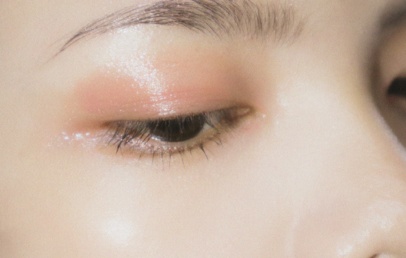

We blink thousands of times a day without giving it much thought—until our eyes start feeling irritated, tired, or uncomfortable. Dry eye syndrome is a common condition that occurs when your eyes don’t produce enough tears or when the tears they make aren’t balanced properly. Healthy tears contain a mix of water, oil, and mucus that work together to keep your eyes smooth and clear. When that balance is disrupted, your eyes may send signals that something isn’t right. Here are 10 common symptoms to watch for.
1. Burning or Stinging Sensation

A burning or stinging feeling is often one of the first signs of dry eye. It can feel like mild irritation or a sharp, uncomfortable sensation that won’t go away. This usually happens when your eyes struggle to produce enough tears or enough oil to prevent tears from evaporating too quickly. Without proper lubrication, the cornea—the clear outer surface of your eye—can dry out, leading to that persistent burning feeling.
2. Redness

Frequent redness or bloodshot eyes may be linked to dryness. Normally, blinking spreads a protective tear film evenly across your eye. When that film is lacking, your eyelids can rub against a dry surface, causing irritation. As a result, the tiny blood vessels in the sclera (the white part of your eye) may become more visible. In some cases, this is connected to meibomian gland dysfunction (MGD), a condition in which the oil-producing glands in the eyelids don’t function properly, contributing to inflammation and dryness.
3. Sensitivity to Light

If bright lights suddenly feel harsh or uncomfortable, dry eye may be the reason. Your tear film is the first layer that light passes through before reaching deeper parts of the eye. When it’s smooth and stable, light enters evenly. But when dryness creates uneven patches, light can scatter and irritate sensitive areas of the eye. This may cause you to squint, close your eyes, or feel discomfort in bright environments.
4. Blurred Vision

Dry eye can temporarily affect how clearly you see. Because the tear film plays an important role in focusing light, any disruption to it can cause blurry or fluctuating vision. Some people notice that their vision is clearer first thing in the morning after their eyes have been closed overnight, only to become blurry again as dryness sets in during the day.
5. Gritty or Sandy Feeling

A common complaint among people with dry eye is the sensation that something is stuck in the eye. This gritty or sandy feeling, known as a foreign body sensation, occurs when dry spots irritate the surface of the eye. Even though there may be no actual debris present, the discomfort can feel very real and persistent.
6. Watery Eyes

It may seem surprising, but watery eyes can actually be a symptom of dryness. When your eyes become too dry, they may respond by producing an overflow of tears. However, these tears are often mostly water and lack the necessary oil to keep them from evaporating quickly. As a result, your eyes may water excessively without truly feeling soothed or hydrated.
7. Eye Fatigue

Eye fatigue is common in today’s screen-heavy world, but dry eye can make it worse. Staring at digital devices reduces how often you blink, and blinking is essential for spreading moisture and oil across the eye’s surface. If you already have dry eye, reduced blinking can intensify strain, leaving your eyes feeling tired, heavy, or sore by the end of the day.
8. Difficulty Wearing Contact Lenses

If contact lenses suddenly feel uncomfortable or irritating, dry eye could be the cause. Contact lenses sit directly on the tear film, and without adequate lubrication, they can create friction against the eye’s surface. This may lead to discomfort, a scratchy sensation, or difficulty wearing lenses for long periods.
9. Increased Mucus Production

People with moderate to severe dry eye may notice stringy mucus in or around their eyes. When the tear film lacks proper moisture, the body may try to compensate by producing more mucus. This discharge can appear as thin strands, particularly in the corners of the eyes, and may be more noticeable in the morning.
10. Difficulty Producing Tears

Some individuals with dry eye find that they’re unable to produce many tears—even during emotional moments. This isn’t about emotional restraint; it’s a physical limitation caused by reduced tear production. When the tear glands aren’t functioning properly, crying may feel limited or absent.
When to Seek Medical Care
While mild dry eye symptoms can often be managed with simple lifestyle adjustments like blinking more frequently, taking screen breaks, and using lubricating eye drops, persistent or worsening symptoms shouldn’t be ignored. Seek medical attention if you experience ongoing pain, severe redness, eye discharge, a sore on your eye or eyelid, an eye injury, or dry eyes accompanied by joint pain, stiffness, swelling, or dry mouth. Untreated dry eye can sometimes lead to corneal damage or infection, so early care is important.
Dry eye syndrome develops when your eyes can’t produce enough tears or when the tears they produce aren’t properly balanced. Symptoms can include burning, redness, blurred vision, light sensitivity, watery eyes, eye fatigue, and difficulty wearing contact lenses. Although these symptoms are usually not serious at first, they can be uncomfortable and disruptive. Recognizing the early signs and seeking care when needed can help protect both your comfort and your long-term eye health.