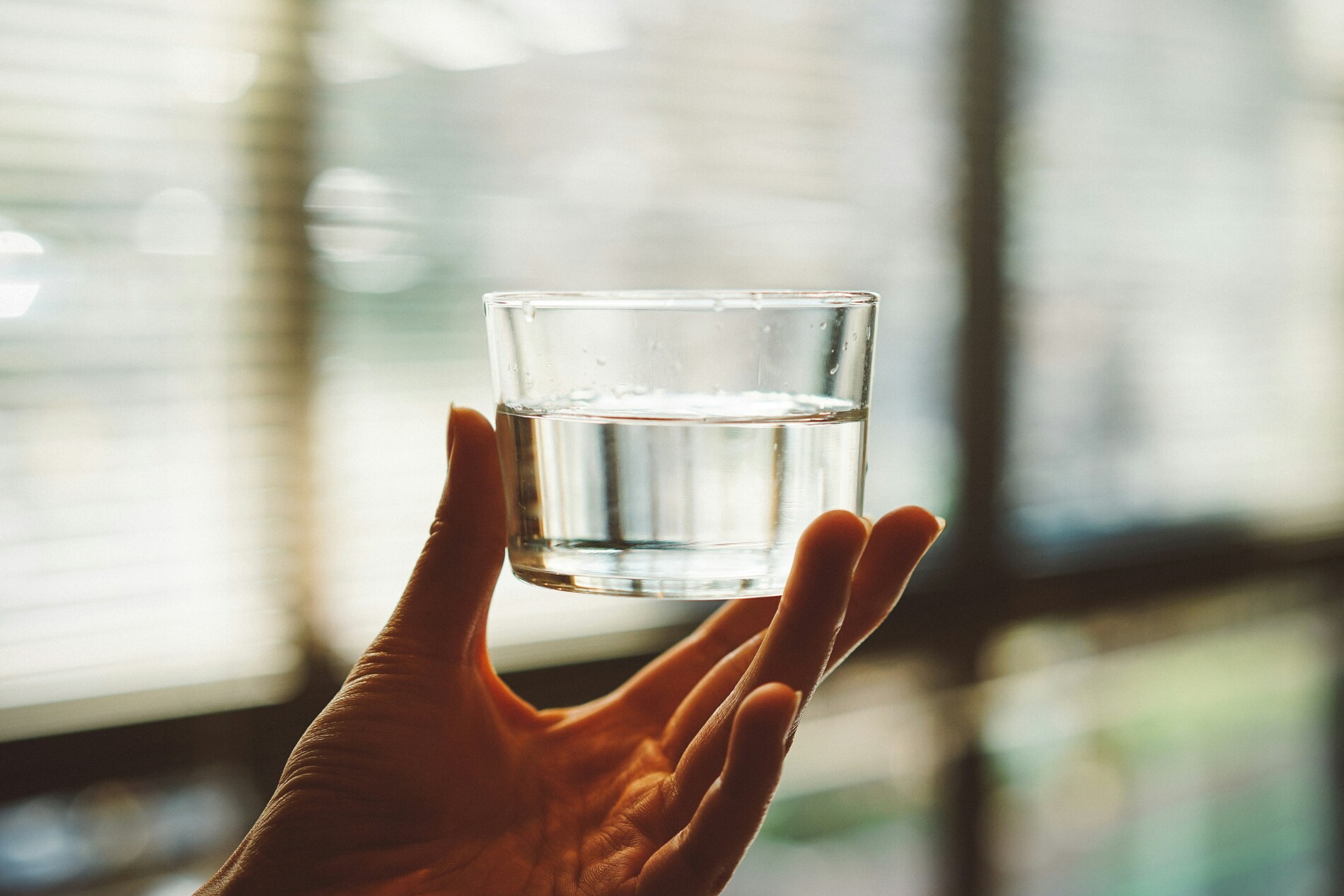
You chug a gallon of water, check the toilet, and beam with pride at the completely clear liquid in the bowl. You feel like a textbook example of peak health and optimal hydration.
Hold the celebration.
That crystal-clear stream isn’t always a badge of honor; very often, it is a sign that you are over-hydrating and flushing vital minerals straight down the drain. The internet has convinced us that we must be constantly clutching a massive, insulated water bottle, drinking continuously from sunrise to sunset. But forcing your body to process endless liters of plain water does not make you healthier—it dilutes your system and sabotages your performance.
The Danger of Diluted Electrolytes
Your body does not run on pure water alone; it runs on a delicate balance of water and electrolytes, particularly sodium, potassium, and magnesium. These charged minerals govern nerve signaling, muscle contractions, and fluid balance inside your cellular walls.
When you flood your system with excessive plain water, your kidneys scramble to dump the excess fluid to protect your brain from swelling. In doing so, they filter out precious sodium alongside that liquid. This over-dilution drops your blood’s sodium concentration, leading to a state called hyponatremia. Instead of feeling energized, over-hydrated athletes often suffer from brain fog, nagging headaches, muscle cramps, and a strange, persistent lethargy. True hydration is about fluid retention and mineral balance, not fluid throughput.
How to Calibrate Your Actual Hydration Needs
To stop over-diluting your system and achieve real cellular hydration, adjust your daily drinking strategy with these targeted steps:
- Aim for Pale Straw, Not Clear: Your urine should look like pale lemonade or straw. If it is completely transparent all day, you are drinking too much plain water; if it looks like dark apple juice, you need a glass.
- Salt Your Water Post-Workout: After an intense, sweaty training session, do not just drink plain tap water. Add a tiny pinch of unrefined sea salt or a sugar-free electrolyte packet to replenish the sodium lost through your pores.
- Eat Your Water: Ingesting water bound to the fiber matrix of whole foods—like cucumbers, watermelon, oranges, and bell peppers—allows your digestive tract to absorb the moisture slowly alongside natural minerals.
- Drink to Thirst, Not Rules: Ditch the rigid “eight glasses a day” rule. Listen to your body’s natural thirst cues, which naturally adapt based on your environment, humidity, and activity levels.
Pro-Tip: Start your morning with a “mineral cocktail” before your morning espresso. Stir a pinch of Celtic sea salt and a squeeze of fresh lemon juice into 250 mL of room-temperature water. This immediately hydrates your cells with trace minerals after an overnight fast without triggering a massive, clear-urine purge.
Your First Step: The 24-Hour Upgrade
You do not need to measure your fluid intake in strict milliliters to get this right tomorrow. Let’s make one smart adjustment to your morning routine over the next 24 hours.
Tomorrow morning: Skip the massive, multi-liter water chug the second you wake up. Instead, drink one small glass of water spiked with a tiny pinch of sea salt, then pay close attention to the color of your urine around midday. Aim for that healthy, pale-straw tint—and give your kidneys a well-deserved break.