You step off the couch for the first time in weeks, gently place a hand over your lower abdomen, and try to take a deep, restoring breath. Your pelvic floor feels unusually heavy, your deep abdominal wall feels completely detached from your brain, and your lower back aches from the constant demands of holding and feeding your newborn.
It is a deeply frustrating and vulnerable transition.
Your instinct might be to force your way back into pre-pregnancy shape by jumping straight into planks, crunches, or high-impact cardio. But aggressive abdominal loading before your foundation is ready can actually widen a diastasis recti (abdominal separation), place excessive pressure on your healing pelvic floor, and delay real biological recovery. Safe, post-pregnancy core strength isn’t built through intense sweat sessions—it begins with quiet, precise neuromuscular connection.
The Neurological Re-Connection
During pregnancy, your growing uterus stretches your abdominal wall and alters your center of gravity, while hormones like relaxin loosen connective tissue and ligaments.
This mechanical expansion stretches your deep core muscles—specifically the transverse abdominis—to their absolute limit, temporarily disrupting the nerve signals between your brain and abdominal wall. Your post-partum core doesn’t need heavy physical resistance right away; it needs a clear neurological signal. By pairing gentle diaphragmatic breathing with deep pelvic floor elevation, you re-establish that broken communication loop, restoring stability from the inside out before attempting standard fitness routines.
The Gentle Core Re-Engagement Sequence
Before attempting any traditional abdominal exercises, master these four low-impact foundation movements:
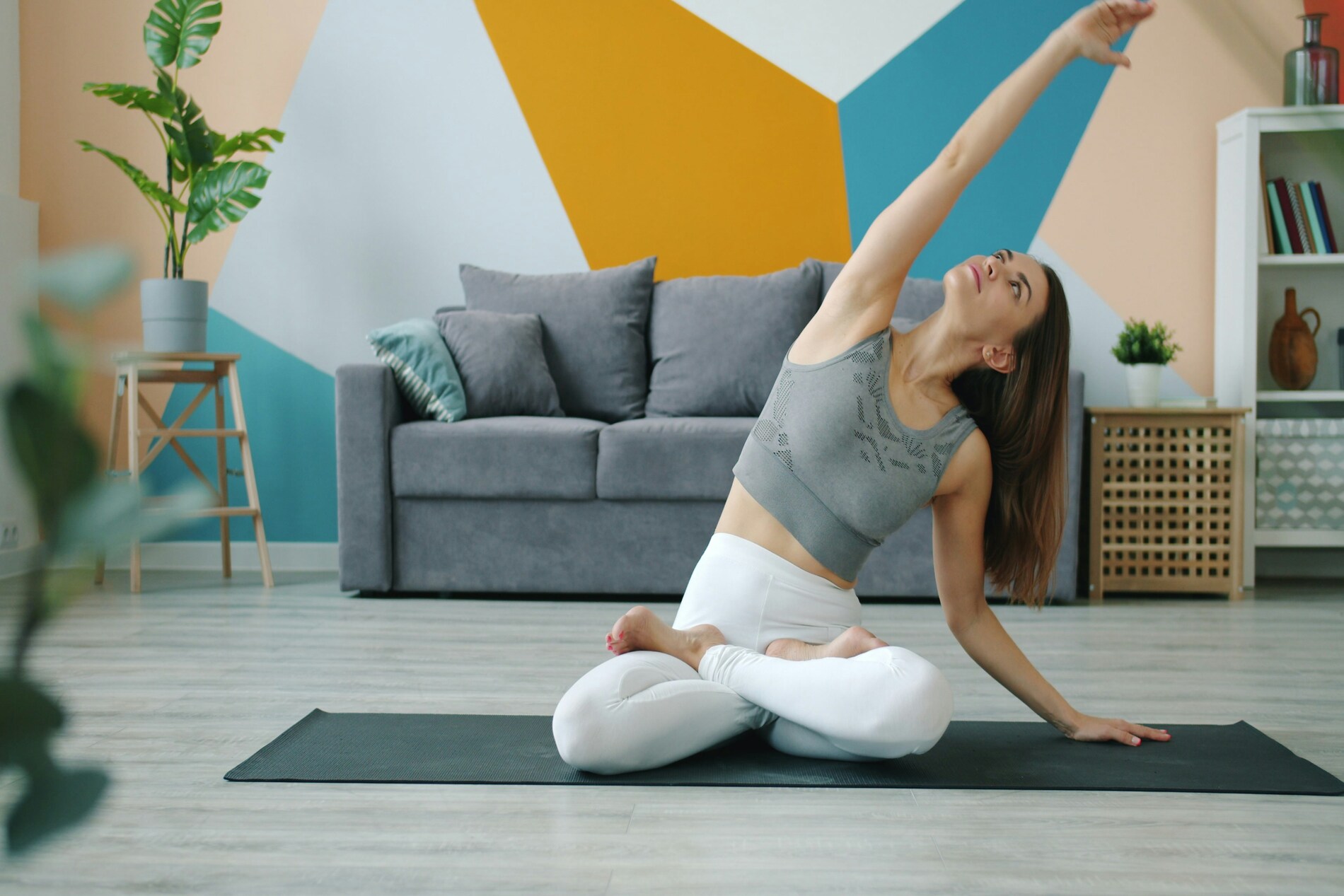
- Diaphragmatic “360” Breathing: Sit comfortably upright. Inhale deeply into your ribcage, allowing your ribs to expand outward to the sides and back rather than lifting your shoulders. Exhale slowly through purse lips, feeling your belly naturally draw inward.
- The Gentle Transverse Abdominis Zip: On an exhale, visualize pulling the two front points of your hip bones toward one another like a horizontal zipper. Keep your spine perfectly still without tucking your pelvis or holding your breath.
- Pelvic Floor Co-Contraction: On your exhale, gently lift your pelvic floor muscles upward (as if stopping the flow of urine or drawing a tissue out of a box) while engaging your lower abdomen. Release the tension completely on the inhale.
- Supine Heel Slides: Lie flat on your back with knees bent and feet flat on the floor. Inhale to prepare; as you exhale, engage your deep core and slowly slide one heel out along the floor until your leg is straight. Inhale to draw it back to the start.
Pro-Tip: Watch for “coning” or “doming.” While performing any core movement or simply lifting your baby out of a crib, glance down at your midline. If you see a ridge or cone popping out down the center of your stomach, your deep core isn’t managing internal pressure properly. Immediately step back, modify the angle, and refocus on slow, controlled exhales.
Your First Step: The 24-Hour Upgrade
You do not need to wait for a 45-minute gym window or formal medical clearance to begin re-connecting with your core today. Let’s practice a two-minute reset over the next 24 hours.
During your next quiet moment: Lie on your back or sit upright in a comfortable chair with your feet flat on the floor. Place both hands over your lower belly, take five slow diaphragmatic breaths, and focus entirely on feeling your lower abdomen gently lift away from your waistband on every exhale. Notice how just two minutes of conscious breathwork begins to restore physical stability and quiet post-partum tension.