
You stand in front of the open pantry late at night, staring down a row of chocolate bars, baked goods, and sugary snacks, completely consumed by an intense, overwhelming urge to eat something sweet. You aren’t physically hungry—you just had a balanced dinner two hours ago—yet your brain is screaming that a piece of fruit simply will not cut it.
Don’t beat yourself up; you aren’t suffering from a character flaw or a complete lack of willpower.
Sugar cravings are deeply wired biological signals, driven by complex neurochemical loops and evolutionary survival mechanisms. Reaching for a sugary treat offers a rapid chemical hit, but attempting to overpower those intense urges with sheer mental discipline is a exhausting, unsustainable strategy. To tame your sweet tooth naturally, you must address the underlying physiological and psychological triggers driving the craving.
The Dopamine Reward Loop
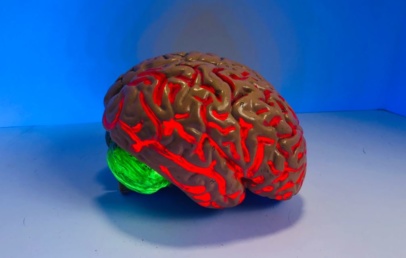
When you consume refined sugar, your tongue sends immediate signals to your brain, triggering a rapid release of dopamine—the chemical neurotransmitter responsible for pleasure, motivation, and reward.
From an evolutionary standpoint, high-calorie sweet foods signaled safe, quick-burning survival energy to our early ancestors. Today, that ancient neurochemical reward system gets hijacked by modern, hyper-palatable processed foods. When you are stressed, overtired, or emotionally drained, your brain seeks a quick dopamine hit to feel better. The resulting spike in blood sugar prompts an inevitable insulin crash shortly after, plunging your energy and triggering yet another sugar craving—creating a vicious, cyclical loop.
Daily Strategies to Reset Your Sweet Tooth
To break the sugar cycle without feeling restricted or deprived, apply these four actionable dietary and lifestyle habits:
- Anchor Meals with Protein and Healthy Fats: Swap refined, high-carb lunches for meal templates built around lean protein and healthy fats—like a grilled chicken salad drizzled with extra virgin olive oil. This combo stabilizes blood sugar and stops the mid-afternoon insulin crash that drives late-day sugar searches.
- Upgrade Your Sugar Swaps: When a sweet craving hits, choose fiber-rich, naturally sweet whole foods like frozen dark berries, roasted sweet potatoes, or a couple of Medjool dates paired with almond butter. Fiber slows sugar absorption, preventing dramatic blood glucose spikes.
- Prioritize Restorative Sleep: Getting less than seven hours of quality sleep disrupts your hunger hormones, increasing ghrelin (the hunger hormone) while lowering leptin (the fullness hormone). Protect your evening sleep window to keep daytime cravings under control.
- Hydrate with Minerals First: Mild dehydration frequently masquerades as a sweet craving. Drink a glass of water spiked with a pinch of unrefined sea salt and a squeeze of fresh lemon juice before reaching for a sugary snack.
Pro-Tip: Leverage the “10-Minute Delay Rule.” Cravings act like ocean waves—they build in intensity, peak, and then naturally wash away. When a sugar craving strikes, set a timer for ten minutes, drink a large glass of water, and step away from the kitchen to engage in a quick physical task like taking a brief walk or stretching. More often than not, the acute neurochemical urge will dissipate before the timer goes off.
Your First Step: The 24-Hour Upgrade
You do not need to banish sugar forever or clean out your entire kitchen to start reclaiming control today. Let’s execute one strategic adjustment over the next 24 hours.
At your very next meal: Ensure at least half your plate consists of fiber-dense vegetables or leafy greens, paired with a palm-sized portion of clean protein. This simple structural balance keeps your blood sugar steady throughout the afternoon, shutting down late-night pantry raids before they even begin.