
What to Look For and When to Get Checked
Heart attacks can happen suddenly, but in many cases, there are warning signs that should never be ignored. Recognizing these symptoms early can save your life or the life of someone around you.
1. Chest Discomfort
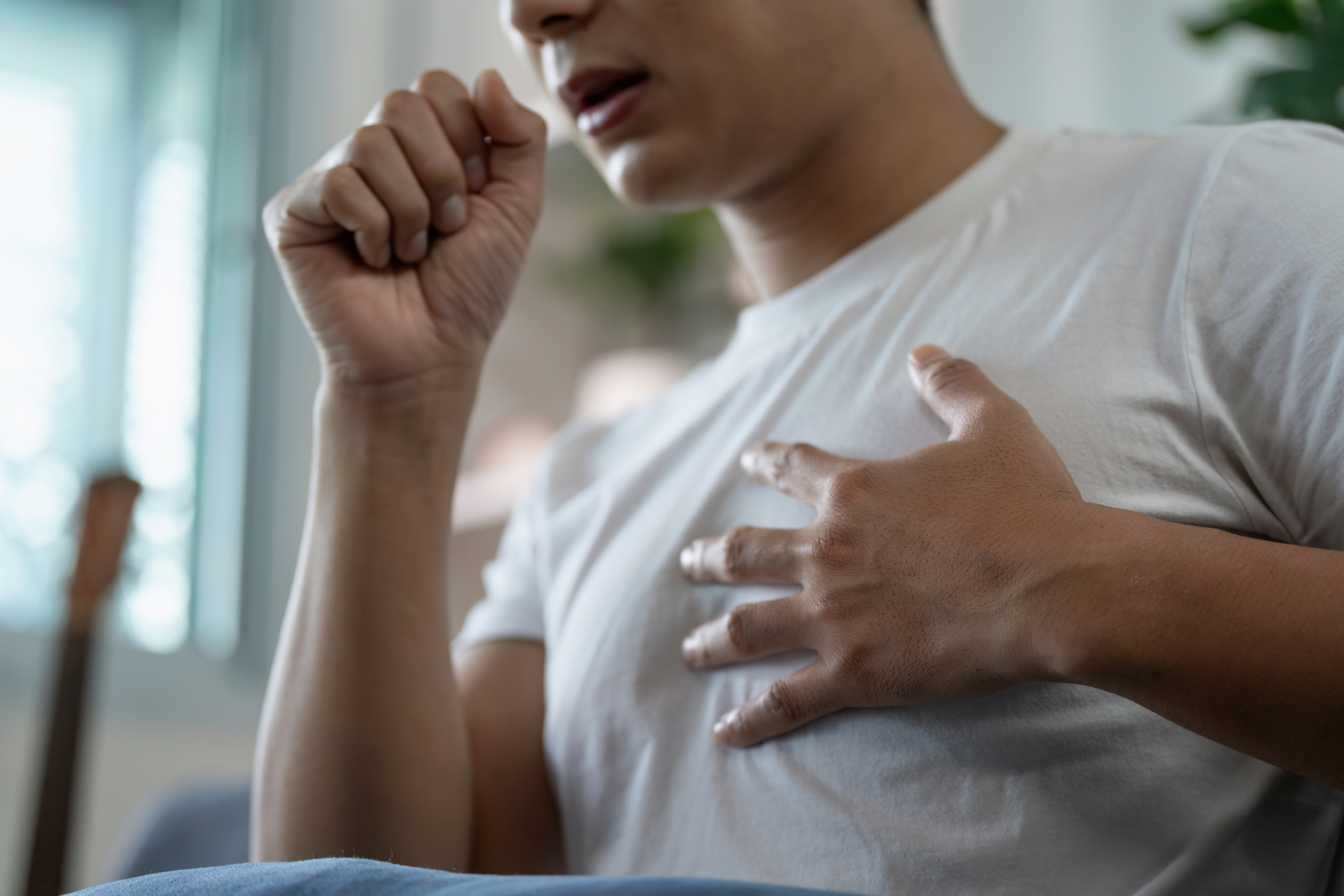
The most common symptom is chest pain or discomfort. It may feel like pressure, squeezing, fullness, or a heavy weight in the center of your chest. Some people describe it as a burning sensation or indigestion. The discomfort may last a few minutes or come and go.
2. Pain in Other Areas
Heart attack pain isn’t always confined to the chest. You might feel discomfort in one or both arms, the back, neck, jaw, or stomach. Women are more likely than men to experience these “atypical” symptoms rather than classic chest pain.
3. Shortness of Breath
Feeling unusually short of breath, even while resting or doing light activity, can signal a heart attack. It may occur with or without chest discomfort.
4. Cold Sweats, Nausea, or Lightheadedness
Breaking out in a cold sweat, feeling dizzy, or becoming nauseated can accompany a heart attack. These symptoms often signal that the body is under severe stress due to reduced blood flow to the heart.
5. Fatigue or Weakness
Unexpected or extreme fatigue is another warning sign, especially for women. Feeling unusually tired without explanation, sometimes for days leading up to a heart attack, should never be ignored.
What to Do if You Notice These Signs
If you or someone else experiences these symptoms, call emergency services immediately. Do not attempt to drive yourself to the hospital. Chewing an aspirin (unless allergic or advised otherwise) can help prevent further clotting while waiting for medical help.
Prevention Is Key
Regular exercise, a balanced diet, managing blood pressure and cholesterol, and avoiding smoking significantly reduce your risk. Regular check-ups and paying attention to subtle warning signs can help catch heart problems early.
Bottom Line
Heart attacks can be fatal if not treated quickly. Learning the signs and acting fast can make the difference between life and death. Never ignore chest discomfort, unusual fatigue, or other warning signals, and seek immediate medical attention if they occur.