You pull a cold container of leftover brown rice out of the fridge, toss it into a pan with some quick veggies, and assume you are eating a standard, low-effort meal. You eat it, feel satisfied, and go on with your day without giving it a second thought.
What you didn’t realize is that your cold leftovers just delivered a massive biological win to your gut.
The secret to a thriving, resilient gut microbiome isn’t spending hundreds of dollars on fancy probiotic supplements or drinking bitter green powders. It comes down to feed-stock: giving the trillions of bacteria living in your digestive tract the specific types of prebiotic fiber they need to manufacture short-chain fatty acids. With just 30 minutes of strategic batch-cooking once a week, you can transform ordinary whole foods into a gut-repairing powerhouse.
The Prebiotic Factory in Your Colon
Your human digestive enzymes cannot break down prebiotic fiber or resistant starches on their own. When you consume these complex carbohydrates, they pass through your stomach and small intestine completely intact, traveling all the way down to your colon.
This is where the magic happens. Your resident gut microbes ferment this undigested fiber, using it as raw fuel to produce vital compounds called short-chain fatty acids (SCFAs)—primarily acetate, propionate, and butyrate. Butyrate acts as the primary energy source for the cells lining your intestinal wall, repairing micro-leaks, lowering systemic inflammation, and signaling your brain to balance appetite hormones. Without a steady stream of diverse fiber, your gut bacteria essentially starve, leading to sluggish digestion and a weakened immune barrier.
The 30-Minute Fiber-Batch Protocol
To supply your microbiome with a diverse blend of prebiotic fibers, run through this rapid, single-pan prep strategy over the weekend:
- Cook and Cool the Resistant Starches: Boil a batch of small black beans, lentils, or sweet potatoes. Let them cool completely in the fridge for at least four hours. Cooling cooked starches changes their molecular structure into “resistant starch,” which dramatically boosts their prebiotic value.
- Roast the High-Inulin Heavyweights: Toss chopped Jerusalem artichokes, garlic cloves, red onions, and asparagus spears on a baking tray with extra virgin olive oil. Roast at 200°C for 20 minutes to break down the tough plant material while preserving their rich inulin fiber content.
- Prepare the Raw Seed Sprinkle: Mix equal parts raw chia seeds, ground flaxseeds, pumpkin seeds, and unhulled sesame seeds in a glass jar. Storing them dry ensures their delicate Omega-3 fats don’t oxidize.
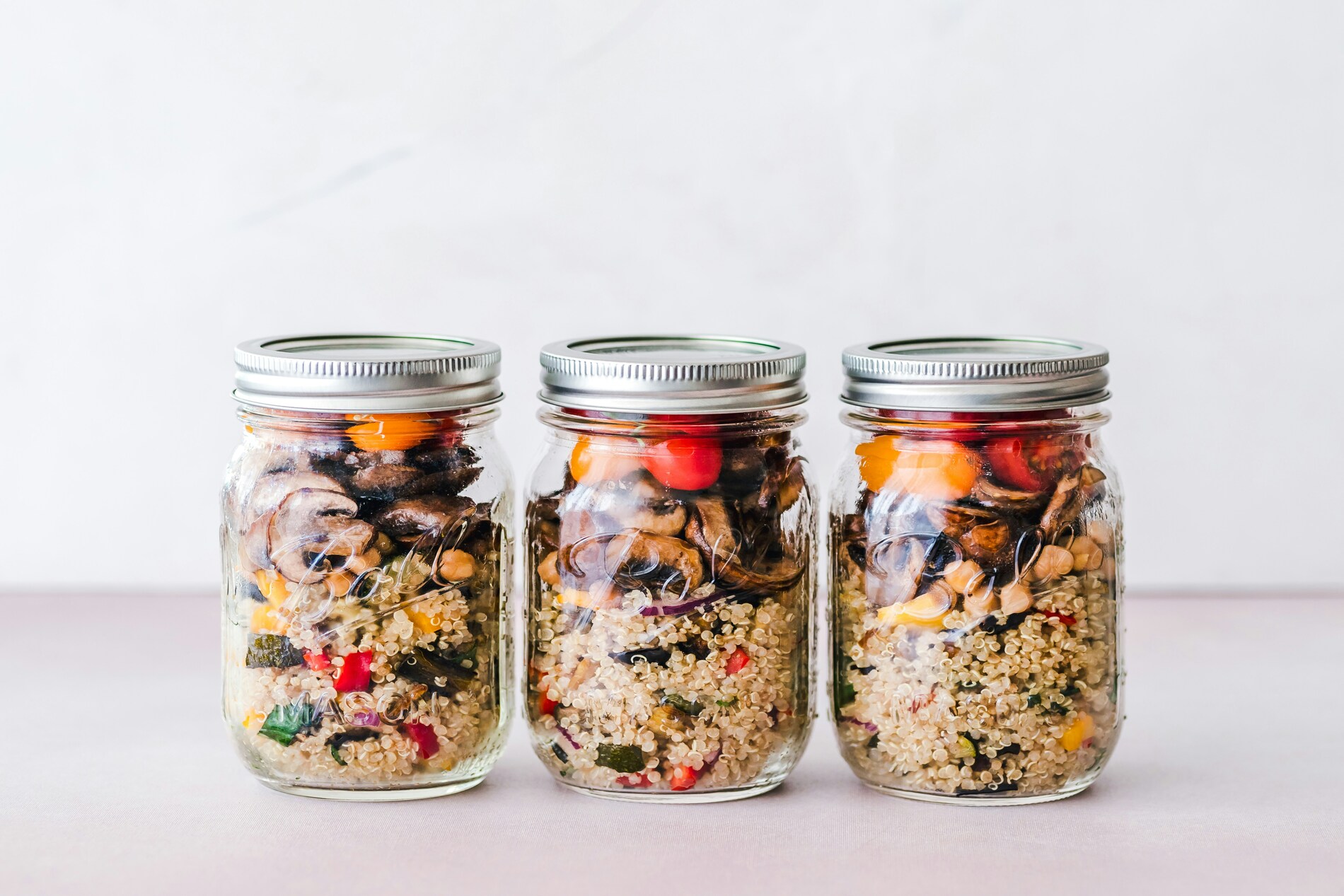
- Assembly and Layering: Portion your cooled starches and roasted inulin-rich veggies into glass containers. Before sealing, top each portion with a generous handful of raw leafy greens (like arugula or baby spinach) and two tablespoons of your seed mix.
Pro-Tip: The “30-Plant Rule” trumps raw volume. Your gut microbes thrive on diversity rather than sheer quantity. Instead of eating a massive portion of a single vegetable, try to mix at least four or five different plant sources—herbs, seeds, legumes, and roots—into every prepped meal to feed completely different strains of beneficial bacteria.
Your First Step: The 24-Hour Upgrade
You do not need to overhaul your entire pantry or cook for hours to start feeding your microbiome today. Let’s execute one fast fiber upgrade over the next 24 hours.
At your next meal: Take whatever you are currently eating—whether it is a turkey wrap, a bowl of soup, or a protein bowl—and top it with a tablespoon of ground flaxseeds, a sprinkle of raw pumpkin seeds, and a handful of fresh arugula. Adding those three simple plant inputs instantly increases your fiber diversity and gives your gut bacteria the raw material they need to protect your digestive lining.