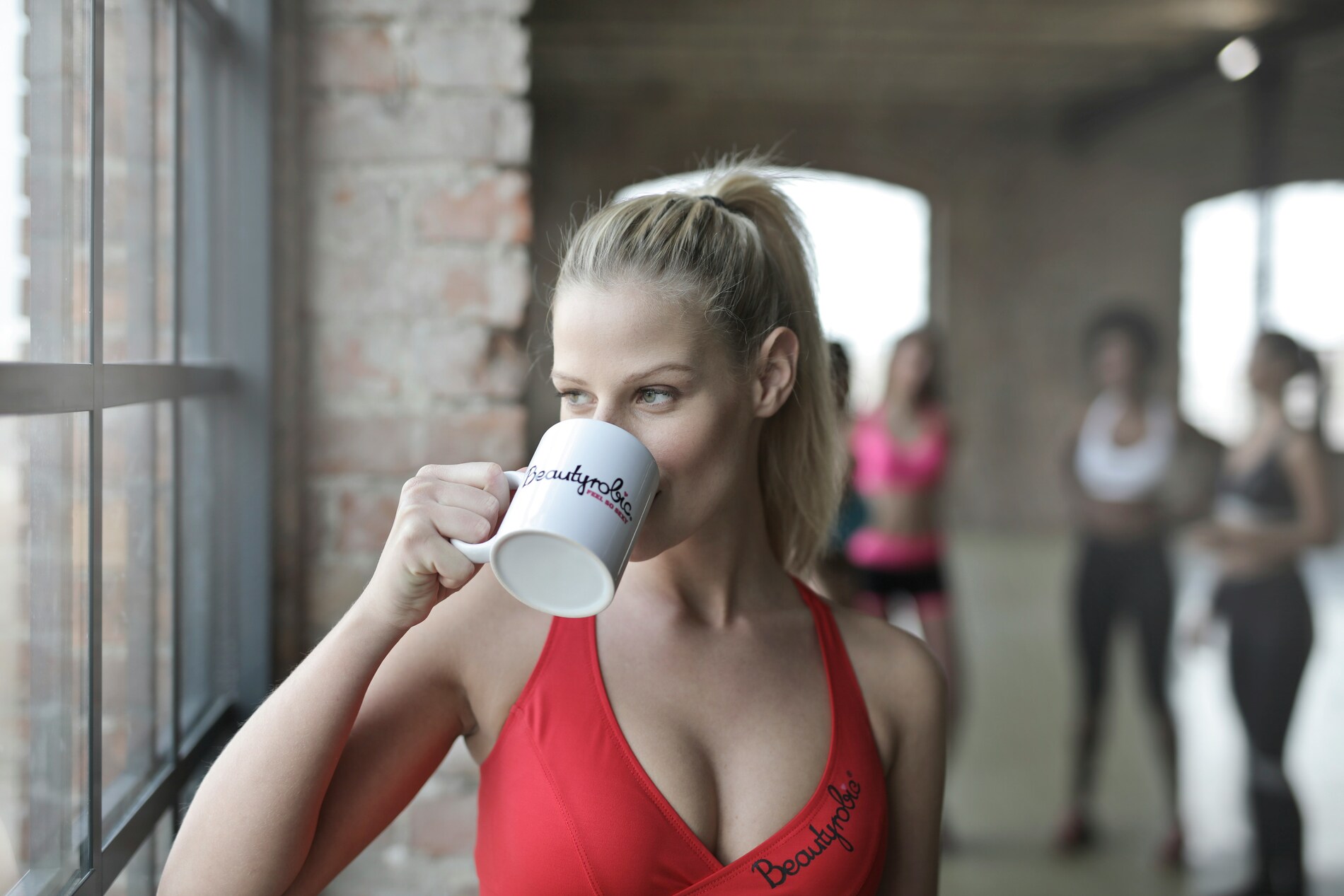
You step up to the espresso machine 15 minutes before your workout, pull a dark, steaming double shot, and gulp it down as you hurry out the door to the gym floor. You expect an immediate, superhuman surge of energy to help you power through your heavy back squats or sprint intervals.
Instead, 20 minutes into your session, your legs feel heavy, your stomach feels acidic, and your peak focus doesn’t actually kick in until you are sitting in your car driving back home.
If your pre-workout coffee feels like a hit-or-miss gamble, you aren’t alone. Caffeine is widely recognized as one of the most effective, legal performance-enhancing compounds available. However, treat coffee like a simple, instantaneous “on-switch” and you miss its physiological peak, leaving performance gains on the table while inviting unnecessary digestive distress.
The Adenosine Blockade and Absorption Curve
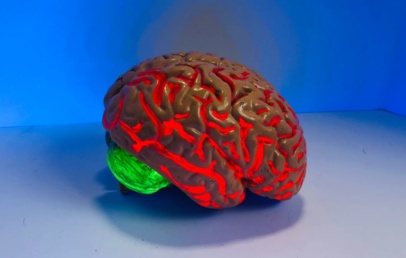
Caffeine doesn’t actually create new energy inside your body; it operates by blocking adenosine receptors in your brain. Adenosine is the chemical compound responsible for signaling fatigue and physical lethargy. When caffeine binds to these receptors, it tricks your central nervous system into staying hyper-alert while triggering a surge of dopamine and epinephrine (adrenaline).
However, oral caffeine must travel down your esophagus, survive your stomach acid, and pass into your small intestine before entering your bloodstream. Blood concentrations of caffeine reach their absolute peak between 45 to 60 minutes post-ingestion. Sipping your espresso right as you walk into the locker room means your peak neuro-chemical boost will arrive right when you are finishing your cool-down stretches, completely wasting its performance benefits.
The Precision Pre-Workout Timing Blueprint
To align your caffeine peak with your highest physical exertion, implement this targeted timing protocol:
- The 45-Minute Window: Drink your pre-workout coffee 45 minutes before your first heavy work set. This gives the liquid enough time to empty from your stomach and hit peak blood concentration right as you hit your heaviest lifts.
- Keep the Fluid Volume Low: Avoid chugging a massive 500 mL iced latte before training. High fluid volumes sit heavily in your stomach during explosive movements; stick to a concentrated 60 mL double espresso or a small cold brew.
- Dial in the Dosage: Aim for 3 to 6 mg of caffeine per kilogram of body weight for performance gains. For a 75 kg individual, this translates to roughly 225 to 450 mg of caffeine (about two strong cups of coffee).
- Buffer with a Light Carbohydrate: If drinking black coffee on an empty stomach triggers heartburn or jittery anxiety, pair it with a fast-digesting carb—like a single rice cake with honey or a small banana—to smooth out the absorption rate.
Pro-Tip: Mind the 12:00 PM caffeine curfew. Caffeine carries an average half-life of 5 to 7 hours. Taking in a high dose of pre-workout caffeine for an evening gym session will severely disrupt your deep slow-wave sleep architecture. If you train after 4:00 PM, swap your heavy coffee for non-stimulant performance aids like L-citrulline or beta-alanine to protect your recovery.
Your First Step: The 24-Hour Upgrade
You do not need to buy expensive pre-workout powders loaded with artificial dyes to maximize your athletic output tomorrow. Let’s calibrate your daily coffee timing over the next 24 hours.
Before your next training session: Note the exact time you plan to start your first working exercise. Set an alarm on your phone for 45 minutes prior to that moment, and drink a clean double shot of espresso or a small black coffee right when it rings. Pay attention to how much sharper your focus feels and how much easier it is to drive through your final reps.