

Checking your breath could literally save your life, so it’s not just about avoiding awkward situations at work or on a date. It may surprise you to learn that your breath can reveal much more than your lunch choice. Doctors can now examine the chemical hints in the air you exhale to identify a number of illnesses early on, sometimes even before symptoms show up. These conditions range from lung cancer to diabetes.
Therefore, take a deep breath before popping another mint. Here are nine unexpected conditions that your breath may indicate, along with the importance of paying attention.
1. Lung Cancer
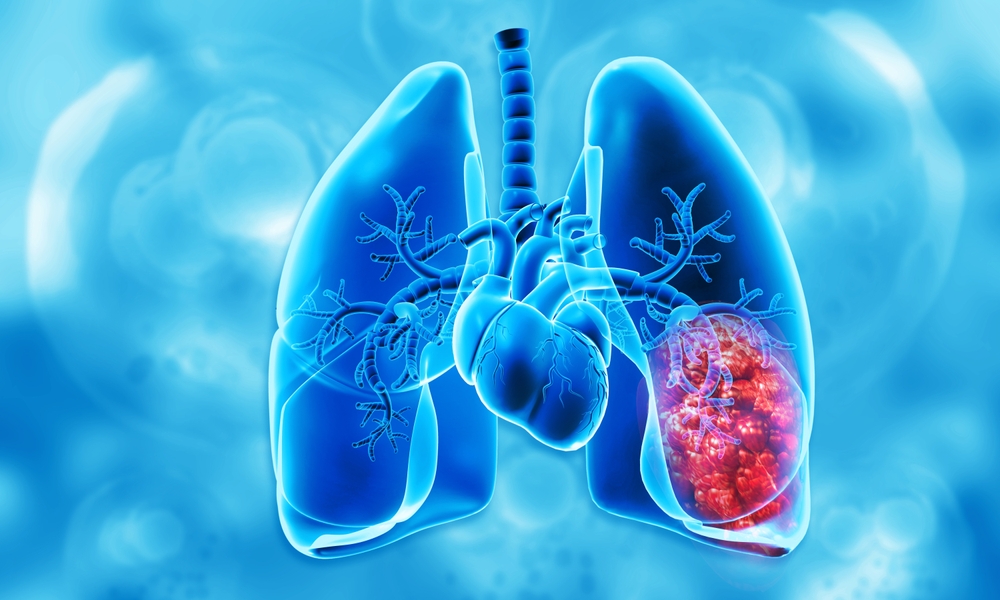
Soon, your breath may be able to identify lung cancer before a scan can show it. High-tech tools known as “electronic noses” have been created by scientists to detect volatile organic compounds (VOCs) specific to lung cancer. These breath analyzers have successfully detected cancer in both smokers and nonsmokers in studies. The test may eventually develop into a potent early-screening tool due to its noninvasiveness and low cost.
2. Heart Failure

Additionally, a breath test may aid in the diagnosis of heart failure. Researchers discovered that individuals with this illness frequently exhale higher concentrations of specific chemicals, such as pentane and acetone. These molecules are the result of heart cell damage and stress. For people with heart disease, breath analysis may be a lifesaver because high levels may even predict worse outcomes.
3. Diabetes
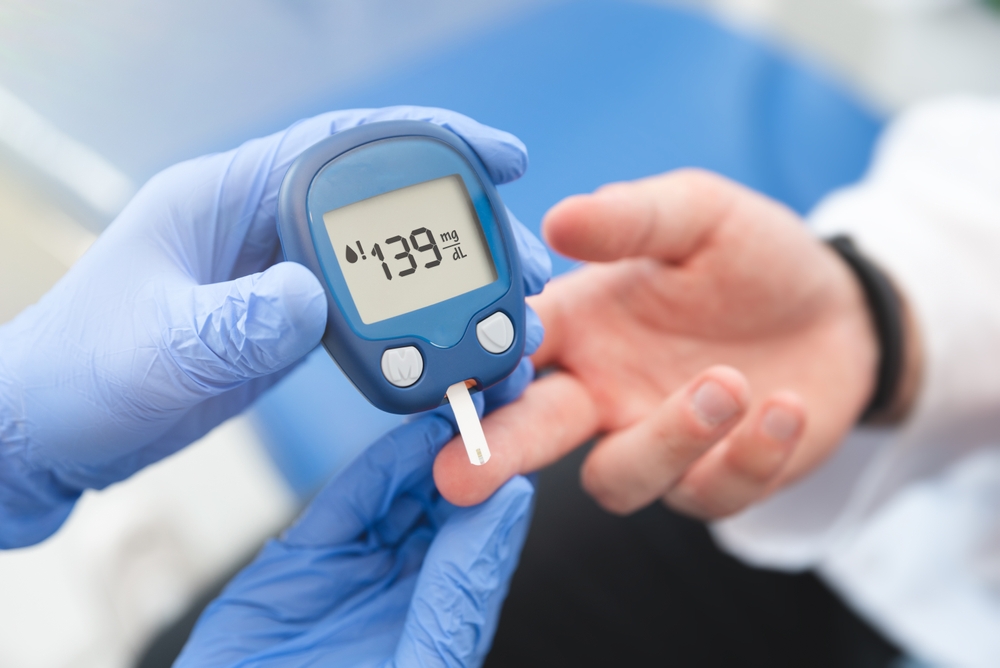
Have you ever noticed someone’s breath smelling like fruit or nail polish? That might be an indication of uncontrolled diabetes. Your body begins using fat as fuel when insulin isn’t working properly, releasing acidic ketones that smell like sweet acetone. This indicates diabetic ketoacidosis, a serious medical condition that requires prompt care. Controlling blood sugar can help get rid of the danger and the smell.
4. Kidney Failure

Your breath may be a sign of kidney issues if it smells fishy or ammonia-like, which is similar to urine. Toxins accumulate and change your breath when your kidneys aren’t working properly, filtering waste from the blood. Since kidney disease frequently exhibits few symptoms until it is advanced, this odor may be an early warning sign.
5. Sleep Apnea
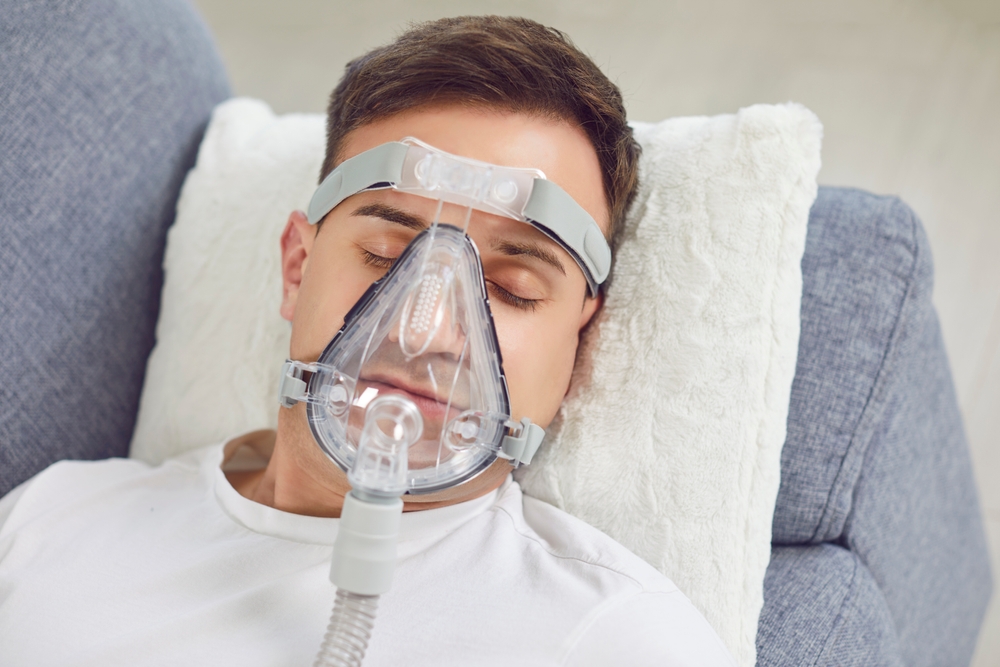
Morning breath happens to everyone, but if it’s particularly severe and persistent, it may be related to sleep apnea. Individuals who suffer from this disorder often breathe through their mouths at night, which dries out saliva and provides an ideal environment for bacteria that cause odor. Asking your doctor about a sleep study could be worthwhile if you wake up exhausted or snore loudly.
6. Acid Reflux (GERD)
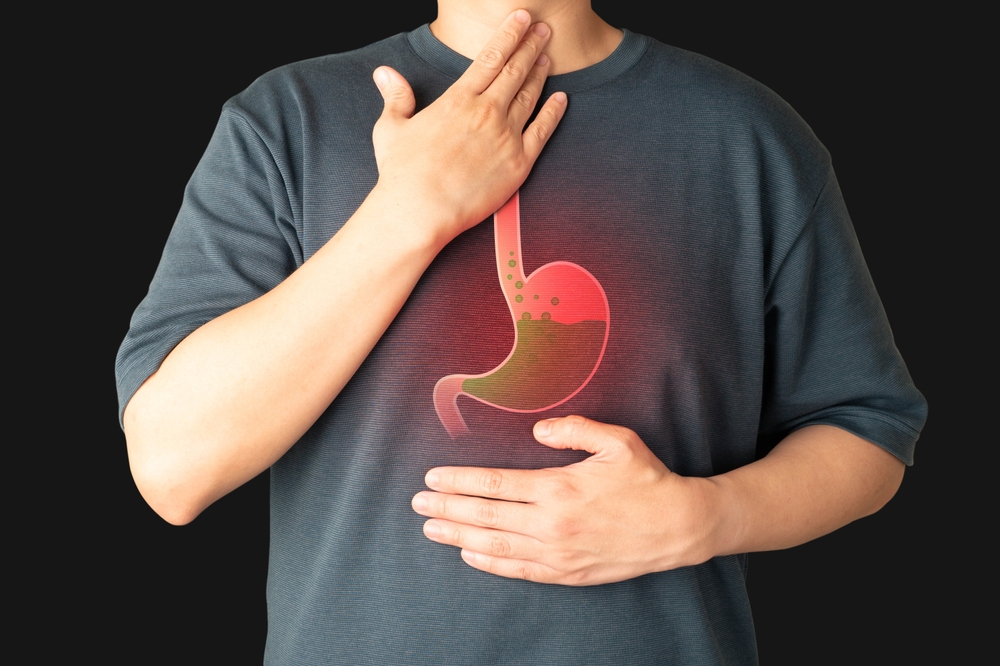
In addition to causing heartburn, stomach acid refluxing up your esophagus can also give you a metallic or sour breath. Tooth enamel can also be eroded by acid reflux and gastroesophageal reflux disease (GERD), which dentists occasionally detect before patients do. Breath usually gets better when reflux is treated.
7. Allergies and Postnasal Drip

More than just your comfort may be impacted by persistent sniffles or sinus congestion. Bad odors can be produced by bacteria accumulating in your tonsils and throat due to postnasal drip or allergy-related mucus buildup. When you breathe through your mouth due to a blocked nose, it only gets worse because it dries out your mouth. The stench can be avoided by controlling allergies and drinking plenty of water.
8. Tooth Decay and Gum Disease
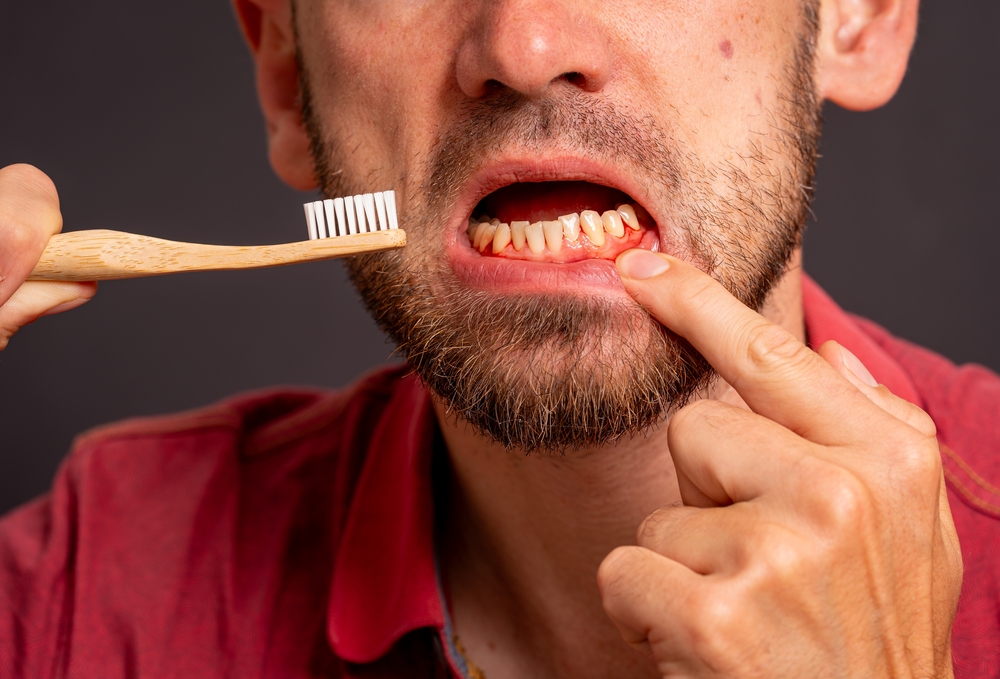
This is a well-known offender and continues to be among the most prevalent. Bacteria can feed on trapped food particles in cavities, gum infections, and poor oral hygiene, releasing sulfur compounds that have an odor similar to rotten eggs. In addition to preventing major dental issues like gingivitis and tooth loss, brushing, flossing, and routine dental exams can stop bad breath at its source.
9. Stomach Cancer
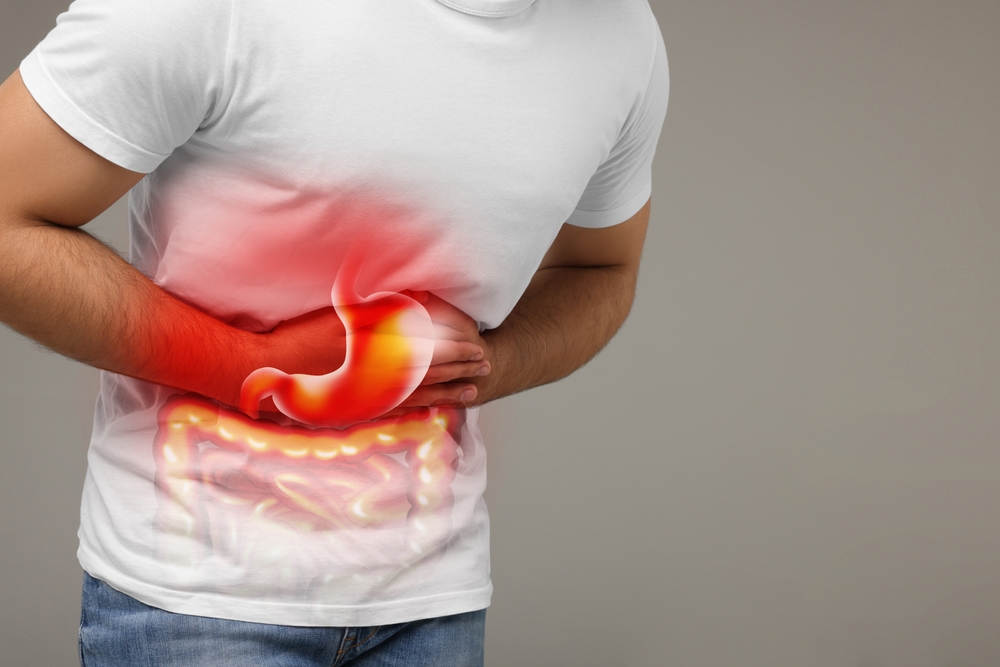
Even stomach cancer may be indicated by bad breath. Breath tests that identify chemicals connected to esophageal and stomach cancers are being developed by researchers. There is hope for early detection without the need for invasive procedures like endoscopy thanks to early studies that show these tests can differentiate cancer from noncancerous conditions with up to 85% accuracy.
Sometimes bad breath is your body’s warning sign, but most of the time it’s caused by commonplace things like coffee, garlic, or forgetting to floss. Even without fancy gadgets, you can learn a lot from your own breath, but breath-test technology is opening up new avenues in preventive medicine.
Don’t disregard an odd or lingering odor that doesn’t go away with mouthwash or brushing. Finding something much larger could be as simple as having a brief conversation with your doctor or dentist; if you catch it early, it could save your life.