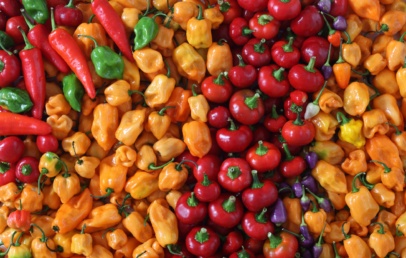

Over the years, fats have had a minor public relations issue. However, dietitians and nutritionists concur that fat is not a bad thing. In actuality, your body needs the proper types of fat to function properly. The American Heart Association (AHA) states that fat is essential for cell growth, hormone synthesis, nutrient absorption, and even organ protection. The secret? Selecting the appropriate fats begins with the cooking oil.
Oils can be a tasty and simple way to incorporate healthy fats into your regular meals, whether they are used in stir-fries or salad dressings. However, some oils may be subtly undermining your wellness objectives, even though others have health benefits. Here’s a user-friendly breakdown of the best and worst oils according to registered dietitians.
The 8 Best Oils to Add to Your Kitchen
1. Extra-Virgin Olive Oil

Several dietitians, who use it on a daily basis, adore this Mediterranean staple. Cold-pressing extra-virgin olive oil preserves its natural anti-inflammatory and antioxidant properties, such as oleocanthal, a potent phytochemical that gives it its distinctive peppery flavor. Rich in heart-healthy monounsaturated fats, it has been associated with a decreased risk of heart disease, some types of cancer, and even Alzheimer’s. Don’t worry—heating doesn’t eliminate all of its healthy compounds, even though its low smoke point makes it ideal for light sautéing or drizzling.
2. Canola Oil
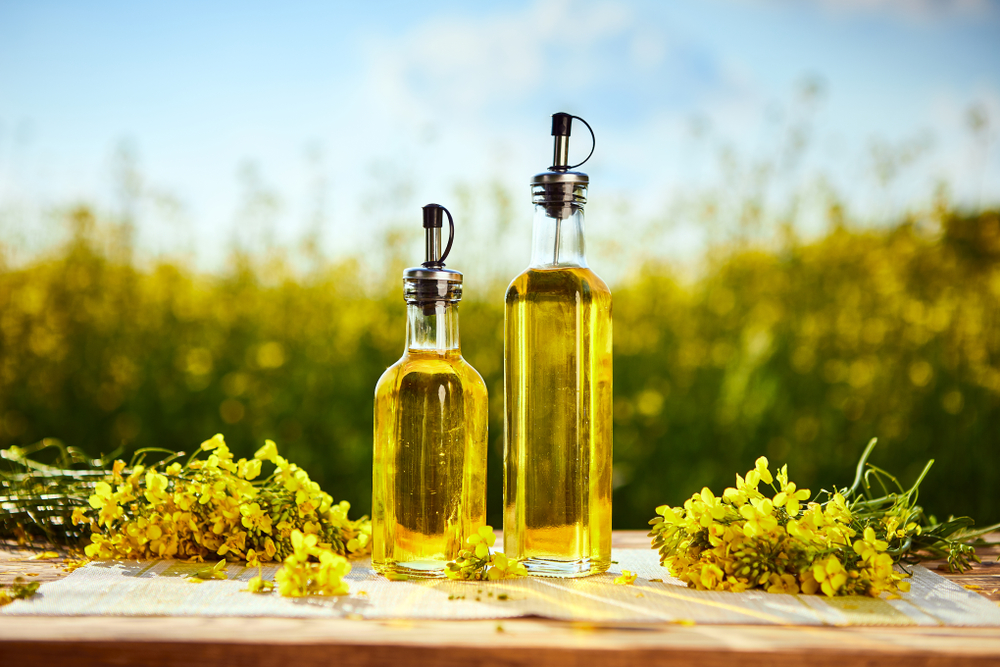
Canola oil, which is high in mono- and polyunsaturated fats and low in saturated fat, is frequently underestimated. It is a flexible option for baking and frying due to its high smoke point and neutral flavor. Current research, including from Harvard, indicates that it’s safe when taken in moderation, despite some concerns regarding its processing. Although it’s a good oil for everyday use, it’s not the best for recipes that call for a unique flavor.
3. Flaxseed Oil

This oil is a great source of omega-3 fatty acids, particularly the heart-healthy and plant-based alpha-linolenic acid. According to research, it’s also high in omega-6s, and although balance is crucial, neither should be feared. Flaxseed oil works well in cold applications, such as salad dressings or smoothies. Its delicate fatty acids can be destroyed by high temperatures, so avoid heating it.
4. Avocado Oil
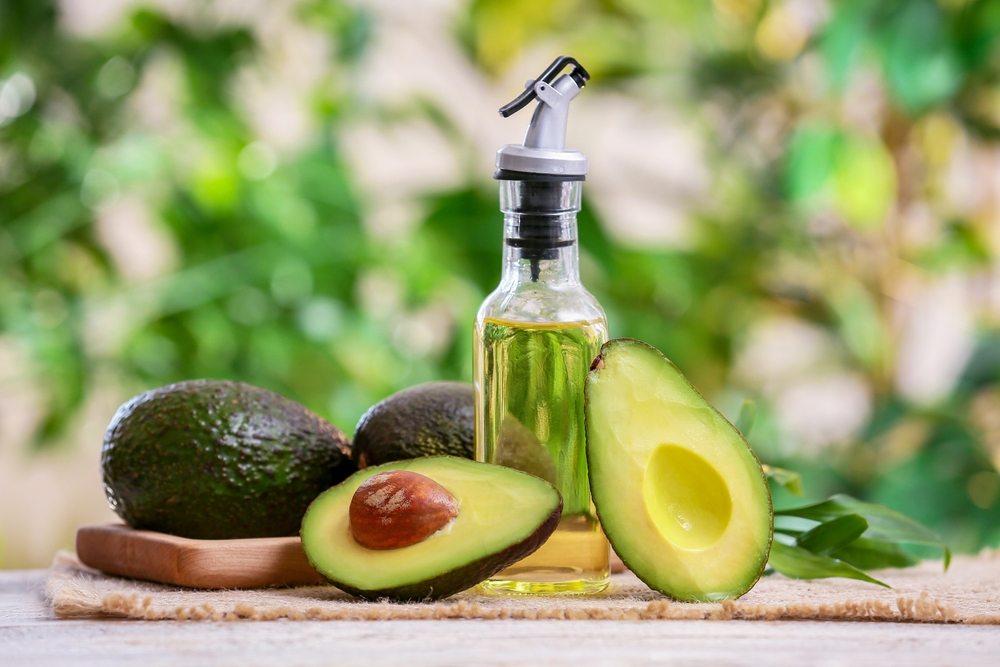
If you enjoy the fruit, you will also enjoy its oil. Avocado oil has a high smoke point and is rich in monounsaturated fats, making it ideal for grilling, stir-frying, and searing. According to Jessica Levinson, RDN, “avocado oil has a neutral flavor and excellent nutritional value.” Additionally, it contains lutein, a potent antioxidant that supports eye health.
5. Walnut Oil

Omega-3 fatty acids found in walnut oil, which is rich and nutty, have been connected to stress reduction and brain health. According to one study, it might enhance cognitive function, particularly in middle age. Use it as a finishing oil or in salad dressings because of its low smoke point. To keep it fresh, keep it in the refrigerator.
6. Sesame Oil

Rich in polyunsaturated fats and antioxidants, sesame oil is a mainstay in Asian cooking. “It’s great for marinades and stir-fries because it has a high smoke point and a strong, nutty flavor,” reported by health experts. Dietitians especially like toasted sesame oil because of its strong flavor, but use it sparingly.
7. Grapeseed Oil
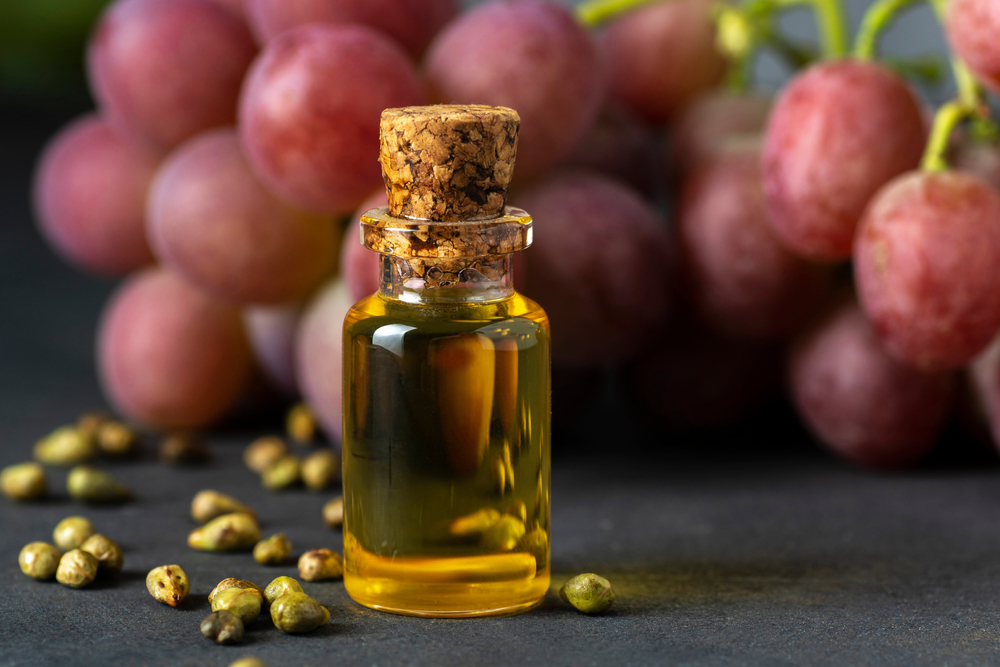
This oil is high in polyunsaturated fats and vitamin E and is made from grape seeds that are left over after winemaking. It is excellent for frying and sautéing because it has a neutral flavor and can tolerate high heat. Its antioxidant properties, which can boost immunity and combat free radicals, have also drawn attention.
8. Sunflower Oil
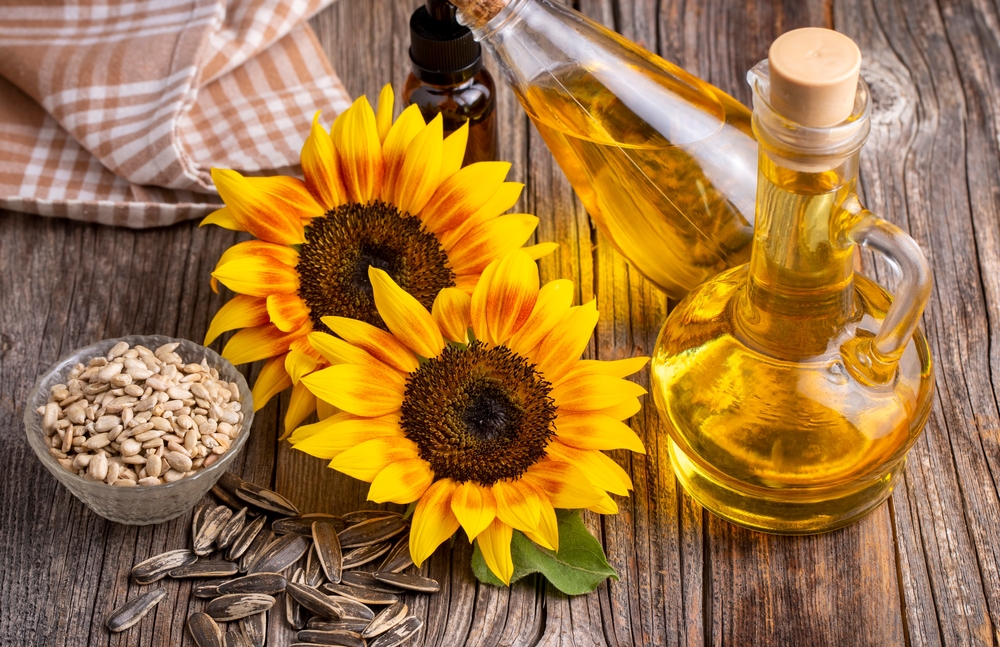
Sunflower oil, another AHA-approved heart-healthy choice, is high in vitamin E and unsaturated fats. It’s a good option for regular baking and cooking, and one tablespoon provides a significant amount of this vitamin that strengthens the immune system.
The 3 Oils to Limit or Avoid
1. Coconut Oil
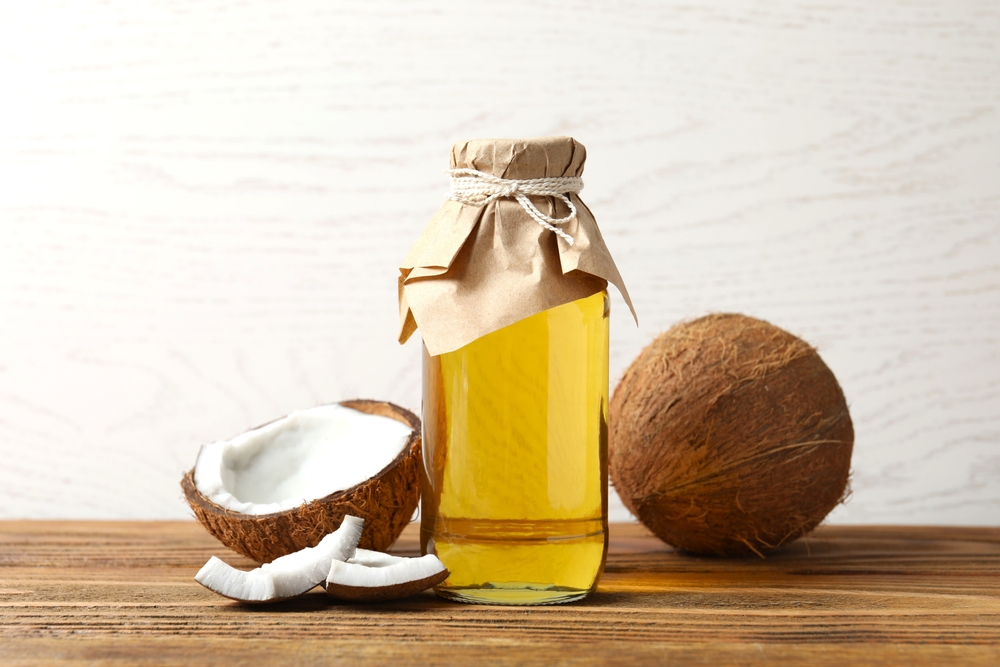
Although coconut oil has been marketed as a health fad, many dietitians advise against it. It contains medium-chain triglycerides (MCTs), which may have some metabolic benefits, but it also increases LDL (bad) cholesterol. It is approximately 90% saturated fat. While coconut oil isn’t the worst, it’s also not the miracle that people think it is. Use it sparingly and within the AHA’s recommended daily intake of saturated fat, which is less than 10% of total calories.
2. Partially Hydrogenated Oils

These are the main source of artificial trans fats, which are currently prohibited in the United States in the production of food. Older packaged foods, particularly those that have less than 0.5 grams of trans fat per serving (which can legally be labeled as zero), may still contain trace amounts. Look for “partially hydrogenated oil” on ingredient labels; if you find it, return the item. Heart disease, stroke, and even cognitive decline are linked to trans fats.
3. Palm Oil

These are the main source of artificial trans fats, which are currently prohibited in the United States in the production of food. Older packaged foods, particularly those that have less than 0.5 grams of trans fat per serving (which can legally be labeled as zero), may still contain trace amounts. Look for “partially hydrogenated oil” on ingredient labels; if you find it, return the item. Heart disease, stroke, and even cognitive decline are linked to trans fats.
Cooking oils have the potential to either improve or worsen your health. Dietitians advise sticking to oils that are high in unsaturated fats, such as flaxseed, avocado, and olive oil, particularly those that are high in omega-3s and monounsaturated fats. Meanwhile, limit saturated fats like coconut and palm oil, and steer clear of trans fats entirely. When in doubt, use cold-pressed, minimally processed oils sparingly. Additionally, always use the right oil for the cooking method; what works well in a salad might not work well when stir-fried at high heat.
Therefore, keep in mind that a little knowledge can go a long way toward a healthier body, brain, and heart the next time you reach for an oil bottle.