Waking up with stiff joints, a foggy brain, and a lingering sense of exhaustion makes you feel like you aged a decade overnight. You haven’t changed your workout routine, yet your lower back feels like a rusty hinge.
The culprit behind this low-grade misery isn’t necessarily a lack of sleep or a sign of getting older. It is cellular smoke. Chronic, systemic inflammation operates like a slow-burning kitchen fire inside your tissues, silently draining your daily energy and wrecking your recovery.
While the wellness industry loves to sell expensive charcoal detoxes and restrictive liquid cleanses to extinguish this fire, the real solution sits right on your dinner plate. You do not need a medical protocol to cool down your system; you just need a more strategic grocery list.
The Low-Grade Fire Inside Your Tissues
Your immune system uses inflammation as a temporary weapon to heal cuts or fight off a cold. But when chronic stress, poor sleep, and ultra-processed ingredients keep that system turned on indefinitely, inflammation goes rogue, attacking healthy cells and gumming up your metabolism.
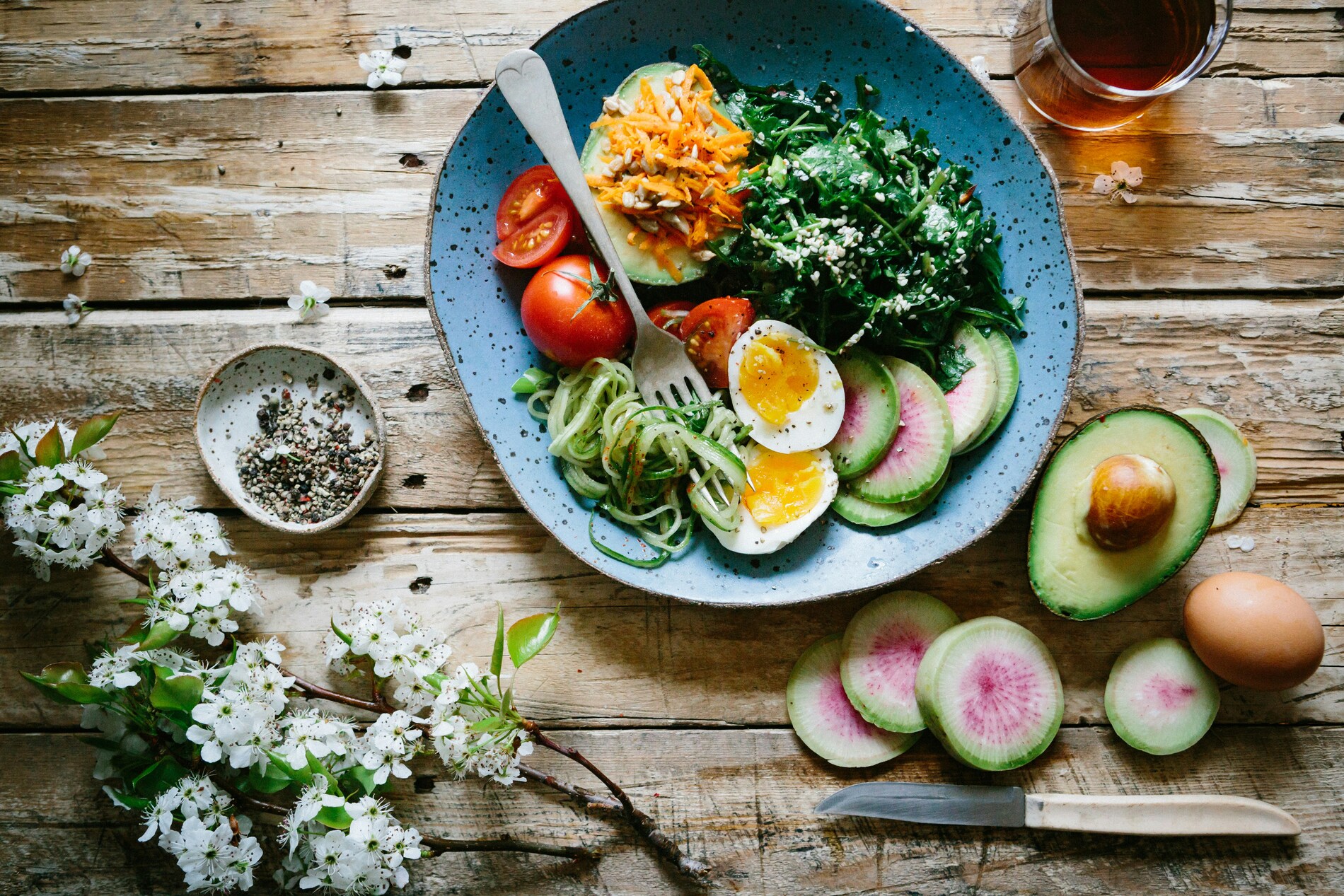
Anti-inflammatory eating flips the biological switch. Certain whole foods contain high concentrations of polyphenols, essential fatty acids, and specialized antioxidants that actively neutralize the oxidative stress causing this systemic gridlock. By consistently eating these dietary allies, you clear the internal smoke, protect your cardiovascular wall, and allow your body to heal.
Heavyweight Anti-Inflammatory Ingredients
To cool down the baseline irritation in your body, start heavy-handed additions of these nutritional powerhouses:
- Fatty Fish (The Cellular Repair Squad): Salmon, mackerel, and sardines deliver a massive dose of EPA and DHA omega-3 fatty acids. These essential fats physically block your cells from manufacturing pro-inflammatory proteins.
- Dark Berries (The Antioxidant Shield): Blackberries and blueberries contain anthocyanins. These compounds give the fruit its deep color and serve as an internal shield, trapping the free radicals that trigger tissue irritation.
- Cruciferous Vegetables (The Bloodstream Sweepers): Broccoli, Brussels sprouts, and cabbage are packed with sulforaphane, a potent antioxidant that systematically drives down your body’s overall inflammatory markers.
- Extra Virgin Olive Oil (The Natural Off-Switch): High-quality, cold-pressed olive oil contains oleocanthal. This unique compound mimics the exact chemical pathways of low-dose ibuprofen—minus the gut irritation.
Pro-Tip: Watch your cooking oils. You can eat all the wild salmon and broccoli you want, but if you roast them in refined seed oils like canola, corn, or soybean oil, you are throwing fuel on the inflammatory fire. Keep your kitchen stocked with extra virgin olive oil or avocado oil to preserve the integrity of your meals.
Your First Step: The 24-Hour Upgrade
You do not need to radically overhaul your entire pantry by tomorrow morning to start seeing a difference. Let’s make a single, specific swap over the next 24 hours.
At your next meal: Drop the standard bag of processed chips or side of white rice. Instead, fill that portion of your plate with a generous serving of roasted broccoli or a side salad heavily drizzled with extra virgin olive oil. This single five-second adjustment delivers an immediate wave of antioxidants to your cells, telling your immune system to finally stand down.