
The majority of us use skincare products to brighten our complexion, reduce fine lines, or combat acne. However, a lot of people are unaware that some of these products can actually increase your skin’s susceptibility to UV rays. When unprotected skin is exposed to UV radiation, this condition—often referred to as photosensitivity—can result in sunburns, rashes, or even permanent skin damage. One of these products may be the cause of your increased rate of burning even when wearing sunscreen. Let’s examine seven common skincare ingredients that may increase your skin’s sensitivity to sunlight.
Retinoids

Retinoids, such as retinol, tretinoin, adapalene, and tazarotene, are some of the most popular skincare ingredients for treating acne, smoothing wrinkles, and repairing sun damage. Although they do wonders for skin renewal, they can also thin the skin’s outer layer, making it more vulnerable to sunburn. If you use retinoids, you must wear sunscreen every day due to this increased sensitivity. Along with sun sensitivity, some people may also experience dryness, redness, and irritation, sometimes referred to as “retinoid dermatitis.”
Antibiotics
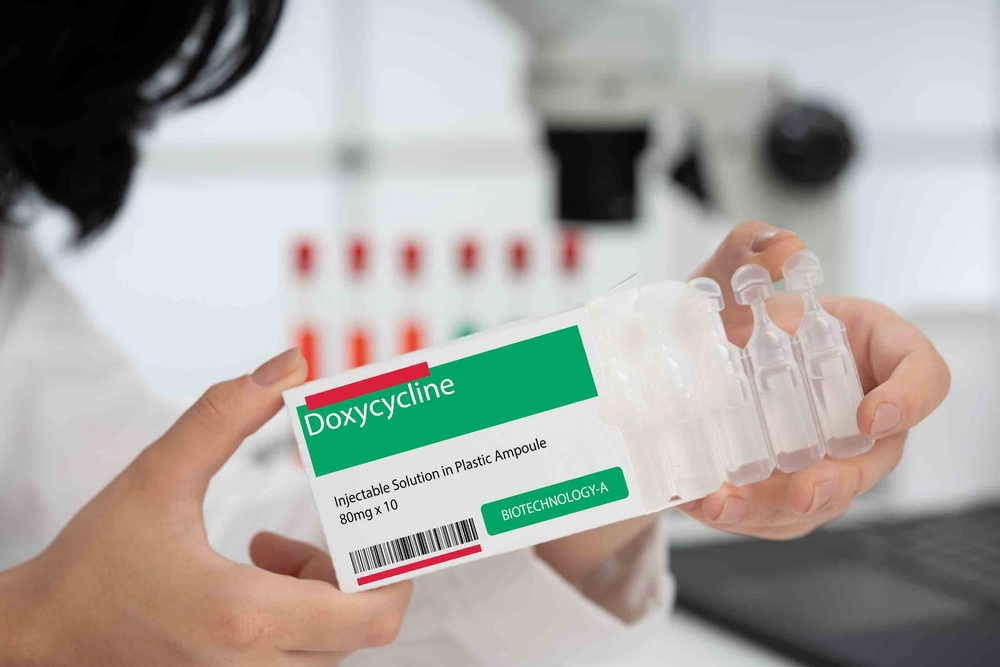
When skin is exposed to sunlight, some antibiotics, particularly those used to treat acne, such as tetracycline and doxycycline, can cause severe side effects. Individuals on these drugs may experience sunburn-like rashes, darkened skin patches, or unpleasant burning or tingling sensations. More serious side effects, such as swelling, hives, or even problems with the nails, may occasionally happen. Anyone taking these antibiotics should therefore exercise extra caution when spending time in the sun.
Alpha Hydroxy Acids (AHAs)

Glycolic, lactic, citric, malic, and tartaric acids are examples of alpha hydroxy acids that are frequently used in skincare products to exfoliate and resurface the skin. They work wonders for uneven tone, wrinkles, and acne scars. AHAs do, however, also eliminate dead skin cells, making the newly formed skin beneath more susceptible to UV radiation. This is particularly true for professional chemical peels that use high concentrations, which can make the skin extremely vulnerable to sun damage. In the absence of appropriate sun protection, AHAs may do more harm than good.
Beta Hydroxy Acids (BHAs)

Salicylic acid, the most commonly used beta hydroxy acid, enters the pores more deeply to remove oil and stop breakouts. They are frequently commended for their ability to effectively treat acne and smooth out the texture of the skin. However, they also increase the skin’s vulnerability to sunburn, just like AHAs do. Dryness, redness, and peeling are common side effects that can worsen if skin is exposed to the sun without protection.
Essential Oils

Given that they are derived from plants, essential oils may appear innocuous, but some varieties, especially citrus oils like bergamot, lemon, and grapefruit, can cause photosensitivity. The type of oil is also important; distilled citrus oils are typically safer, but if applied to skin within 12 hours of exposure to sunlight, expressed oils may cause blistering or burning. Applying these oils before going outside should be done carefully, even though they are frequently used for cleaning, fragrance, and even natural healing.
Benzoyl Peroxide

A common ingredient in acne treatments, benzoyl peroxide functions by eliminating the bacteria that cause breakouts. But sun exposure isn’t always a friend. Benzoyl peroxide can degrade in the presence of sunlight and cause irritation, redness, or even allergic reactions. To lower the chance of adverse effects, many dermatologists advise using benzoyl peroxide at night and then depending on sunscreen and protective clothing during the day.
Sunscreens (Surprising, Right?)

It may surprise you to learn that some sunscreen ingredients actually increase skin sensitivity. PABA, oxybenzone, and benzophenones are among the chemicals that have been connected to reactions that range from welts and itchy rashes to more severe problems like flare-ups of eczema or, in rare instances, anaphylaxis. This isn’t an excuse to completely forego sunscreen; instead, think about using mineral sunscreens that contain titanium dioxide or zinc oxide, which are softer and less likely to cause sensitivity.
The skincare industry can be complex because sometimes the very things that make your skin better can also make it more vulnerable to the sun. Staying safe is crucial if you’re using any of the aforementioned products. Wear hats and protective clothes, apply a broad-spectrum sunscreen in the morning and again throughout the day, and try to avoid the sun during the hottest parts of the day. You can benefit from your skincare regimen without having to deal with the unpleasant side effects of sun sensitivity if you take the proper precautions.