

Yogurt is the poster child for probiotics. It is well-known for supporting digestive health and is creamy and convenient. However, yogurt isn’t the only—or even the most powerful—source of these good bacteria, according to a number of registered dietitians and nutrition specialists. Actually, compared to your typical cup of yogurt, a number of other dairy products offer higher counts and more strains of probiotics. These 13 probiotic-rich dairy products are worth trying if you want to strengthen your immune system, improve gut health, or just change up your diet.
1. Kefir
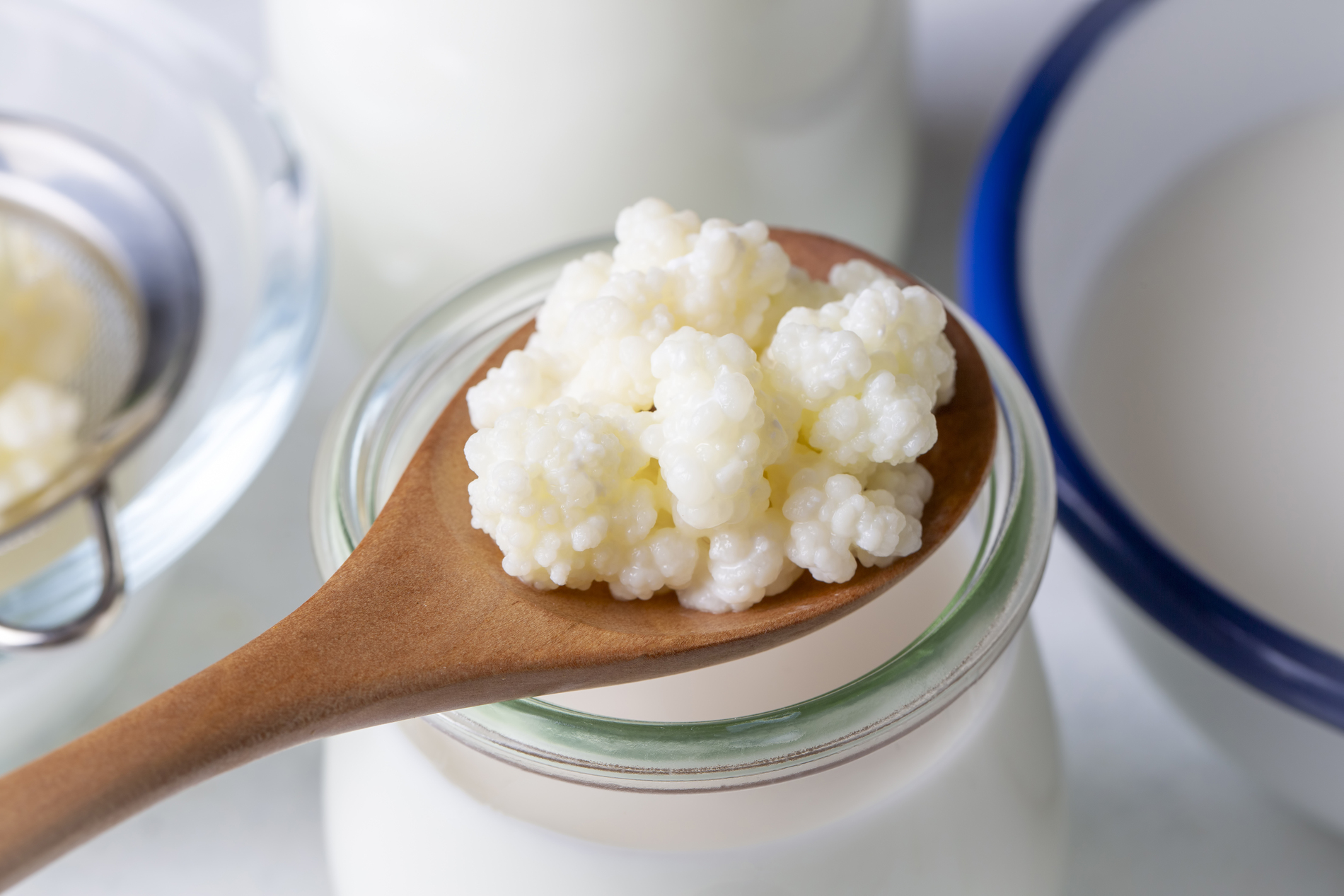
Kefir is frequently referred to as the probiotic dairy’s king. Compared to regular yogurt, this tart, fermented milk beverage has up to three times as many probiotic strains. More than 30 different kinds of bacteria and yeasts, including strains like Lactobacillus kefiri and Saccharomyces kefir, can be found in a single cup of kefir. These microbes may help improve lactose digestion and lessen inflammation in addition to aiding in digestion. It is a refreshing drink or smoothie base because of its tart flavor and slightly fizzy texture.
2. Skyr (Icelandic Yogurt)

Skyr is an Icelandic cultured dairy product that is thick and high in protein. Despite being categorized as cheese, skyr is typically consumed like yogurt. Because of the straining process, skyr products are frequently higher in protein and probiotics than regular yogurt and contain live and active cultures. Because of its satiating properties and creamy texture, skyr is recommended by nutritionists as a wise choice for anyone trying to control their weight or digestive health.
3. Traditional Buttermilk (Cultured)

The tangy liquid that remains after churning butter from fermented cream is known as traditional, or cultured, buttermilk. It is not the same as buttermilk, which is typically just sour milk and used in baking. Strains like Lactococcus lactis, which are found in cultured buttermilk, aid in digestion and preserve the proper balance of gut flora. Because it is low in calories and fat, nutritionists frequently suggest it to people looking for a mild way to increase their intake of probiotics.
4. Raw Milk Cheese

Since unpasteurized milk is used to make raw milk cheeses, more of the healthy bacteria found in milk before it is heated are naturally retained. These cheeses, especially those like cheddar, gouda, and gruyere, acquire a rich microbial profile as they age. Raw cheeses, provided they are produced safely and labeled as containing live cultures, are a valuable alternative to pasteurized cheeses, which kill many probiotics. Nutritionists advise sourcing from reliable dairies and consulting local regulations.
5. Lassi

A traditional yogurt-based beverage from India, lassi is frequently drunk to help with digestion. Although it can be either sweet or salty, the plain or salted varieties typically have higher probiotic content. Lactobacillus acidophilus and Bifidobacterium bifidum are two active strains found in lassi, which is made by mixing fermented yogurt with water and occasionally spices. Its cooling qualities and gut-soothing effects make it a popular choice in Ayurvedic nutrition, particularly after spicy meals.
6. Ayran

Ayran is a popular salty yogurt beverage in the Mediterranean and Middle East. It is prepared by adding a pinch of salt to yogurt that has been diluted with water. Streptococcus thermophilus and Lactobacillus delbrueckii, which are both known to increase lactose tolerance and facilitate digestion, are commonly found in ayran. Ayran is frequently recommended by dietitians as a hydrating beverage that is high in probiotics, particularly in hot climates or after working out.
7. Greek Yogurt (With Added Probiotics)
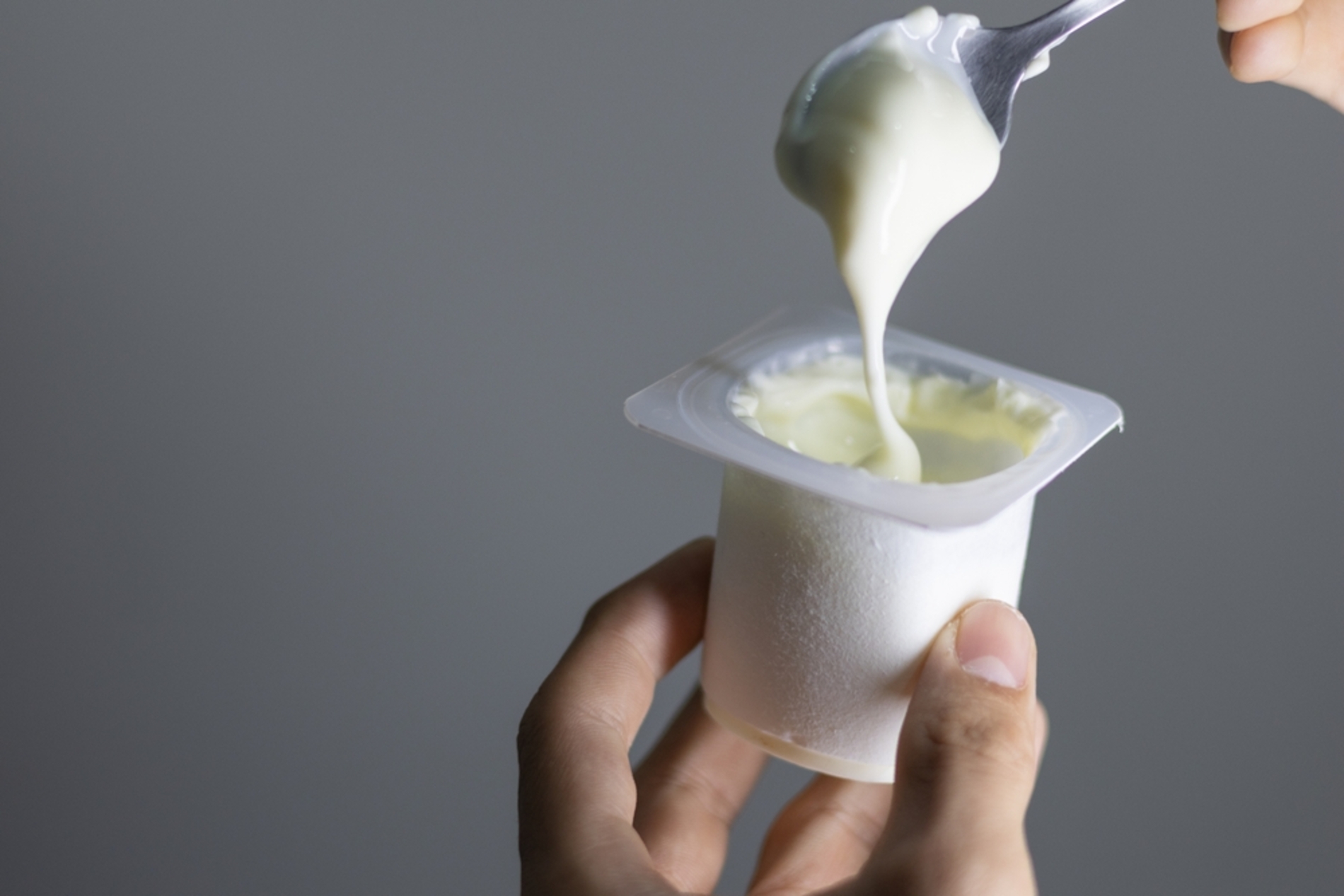
Some brands now fortify their Greek yogurt with extra probiotic strains, even though regular Greek yogurt goes through a straining process that increases protein but may reduce live cultures. These could include Bifidobacterium lactis, Lactobacillus rhamnosus, and Lactobacillus casei, which have demonstrated promise in promoting gut health and immune function. Selecting products that list “live and active cultures” on the label guarantees that you will receive all of the advantages.
8. Probiotic Cottage Cheese
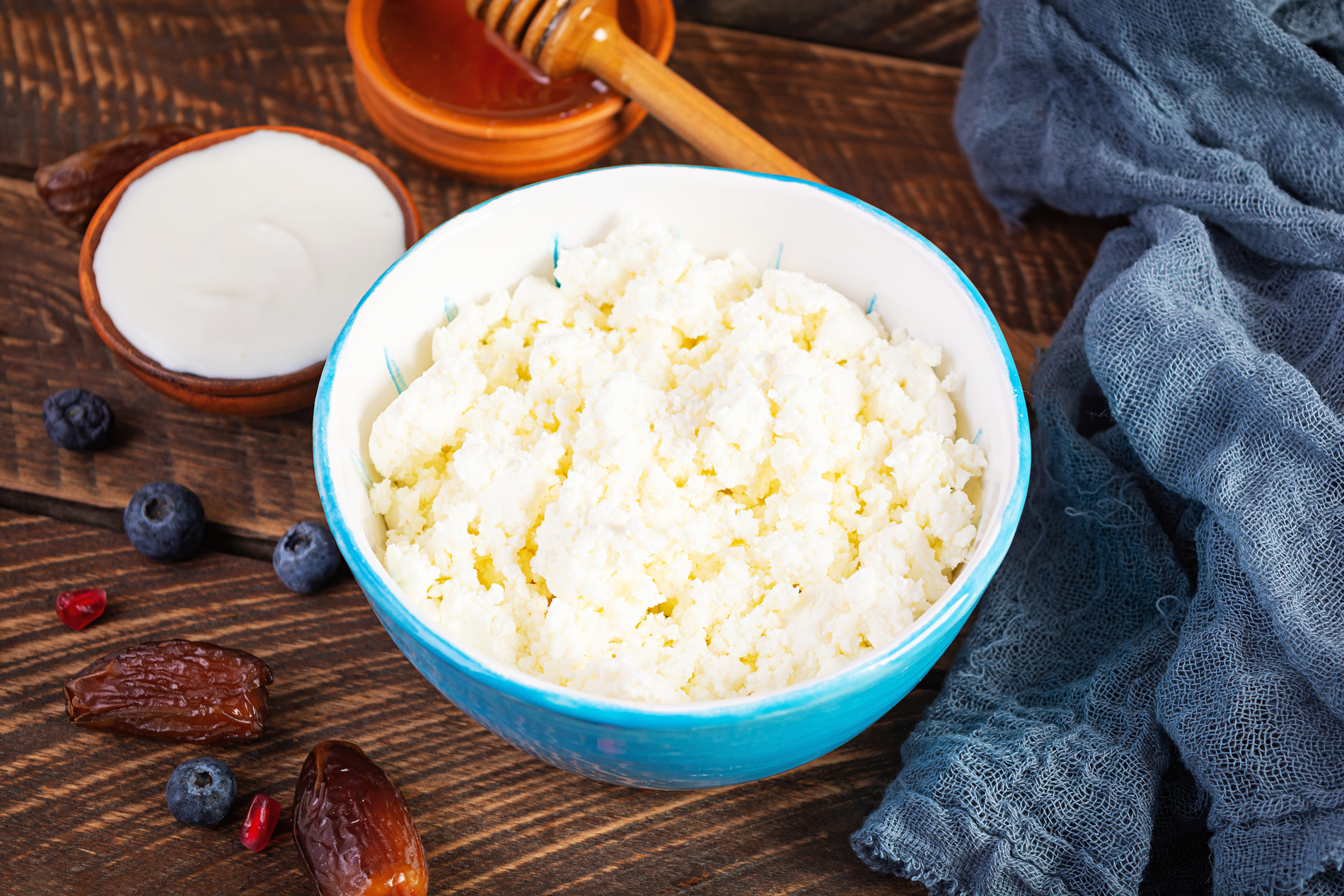
Probiotics aren’t always present in traditional cottage cheese, but live bacterial cultures like Lactobacillus acidophilus are now being added to newer varieties. A novel way to combine the advantages of gut health with high-quality protein and minimal carbs is with probiotic cottage cheese. Dietitians recommend it as a flexible choice that works well for breakfast bowls, savory dishes, and snacks.
9. Probiotic Cream Cheese

Indeed, probiotics can also be found in cream cheese! While traditional cream cheese only offers flavor, probiotic-enhanced varieties that contain additional strains, such as Lactobacillus plantarum, are becoming available. When added to your breakfast or snack routine, these spreads—while less popular than other products—can offer a slight probiotic boost.
10. Probiotic Ice Cream

Yes, even ice cream can include probiotics! Some specialty brands are now adding live cultures like Lactobacillus casei or Lactobacillus acidophilus. These frozen treats offer a way to enjoy dessert while still reaping the digestive benefits of probiotics—though of course, moderation is key.
11. Viili

The bacteria and yeasts used in fermentation give the Scandinavian fermented milk known as viili its ropey or stringy texture. Leuconostoc mesenteroides and Lactococcus lactis, the two main strains of viili, are recognized for their anti-inflammatory and gut-health-promoting qualities. It is a favorite among probiotic enthusiasts who want to try something different from the norm because of its mild flavor and distinctive texture.
12. Probiotic Whey Beverages
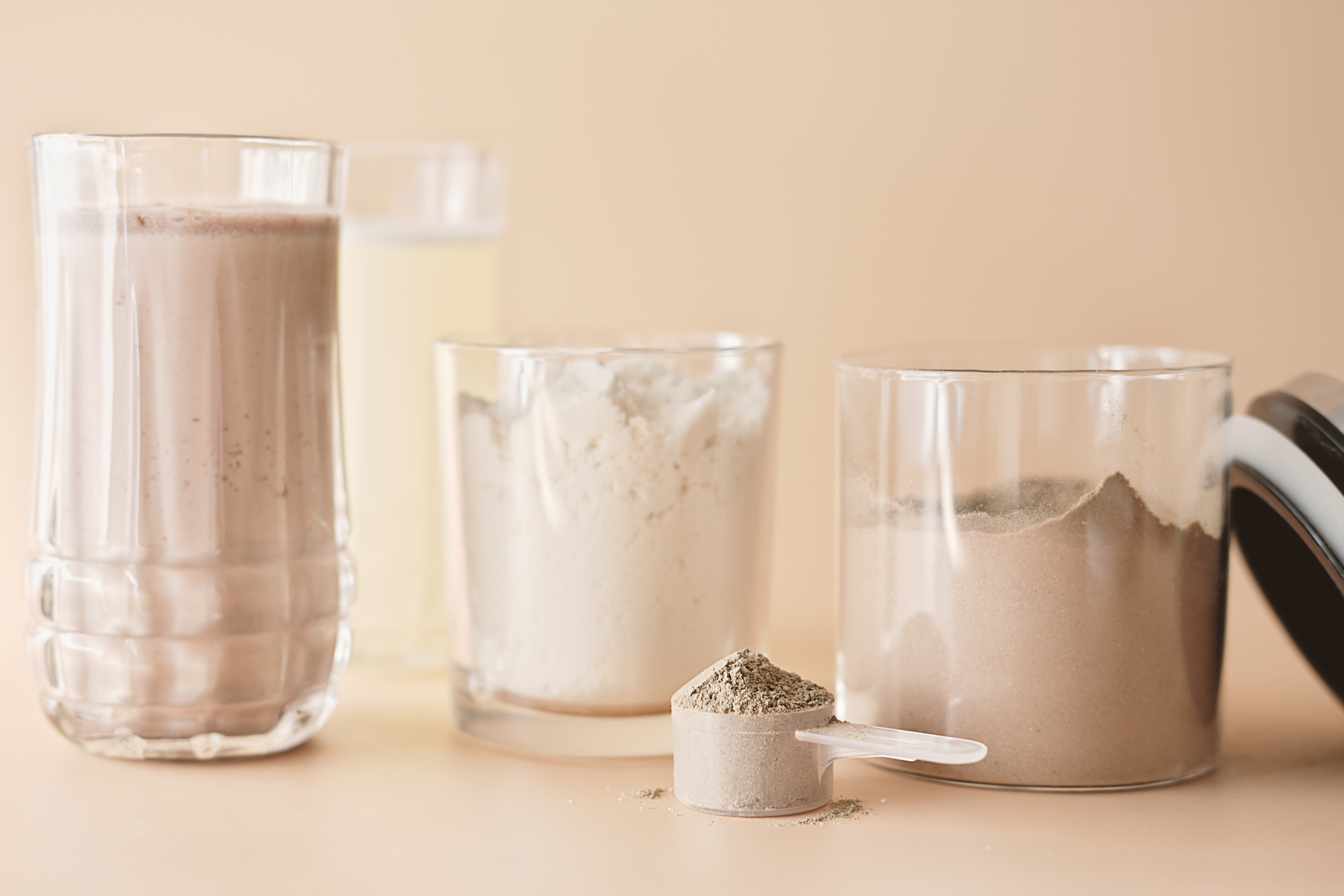
The liquid that is left over after making cheese or yogurt, known as whey, is more than just a byproduct. Whey-based beverages can provide a concentrated dose of probiotics when they are cultivated and enhanced with beneficial bacteria. Usually light and slightly tangy, these drinks can occasionally be enhanced in flavor with fruit or herbs. Whey drinks are recommended by dietitians as a low-fat, low-calorie substitute for more substantial dairy products.
13. Sour Cream (With Live Cultures)
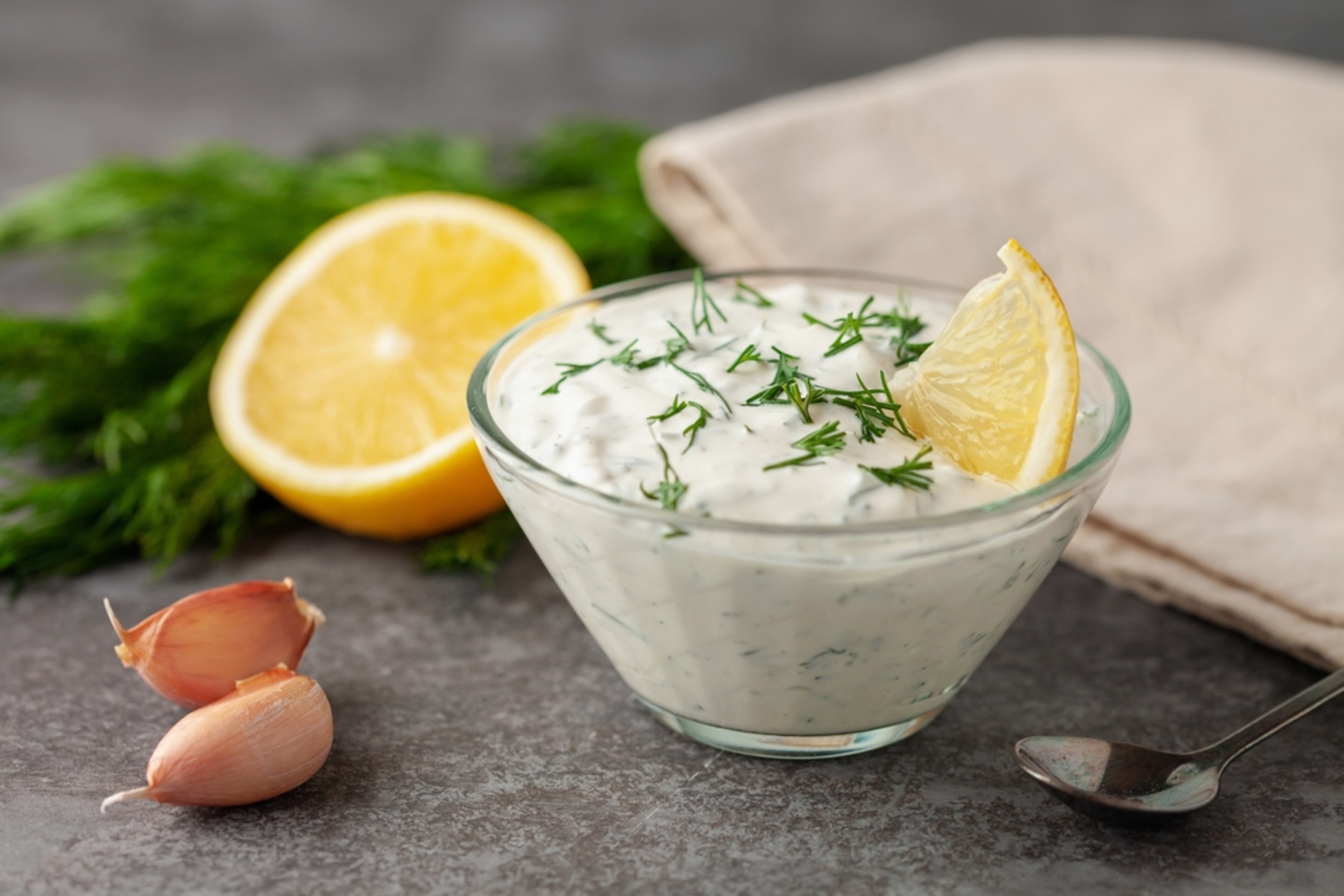
Not every type of sour cream is made equally. Some companies make cultured sour cream with live probiotics, but many commercial types are pasteurized and don’t contain them. To make sure you’re receiving the benefits for gut health, look for labels that state “live and active cultures.” Probiotic sour cream can enhance the taste and functionality of baked potatoes, dips, and savory dishes when used sparingly.
Consuming a variety of probiotics is crucial for promoting gut health, as nutritionists frequently stress. Different strains of good bacteria are present in each fermented dairy product, and varying your intake can help your gut become home to a wider variety of microbes. So while yogurt is a great start, don’t stop there. These 13 probiotic-rich dairy products offer more variety—and often more potency—than your usual cup of yogurt. Your gut will thank you!