Eat More of These Grains for More Fiber
Whole grains do a lot more than just keep you regular. They support heart health, balance blood sugar, improve digestion, and keep you feeling full longer, which is especially helpful if you’re trying to eat less without constantly thinking about food. The fibre in whole grains helps fuel good gut bacteria and reduce inflammation throughout the body. And unlike refined grains, which lose most of their nutrients during processing, whole grains keep the good stuff: fibre, B vitamins, antioxidants, and minerals like magnesium and iron.
The key is knowing which grains are actually whole and which ones just sound healthy. White bread and regular pasta don’t count. But the grains on this list are packed with fibre, flavour, and nutrients, and they’re easy to work into your day.
Here are 12 of the healthiest whole grains to add to your meals if you want more fibre and better nutrition overall.
1. Oats
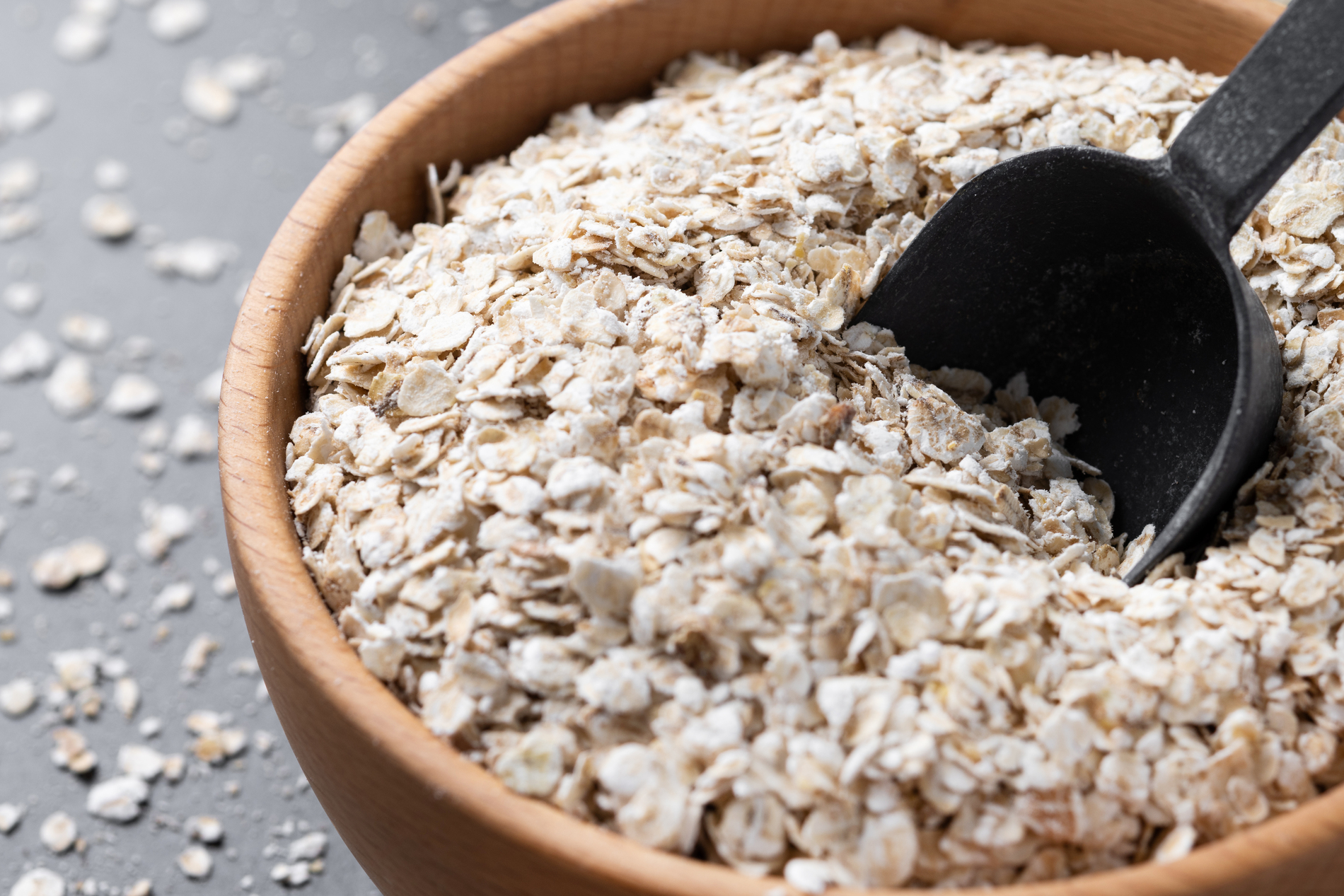
Oats are one of the best sources of beta-glucan, a type of soluble fibre that helps lower cholesterol and improve heart health. They also provide magnesium, iron, and a bit of plant-based protein. Steel-cut or old-fashioned rolled oats are your best bet for keeping the grain intact.
2. Quinoa

Quinoa isn’t technically a grain, but it cooks and acts like one. It’s high in fibre and one of the few plant-based sources of complete protein, meaning it contains all nine essential amino acids. You’ll also get iron, magnesium, and antioxidants in every bite.
3. Brown Rice
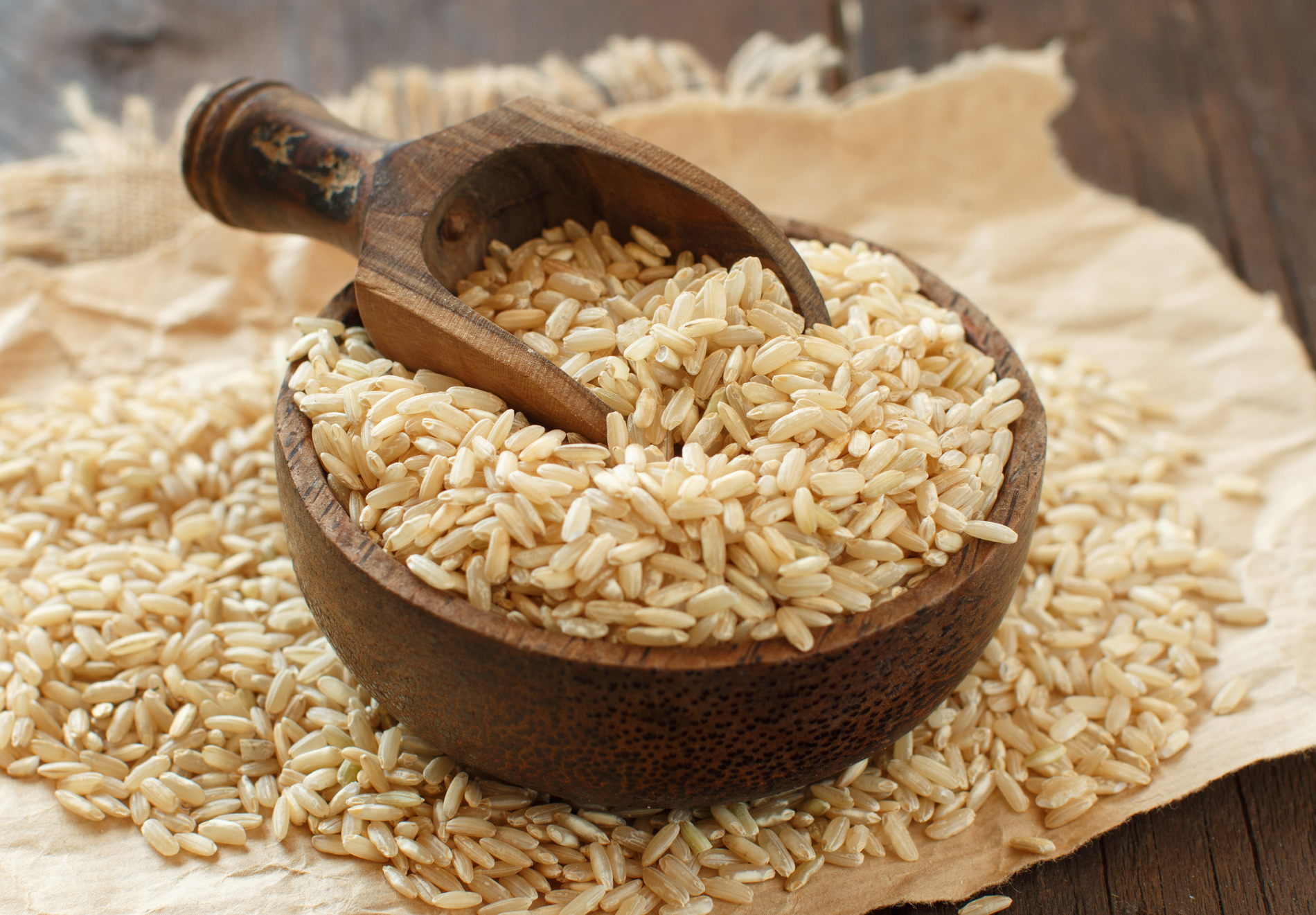
Unlike white rice, brown rice keeps its bran and germ, which means more fibre, B vitamins, and magnesium. It’s naturally gluten-free, filling, and easy to pair with everything from stir-fries to grain bowls.
4. Barley

Barley is one of the highest-fibre grains you can eat. It’s rich in beta-glucan, which supports heart and gut health, and provides selenium, B vitamins, and a nutty flavour. Just make sure to go for hulled barley, not pearled, if you want the full whole-grain benefits.
5. Farro

Farro is an ancient grain with a chewy texture and nutty taste. It’s higher in fibre and protein than white rice and contains magnesium, zinc, and B vitamins. It’s also great in salads, soups, or as a side dish.
6. Buckwheat

Despite the name, buckwheat isn’t wheat at all—it’s gluten-free and full of fibre, antioxidants, and magnesium. It’s especially rich in rutin, a plant compound that may help reduce blood pressure and inflammation.
7. Millet
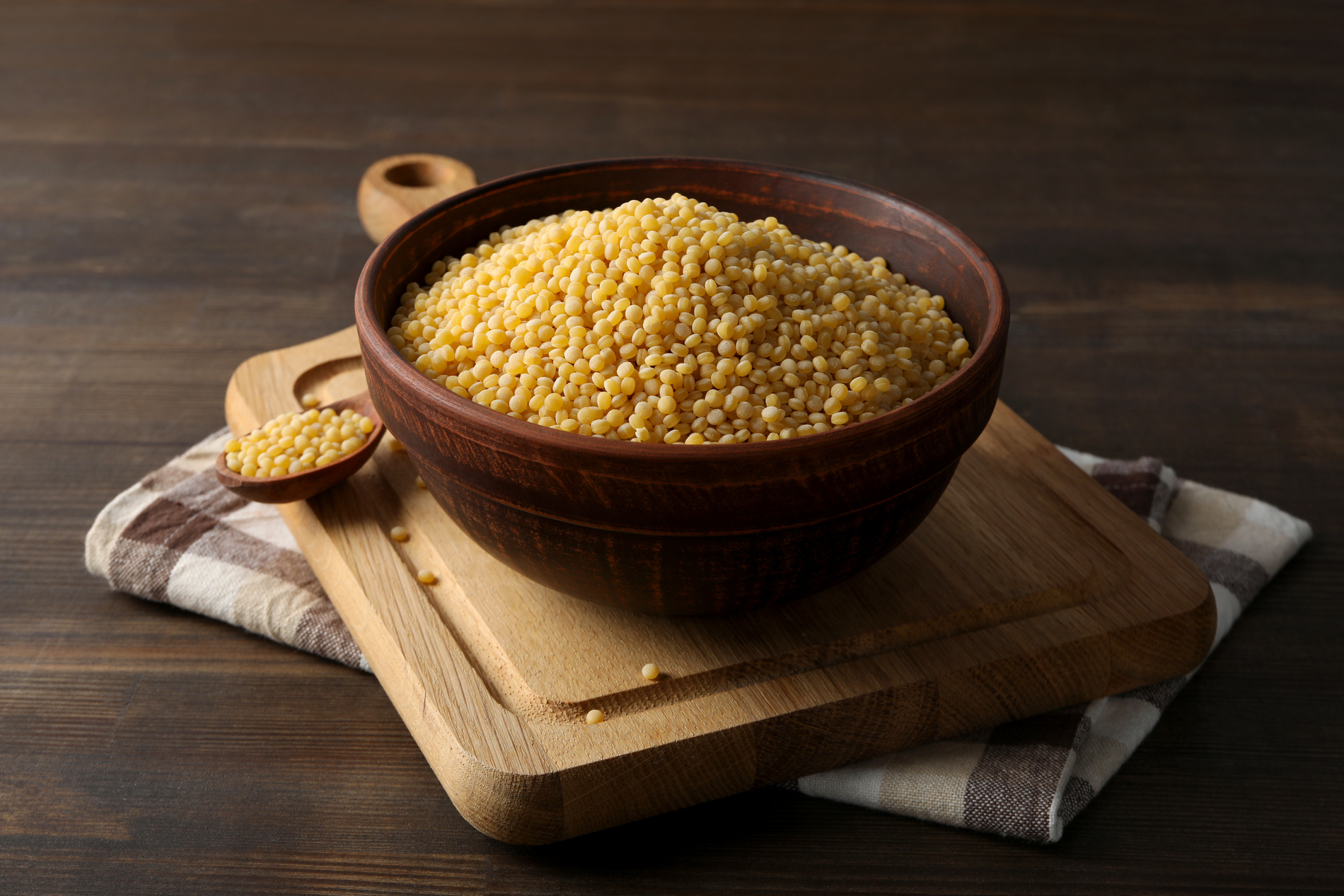
This small, mild-flavoured grain is rich in insoluble fibre, which helps keep digestion moving. It also contains iron, phosphorus, and magnesium. Millet cooks quickly and works well as a base for savoury dishes or breakfast bowls.
8. Amaranth
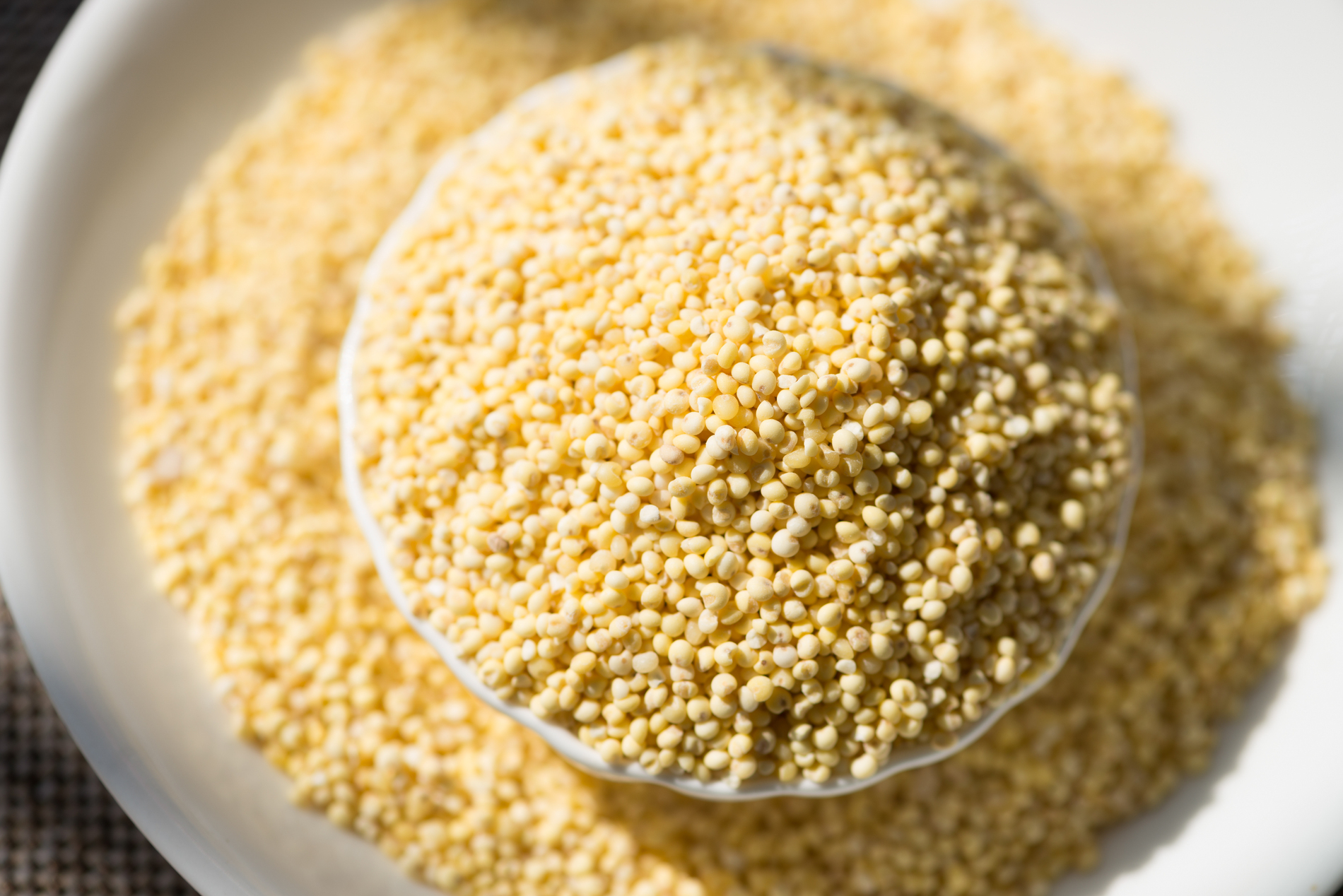
Another pseudo-grain like quinoa, amaranth is naturally gluten-free and a good source of fibre, calcium, iron, and plant-based protein. It’s especially useful for people looking to boost bone health and energy levels.
9. Rye
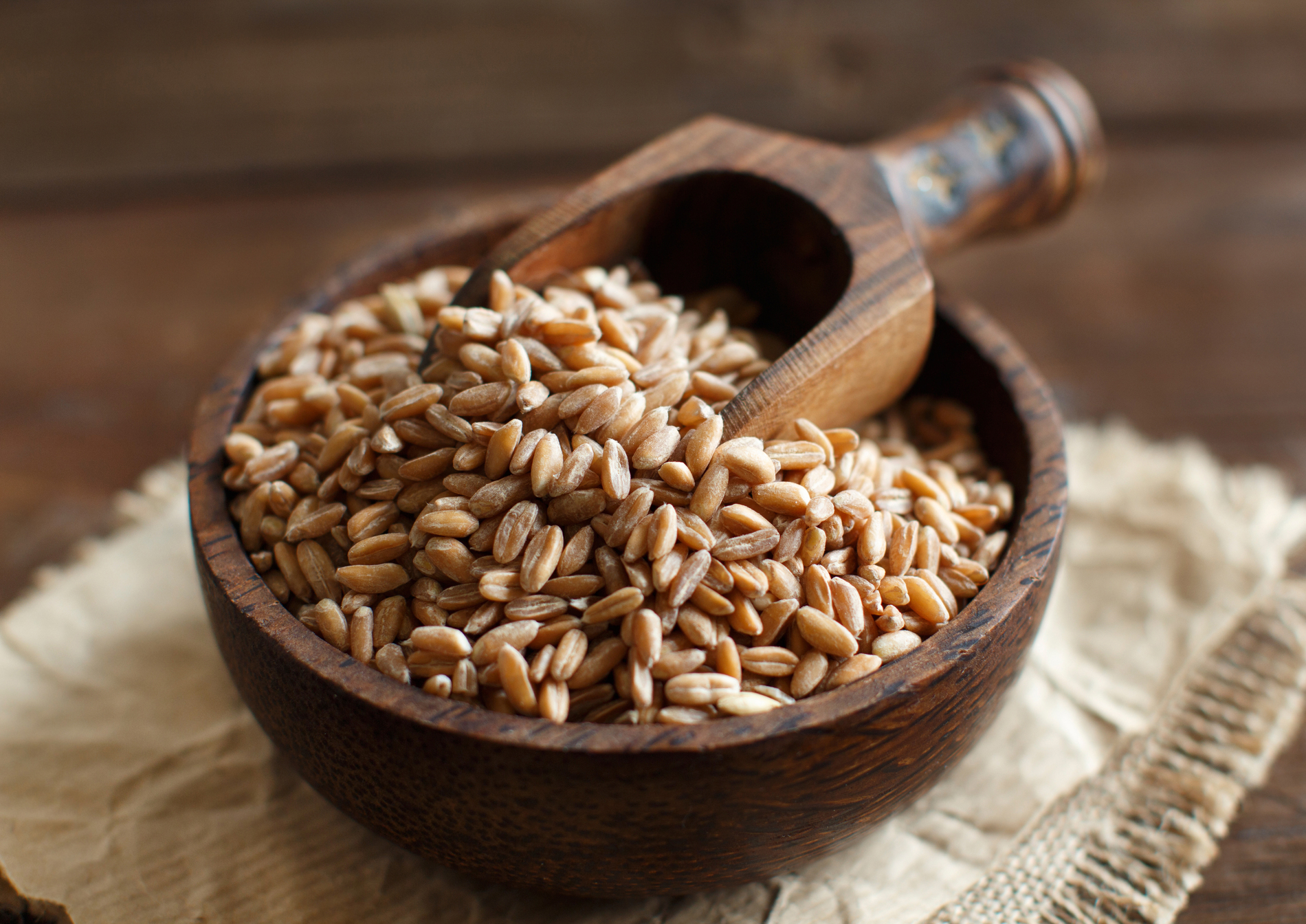
Whole grain rye has more fibre per serving than most other grains, plus it contains manganese, phosphorus, and magnesium. Rye’s dense texture makes it ideal for hearty breads and helps slow digestion, keeping you full longer.
10. Teff

This tiny grain from Ethiopia is packed with resistant starch, a type of fibre that feeds healthy gut bacteria. Teff is also rich in calcium, iron, and protein, and it’s naturally gluten-free. It’s often used to make injera, but also works well as porridge.
11. Bulgur
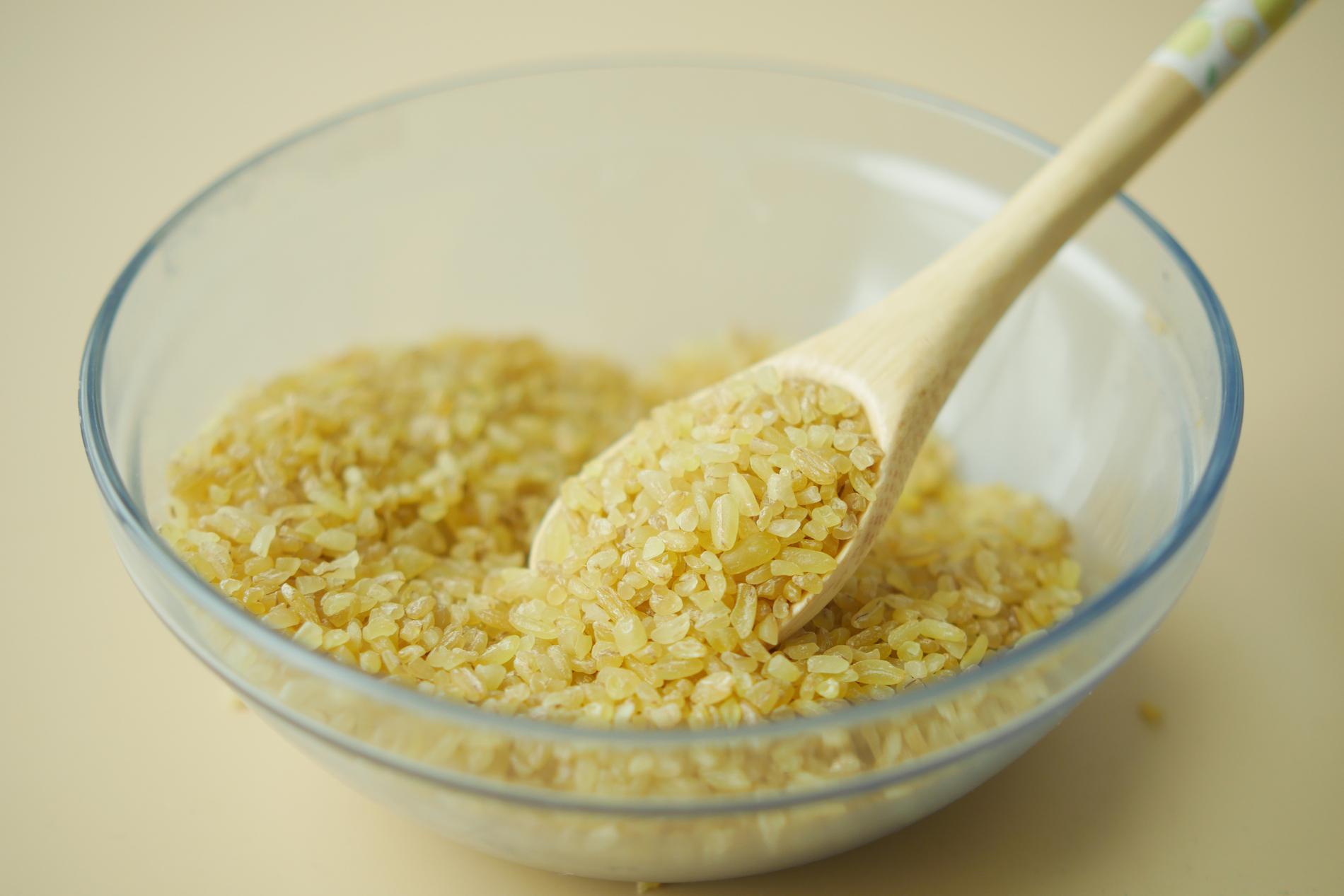
Bulgur is made from whole wheat that’s been cracked and partially cooked, so it cooks quickly while still offering lots of fibre. It’s a great source of iron, magnesium, and manganese. It’s also a key ingredient in tabbouleh and other Mediterranean dishes.
12. Wild Rice

Technically a grass, wild rice is rich in fibre, protein, and antioxidants like zinc and folate. It has a distinct, earthy flavour and chewy texture, making it a satisfying base for grain salads and pilafs. It’s also lower in calories than many other whole grains.
The Takeaway
Whole grains aren’t hard to add into your meals, they’re just easier to overlook. Swapping in even one or two of these during the week can make a big difference for your digestion, energy, and overall health. Whether you cook them fresh or buy them pre-prepped, your gut (and your plate) will thank you.